
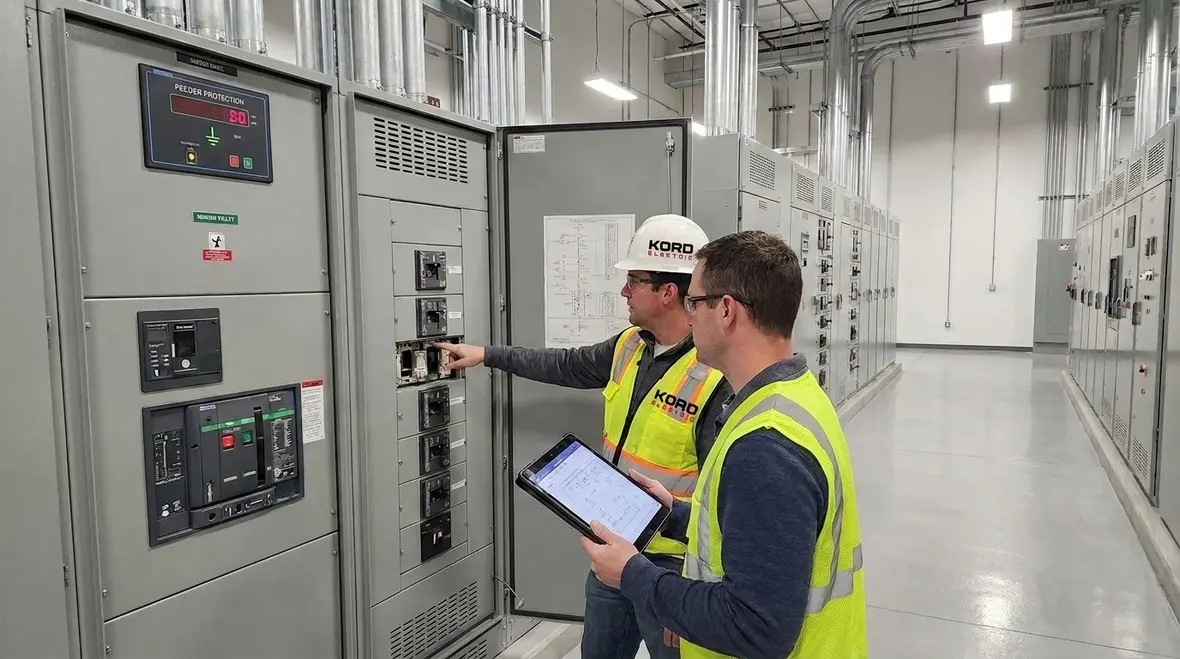
NFPA 70 Section 215.10 NEC Feeder Ground Fault Protection
At Kord Electric, we often start client conversations with one promise: your NEC feeder ground fault protection will make sense after we explain it. In fact, when we review NFPA 70 Section 215.10, we help facility teams connect the dots between code text and real life. And yes, we do it calmly, because the goal is not to overwhelm your operators like an all night Netflix binge with no sleep and no chargers. Our technicians and expert service staff walk through what GFPE on feeders does, why it matters, and how it ties into safe power distribution for commercial and industrial facilities.
NFPA 70 Section 215.10 and why it exists
NFPA 70, also known as the NEC, does not write rules just to keep the paperwork industry employed. Instead, it aims to reduce shock, fire risk, and damage from faults in electrical systems. Section 215.10 focuses on Ground Fault Protection of Equipment, commonly called GFPE, on certain feeder circuits.
So, when a fault happens, the system must detect it and act fast enough to protect people and equipment. Equipment damage is expensive, and downtime costs more than most folks want to admit. Therefore, the code pushes design decisions that limit how long current can follow an unintended path.
To be clear, we do not treat this as a checkbox exercise. We align the application of GFPE with the facility’s power scheme, the upstream and downstream protection settings, and the actual wiring layout. After all, your electrical distribution does not live in a textbook. It lives in your building.
What “GFPE on feeders” means in practical terms
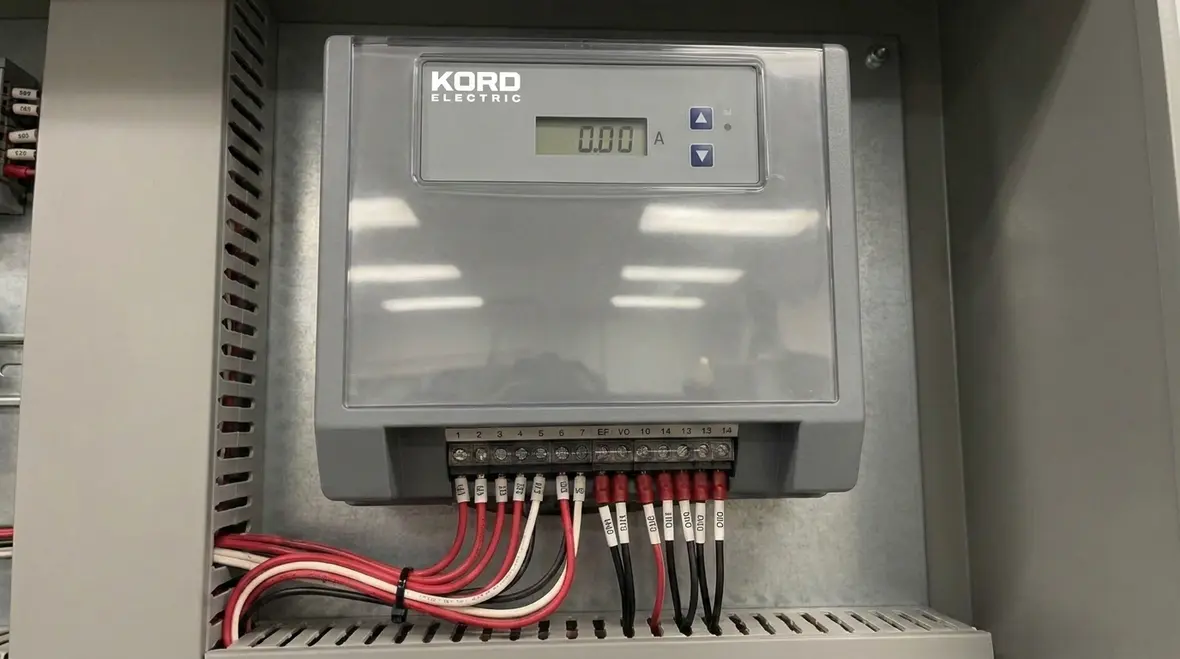
In simple terms, GFPE watches for ground fault current on a feeder that supplies branch circuits or equipment. When the electrical system detects that current is leaving the intended conductors and traveling to ground through a fault, the protective device must trip or otherwise take protective action.
However, we treat “simple” as a starting point, not the finish line. Because in the field, engineers and electricians face a few realities. First, feeders connect to lots of loads, and ground fault current can vary by load type. Second, settings that are too tight can cause nuisance trips. Third, settings that are too loose can delay protection and defeat the point.
That is where our technicians bring value. They do not just quote the rule. They review equipment, discuss the facility’s operating patterns, and then help others choose an approach that protects without constant interruptions.
How NEC feeder ground fault protection detects and responds
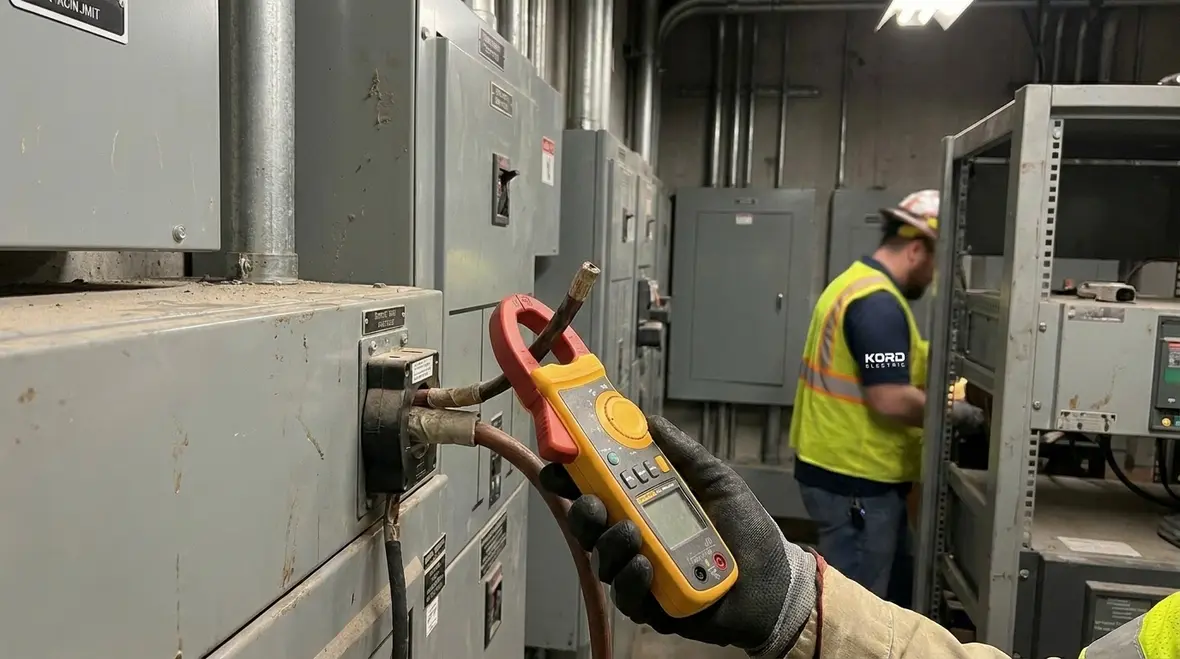
The core idea is detection and response. A ground fault event creates an imbalance, meaning current is not behaving as expected between the conductors. Many systems rely on sensing through current transformers or built in sensing elements, then comparing measured values to a threshold.
Once that threshold is reached, the device must act. That action can include tripping the feeder protective device or triggering a protective circuit in a way that isolates the fault quickly.
We also help teams understand coordination. If you have upstream and downstream devices, they should not all trip at the same time like a synchronized swim team. Instead, the system should isolate the faulted section first, while keeping other areas energized.
So, rather than treating the NEC feeder ground fault protection as a standalone requirement, we connect it to the full protective scheme. We look at the relay logic, the time current curves, and the expected fault levels in your real environment. Then we document the reasoning so your maintenance group can operate confidently.
Where Section 215.10 applies in commercial and industrial buildings
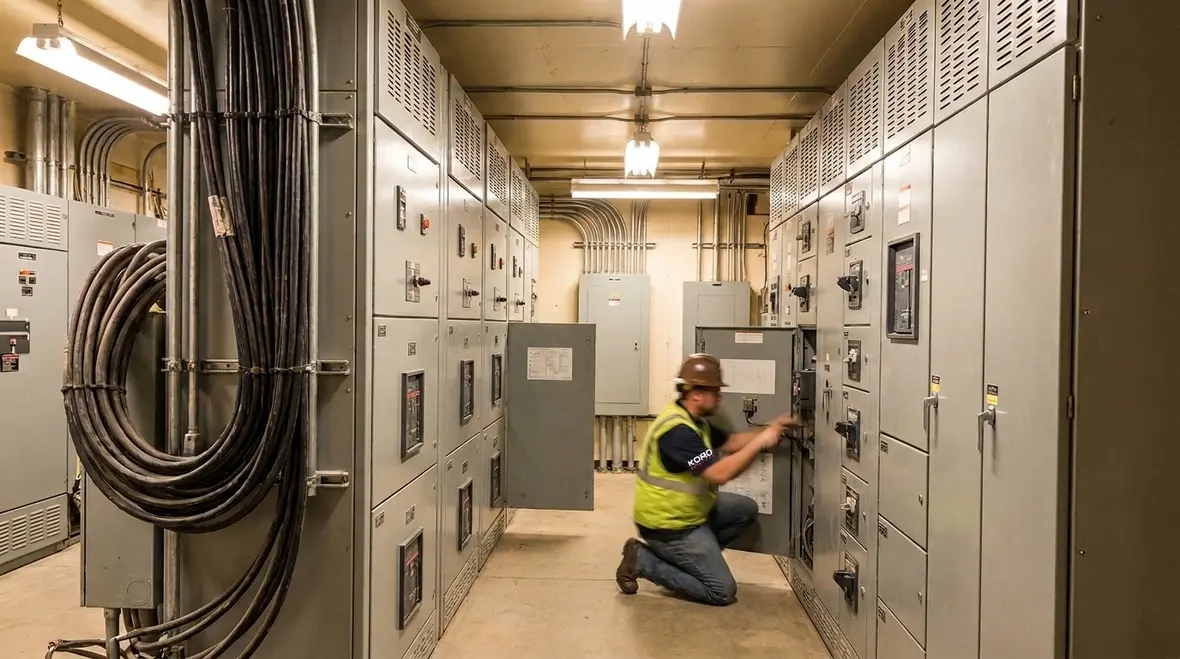
Section 215.10 does not apply to random circuits like a surprise pop quiz. It applies in specific feeder scenarios depending on the system design and what the feeder supplies. In major property buildings and industrial sites, feeders often supply a mix of panelboards, motor control centers, and large distribution loads. Those feeders can become critical pathways in emergency operations.
Therefore, GFPE selection and installation become part of the bigger system plan. We commonly see teams needing clarity on what kind of feeder qualifies, what level of protection the code expects, and how to avoid gaps between design intent and installed reality.
Also, we consider the environment. Warehouses, manufacturing floors, and large commercial spaces introduce conditions that change how faults show up. Moisture, vibration, and the way equipment gets moved over time all affect the risk picture.
Our experts take those realities seriously. They explain the code language in plain terms, then translate it into design steps and commissioning checks that match how the facility actually operates.
Coordination, nuisance trips, and keeping power steady
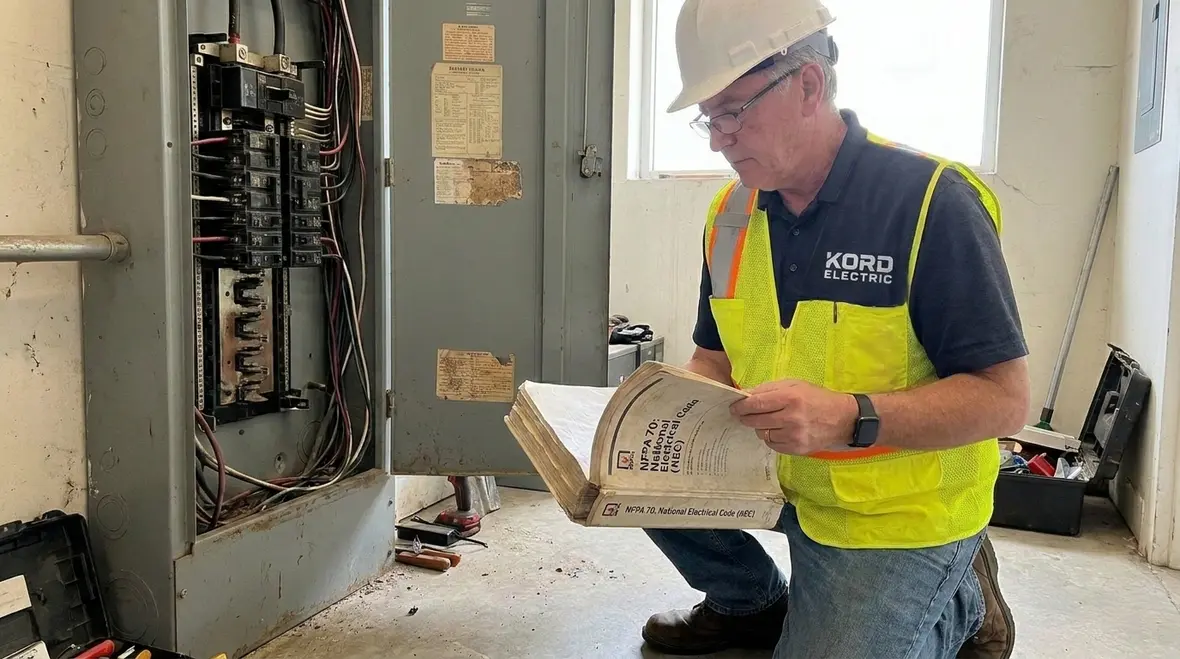
Protection that works badly is worse than no protection. If GFPE trips too easily, teams lose uptime, and someone eventually starts ignoring alarms. If GFPE trips too late, you risk damage and hazards. So, we focus on coordination across the system.
That means we evaluate how ground fault sensing interacts with other protective devices, including overcurrent protection. For example, a ground fault event may also include a conductor fault path. If the system is not coordinated, you might get the wrong device acting, or you might lose more power than necessary.
To keep things stable, we use a methodical approach: we review the electrical one line, we confirm device ratings and settings, and we check whether the installed wiring and bonding match the design. Additionally, we verify that test procedures exist so maintenance staff can confirm operation without guesswork.
And yes, we know that testing can sound boring. But so did brushing your teeth for a while, and look how that turned out. Good testing prevents bigger problems later.
Design details that make GFPE on feeders work long term
When we help facility owners and electrical contractors, we emphasize details that affect real performance over time. First, proper grounding and bonding matter because GFPE relies on current paths and sensing methods. If bonding is wrong, detection can become inconsistent.
Second, we pay attention to conductor routing and insulation quality. Poor terminations and damaged insulation can change the fault profile and create events that protection cannot interpret correctly. Third, we confirm the feeder configuration matches the sensing device application.
Fourth, we talk about load growth. In commercial and industrial settings, the building does not stay still. New production lines, renovated office suites, added HVAC capacity, or upgraded lighting can shift the electrical picture. As a result, the ground fault protection scheme may require review when changes happen.
Our service staff explains these points in a calm, step by step way. We do not just say “it needs to be right.” We show what to look for, how to verify it, and how to document it so your team can manage future work with less stress.
Testing, maintenance, and documentation for facility teams
After installation, the work is not done. We help teams set up a maintenance rhythm that fits commercial and industrial facility operations. GFPE systems need periodic verification, and testing should follow manufacturer guidance and accepted commissioning practices.
However, testing must be planned. If you test at the wrong time, you can interrupt operations. Therefore, we support facility managers by coordinating schedules, confirming affected feeders, and using procedures that reduce downtime risk.
We also stress documentation. When your electrical staff can quickly find settings, calibration details, and test results, they act faster during faults. And faster action means less damage, less downtime, and fewer late night calls.
For teams that want broader NEC context, we point them to resources like our NEC explainers at Kord Fire and related references on code structure and compliance. These materials help others understand how the National Electrical Code connects across sections, not just within one article. You can explore more at Kord Fire, dive into our overview on NFPA 70: All About The National Electrical Code (NEC), or review Kord Electric’s own deep-dive guide Understanding NFPA 70: The National Electrical Code Explained for 2026 to see how code cycles connect back to your distribution and protection choices.
As you plan upgrades or new construction, it also helps to pair your NEC feeder ground fault protection review with a broader look at scope and application. Kord Electric’s resources on topics like How to Read NFPA 70: A Practical Guide to the National Electrical Code and 2026 NEC Application Requirements Guide and NFPA 70 Scope give facility teams an easier way to connect the high level rulebook to feeder protection decisions.
FAQ on GFPE on feeders and NEC requirements
How Kord Electric supports system-wide NEC compliance
NEC feeder ground fault protection is one piece of a much bigger safety picture. When we review a facility, we also look at how feeders interact with branch circuits, services, and specialty systems. Articles like NFPA 70 Section 210.1 Scope for NEC Branch Circuits Explained and NEC Branch Circuit Voltage Limitations in NFPA 70 210.6 help your team see how branch circuits tie back into feeder design and overall coordination.
For facilities with sensitive loads or complex infrastructure, we may also recommend pairing your GFPE review with a surge and reliability check. Kord Electric’s guide on Industrial Power Surge Protection for Facilities and our overview of NEC Electrical Code for Data Centers Explained show how protection, grounding, and distribution design all work together when uptime cannot be optional.
If you are planning renovations or major upgrades, it can also help to involve a code-focused partner early. Our article on Electrical Code Upgrade Consulting for Renovations explains how we coordinate with owners, engineers, and inspectors so changes to feeders, panels, and branch circuits satisfy NFPA 70 without last-minute surprises.
Conclusion
If you manage commercial or industrial electrical systems, you should not guess about GFPE on feeders. Kord Electric helps your team understand NFPA 70 Section 215.10 in plain language, then we connect it to your real protective scheme, settings, and maintenance plan. We also look at related NEC sections, coordination studies, and documentation so your facility can stand up to both daily loads and formal inspections.
When you are ready to move from theory to action, you can review how our Los Angeles County electrical services support everything from assessments and design through commissioning and maintenance. Whether you are adding new feeders, upgrading switchgear, or tightening coordination across an existing system, we help you apply NEC feeder ground fault protection in a way that fits your actual operations instead of slowing them down.
Contact us to schedule a focused review with our technicians or service experts. We will explain what your system needs, what it should do during a fault, and how to keep power steady. Then you can stop worrying, and get back to running the facility.


