
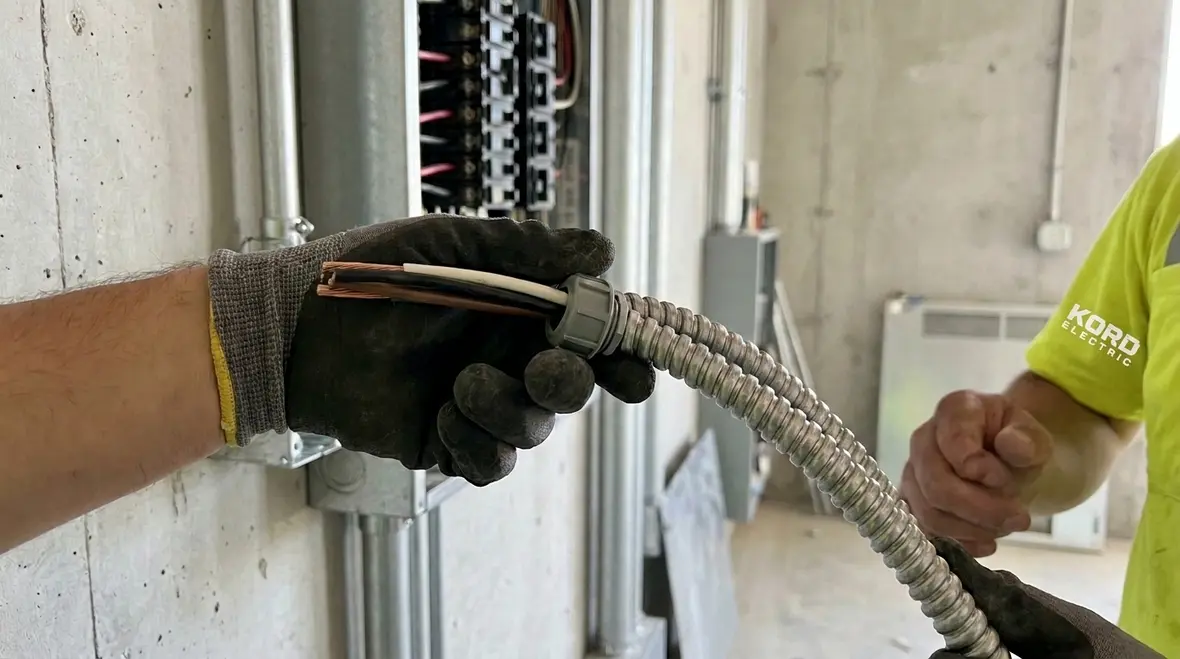
NEC FMC Insulation Shielding NFPA 70 305.40 Guide
At Kord Electric, we help commercial and industrial teams protect people and property with code based electrical design. In the field, NEC FMC insulation shielding often comes up when contractors need to manage heat, damage risk, and long term cable performance in conduit systems. To stay calm during inspections, we explain NFPA 70 Section 305.40 in plain terms, then we connect it to real job site decisions. And yes, we also know the feeling of staring at a spec sheet at 11:47 pm, hoping nobody asks a question before morning. We get it. That is why our technicians take the lead, walk the site with you, and explain what the code wants, not just what it says.
What NFPA 70 Section 305.40 requires for FMC runs
NFPA 70 Section 305.40 focuses on how you handle insulation shielding when you use Flexible Metal Conduit (FMC) in certain conditions. In simple terms, the code addresses the area where cable insulation may face outside stress. That stress can come from contact points, wiring routes, and how the conduit interacts with the environment. When those conditions exist, the NEC expects protection that goes beyond “install it and hope.”
In practice, others sometimes treat FMC like a magic tube that automatically fixes every problem. We do not. We make our process slow and deliberate. First, our expert service staff checks the route and connection points. Next, we look at how the cables will sit inside the conduit, and we confirm if shielding is needed based on the installation details. Then we document it clearly so your inspector sees the same logic you do.
As a result, teams avoid failures that can happen later: insulation wear, heat related aging, and damage from vibration or movement. Moreover, this approach supports stable system performance, which matters most in major property buildings where downtime costs real money.
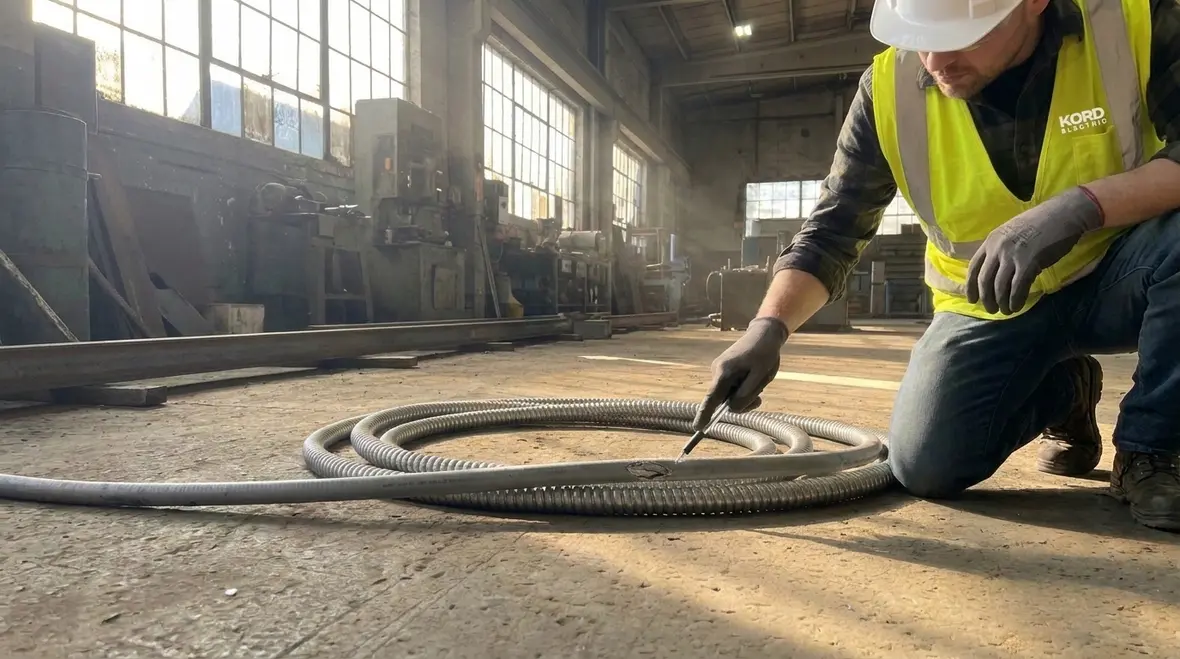
Why insulation shielding matters in commercial and industrial electrical work
Commercial and industrial facilities operate under real stress. Fans run. Motors start. Load cycles happen all day, every day. Consequently, any weak link in insulation protection can show up as an early warning sign or, worse, a sudden event. Shielding helps because it manages risk where cables might otherwise be exposed to abrasion, crushing, or contact with rough edges.
Additionally, shielding supports better long term reliability in systems that serve life safety, critical operations, and major tenants. For example, a hospital wing, an operations center, or a campus style facility needs equipment that does not degrade quietly. Instead, you want protection that keeps insulation in a healthy state.
At Kord Electric, our technicians explain this like they would to a site manager who just wants the job done right. We do not bury the lead. We tell you where failures tend to start, how they spread, and why the code requirement exists in the first place. And yes, we sometimes compare it to sunscreen. You do not think about it until you feel the burn. The code wants you to think ahead.
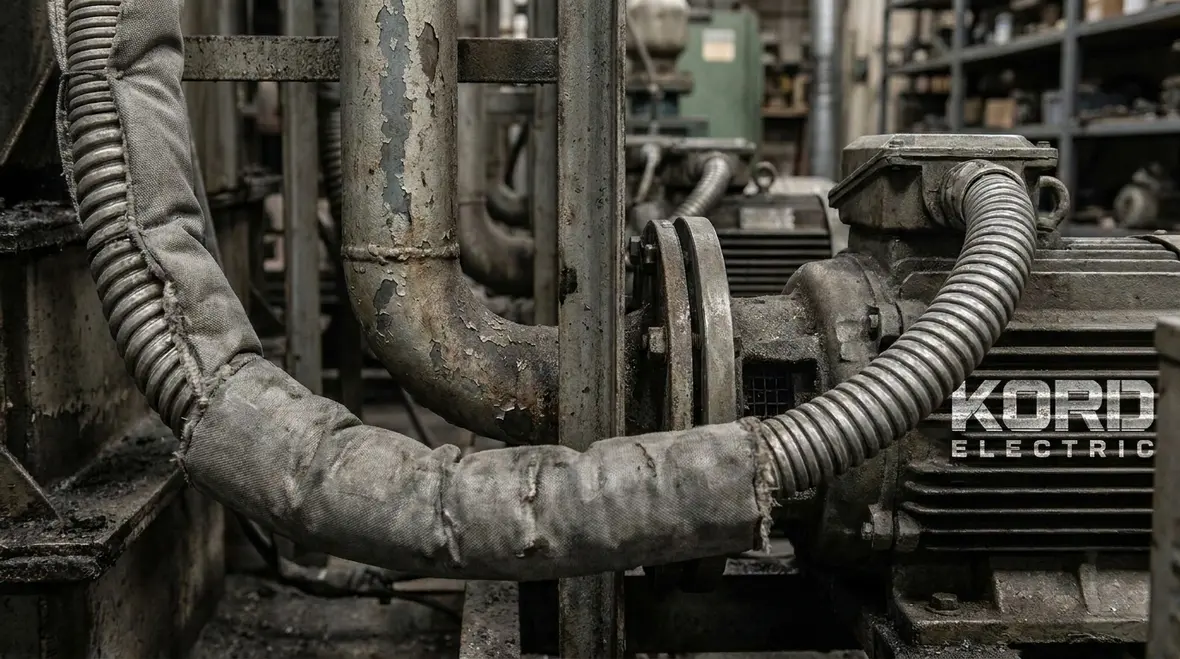
How we apply NEC FMC insulation shielding on real projects
When we install or upgrade systems, we treat Section 305.40 as a decision point, not a trivia fact. First, our team reviews the conduit layout, then we assess cable exposure points, then we verify whether insulation shielding is needed based on the exact conditions of the FMC run. We also pay attention to transitions where FMC connects to other raceways or equipment.
After that, we plan installation steps so the shielding stays intact and properly positioned. For instance, if shielding depends on placement to stop contact, we ensure routing and support keep it in the correct location. Furthermore, we avoid careless installation habits that can nick insulation, especially during pulling or rework.
To keep things clear for facility teams, our service staff also explains what they should look for during walkdowns. So even if someone else joins the project later, they understand the purpose behind our installation approach. This reduces confusion and prevents “fixes” that accidentally undo earlier work. In other words, we protect your investment instead of just checking boxes.
Common mistakes that inspections catch around FMC shielding
Inspections often focus on whether the installation matches the intent of the NEC. Therefore, certain mistakes repeat across sites. One common issue involves assuming that FMC automatically provides adequate protection in every condition. It does not. Next, some teams fail to use shielding when the installation situation calls for it, or they install shielding in a way that leaves vulnerable points exposed.
Another issue involves damage during installation. When pulling cable, crews sometimes scrape insulation, then keep going because the cable still “works.” However, the code requirement exists because damage can create later breakdown. Additionally, crews sometimes allow sharp edges at transitions to contact cable surfaces, which undermines shielding effectiveness.
To avoid these problems, we keep our work controlled. Our technicians verify the route before pulling, manage support and spacing, and check the cable condition as work continues. We also take time to explain the “why” so the team follows the plan, not just the steps. That is how you prevent the kind of correction that turns a clean project into a sitcom episode with repeated reruns.
How the 2026 NEC updates change planning and documentation
When codes update, the biggest impact usually shows up in planning, documentation, and inspection expectations. In Kord Electric’s view, the goal stays steady: meet the NEC intent and keep systems safe and reliable. Still, facilities need to align design choices with current requirements, especially on major property buildings where multiple trades share the same space.
Our team uses the latest NEC guidance, including the areas covered in our company discussions on the National Electrical Code, to support better project decisions. Articles such as Understanding NFPA 70: The National Electrical Code Explained for 2026 and related NFPA 70 resources on the Kord Electric blog help facilities see how Section 305.40 fits inside the broader rulebook, rather than treating it as an isolated paragraph.
As a result, we help owners and contractors reduce late surprises. We also support clearer paperwork, because inspectors do not only look at what exists. They also look for consistency between the design and the installed work.
Furthermore, we treat code compliance as a system process. We review drawings, coordinate with other trades, and explain how FMC insulation shielding fits into the bigger electrical picture. That way, the installation stays stable during construction and stays stable after it leaves the job site.
Building owners and contractors: what to ask before the first pull
If you manage commercial or industrial facilities, you can save time by asking the right questions early. We guide teams through these discussions because we want the job to move forward with fewer interruptions. Also, it helps when everyone hears the same explanation from the same expert service staff, not from rumors drifting like dust in a loading dock.
Here are practical prompts we recommend for major property buildings:
Step 1: Route review
Ask how FMC runs will handle exposure points, transitions, and support spacing before anyone pulls cable.
Step 2: Shielding decision
Ask whether the installation conditions trigger NEC FMC insulation shielding and how the shielding will stay positioned.
Step 3: Pull and protection plan
Ask how the crew will prevent insulation damage during pulling, rework, and final terminations.
Step 4: Documentation
Ask what documentation the contractor will keep for inspection readiness and ongoing maintenance.
To support these steps, we share clear guidance from our technicians, and we align the work with NEC intent. So when the site gets busy, you keep control instead of reacting.
Case based perspective from Kord Electric and partner resources
We often explain code topics by connecting them to how projects actually run. That is why we also reference industry resources and code focused learning materials that help teams understand the NEC as a whole, including how raceways interact with insulation protection. For example, our broader code education discussions at Kord Fire and Kord Fire Australia help teams see the bigger safety context, while fire and life safety focused groups such as FirePumps.org reinforce the importance of reliable electrical systems in emergency ready environments.
Still, we keep this article grounded in what your site needs. For FMC, that means clear decision making around shielding. When we do our work, our technicians communicate with facility leads and general contractors so nobody guesses. Additionally, we document key points so you can defend the installation if a reviewer asks “why.”
In the end, this is not about sounding smart in an inspection. It is about keeping electrical systems safe, reliable, and ready to perform. For facilities in Southern California, especially across major property buildings in Los Angeles County, our Los Angeles County electrical services team applies the same NEC FMC insulation shielding logic to real projects, from tenant improvements to large system upgrades.
FAQ
Conclusion and CTA
NFPA 70 Section 305.40 does not ask for guesswork. It asks for protection where installation conditions create insulation exposure risk. At Kord Electric, we use a controlled process: we review the route, we confirm where shielding applies, and our technicians explain the logic in plain language your team can use. If you manage a commercial or industrial facility and you want fewer inspection surprises, contact Kord Electric for a code focused review and a plan your team can trust.
If you also want to see how Section 305.40 fits alongside other NEC requirements for conduits, shielding, and system reliability, our broader NFPA 70 resources on both the Kord Electric blog and our sister company Kord Fire provide additional context for long term planning.
For facility leaders coordinating upgrades, expansions, or new construction, partnering with a team that treats NEC FMC insulation shielding as part of a complete electrical strategy – not just a checkbox – can keep your projects on schedule and your systems inspection ready.


