
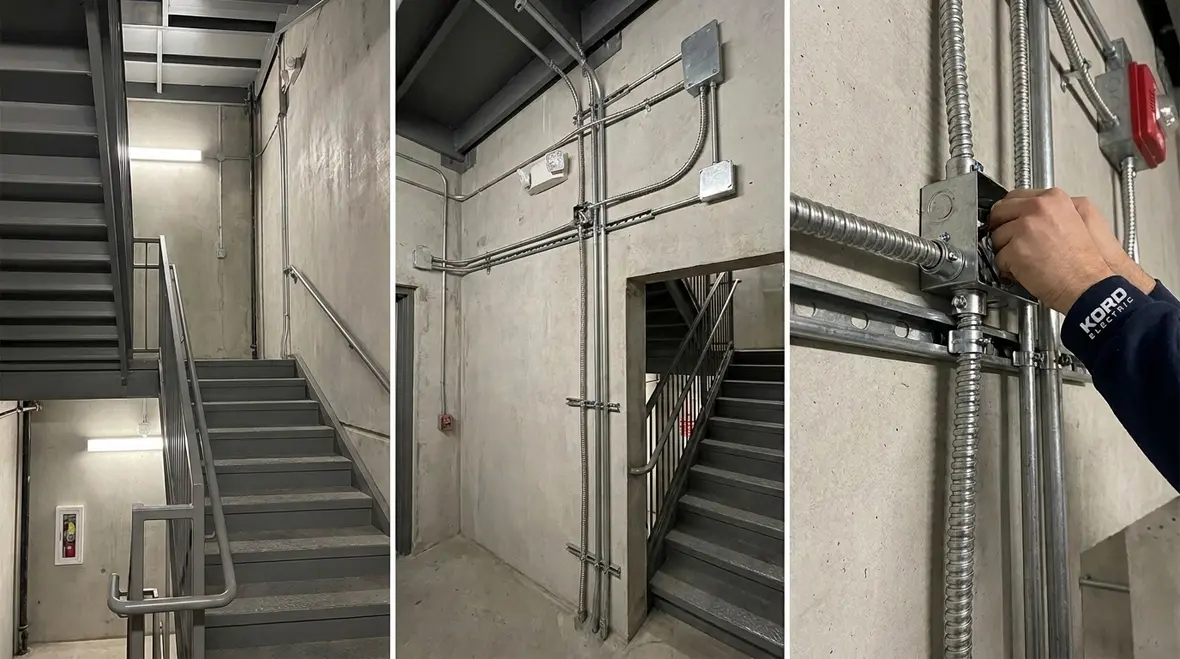
NEC FMC Stair Tower Exits Under NFPA 70 305.35
In commercial and industrial buildings, the path out must work when it matters most. That is why Kord Electric pays close attention to NEC FMC stair tower exits, especially under NFPA 70 Section 305.35. This rule focuses on where electrical wiring routes into exit stair towers, and it sets expectations for how the wiring must resist damage. In our work, we see plenty of systems installed correctly on paper, yet challenged in the real world by heat, impact, and time. So we make sure the details are right, and we explain the “why” behind them in plain language. Our expert service staff walks our customers through the requirements, then we align the design and installation so the stair tower stays a dependable escape route. And yes, even when someone jokes about “just pulling wire later,” we politely remind them that exit safety does not wait on later.
What NFPA 70 305.35 requires for FMC in exit stair towers
NFPA 70 Section 305.35 sets rules for FMC, which stands for Flexible Metal Conduit, when wiring enters or runs within exit stair towers. The core idea is simple: the wiring method must provide a solid level of protection in the space that people rely on to get out safely. In other words, the electrical system must not become the weakest link during a fire event.
When our technicians review these projects, they do more than check a single clause. They look at how the stair tower fits into the building’s overall fire and life safety plan. Then they confirm that the wiring method matches the intent of the code, so the system remains intact when heat and stress rise. Additionally, we coordinate with engineers, architects, and facility teams at major properties because exit stair towers often connect complex areas, including mechanical rooms, corridors, and lobby transitions.
As a result, we treat this section as a safety backbone, not an optional detail. If you want a helpful reality check, think of it like seatbelts. People notice them only when they fail. Our goal is to make sure they do not.
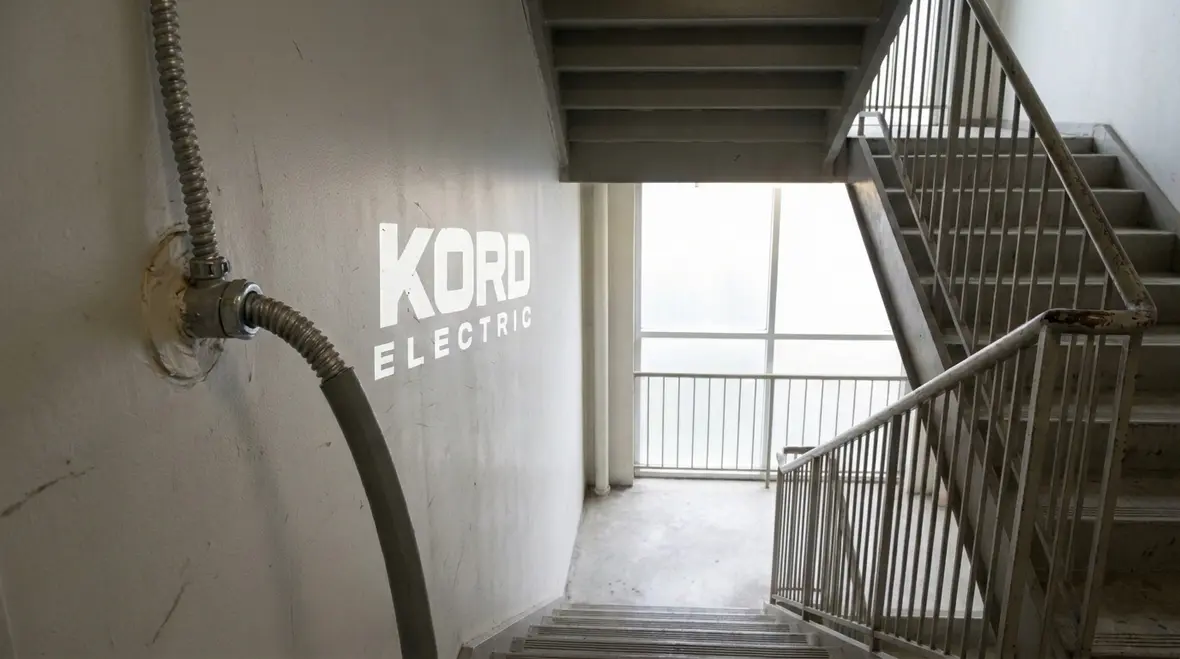
Why exit stair towers need more than “good enough” wiring
Exit stair towers serve a special role in commercial buildings. They must remain usable during emergencies so occupants can move upward or downward to safety. However, stair towers also face hazards that other areas may not face as directly. For instance, flames may vent into vertical shafts, and smoke can travel through corridors toward stair enclosures. Also, responders may need power for lighting and communications, depending on the design.
Therefore, when the code calls out specific wiring approaches, it aims to protect the conductors from damage and to reduce failure points. FMC offers mechanical protection and helps limit how wiring responds to impact and stress. At Kord Electric, our expert service staff typically explains it like this: “If the wiring method becomes easy to crush, burn through, or loosen, the system stops doing its job.”
In addition, we do not treat stair tower wiring as a one time check. We plan for installation quality, routing discipline, and support practices. That is where we often see improvements compared to rushed work. A clean path, correct bends, secure fittings, and proper separation from heat sources reduce the chance of a later failure. In the end, we build reliability into the route people will depend on.
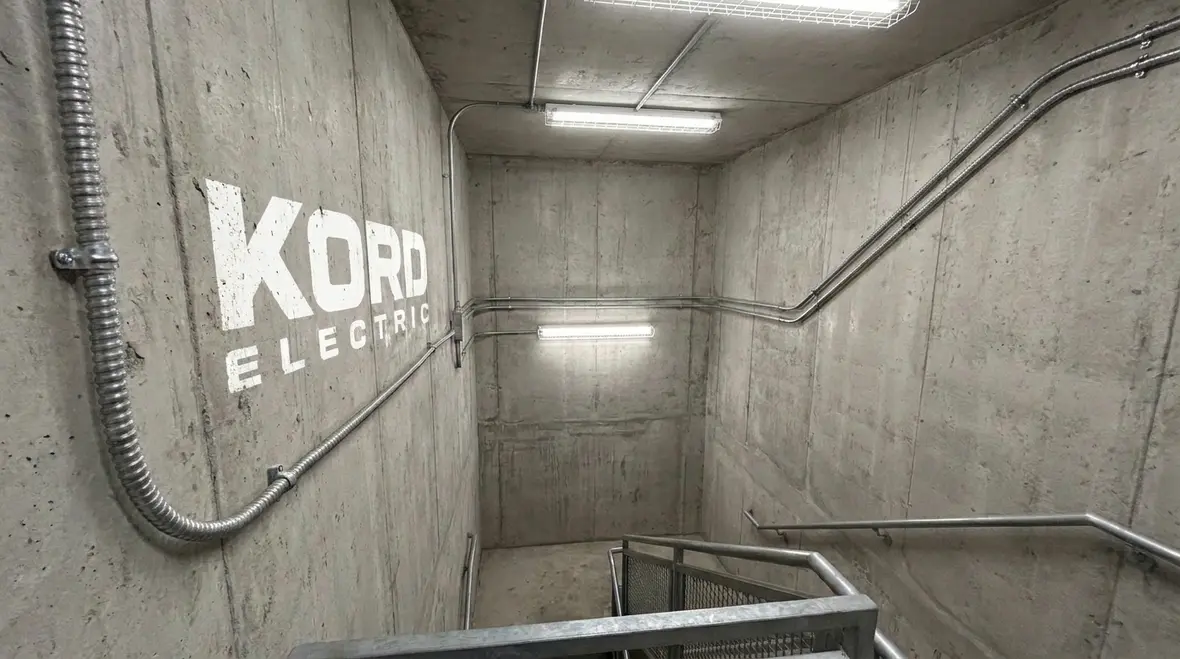
How we implement NEC FMC stair tower exits in real project workflows
Design intent only holds value when the installation matches it. So we implement NEC FMC stair tower exits requirements in a structured workflow for commercial and industrial facilities and major property buildings.
First, our team reviews drawings and specifications. Then we confirm which circuits serve the stair tower functions, such as emergency lighting, life safety devices, and any required control wiring. After that, we verify the wiring method and conduit type. We also check how the conduits enter, transition, and terminate within the stair enclosure.
Next, our technicians plan the routing. We focus on consistent support spacing, correct fittings, and proper bend handling to avoid damage to the conduit and conductors. Meanwhile, we ensure that the routing does not create sharp strain points at elbows or penetrations. We also confirm labeling and documentation practices so facility staff can maintain the system later without guessing.
Finally, we test and verify. We align our field checks with acceptance needs and safety expectations. And during this stage, our service staff communicates clearly with building stakeholders. If a facility manager asks why we changed a route or required a specific fitting, we explain the code logic and the safety impact, not just the paperwork.
Sometimes people act like conduit is just “metal spaghetti.” It is not. Done right, it is a carefully protected path that supports life safety, even under pressure.
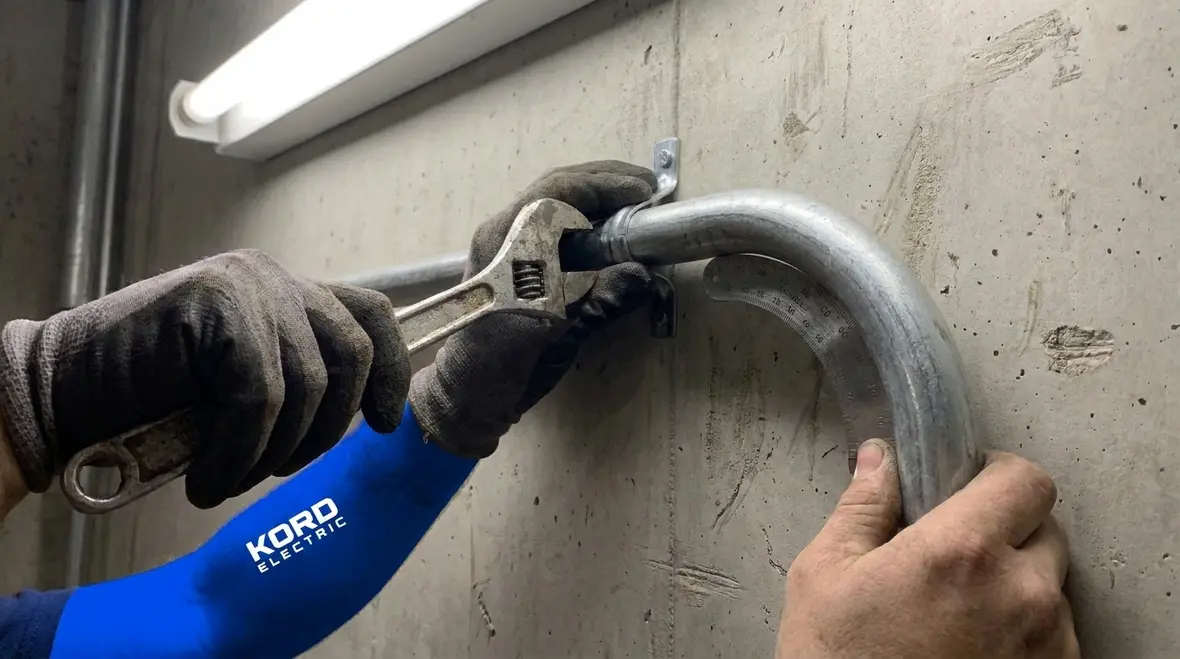
Common installation mistakes we prevent during stair tower conduit work
Many problems do not show up until inspections or, worse, until emergencies. To reduce that risk, we train our technicians to look for the small issues that can become big ones. In commercial and industrial environments, we often see these mistakes on fast tracked projects.
One frequent issue involves improper support and spacing. If the conduit lacks secure anchoring, it can shift during installation or settle later. Also, poor support can increase strain at connectors and fittings, which may cause gaps or loosening over time.
Another common problem is sloppy termination. When fittings do not properly connect, they can allow damage to develop at the entry point. Additionally, incorrect bend practices can stress the conduit, which can lead to deformation.
We also see routing that ignores the stair tower’s layout. When conduit runs too close to heat sources, pathways become congested, and maintenance later becomes a headache. Our team reduces this by planning routes with access in mind. We keep systems organized so facility staff can service and troubleshoot without tearing apart the stair enclosure.
Finally, documentation gaps create risk. If no one can clearly trace circuits and conduit paths, maintenance becomes guesswork. Thus, we provide clear records and labeling practices, so the building team can keep the system reliable.

Coordinating with code intent, fire strategy, and facility teams
NFPA and NEC rules work together with fire protection strategy. So we coordinate with the bigger picture, not just the electrical section. In major property buildings, the stair tower ties into fire alarm behavior, smoke control goals, and emergency lighting design. Therefore, we often work alongside fire protection and life safety stakeholders to confirm the system performance plan.
Our process includes reviewing how stair tower circuits tie into emergency power systems. We also confirm that the routing protects conductors and supports required device placement. When the building includes multiple levels and complex compartment layouts, we map conduit routes so no one surprises anyone later.
Our technicians also listen to facility teams. Operators and maintenance staff often know where heat, traffic, and access challenges show up. So we use that feedback to improve installation choices. Then we explain what we did and why it supports safety, code intent, and easier upkeep.
And if you are thinking, “Is this overkill?” We usually smile at that because it is not. Overkill is when you add cost without value. This is value, because it helps keep stair tower systems dependable when people need them most.
Related code context and how to keep compliance smooth
Most project delays do not come from the big, famous rules. They come from mismatches between design and field execution. For this reason, we stay grounded in the bigger NEC context and the way wiring methods fit into fire and life safety requirements. When we reference Flexible Metal Conduit standards and project specs, we ensure the full installation aligns with the intended protection level.
At Kord Electric, we also support clients with code education. We can explain the structure of NEC requirements and help clarify how a specific rule affects conduit routing, protection, and termination practices. When owners or project teams need broader context, we point them to trusted resources we follow in our planning, including materials from our fire focused teams and respected code guidance. For example, our teams also align with content from kordfire.com and broader code education sources that help keep electrical decisions consistent with modern compliance expectations. For a deeper dive into the rulebook itself, many facility leaders also review Kord Electric’s resource Understanding NFPA 70: The National Electrical Code Explained for 2026 as a companion reference when they plan upgrades under Section 305.35.
Then, we translate that knowledge into steps that technicians can execute reliably. This helps keep compliance smooth, reduces change orders, and supports safer outcomes across the building.
FAQ: NEC FMC and exit stair tower requirements
Conclusion: let us make your stair tower wiring dependable
When we install and verify conduit for exit stair tower circuits, we treat the system like a safety promise. Kord Electric helps commercial and industrial facility teams meet NEC and NFPA expectations by guiding design review, installation discipline, and field verification. Our technicians and expert service staff explain the details in plain language, so your team understands what matters and why.
If you are planning a new project or updating an existing building, Kord Electric can also help you align stair tower work with broader modernization goals, from panel upgrades to load planning, so that NEC FMC stair tower exits tie cleanly into your overall electrical strategy. For facility leaders who need comprehensive help across multiple systems, Kord Electric’s dedicated Los Angeles County electrical services support regional projects that must meet strict permitting, documentation, and life safety expectations.
If you are planning a new project or updating an existing building, contact Kord Electric. We will map your stair tower wiring approach and help you move forward with confidence.


