
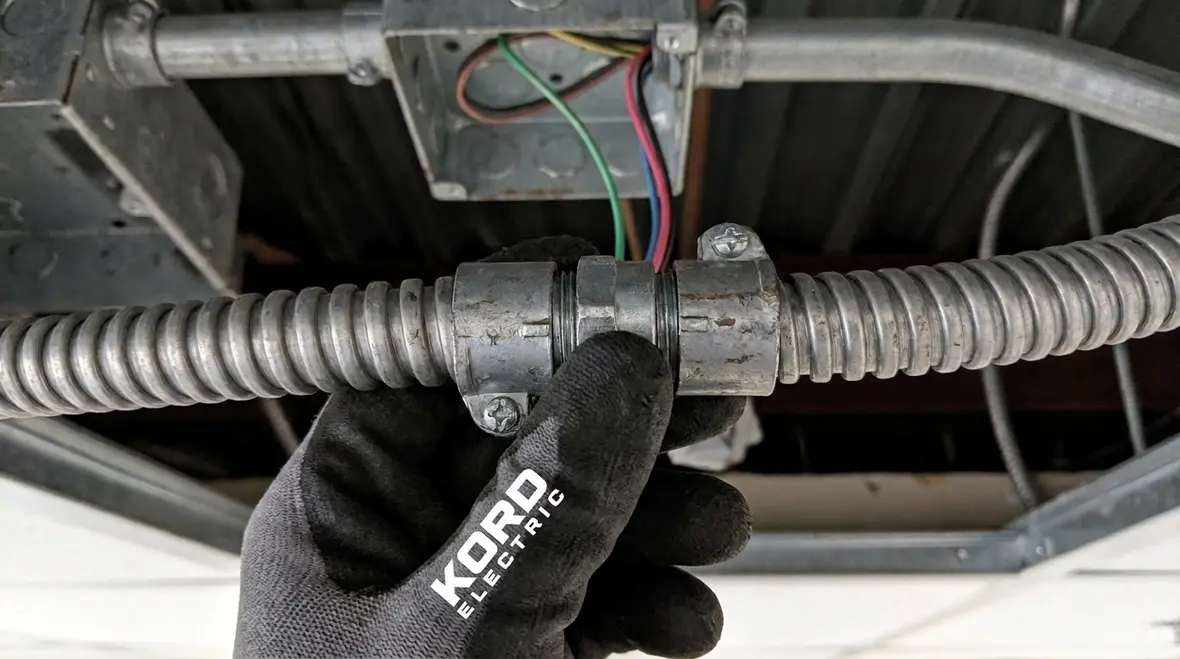
NEC FMC Mechanical Continuity Requirements in 305.22
At Kord Electric, we often explain NEC FMC mechanical continuity early because it protects crews, equipment, and the building schedule. In NFPA 70 Section 305.22, the code requires that metallic raceways used as Flexible Metal Conduit (FMC) stay electrically and mechanically continuous where people might otherwise cause breaks during pulling, supports, or equipment connections. In plain terms, the raceway must behave like one solid path instead of a bunch of loose pieces pretending to be connected. And yes, we have seen conduit runs act like they are in a sitcom, shifting at the worst time and then looking innocent.
What NFPA 70 305.22 demands for FMC continuity
Third person, our field experience, and the NEC all point to the same goal: reliable grounding and reliable equipment performance. Section 305.22 focuses on the mechanical continuity of FMC, not just the idea of “it seems connected.” When FMC segments connect, the system must maintain a solid, durable physical and electrical connection through the fittings and installation method. In practice, this means installers should not rely on chance contact or loose couplings. Instead, they should use fittings and assembly methods that create a continuous pathway.
Therefore, when a facility team plans cable routes, supports, and transitions, the code expectation stays consistent. The conduit must resist movement that can loosen connections. Also, it must support proper bonding so faults clear as designed. Our technicians and expert service staff walk clients through this because, in commercial and industrial work, the cost of “almost right” can show up later as downtime, nuisance faults, or rework that no one budgets for.
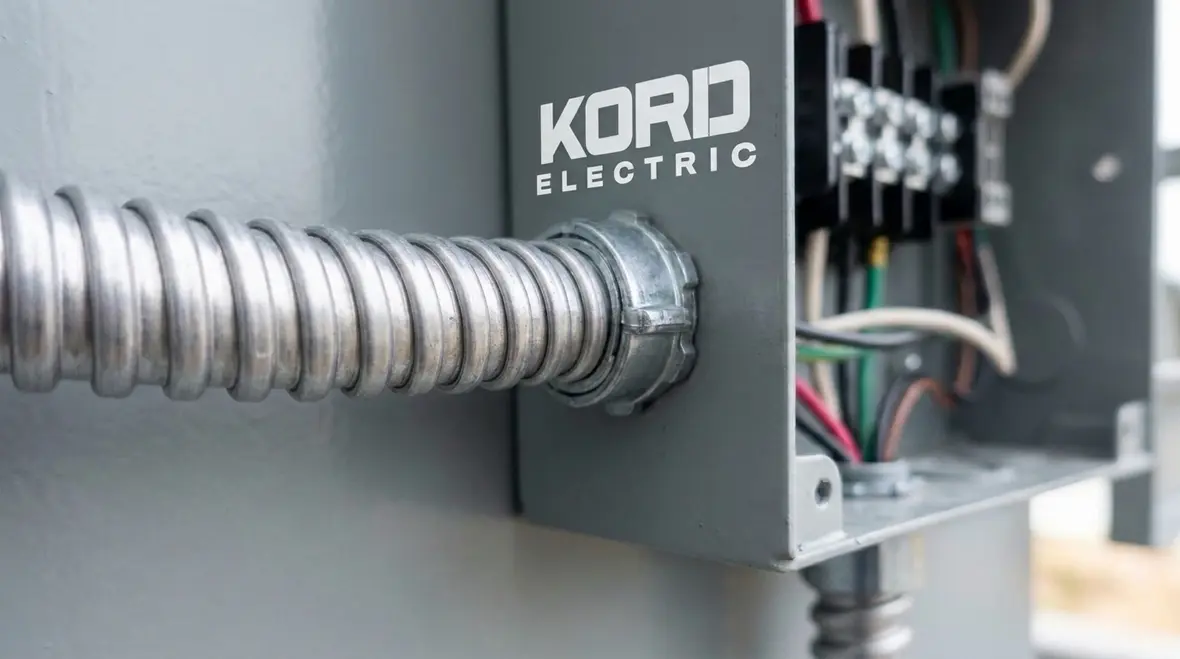
Why mechanical continuity matters in commercial and industrial buildings
Buildings do not stay still. Forklifts roll, HVAC maintenance happens, floors vibrate, and tenant work rearranges space. Over time, those small movements can stress raceway joints. Consequently, if FMC mechanical continuity fails, the electrical bond can weaken. When that happens, fault current behavior changes, and grounding performance becomes less predictable.
For major property buildings and commercial facilities, this matters because inspections, uptime targets, and insurance outcomes tie back to code compliance. In other words, continuity is not an academic checklist item. It becomes the difference between a system that clears faults quickly and one that creates lingering risk.
Our team also sees another reality. When crews install quickly, they sometimes treat conduit like decorative tubing. However, raceways are part of the grounding path when installed correctly. So, we keep the conversation practical: we explain what continuity looks like, how it holds up under real jobsite conditions, and how it affects power quality and safety.
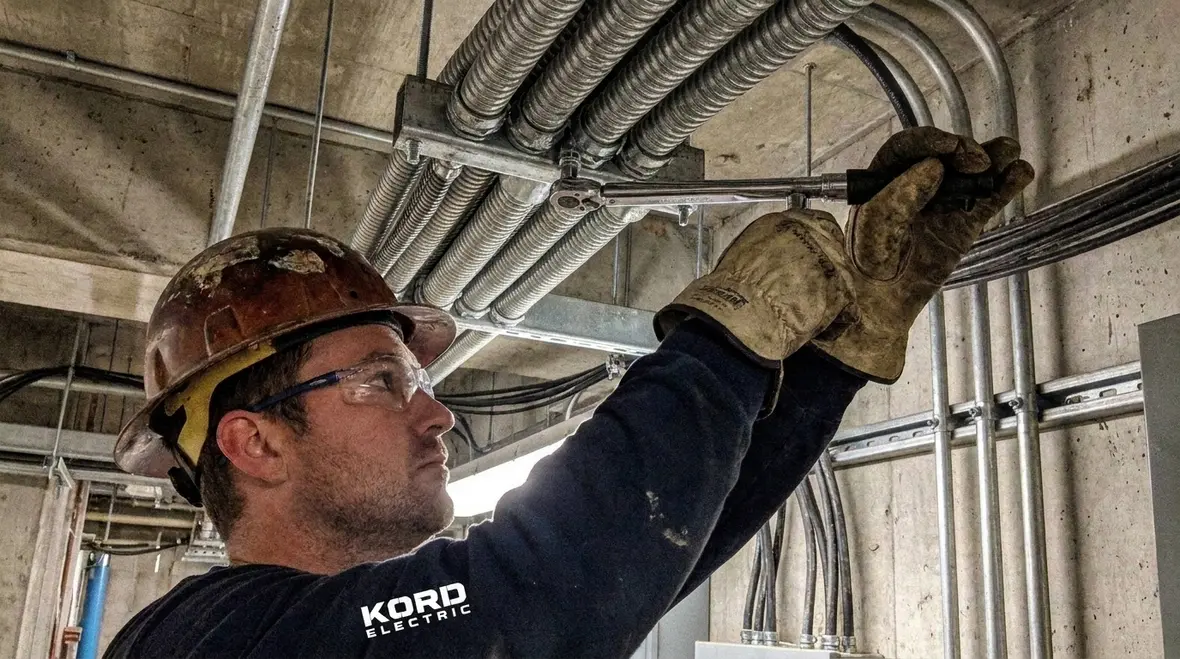
Where FMC fails most often and how Kord Electric prevents it
Even careful crews run into typical trouble spots. First, poor fitting selection can leave the system with gaps. Second, the conduit can be cut too short, which forces awkward connections. Third, installers can rush transitions at boxes, cabinets, and equipment stubs. Finally, support spacing and bonding details can allow movement. Each of these issues can break NEC FMC mechanical continuity over time.
To prevent that, our technicians use a simple approach: they verify connections before final tightening, they confirm the conduit size and fitting compatibility, and they inspect the physical layout for stress points. Then, they check whether the raceway run needs additional support to keep joints stable.
In addition, our expert service staff communicates the “why” to facility managers. They explain that mechanical continuity is part of the same chain as bonding. When a joint moves, bonding quality often follows. And when bonding quality drops, protection systems may act differently under fault conditions. It is not dramatic until it is, and by then it is usually a long night and a shorter patience level from everyone on site.
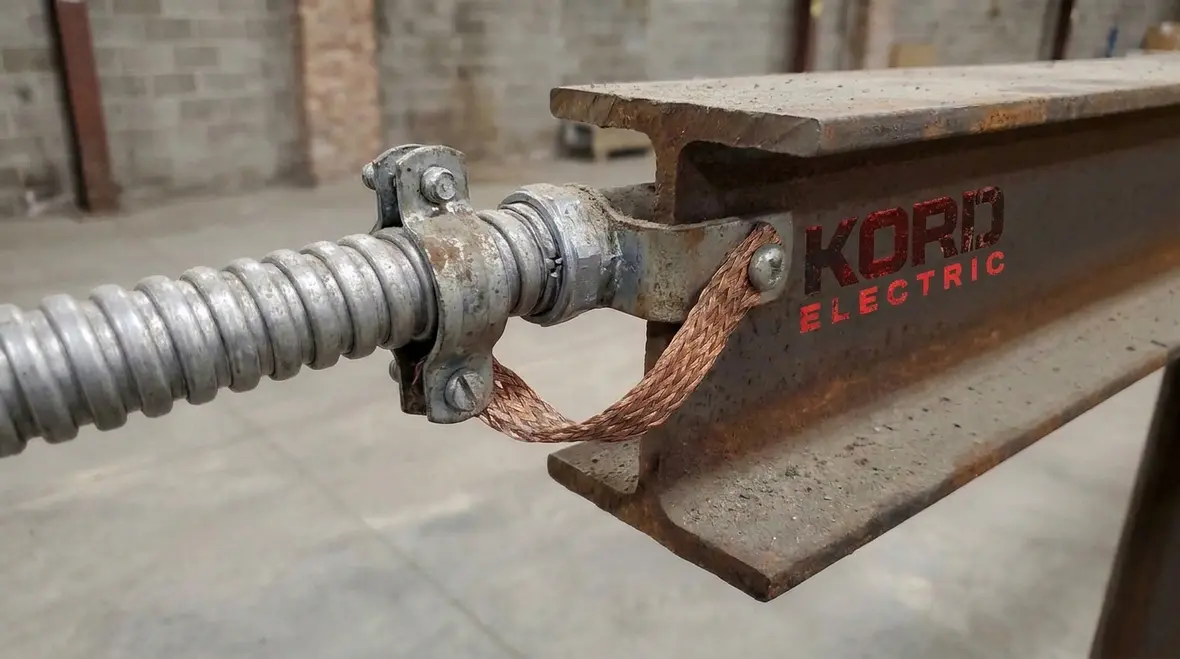
How bonding and supports work together with continuity
Continuity does not live alone. It depends on the way the whole system works. The conduit must connect to boxes and equipment in a way that maintains both mechanical integrity and electrical continuity. Supports help by limiting movement. Also, proper installation methods reduce stress at couplings and fittings.
Our team focuses on the full run: from the first transition to the last stub. For example, if a facility has long conduit spans between structural members, it needs support that keeps joints from working loose. Similarly, where the conduit turns or exits a box, the connection method must hold up to the forces created by cable pulls and routine maintenance access.
Therefore, when others inspect a completed installation, they should look beyond appearance. They should confirm the conduit is secured, the fittings are properly seated, and the connections maintain the expected path. In many commercial and industrial settings, this is how we keep systems consistent across phases, tenants, and remodels.
FMC transitions, fittings, and installation details that inspectors expect
Inspectors rarely grade on “vibes.” They check details. In FMC work, the transition points often decide compliance. Those are the moments where conduit meets enclosures, electrical boxes, and equipment. If the connection relies on hardware that does not suit the conduit type or the intended bonding method, the assembly may not achieve the required continuity.
Kord Electric emphasizes practical installation rules with our clients. First, use fittings rated and listed for FMC and the environment. Second, ensure the conduit is cut cleanly and assembled without forcing misalignment. Third, keep the connection stable so it does not rotate or loosen after torque. Fourth, maintain proper sealing and protection where required by the broader code cycle for the facility’s environment.
When needed, we also assist project teams with review checklists during rough-in. That prevents surprises later. And yes, we have heard the classic excuse: “It tightened fine on Friday.” Unfortunately, Friday is not when the system gets tested. Monday does.
How our technicians explain code to facility teams without the headache
Because the work targets commercial and industrial facilities and major property buildings, our approach stays clear and grounded. We meet with facility managers, electrical contractors, and project leads so we can align on what NEC FMC mechanical continuity means for their site. Then we explain how their crews should handle connections, supports, and transitions so the system stays stable after installation.
Our expert service staff also shares lessons from the field. They explain common jobsite causes of continuity loss, like repeated cable pulls that stress fittings, or renovations that shift equipment standoff points and create new forces on conduit. As a result, the facility team can plan maintenance and changes without quietly undermining safety.
For those who want deeper background on the NEC and related compliance expectations, our team points clients to Kord Electric and Kord Fire resources, including clear NEC explanations and guidance on electrical code topics that support safer design and build decisions. For example, our partners at Kord Fire also explain broad NEC context that helps teams connect the dots across sections and practical field behavior. When those resources are paired with on site guidance, crews make fewer avoidable mistakes.
Facility teams who want to connect this topic to broader NEC planning can also review Kord Electric’s article Understanding NFPA 70: The National Electrical Code Explained for 2026, which shows how code direction shapes real commercial and industrial projects.
Practical compliance steps for major projects
To keep a commercial or industrial FMC system compliant, Kord Electric recommends a process rather than hoping for luck. First, define the route and identify transition points early. Next, plan support placement so the run stays stable. Then, confirm the fitting and box interface details before installation starts. After that, verify torque and seating during rough-in, not after the ceiling is closed.
Then, use staged inspections. We work with teams to inspect the most failure prone areas: long runs, frequent turns, and every enclosure or equipment stub. Finally, document the installed configuration so future service crews can maintain it without guessing.
When a facility follows this path, it reduces rework and improves system reliability. More importantly, it protects people. A stable conduit system supports safe grounding and dependable fault clearing, which keeps the entire electrical environment calmer than most reality TV reunions.
For projects that involve broader electrical upgrades, many facility teams also pair FMC continuity planning with regional support such as Los Angeles County electrical services, so field work, documentation, and inspections stay aligned across every stage of the job.
FAQ: NEC FMC mechanical continuity in featured snippet style
Conclusion
Kord Electric helps commercial and industrial teams build and maintain electrical systems that stay safe long after the first inspection. When our technicians explain NEC FMC mechanical continuity, we focus on what works on real jobs: stable fittings, solid transitions, correct support, and careful installation. If a project needs expert review or service support for FMC runs, we respond with clarity and action. Call Kord Electric today, and let our expert service staff help your facility avoid the kind of “close enough” problems that cost time, money, and sleep.
For facilities planning broader code-driven upgrades or renovations, coordinating FMC details with services like electrical code upgrade consulting and regional field support helps keep every raceway, panel, and protective device working together as a single, code-aligned system.


