

NEC Interrupting Ratings Explained for Commercial Sites
NEC interrupting ratings start where safety becomes real for commercial sites
In first moments of an electrical system conversation, the NEC interrupting rating requirements matter more than people expect. In NFPA 70 Section 240.16, the standard sets clear expectations for how breakers and fuses must interrupt fault current without failing in a way that creates fire risk. At Kord Electric, we see it every day on commercial and industrial jobs, and our clients deserve straightforward answers, not guesswork. So we focus on the practical meaning of Section 240.16 and how it shapes equipment choices. Meanwhile, our expert service staff calmly walks building teams through what the numbers mean, because nothing derails a project like a breaker that “looked right” on a datasheet but does not meet reality.
Interrupting rating conversations often show up right after someone asks, “Can this panel handle one more load?” or “Is this breaker okay for that upgrade?” Those questions sound simple, but the answers depend on how much fault current the system can deliver and whether the protective devices are actually built, tested, and listed to clear that energy safely. That is where NEC interrupting rating requirements pull the discussion back to reality. They remind everyone that it is not just about getting power flowing; it is about keeping equipment, people, and operations safe when something goes wrong.
Where Section 240.16 fits into the breaker and fuse picture
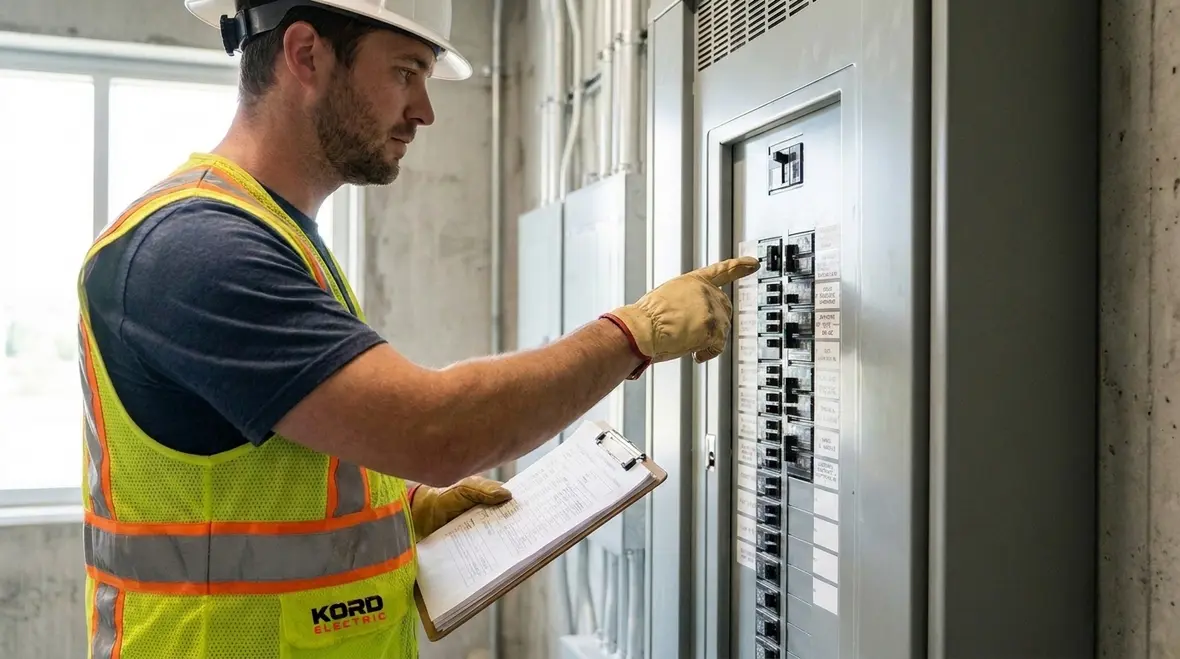
Section 240.16 does not just talk about ratings like they are trivia. Instead, it ties interruption performance to how protective devices react during a fault. When a short happens, the system must open the circuit fast enough and safely enough. Therefore, the interrupting rating sets the ceiling for the fault current the device can clear. If the device clearing ability does not match the available fault current, the electrical system can push the breaker into conditions where it fails to interrupt. And when that happens in commercial and industrial facilities, the consequences rarely stay small.
At this point, some teams treat interruption ratings like an insurance policy they never read. However, NFPA 70 expects this information to align with the electrical distribution design. As a result, a proper coordination study often becomes the difference between smooth operations and repeated nuisance events that turn every shutdown into a meeting everyone regrets.
Section 240.16 also supports the broader themes in the National Electrical Code: matching equipment to real-world conditions, preventing fire and shock hazards, and keeping protective devices within their tested performance envelope. If a breaker or fuse is only listed to clear a certain level of symmetrical fault current, installing it in a system that can deliver more than that amount does not just bend the rules—it can push the device into catastrophic failure territory. That is why Kord Electric treats those nameplate ratings as design boundaries, not “nice to know” numbers.
Available fault current vs. the interrupting ratings for breakers and fuses
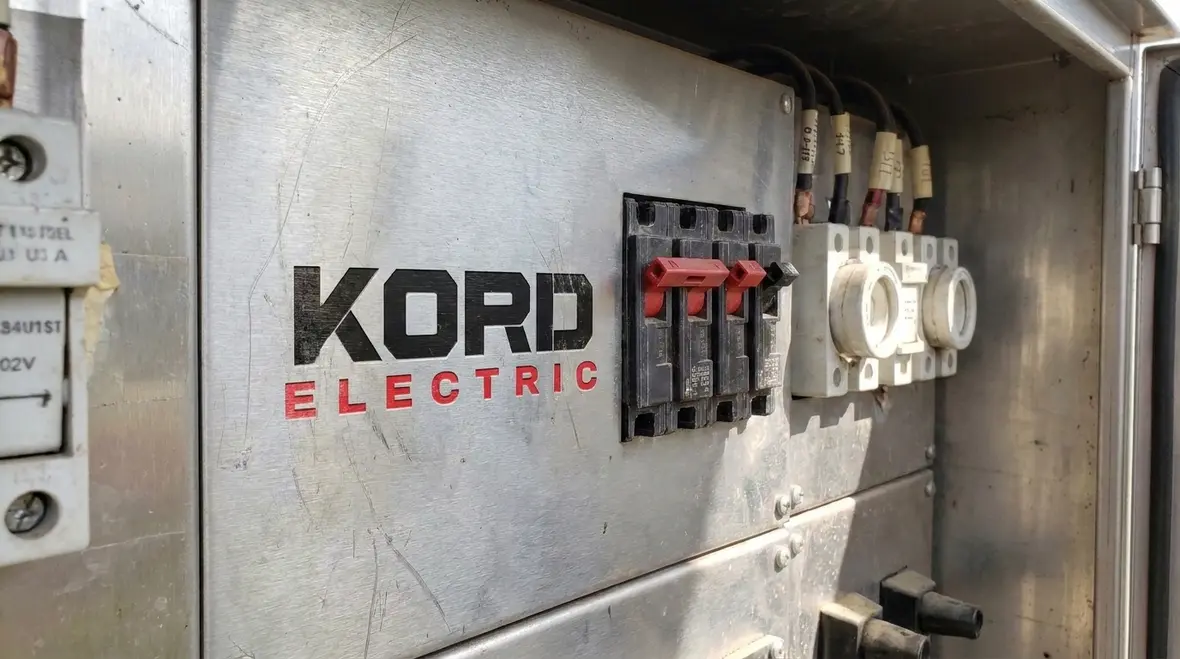
To apply Section 240.16, we start with available fault current calculations. Then, we compare that value against breaker or fuse interrupting ratings. In other words, we do not pick a device and hope it survives. Instead, we confirm that the protective device can clear the calculated current at the required voltage.
Now, our technicians and expert service staff explain the process in plain language, because the math can feel like watching a superhero movie where the “final battle” keeps changing scenes. Still, the logic stays steady. If the available fault current exceeds the interrupting rating, the protective device cannot be counted on for safe interruption. Therefore, the design team must select equipment with adequate interrupting capacity. This aligns with typical NEC intent across distribution systems, and it supports safer outcomes for major property buildings that rely on dependable power.
Additionally, we help clients avoid mismatches between upstream and downstream devices. Even when a single breaker seems sufficient, the total system behavior can differ based on wiring, transformer impedance, and utility source characteristics. So we focus on the full picture, not a lone component.
This fault current and interrupting rating pairing becomes especially important when facilities upgrade service capacity, add large mechanical loads, or connect new distributed energy resources. A transformer change, for example, can significantly increase available fault current at downstream gear. If nobody reviews whether existing breakers and fuses still meet NEC interrupting rating requirements after that change, the building can be left with devices that are no longer suitable for their duty. Our teams routinely walk sites specifically to catch those gaps before they show up as failures.
Using NEC learning resources to support interrupting rating decisions
Because interrupting ratings touch so many parts of a distribution system, we often guide facility managers toward broader NEC education. For a high-level reference on how NFPA 70 pulls these pieces together, Kord Electric maintains training content like Understanding NFPA 70: The National Electrical Code Explained For 2026, which explains why the code keeps circling back to safety, coordination, and clear documentation. That background helps decision makers understand why we press so hard on interrupting ratings when the project design starts to move quickly.
What the rule expects from the equipment listing and design selection
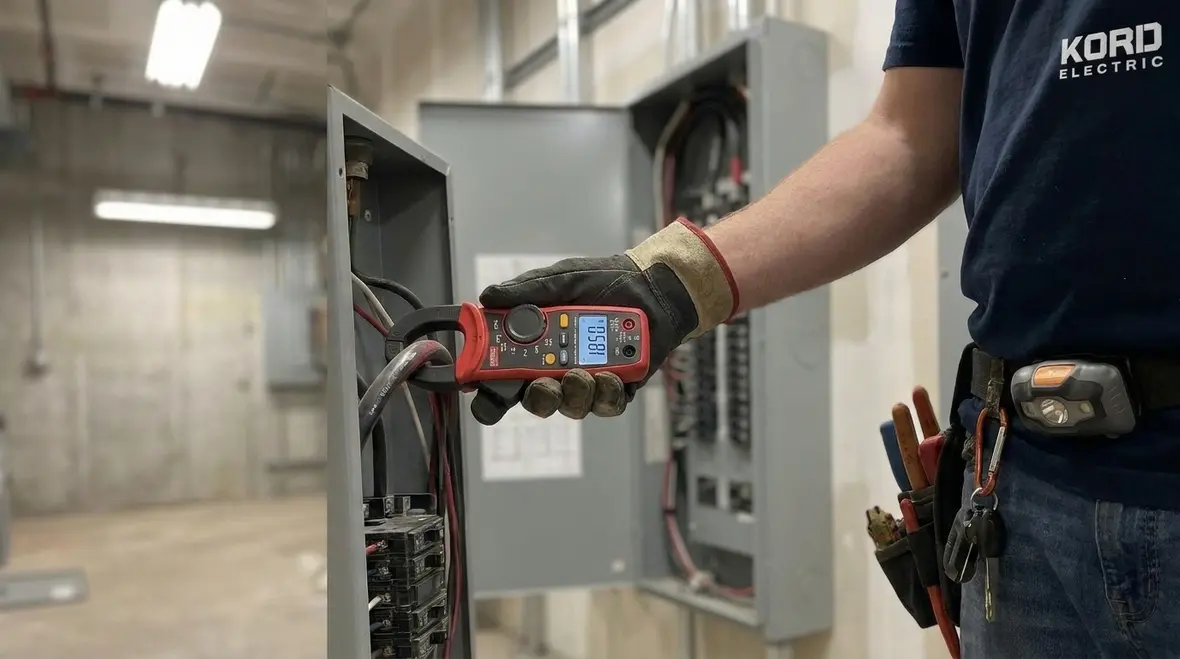
Equipment selection must match the ratings stated in the product listing, and the application must match the installation conditions. In practice, this means we verify that the breaker or fuse type fits the system configuration and clearing method. For example, we do not treat a fuse as interchangeable with a breaker without confirming ratings, time current behavior, and coordination needs.
At commercial and industrial facilities, we also consider maintenance realities. Breakers may get replaced over time, and fuses may get handled differently during operations. Consequently, the interrupting rating can drift away from what the system actually needs if teams swap parts without checking the underlying fault current design assumptions. Our expert service staff often sees this after upgrades, tenant improvements, or panel changes. When that happens, we help clients rebuild the safety case by reviewing the available fault current and matching it to the interrupting rating requirements for the updated lineup.
Why “like for like” replacements can still break NEC interrupting rating requirements
Many field changes happen under time pressure. A panel goes down, someone grabs a “similar” breaker or fuse from the truck, and operations come back online. The label might match on amperage, but the interrupting rating, voltage class, or series rating assumptions can be completely different. That is where NEC interrupting rating requirements quietly fall out of alignment.
Our teams help facilities document approved replacement parts, confirm listings and series combinations, and maintain a record of which breakers or fuses may be substituted safely. That way, when a 2 a.m. call comes in, the focus is not just “get something in the slot,” but “get something in the slot that matches the fault current and the listing details the system depends on.”
Coordination choices that protect power without creating nuisance trips
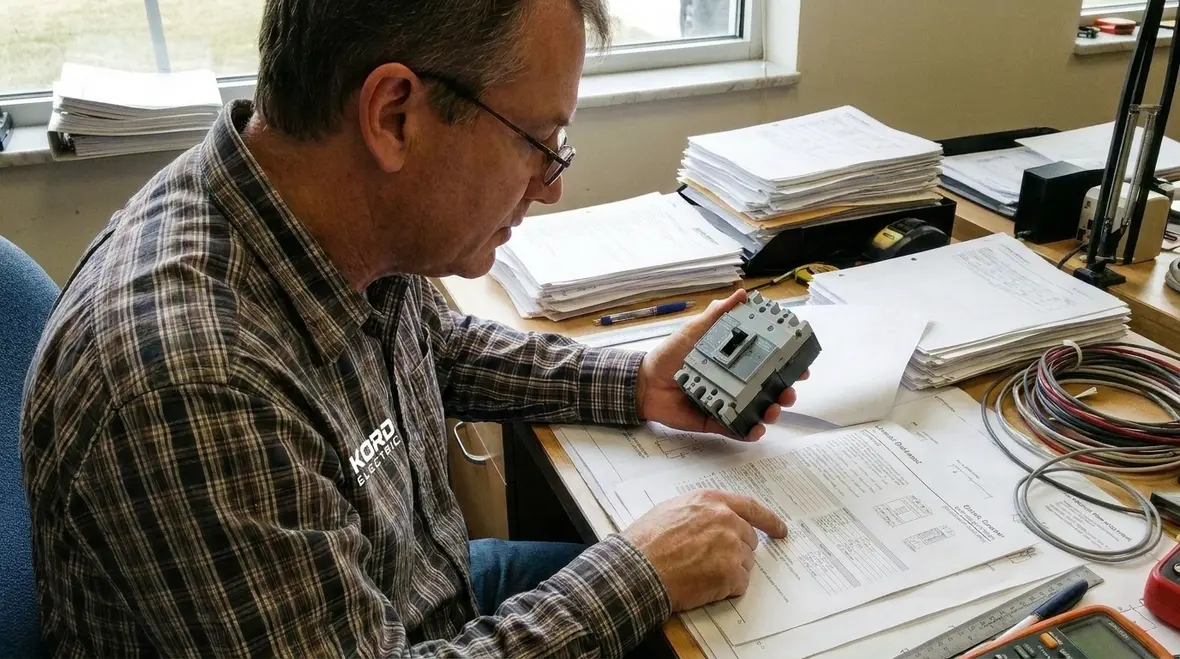
After matching interrupting capability, the next layer involves coordination. Coordination aims to ensure the correct protective device operates first, and the rest of the system stays energized. While interrupting rating sets the maximum clearing ability, coordination sets the expected sequence. Therefore, both parts must work together.
Many facility managers want “the breaker that never trips.” Unfortunately, electricity rarely signs a contract with anyone. Still, good coordination can reduce unnecessary outages. It can also improve safety by keeping fault clearing localized. In real buildings, we often see coordination improve after we verify the device type, verify the time current curves, and confirm that settings align with the calculated fault currents at each level.
Our technicians approach coordination as a practical workflow. First, we confirm the system study data. Then, we map protective devices through the one line diagram. Finally, we align device selection and settings so the system clears faults quickly while protecting sensitive equipment. For major property buildings, this matters because power interruption can affect elevators, HVAC controls, fire pump monitoring, lighting controls, and life safety systems.
How coordination and interrupting ratings show up in real commercial buildings
On a real site, you might see a main breaker with a high interrupting rating feeding multiple downstream panels. If coordination is done well, a fault on a branch circuit will trip the smallest, closest breaker, leaving upstream devices untouched. If coordination is ignored, a relatively small issue can darken half a floor, drop power to elevators, or take out a production line. NEC interrupting rating requirements set the guardrails, but coordination decisions determine how comfortable the ride feels inside those guardrails.
Common mistakes we see in commercial projects
Even experienced teams can miss details when deadlines get loud and meetings start multiplying like gremlins after midnight. Here are patterns we frequently see, especially in commercial and industrial environments:
- Selecting equipment based only on amperage while ignoring the interrupting performance.
- Changing upstream equipment like transformers or switchgear without rechecking fault current and interrupting rating match.
- Using replacement parts with different interrupting ratings than the original specified equipment.
- Assuming that “it worked before” means it still meets NFPA 70 requirements after modifications.
- Skipping coordination review and then dealing with nuisance trips that disrupt operations.
Because Kord Electric only serves commercial and industrial facilities and major property buildings, we build our process around real distribution systems and real uptime needs. We do not treat this like a one time paperwork task. Instead, we help clients keep their electrical infrastructure aligned with the NEC intent across ongoing building changes.
And yes, we know the internet offers plenty of generic advice. Still, the right answer depends on the actual fault current available, the voltage level, the device type, and the protection scheme. So our expert service staff explains those inputs clearly and then documents the reasoning so the building can move forward confidently.
Linking interrupting ratings to broader electrical planning
In many projects, interrupting ratings show up alongside larger design questions: how to structure distribution for expansion, how to support specialized equipment, and how to keep power stable during emergencies. That is why Kord Electric often connects these studies with broader planning efforts, like the strategies described in our Building Electrical System Design guides and related commercial-focused service resources. When interrupting ratings are checked as part of a bigger roadmap, they stop feeling like “one more code item” and start looking like the backbone of a reliable power plan.
How Kord Electric supports NEC compliance across the lifecycle
Code compliance should not stop after the inspection sticker. Therefore, Kord Electric supports clients across design reviews, equipment upgrades, and service checks. When the project starts, our technicians review the electrical distribution plan and help ensure interrupting rating alignment from the beginning. Then, during installation and later maintenance, we help clients avoid substitutions that quietly undercut safety.
On the operations side, we also help interpret what inspections typically look for and what documentation makes reviewers comfortable. For many facility teams, that reduces stress. It also prevents “surprise” conversations that show up after the work is done. Meanwhile, for clients who already invested in a code roadmap, our process supports consistent implementation across panels, switchboards, and protective devices.
If a client needs references to the NEC topics that drive these choices, we point them to the same educational resources we use to keep our team sharp. For example, we align our internal guidance with the NEC explanations available through our affiliated educational pages, including Kord Fire and related NEC focused references, and we incorporate those concepts into field-ready checklists.
Finally, we keep the conversation calm and clear. We might use a joke once in a while, because life is short and electrical faults do not care about anyone’s sense of humor. Still, we keep the goal steady: safe, code-aligned power systems for commercial and industrial customers.
Interrupting ratings as part of a regional service strategy
For commercial and industrial properties across Los Angeles County, NEC interrupting rating requirements are not just abstract code language—they show up in equipment replacements, capacity upgrades, and long-term maintenance planning. That is why Kord Electric ties these studies directly into our broader Los Angeles County electrical services for commercial and industrial facilities. When the same team that understands your fault current calculations also handles your upgrades, troubleshooting, and emergency calls, every breaker setting and every equipment choice fits into one coherent safety story instead of a stack of disconnected decisions.
FAQ: interrupting ratings and NFPA 70 Section 240.16
Conclusion: we help you get the interruption rating right the first time
When a commercial or industrial facility depends on stable power, we cannot treat NFPA 70 Section 240.16 like a checkbox. Kord Electric helps clients verify available fault current, match protective device interrupting ratings, and support coordination choices that protect equipment and reduce disruptions. Our technicians explain each step clearly, and our expert service staff documents the reasoning so teams feel confident during review. If you plan an upgrade or want a safety check, contact Kord Electric today and let us make the electrical system behave.
From early design reviews to late-night emergency calls, our team keeps NEC interrupting rating requirements in view so breakers and fuses are not just sized for normal operation, but are also prepared for the worst-case faults your system can deliver. Combined with our regional support for commercial and industrial buildings across Los Angeles County, that focus helps your facility stay safer, more reliable, and ready for inspections, tenant changes, and new equipment without scrambling at the last minute.


