
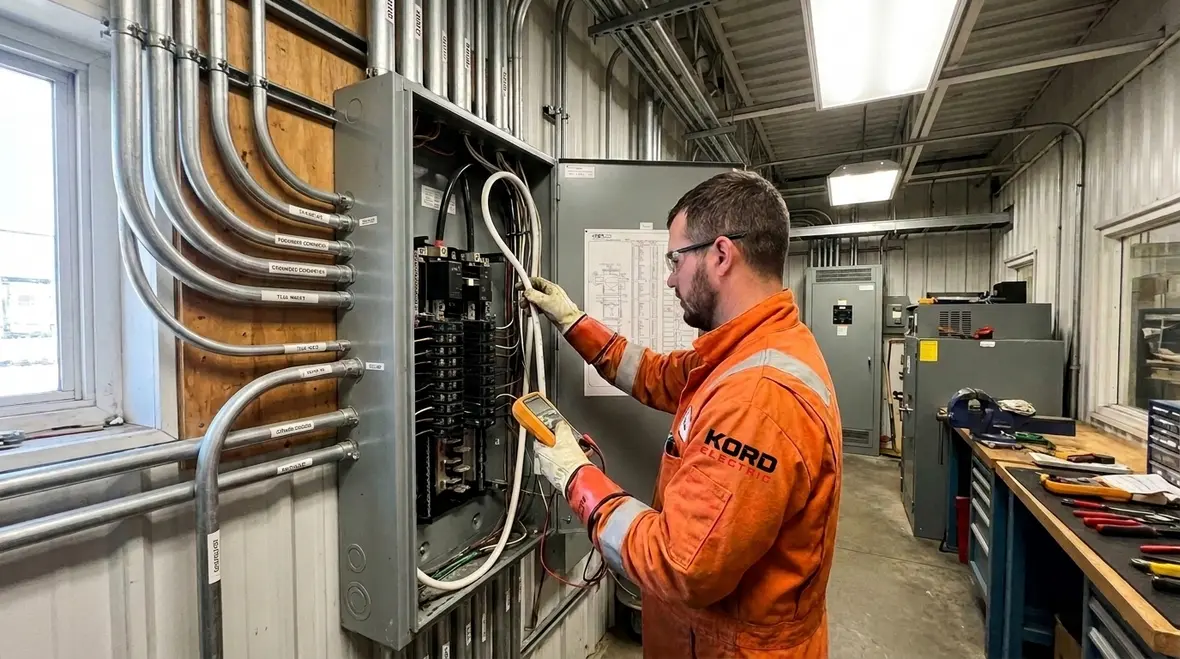
NEC 240.22 Grounded Conductor Overcurrent Protection
At Kord Electric, we take NEC grounded conductor overcurrent rules seriously, especially in commercial and industrial facilities where a “small” protection problem can become a major outage. NFPA 70 Section 240.22 sets grounded conductor overcurrent protection rules that help keep grounded conductors from overheating when faults happen. And yes, grounded conductors can overheat. Electricity does not care about your schedule, your budget, or whether your staff is already tired. It just keeps going until protection acts. That is why our team walks customers through the logic, the limits, and the safe ways to apply protection. In this article, we explain what 240.22 requires, how technicians apply it in real systems, and how you can reduce risk without turning every project into a science fair.
NFPA 70 240.22 and why grounded conductor protection exists
NFPA 70 Section 240.22 addresses a simple but often missed truth: the grounded conductor can carry current and, in certain conditions, that current can rise high enough to cause heat. Therefore, the code adds rules so grounded conductors receive proper overcurrent protection when conditions are met. To put it plainly, the grounded conductor is not “just a return wire.” In many commercial and industrial setups, it can experience current from phase unbalance, neutral current in non linear loads, and fault paths through equipment.
However, the code does not treat every grounded conductor the same. Instead, 240.22 focuses on when a grounded conductor must be protected and when protection can be omitted. Consequently, installers must match the protection to the system design rather than rely on guesswork. And because our customers run critical operations, we explain this with clear, job site language, not vague textbook lines.
Where the grounded conductor overcurrent rules show up in real builds
Commercial and industrial facilities rarely use a single, clean load. They use a mix. Thus, the grounded conductor can see current patterns that change when systems start and stop. For example, variable frequency drives, LED lighting with drivers, UPS systems, and rectifiers can create current that does not behave like older, simple loads. In addition, equipment damage can occur if a fault returns through a path that the design did not protect.
When we assign service and design support, our technicians look at the distribution plan and ask what the grounded conductor will actually do. Then we connect that to how the overcurrent device will react. In other words, we treat 240.22 as a system rule, not a box to check. To help our partners, we also align our guidance with the broader NEC approach covered in Kord Electric and Kord Fire resources, so electrical protection stays consistent from panel to final connection. For a deeper code overview, many facility teams also review our article Understanding NFPA 70: The National Electrical Code Explained for 2026 so they can see how 240.22 fits into the bigger NEC picture.
Now, if you are thinking, “This sounds like neutral problems again,” you are not wrong. It is neutral, grounded conductor, and return current problems. Electricity has a flair for drama, and grounded conductors often end up in the starring role.
How 240.22 decides when you need grounded conductor overcurrent protection
Section 240.22 sets conditions under which the grounded conductor requires overcurrent protection. While the exact details depend on system layout and type of wiring, the key idea stays the same: if the grounded conductor can carry more than it should under fault or abnormal operation, then protection rules apply.
Therefore, installers must evaluate both the wiring method and the power source arrangement. They also must consider whether the grounded conductor shares a raceway, is part of a multiwire circuit, or serves equipment that can create abnormal neutral current. In some cases, the code allows omission of overcurrent devices on grounded conductors. In other cases, it requires them.
In our expert service work, we see the common failure pattern. Someone sizes conductors for current but assumes the grounded conductor will never see dangerous current. Then, later, the facility adds loads, upgrades drives, or changes operating patterns. As a result, a grounded conductor that once behaved normally can begin to see higher current. At that moment, protection may no longer match reality.
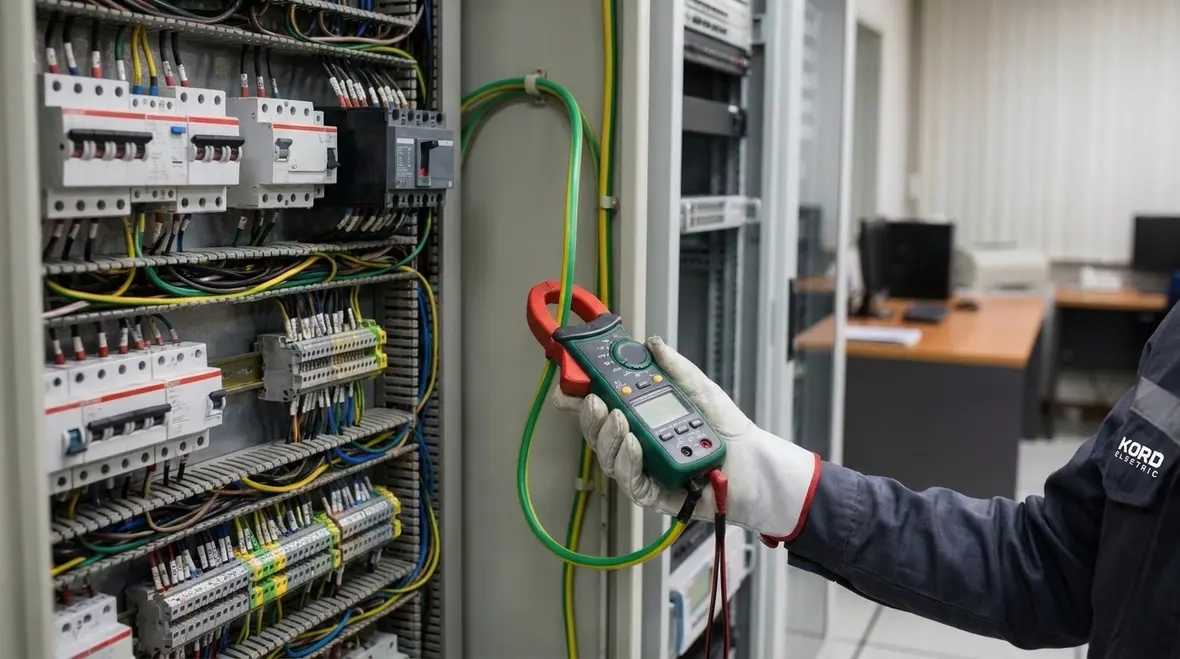
Our technicians help customers avoid that trap. First, we confirm the design basis. Next, we review the grounded conductor function across the panels and feeders. Finally, we verify that the device ratings and coordination meet 240.22 needs and match how the facility actually operates.
Sizing, devices, and coordination for grounded conductor protection
Once a facility needs grounded conductor overcurrent protection, sizing and coordination must follow the NEC method. That means the overcurrent device selection cannot be random. It also cannot be “close enough.” The device has to react within safe limits so conductor temperature stays controlled, and equipment stays protected.
For grounded conductor circuits, our team pays close attention to the relationship between the phase overcurrent device and the grounded conductor device. Then we check how current might flow during abnormal conditions. After that, we verify that the protection device settings do not create unwanted trip behavior during normal operation, especially in systems where downtime is expensive.
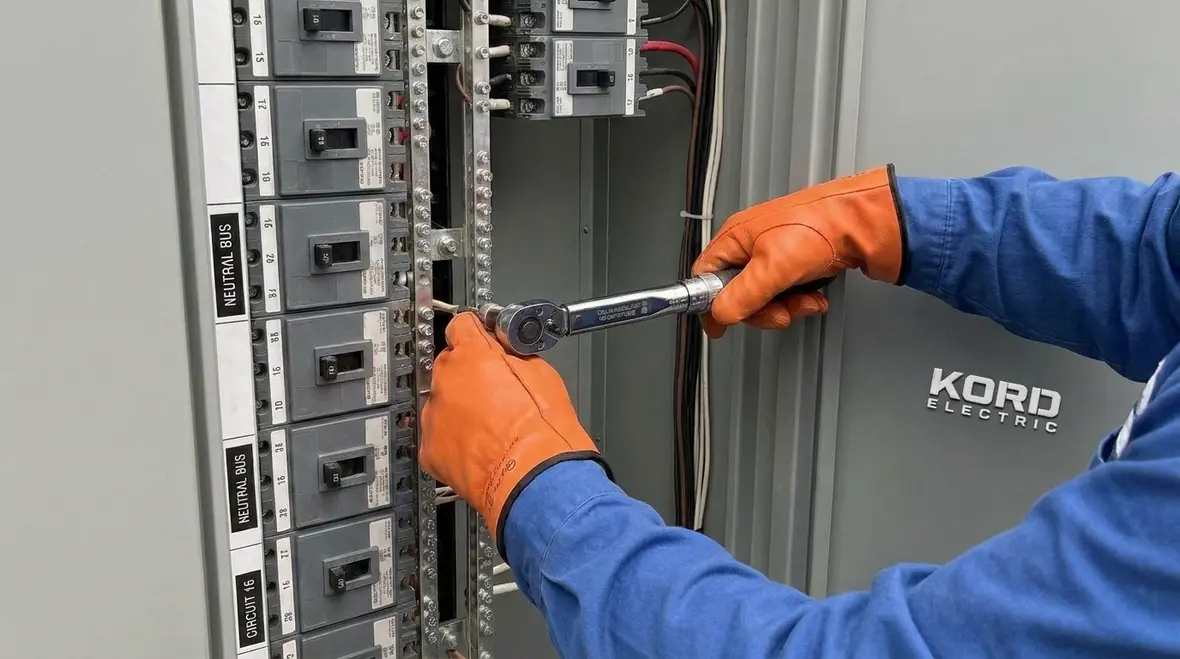
Transitioning from design to install matters too. A correct plan can fail if conductors get miswired, terminations loosen over time, or installation practices damage insulation. Consequently, we emphasize consistent termination practices, torque verification, and clear labeling for commercial and industrial panels. When customers ask us to explain why we do it, we tell them in plain terms: loose terminations create heat, heat creates failure, and failure creates the kind of call nobody wants after hours.
Common mistakes we see in commercial and industrial projects
We work on major property buildings and mission critical environments, and we still see repeat issues. Not because people try to do wrong. Mostly, it happens because projects move fast, and the grounded conductor details get treated like fine print.
- Protection mismatch: the phase device protects phases, but the grounded conductor device is missing or not aligned with 240.22 conditions.
- Over time load changes: new production lines, new drives, or lighting retrofits shift grounded conductor current levels.
- Device rating confusion: installers select devices without fully linking the rating to the actual grounded conductor role in the circuit.
- Termination risk: poor connections raise resistance. Then, even correct protection can get undermined by heat buildup.
Additionally, some teams follow a “typical layout” assumption. However, NEC requirements depend on the system details, not the vibe of the last job. Our technicians explain the rationale so the next design decision stays informed, not guessed. And if you think that is overkill, remember: overkill is what you call “extra safety” right up until the moment you need it.
Coordination with other NEC topics and related fire and life safety systems
Grounded conductor overcurrent rules do not live alone. They interact with other NEC protection logic across the building. Therefore, we consider how the grounded conductor protection plan fits with the rest of the electrical system design and emergency needs.
In commercial and industrial facilities, fire pumps and life safety loads often sit inside the bigger electrical architecture. Since safety systems must remain reliable, we treat coordination seriously. That is why we align our electrical protection planning with the same careful mindset seen in fire pump guidance organizations and fire related resources, including firepumps.org. While 240.22 focuses on grounded conductors, the overall strategy must keep fault conditions from cascading into wider equipment problems.
When facilities ask for integrated support, Kord Electric works as part of the full project team. We explain how grounded conductor protection supports stable operation, and we coordinate with electricians, engineers, and facility managers. In this way, a building does not just meet a code checklist. It protects people, equipment, and production.
FAQ for NEC grounded conductor overcurrent
Get the grounded conductor plan right with Kord Electric
If you operate a commercial or industrial facility, you deserve electrical protection that matches how your building actually runs. Kord Electric brings expert service staff and experienced technicians to review your grounded conductor overcurrent approach under NFPA 70 Section 240.22. Then we help you size, coordinate, and verify protection in a way that reduces risk and avoids surprise downtime.
For facilities that want a broader strategy around design and uptime, our data-driven electrical design for commercial and industrial facilities article shows how grounded conductor decisions fit into bigger reliability planning. And when you are ready to turn that planning into field work across your building, our Los Angeles County electrical services team can support everything from code-focused upgrades to coordinated maintenance.
Contact Kord Electric today and we will walk your team through the details, clearly and calmly, so your power system stays reliable when it has to.


