
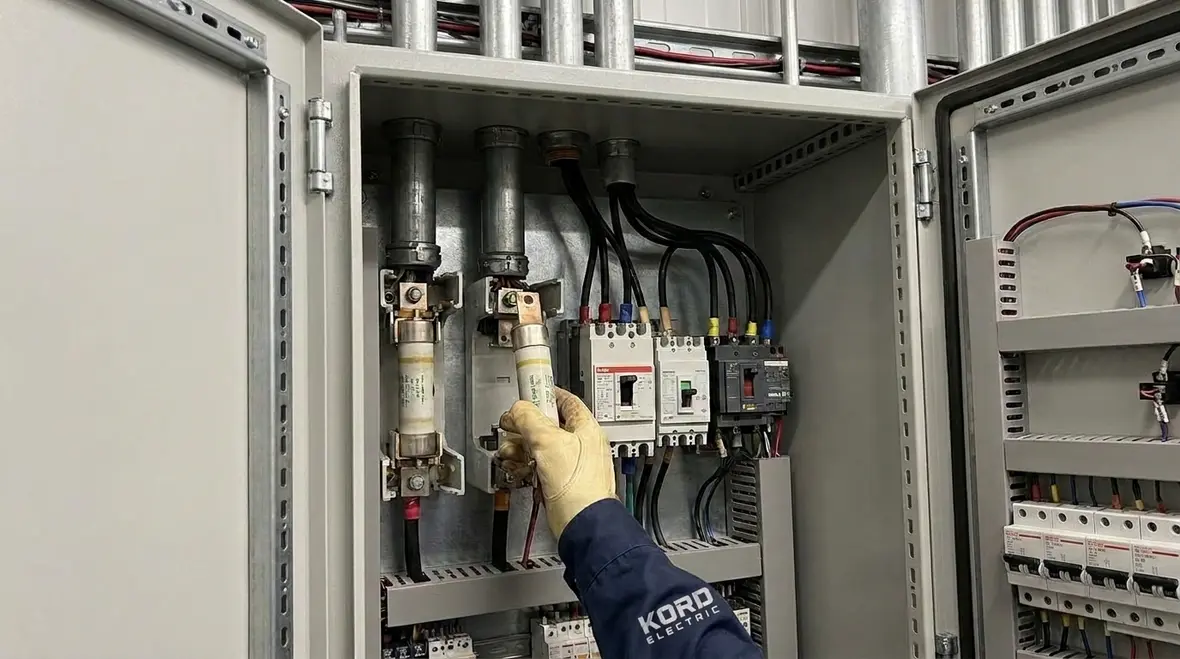
NFPA 70 Section 240.30 NEC Fuse General Requirements
Kord Electric knows that when a facility runs on power, safety cannot be a “someday” project. That is why we treat NFPA 70 Section 240.30 with real respect, especially the NEC fuse general requirements that govern how fuses must be set up and used. In the first place, these rules focus on how fuses should be sized, installed, and protected so the electrical system responds in a predictable way during faults. Next, we make sure the equipment and conductors stay in step with the fuse protection strategy, not like a band where nobody reads the sheet music. Then, our expert service staff explains it plainly, because compliance should never feel like legal fine print written in fog.
If you want a deeper code walk-through to pair with the fuse discussion, you can also review our related resource Understanding NFPA 70: The National Electrical Code Explained for 2026, which connects the broader NEC structure to real-world protection decisions.
What NFPA 70 Section 240.30 requires for fuses
NFPA 70 Section 240.30 lays out general rules for fuses used in electrical distribution. In practice, it tells us how the fuse element and its mounting work together so overcurrent protection behaves as intended. Even when the facility has modern switchgear or a complex feeder network, this section still matters because it drives baseline expectations for fuse use.
At Kord Electric, we guide commercial and industrial facilities and major property buildings through the “why,” not just the “what.” Our technicians review the application and confirm the fuse setup aligns with the circuit design. Then, we verify the arrangement supports safe interruption during overload and fault conditions. If a building owner thinks, “We will just replace fuses with whatever fits,” we politely remind them that electricity does not care about good intentions.
Also, the NEC fuse general requirements connect to other parts of the code. So, we treat 240.30 like a foundation, then we build the rest of the protection plan on top. That means coordination, ratings, and installation details must make sense as one system, not as separate guesses.
Fuse ratings and how they match the circuit
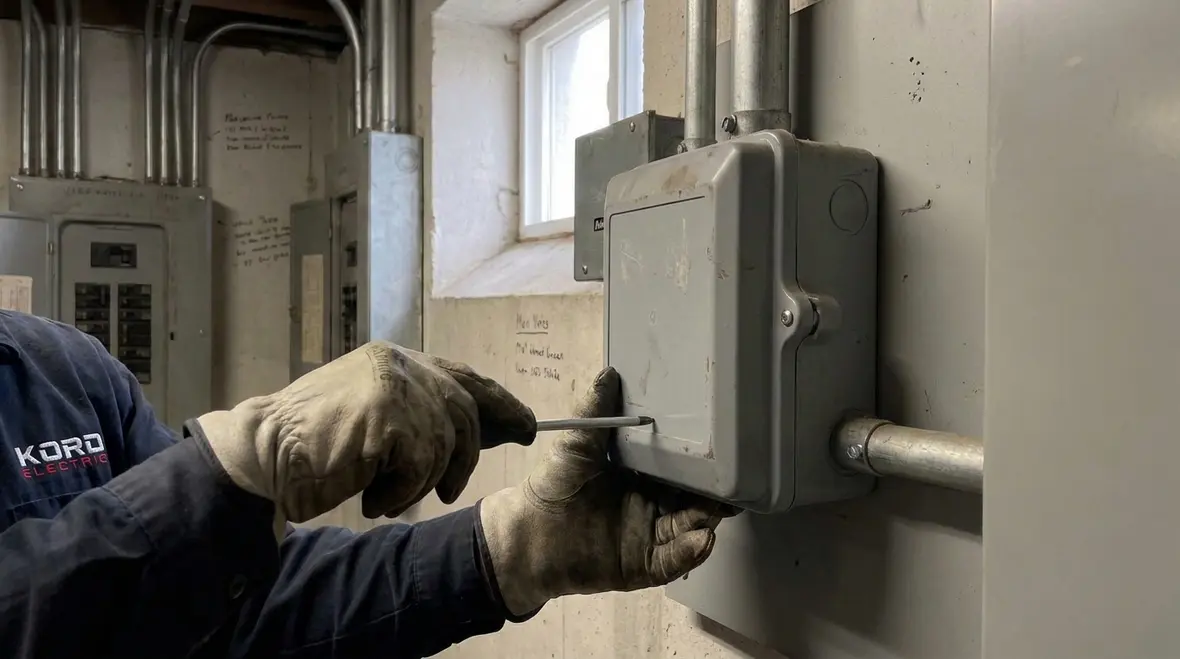
One key theme in this area is matching fuse ratings to the circuit they protect. First, we check that the fuse is appropriate for the conductor and the load it serves. Then, we verify the fuse rating supports the system’s protective goals, including fault clearing. When the wrong fuse rating gets installed, the system can either fail to protect properly or clear too often. And yes, that “too often” issue can turn into maintenance calls that keep arriving like bad pop-up ads.
Our expert service staff often explains that a fuse is not just a part, it is a decision. It decides how the circuit will respond under stress. Therefore, we confirm that the fuse’s interrupting rating and overall configuration keep the risk under control. For commercial and industrial facilities, that step matters because downtime costs money and safety incidents cost far more than time.
Installation practices that support NEC fuse general requirements
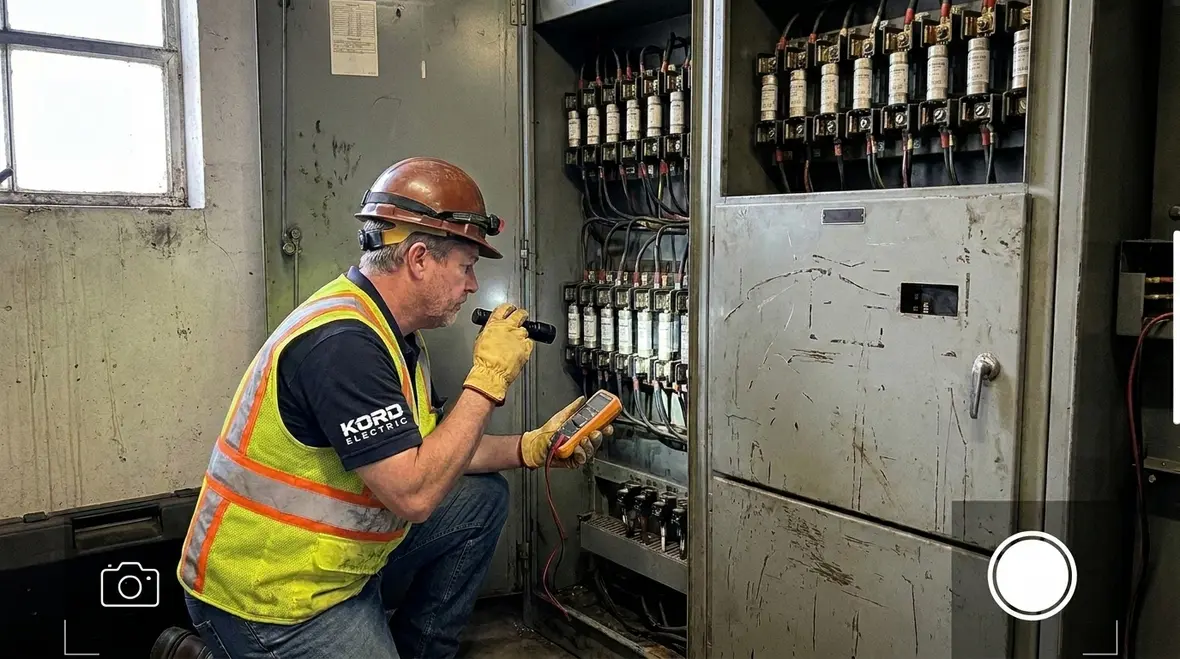
After ratings, installation practices take the stage. Section 240.30 addresses general rules that affect how fuses operate in the field. Specifically, we ensure fuseholders, enclosures, and mounting methods support the fuse’s intended use. In addition, we confirm that the fuse is installed correctly for the equipment it serves. When someone swaps a component without following the original design, the protection scheme can break down.
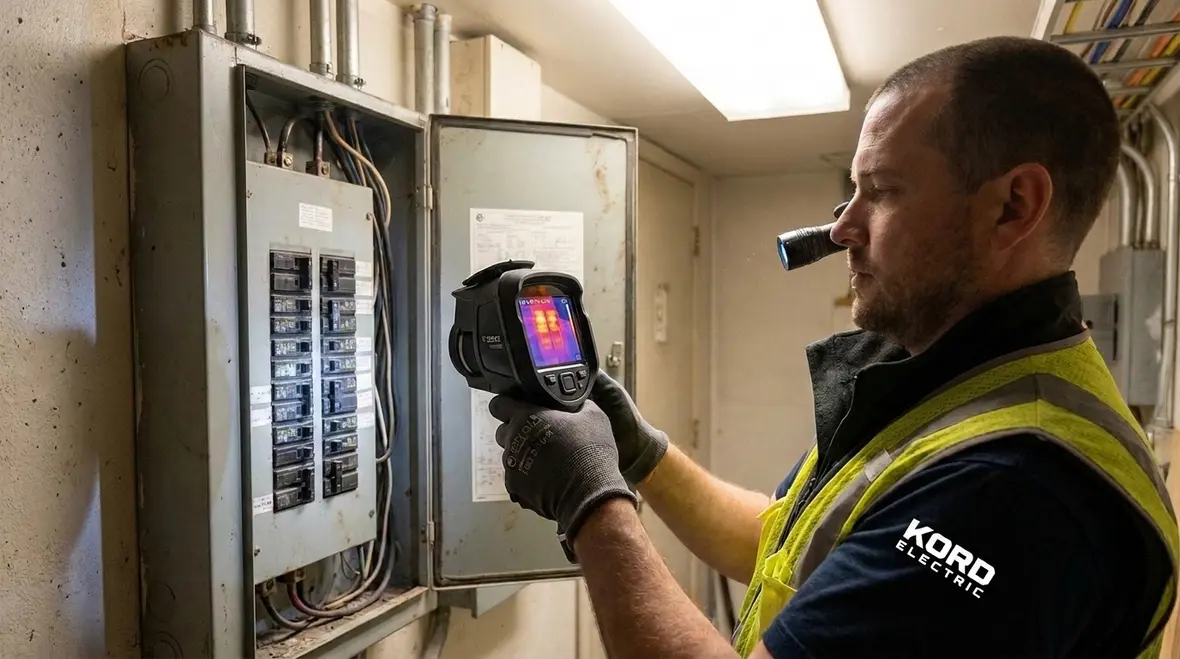
Kord Electric handles installations and upgrades with a focus on real-world stability. Our technicians inspect physical fit, proper connection points, and the ability of the fuse system to clear faults safely. Furthermore, we look at how the fuse setup interacts with the rest of the distribution gear. In many major property buildings, the path from service to branch circuits involves multiple layers. So, we treat fuse installation as part of a connected chain.
We also verify labeling and access. Clear identification helps facility staff respond fast during abnormal conditions. And while nobody wants to talk about emergency response during a normal day, we still plan for it, because Murphy’s Law loves offices, malls, warehouses, and anything with a loading dock.
Protecting conductors and equipment during faults
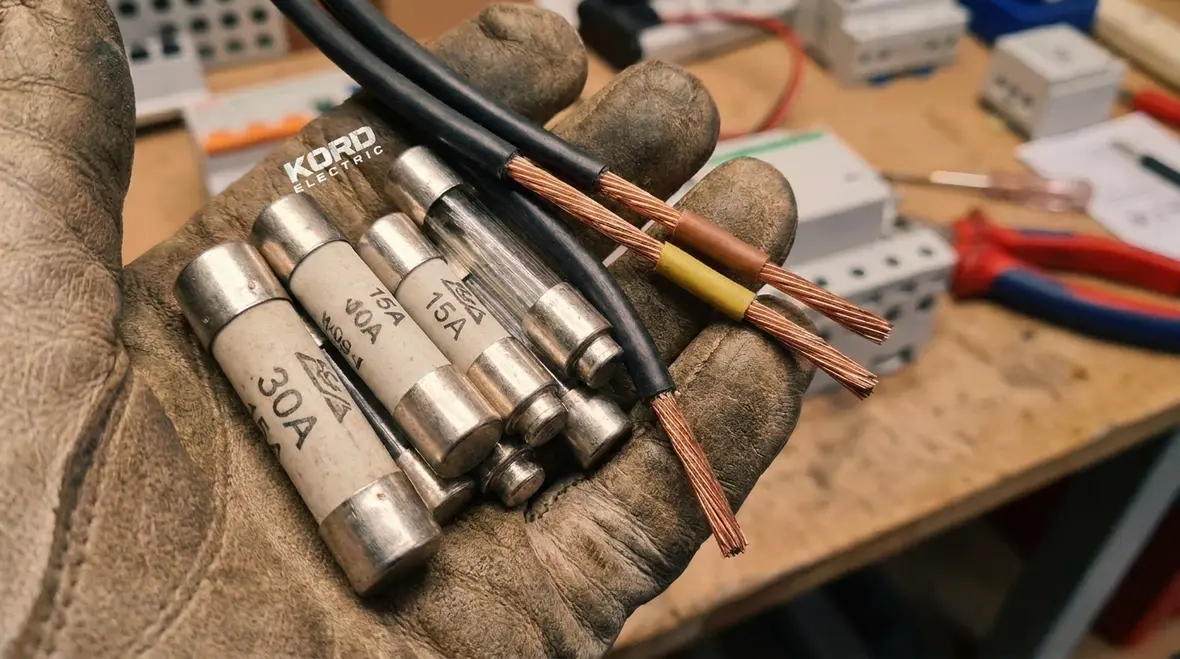
Faults can come from insulation breakdown, mechanical damage, moisture, or equipment aging. When that happens, the fuse must clear the fault safely so conductors do not overheat and equipment does not suffer unnecessary damage. This is where NEC fuse general requirements connect to the broader intent of the code: reduce harm, limit fire risk, and keep the system coordinated.
At Kord Electric, we focus on how fuses protect conductors and equipment as a pair. First, we consider the conductor insulation rating and installation method. Then, we match the fuse behavior to the circuit design. After that, we confirm the distribution equipment can handle the fault environment without dangerous outcomes.
For commercial and industrial facilities, we also account for operational realities. For example, some buildings run critical processes that cannot tolerate long outages. Therefore, we help teams plan protection so fault clearing happens fast without causing unnecessary shutdowns. Our technicians explain the difference between a fuse that clears a true fault and one that clears too easily. Then, we adjust the design or replacement strategy so the protection does what it is supposed to do.
Coordination and selectivity in major property buildings
When a facility has multiple protective devices, coordination becomes the difference between controlled clearing and chaos. Selectivity aims to ensure the fuse or protective device closest to the fault clears it, while upstream devices remain in service. In other words, the rest of the building should not go dark just because one circuit sneezed.
Because many major property buildings use layered distribution, we treat coordination as a planning step, not an afterthought. Our expert service staff reviews the protection levels and confirms the fuse system matches the time current behavior expected in the arrangement. Then, we check how the upstream and downstream devices interact.
Here is how we keep it practical. We help owners and facility managers understand what changes when coordination improves: fewer nuisance trips, faster restoration, and reduced wear on other components. Also, because many systems share loads across floors or zones, coordination supports operational stability during abnormal conditions.
How Kord Electric keeps fuse work compliant and clear
Code compliance only matters if it survives the real world. That is why we blend NFPA 70 knowledge with careful field execution. Our technicians work in the commercial and industrial space where electrical systems need to perform every day, not just on paper.
When a facility needs fuse related design support or upgrades, we do not drop a stack of code references and walk away. Instead, we explain what NFPA 70 Section 240.30 means for their specific equipment and circuit plan. Then, we document what we verified and what we changed.
To show how the process fits together, Kord Electric uses a simple internal flow for many projects:
| Step | What we do |
| Review | We inspect existing distribution, identify fuse locations, and note ratings and equipment constraints. |
| Match | We confirm the NEC fuse general requirements align with circuit design and conductor protection goals. |
| Verify | We check installation quality, fuseholder compatibility, and fault clearing expectations. |
| Explain | We walk staff through what to expect during abnormal events and how to respond safely. |
And yes, we also answer the questions people do not ask out loud, like, “Will this replacement keep us out of trouble, or will it haunt us at 2 a.m.?” Our goal is simple: make the system safe, dependable, and understandable.
Common mistakes we see during fuse upgrades
Even when teams mean well, fuse related errors can creep in. First, some facilities replace fuses with incorrect ratings because the label looks close enough. Second, people install fuses without confirming the fuseholder and equipment compatibility. Third, they ignore the coordination impact on upstream protection devices.
We also see issues when building changes occur over time. A commercial site adds new equipment, expands production, or rebalances loads. Then the original protection plan starts working less cleanly. If the fuse system stays “as it was,” the circuits can drift into new risk patterns.
Our technicians help teams spot these problems early. We focus on the details that matter, like how the fuse arrangement behaves during faults and whether the installation supports safe interruption. Then, we recommend a corrective path that fits the facility schedule. Because a smart compliance fix works with operations, not against them.
FAQ: NFPA 70 fuse basics for commercial and industrial sites
Choosing qualified help for NEC fuse general requirements
For fuse work in commercial and industrial facilities, we strongly recommend working with experienced electrical professionals. When Kord Electric handles the job, our expert service staff explains each decision and documents what supports safe performance. We understand major property building needs, including coordinated protection across distribution layers. And because electrical code is updated and interpreted in real projects, we keep our approach current, practical, and aligned with NFPA 70 intent.
If you want fewer nuisance outages and stronger fault safety, our team can also connect fuse planning with broader code-focused resources such as our guides on how to read NFPA 70 effectively and project-specific consulting for renovations and upgrades. This way, NEC fuse general requirements become part of a complete, documented safety strategy instead of a one-time fix.
Contact Kord Electric for compliant fuse and protection support
If your facility plans a fuse upgrade, a distribution change, or a compliance review, Kord Electric can help you move with confidence. Our technicians verify NEC fuse general requirements in the context of your specific equipment and circuit design, then we explain the results in plain business language. We support commercial and industrial sites and major property buildings with careful workmanship and calm, clear guidance. Call Kord Electric or request service today, and let us keep your power system steady when it matters most.
For facilities in Southern California and surrounding regions, our Los Angeles County electrical services overview shows how fuse evaluations, overcurrent protection coordination, and broader NEC compliance checks can be integrated into a single, well-planned project scope.
When you are ready to align fuse protection with the rest of your electrical system, Kord Electric can help you review NFPA 70 Section 240.30, update documentation, and complete field work in a way that keeps inspections, operations, and long-term safety pointed in the same direction.


