
NEC Load Management Rules Explained by NFPA 70 130.30
NEC load management rules explained for safer commercial power
When we talk about NFPA 70 Section 130.30, we are really talking about how to keep electrical systems stable when demand climbs. In our NEC load management rules explained approach, we help facilities plan load so breakers, transformers, feeders, and services stay within safe limits and code intent. That means others cannot simply “hope it works” after new equipment arrives. Instead, we follow structured load management so capacity is counted the right way, and future growth gets handled with less drama.
To be clear, this is not a game of electrical Jenga. It is more like accounting, but with fuses.
What NFPA 70 Section 130.30 actually controls

NFPA 70 Section 130.30 focuses on load management rules for certain wiring and electrical equipment arrangements, especially where demand increases can stress service capacity. In practical terms, we use these rules to decide how loads are evaluated and how facilities can operate without exceeding what the system can safely deliver.
To keep it calm, our expert service staff explains it like this: you do not just measure “what is installed.” You also consider “what will run” at the same time, and under what conditions. Then you plan electrical capacity so the system does not drift into overload territory during normal operations.
Many commercial and industrial buildings face exactly that risk. New HVAC units, production lines, vehicle chargers, or energy management upgrades can quietly change load profiles. However, Section 130.30 forces clearer thinking. As a result, electricians and facility managers can communicate with less confusion and fewer costly surprises.
Demand, capacity, and why the building must “tell the truth”
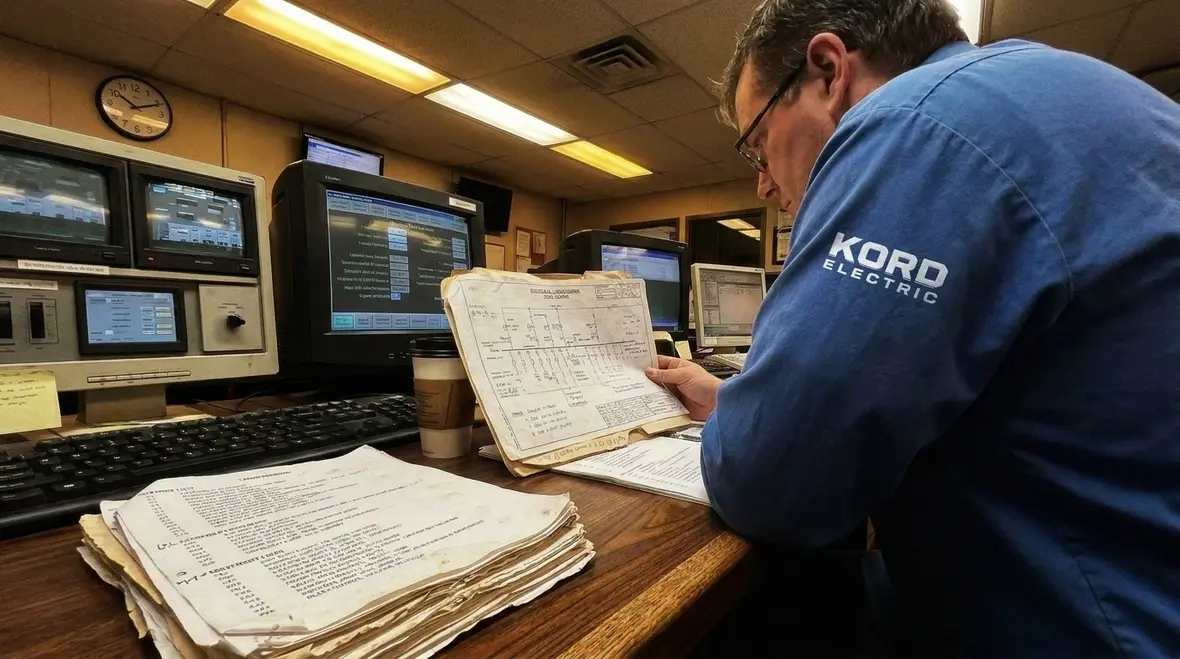
Electrical load is not static. Over time, others add equipment, run more shifts, or change production schedules. Therefore, the facility must “tell the truth” about operating reality. We guide our clients to document connected loads, identify likely operating patterns, and separate what is truly simultaneous from what happens at different times.
Here is the part many people try to wing. They assume peak demand lines up neatly with their paperwork. In reality, a building may seem stable until a summer heat wave hits, or a production line restarts after maintenance. Then demand stacks up like a line at a food truck that nobody planned for.
By applying the NEC load management rules explained logic, we help confirm that service equipment and feeders can handle the expected demand. Moreover, we help you avoid the trap of oversizing everything “just in case,” which can waste money and delay projects.
How we interpret the rules in the field
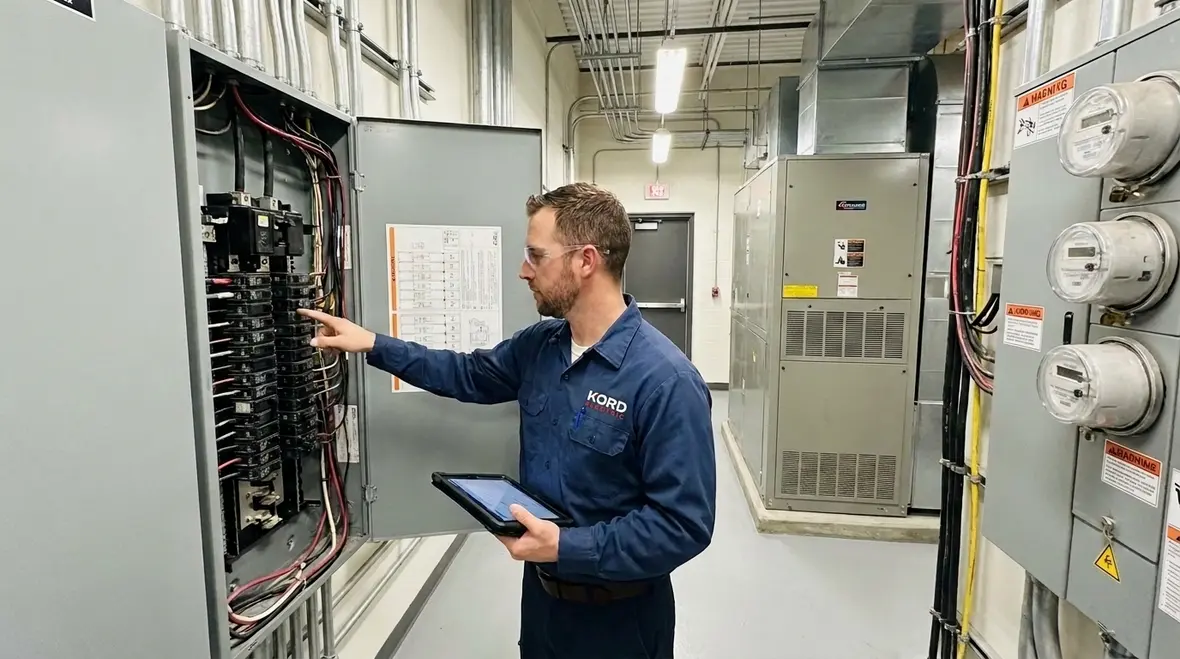
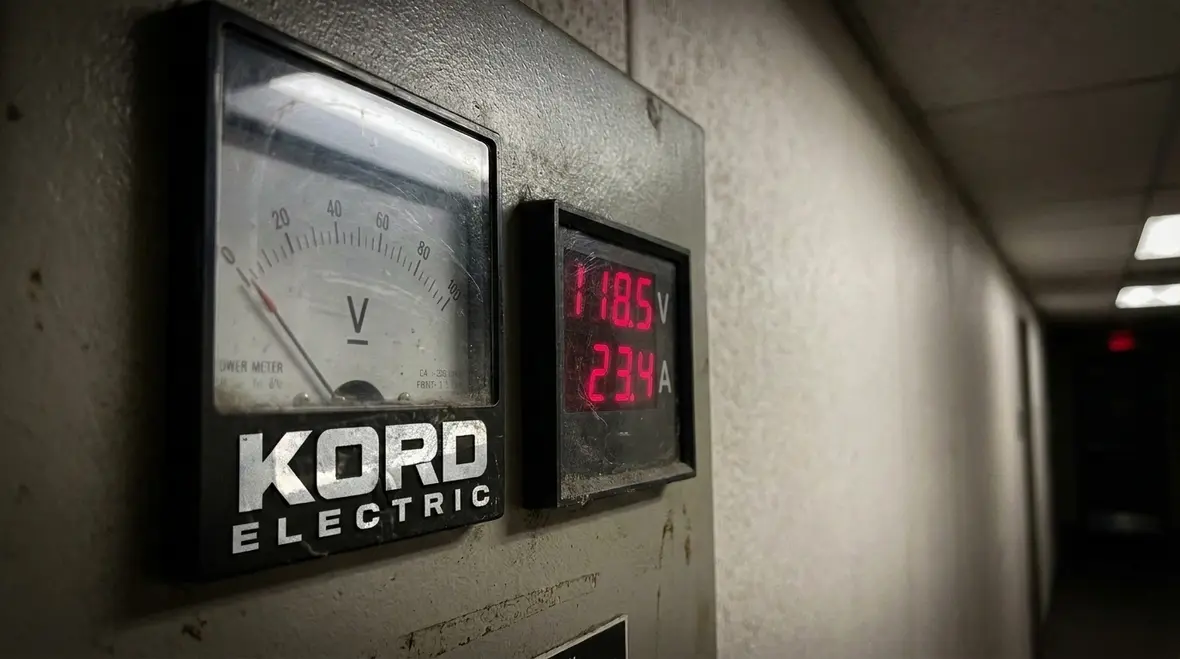
We do not treat Section 130.30 like a distant textbook concept. Our technicians apply it during design review, upgrades, and load studies for commercial and industrial facilities and major property buildings. First, we gather the site details that matter: service rating, transformer information, feeder paths, disconnects, panel schedules, and any existing metering or control strategy.
Next, we map equipment categories and operating modes. Then we verify whether any load management method, control approach, or evaluation method fits the code intent for the scenario. Finally, we coordinate with the electrical design team and facility leadership so the plan matches the building’s actual behavior.
Our expert service staff explains each step in plain language, so facility teams understand what we are doing and why. And yes, we sometimes make jokes, because nothing makes a compliance conversation feel less like a bedtime story. If you have ever seen a stack of load calculations and thought, “I should have stayed home,” we get it. Our job is to turn that stack into a plan you can defend.
Load management systems that stay reliable under real operations
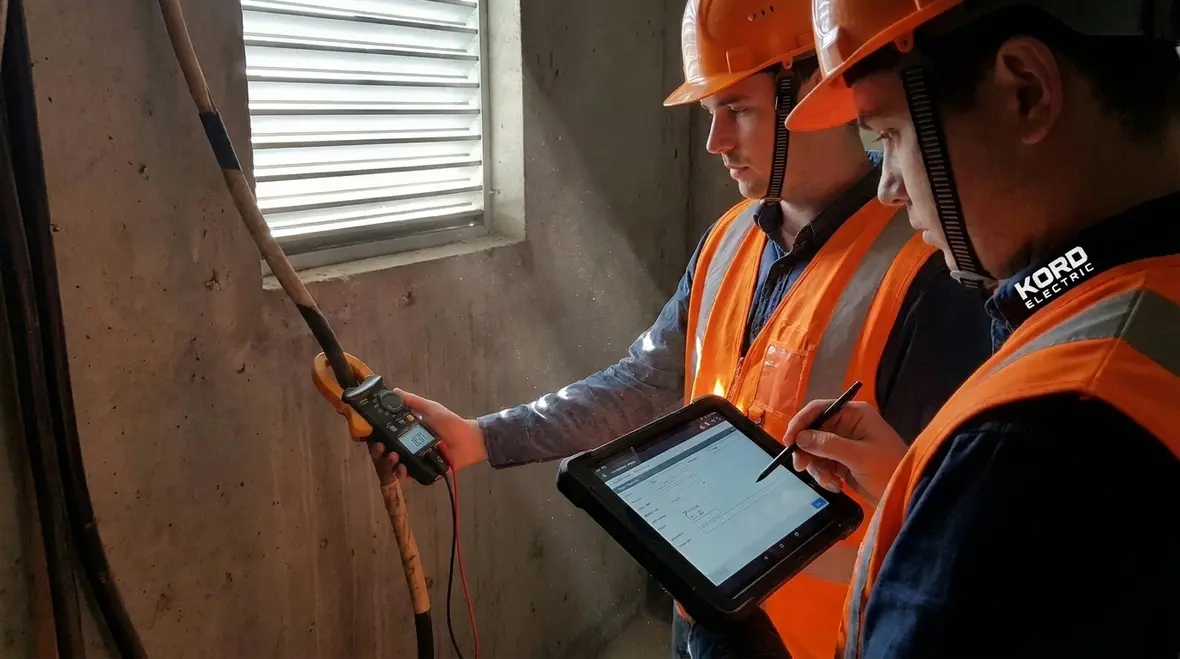
Some facilities rely on control logic to manage loads. That can work well when it is engineered correctly and maintained over time. However, load management is not only about code references. It is about dependable operation day after day. Therefore, we look at the whole system, including how controls sense demand, how they shed load, and how the building returns to normal operation.
In a commercial or industrial setting, the “real operation” part matters most. A facility may run scheduled equipment all day, but certain loads might cycle during production changeovers. As a result, the control system must respond in a predictable way, not in a way that causes brownouts, trips, or staff headaches.
We often recommend that clients pair load management with clear labeling, documentation, and maintenance checks. After all, even the best design fails if nobody updates it after equipment changes. If you add a new chiller or replace a motor, the load story changes. Then your controls should reflect that new reality too.
When our technicians review existing setups, we focus on how the system behaves during transitions, not only during normal steady-state operation.
Common mistakes we see during commercial upgrades
We regularly encounter repeating issues when facilities grow or renovate. And while mistakes happen, we can prevent many of them with better planning and clearer coordination.
First, some teams evaluate connected load but ignore actual operating patterns. They treat everything like it runs at once. That assumption can lead to miscalculations and strained capacity.
Second, others update equipment without updating electrical documentation. Then the next contractor shows up and nobody knows what changed, when it changed, or how it affects demand.
Third, some facilities assume their current service is “probably fine.” Probable is not a code method. We show clients how to make decisions based on the right evaluation process and the NEC load management rules explained intent.
Finally, teams sometimes skip coordination with metering and control equipment. If the monitoring does not reflect the loads that matter, the management strategy becomes guesswork. Guesswork is the enemy of smooth operations, and it usually picks the worst moment to show up.
Where Kord Electric fits for major properties and industrial clients
Kord Electric supports commercial and industrial facilities and major property buildings, because those projects need both technical depth and practical communication. We help owners and teams apply code requirements without losing sight of uptime, budgets, and phased construction.
During service upgrades and capacity planning, we bring experienced technicians who explain what they find and how the solution supports your operations. We also coordinate with stakeholders so the electrical approach matches the building schedule, tenant needs, and long-term growth plans.
For clients who need additional context on the National Electrical Code and related planning, we also reference guidance and resources connected to NEC topics from our broader KordFire resources and fire and safety education efforts, including articles like Understanding NFPA 70: The National Electrical Code Explained for 2026. We do this to ensure the electrical approach stays aligned with safe outcomes for the building and its occupants. When building teams search resources like KordFire in Australia, they often want clarity. We offer that clarity, too, while keeping the focus on code-aligned electrical load planning.
And yes, if you are thinking, “Is this really necessary?” our answer is simple. When power capacity is wrong, operations get interrupted. When load management is wrong, systems get stressed. In both cases, the cost arrives later, with interest.
For facilities in Southern California that need hands-on help aligning projects with NEC load management expectations, our Los Angeles County electrical services team applies this same approach across upgrades, new installations, and long-range planning.
FAQ: NEC load management rules explained
Conclusion and call to action
When your facility grows, your power plan must grow too. We help commercial and industrial teams apply NFPA 70 Section 130.30 with clear load management decisions that protect equipment and keep operations steady. Our technicians and expert service staff walk you through the reasoning, then we help you implement a practical, code-aligned approach. If you are planning an upgrade, adding production equipment, or managing building capacity across tenants, contact Kord Electric to review your load strategy before the next peak demand day shows up uninvited.


