
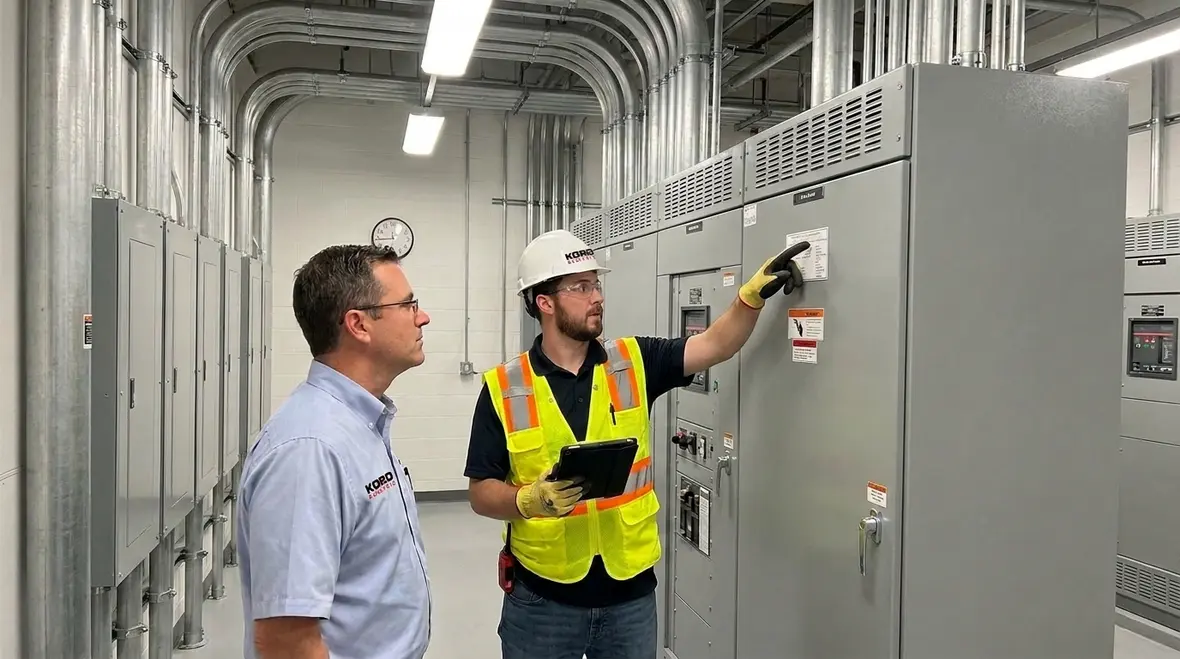
NFPA 70 Section 130.2 NEC EMS Listing Requirements Code
In the commercial and industrial world, rules matter because people depend on the systems that those rules protect. That is why we keep our focus on NFPA 70 Section 130.2, also known as the EMS Listing Requirements Code, and how it affects equipment used in emergency and life safety settings. In our work at Kord Electric, we rely on experienced technicians and expert service staff to explain what the requirements mean in real jobsite terms, not just in code language.
When we see facilities treat electrical requirements like a suggestion, we politely remind them that electricity does not negotiate. Like a hero in a late season sitcom, it shows up exactly when nobody planned for it. And if you have a commercial or industrial property, you cannot afford surprises.
How Section 130.2 shapes emergency electrical equipment decisions
Section 130.2 does not exist to make contractors sweat for fun. Instead, it sets expectations for how certain emergency-related equipment is listed and evaluated. In practice, it guides what can be installed, how equipment gets approved, and what documentation should exist before you energize systems.
We approach this by starting with the facility’s intended use and the emergency system design. Then, we verify that the equipment aligns with the NEC EMS listing requirements code and related listing expectations. Most teams benefit from this step because it prevents the common problem where the design drawings look right, but the equipment does not meet the listing pathway required for the application.
Moreover, listing requirements matter because they connect the equipment to tested performance. That means the equipment has been evaluated for safety and suitability for the intended environment. Therefore, the “right part number” is not enough by itself; the listing and the application context must match.
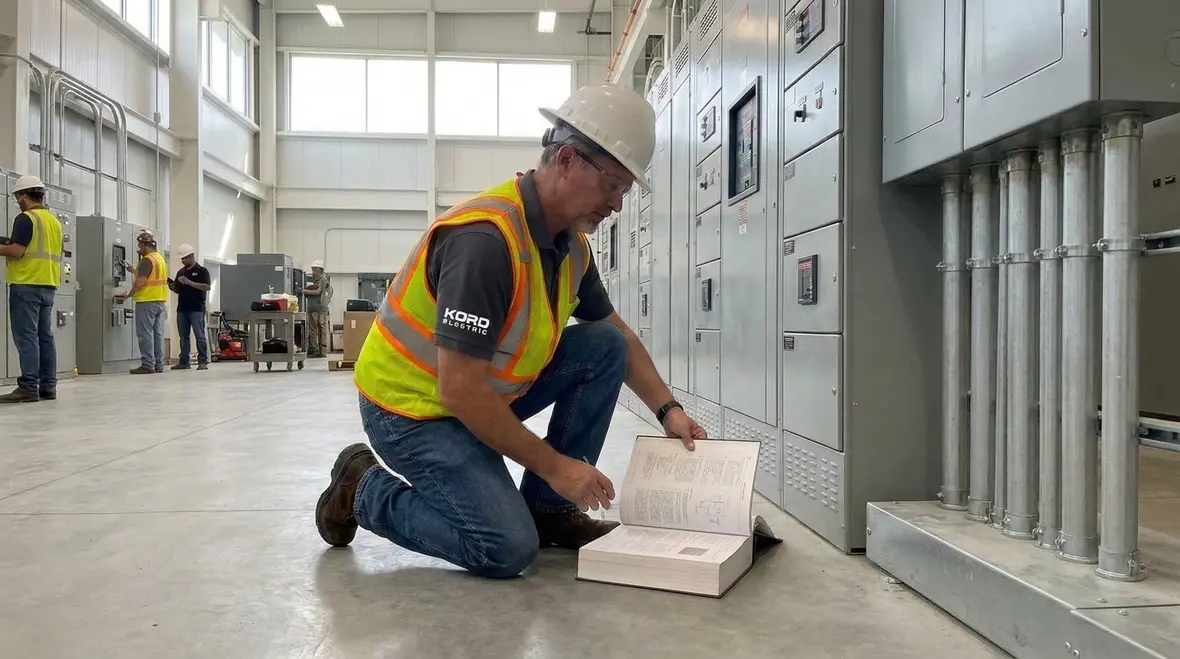
Listing, labeling, and documentation: what our technicians verify on site
When our expert service staff shows up, we do more than look at a panel and say “looks fine.” First, we confirm the equipment’s listing information. Next, we compare that listing to the installation conditions, the wiring method, and the system type used on the project.
We also check documentation because it helps facilities avoid downtime later. For example, if you need maintenance, testing, or inspection support, you need a clear trail of what was installed and how it was approved. In commercial and industrial facilities, those records often become part of how the site stays compliant through remodels and reconfigurations.
In addition, our technicians understand how inspections flow. Inspectors rarely want a sales pitch. They want evidence that the installation matches the standards and that the electrical equipment is properly approved for its role.
And yes, sometimes the equipment is labeled correctly, but the paperwork is missing. That is like owning a receipt for a car that you already sold. It exists, but it does not help the problem you are trying to solve today.
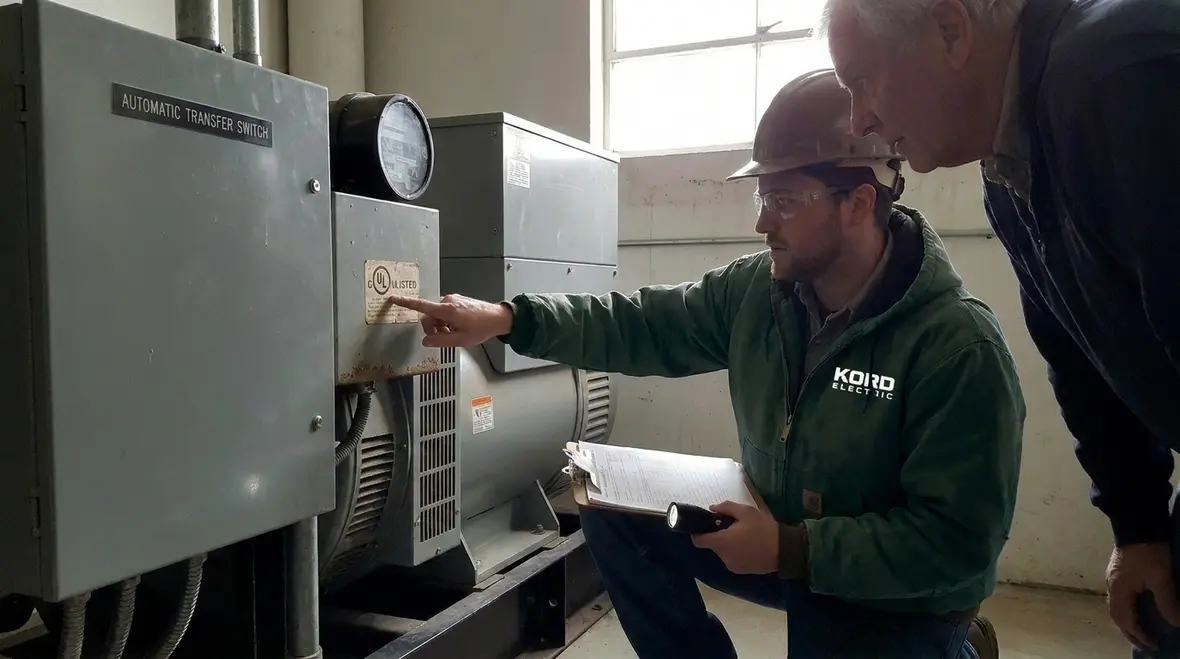
Where EMS listing requirements show up in real electrical systems
In the field, the NEC EMS listing requirements code connects to how emergency systems integrate with power sources and loads. Facilities commonly involve life safety equipment, emergency operations, and power reliability for critical functions. Consequently, the equipment you select and install must fit the emergency performance expectations and the listing pathway for that use.
We see these requirements show up during system planning, submittals, and commissioning. For instance, teams often revise a design mid stream because a part lead time changed. However, when a substitution happens, the listing basis may change as well. Therefore, the new equipment must still meet the emergency listing requirements for the application.
As a result, we do not treat emergency system design as a one time decision. Instead, we build a process around verification so that changes stay controlled and traceable.

Working with code, not guessing: our compliance workflow for major properties
For major property buildings, we run a disciplined workflow. First, we review the project scope and identify where emergency or life safety functions connect to the electrical design. Then, we verify that the equipment selection aligns with listing expectations tied to NFPA 70 Section 130.2.
After that, we support the submittal process with practical checks that match how people actually build and operate facilities. Additionally, we coordinate with stakeholders so that everyone understands the difference between “works” and “works under the required listing for the required use.”
Next, we plan for commissioning and service readiness. That means we focus on testability, documentation, and future maintenance pathways. Finally, we close the loop with our service staff so that the facility is not stuck calling someone new every time a test needs to happen.
We also keep in mind that commercial and industrial clients often operate on tight schedules. Therefore, our approach reduces rework and lowers the odds of emergency system changes late in the project cycle.
If code compliance were like a blockbuster movie, guessing would be the stunt team. The camera looks great, but the safety record does not.

What happens when equipment does not meet EMS listing expectations
When equipment does not align with the required listing for the emergency use, the risks are not theoretical. Inspections may fail. The facility may face delays. Repairs can become more expensive, because the team must unwind what was installed and replace it with equipment that meets the listing expectations.
Moreover, if documentation does not match the installed configuration, maintenance becomes harder. Technicians need the right information to perform tests and troubleshoot safely. Therefore, missing listing evidence can turn routine service into an investigation.
In our experience, many issues start with unclear substitution rules. Someone swaps equipment to keep the schedule alive. However, the swap can quietly shift the compliance position. Then, when an inspection arrives, the project becomes a scramble.
So we help clients build a better path up front. We confirm listing details early and we guide the team on how to handle changes without breaking the compliance chain.
Single source support with Kord Electric and allied expertise
We do this work with our commercial and industrial clients in mind, and we stay grounded in real project needs. Kord Electric supports electrical systems for major properties, while our broader network of knowledge in the fire and electrical ecosystem helps keep our thinking aligned across life safety topics. We also stay connected to related resources such as Kord Fire and fire pump organizations because many facilities operate with integrated life safety strategies.
For teams who want a broader code foundation behind these NEC EMS listing requirements, we often point facility leaders to our sister resource Understanding NFPA 70: The National Electrical Code Explained for 2026, which walks through how the NEC shapes everyday design and inspection decisions.
When our technicians and expert service staff explain the requirements, we speak in plain terms and we connect them to the site reality you manage. That means we explain what to verify, why it matters, and how to prevent the “late surprise.” We know you want a calm jobsite, not a weekend of panic and rerouting wire like it is a DIY action sequence.
Our aim is simple. We keep the emergency electrical pathway compliant, reliable, and serviceable, so your facility can operate with confidence.
How NEC EMS listing requirements support broader electrical compliance
NFPA 70 Section 130.2 does not sit in isolation. It connects to other NEC expectations around product certification, approved uses, and how emergency and life safety systems must behave under real fault conditions. In many ways, the NEC EMS listing requirements code operates like a checkpoint: if equipment cannot prove that it meets a specific listing basis, it does not belong in the emergency role you are planning for it.
On a major property, that checkpoint affects transfer switches, automatic controls, monitoring interfaces, and the electrical infrastructure that keeps emergency lighting, fire alarm systems, and critical loads operating during outages. If any of those components fall outside the intended listing, it can break the compliance story that inspectors, insurers, and internal risk teams expect you to tell about your building.
That is why we combine our NEC EMS listing checks with broader code review. We cross reference Section 130.2 expectations with upstream resources like general NEC application rules, AHJ enforcement direction, and product certification requirements so the overall design aligns with how the National Electrical Code expects emergency systems to function across their full lifecycle.
Planning, upgrades, and renovations with NEC EMS listing requirements in mind
Most commercial and industrial facilities do not build once and walk away. They expand, renovate, and reconfigure spaces as operations change. Every time that happens, the emergency electrical pathway can be affected by new loads, revised power sources, or updated life safety strategies. If you apply NFPA 70 Section 130.2 and NEC EMS listing requirements only at initial construction, you miss the risks that show up years later when systems no longer match the original plans.
We help clients treat listing alignment as part of their long-term upgrade strategy. When you plan new equipment or a layout change, we ask targeted questions: Will this new piece of gear participate in an emergency function? Is it covered by the same listing basis as the equipment it replaces? Does the new configuration still satisfy the NEC EMS listing requirements code for the way power transfers, signals are monitored, and loads are prioritized during an outage or fault?
By pulling those questions into the early design conversations, we reduce the odds of discovering conflicts late in a renovation, when walls are closed and schedules are tight. Instead of firefighting with last minute substitutions, your team can move through upgrades with a clear path that respects both the NEC and the operational pressures your facility faces every day.
How NEC EMS listing requirements connect to local service expectations
Emergency electrical systems do not live on paper; they operate in real jurisdictions with real enforcement practices. In regions with detailed permitting and inspection processes, like the areas we serve for Los Angeles County electrical services, the NEC EMS listing requirements code becomes part of how authorities evaluate whether an installation is truly ready for an emergency, not just electrically functional on a normal day.
Our technicians factor that local reality into every major project. We align listing verification with the documentation that permitting offices and inspectors expect to see. We structure submittal packages so that the EMS-related equipment, its listing basis, and its role in the emergency sequence are easy to follow. That way, when inspection day arrives, your facility is not scrambling to prove that the equipment is suitable; the evidence is already organized, labeled, and tied directly to NFPA 70 Section 130.2 expectations.
FAQ
Get a clear compliance path with Kord Electric
If you are planning a project, managing an existing facility, or preparing for inspection, we can help you verify emergency equipment listing alignment with NFPA 70 Section 130.2 and the NEC EMS listing requirements code. Our technicians explain what matters and our expert service staff backs it with practical checks that reduce rework. Reach out to Kord Electric to review your scope, confirm documentation, and build a calm, compliant electrical pathway for your commercial or industrial property.
For facilities that want broader support around code compliance, inspections, and emergency system reliability, our commercial and industrial electrical services teams can align EMS listing requirements with upgrades, renovations, and ongoing maintenance so your NEC compliance strategy stays organized instead of reactive.


