

NFPA 70 Section 120.141 NEC Allowable Demand Factors Explained
NFPA 70 Section 120.141: NEC Allowable Demand Factors Explained for Real Facilities
In the first hundred or so words, we need to make it clear how NEC allowable demand factors explained show up in daily design work. NFPA 70 Section 120.141 sets rules for when a facility can apply an allowable demand factor to loads, instead of sizing everything at the highest possible nameplate value. In simple terms, that rule helps keep commercial and industrial projects from buying equipment sized for the absolute worst moment only, because reality rarely works like a panic button. Our team at Kord Electric follows these steps because an electrical room is not the place to learn “lesson one” the hard way, and we would prefer the only surprise be the kind you get at a movie theater, not on startup day.
What Section 120.141 Does and Why It Matters

Third person accounts matter here, because engineers, inspectors, and facility managers all see the same numbers and often interpret them in different ways. However, the intent of Section 120.141 stays consistent. It helps define how to calculate demand for systems where loads do not run at full value at the same time. Therefore, it supports better equipment sizing, steadier budgeting, and a more rational approach to system capacity.
Meanwhile, the biggest risk for commercial and industrial facilities is pretending every load peaks together. That assumption leads to oversized switchgear, larger feeders than needed, and higher upfront costs. Even worse, if the design overshoots too much, the facility can end up with lower efficiency and worse performance over time. Our expert service staff at Kord Electric explains this in plain language on the jobsite, because “the code says so” does not always satisfy a maintenance lead who just wants a dependable system, not a riddle.
As we guide projects, we connect Section 120.141 to real-world load behavior. For example, an office wing might heat and cool at different cycles, while process loads in manufacturing vary by shift. Consequently, allowable demand factors help reflect that pattern rather than forcing one inflated number to rule them all.

How Allowable Demand Factors Shape Load Calculations
When designers apply NEC allowable demand factors explained by Section 120.141, they are doing more than picking a percentage. They are shaping the demand that drives equipment ratings, protection choices, and bus ampacity. In practice, the process starts with load grouping and identification of load types, then moves into applying allowable demand limits that match the category of the loads.
However, the details matter. A demand factor cannot be used like a magic wand. It must align with the correct load characteristics, and the calculation must stay consistent with other sections of the NEC process. Otherwise, the final demand number can drift away from what equipment and protection actually require.
Our technicians and expert service staff often see this during reviews and field coordination. They explain that demand factors are tied to expected usage, and they also rely on sound assumptions about diversity of loads. While one system may carry a large portion of heating or ventilation, another may run intermittently. Therefore, calculations should reflect the sequence of operation, not wishful thinking.
And yes, sometimes someone tries to treat diversity like a “workplace myth,” like saying every machine starts at the same time because that would make the math easier. That approach usually ends in a red mark on the plan review. The code does not mind being right, but it does mind being ignored.
Diversity, Coincidence, and the Real Schedule of Power
One reason demand factors work is that most commercial and industrial operations do not operate like a single synchronized metronome. Motors start and stop, ventilation cycles by temperature and occupancy, and plug loads behave differently than fixed equipment. Consequently, diversity in operating schedules reduces simultaneous peak demand.
At the same time, the facility’s “real schedule” can change. If a warehouse shifts to longer operating hours, the load pattern changes. If production adds a new line, peak demand can grow. If a building upgrades controls, the run times may shift. Therefore, demand calculations should connect to the operation plan and the timeline of the project.
Our expert service staff at Kord Electric spends time with facility teams so the electrical design matches how the site actually runs. Then, during coordination, we translate those discussions into calculation logic that stays aligned with NEC requirements. As a result, the allowable demand factor approach becomes a practical planning tool, not a spreadsheet exercise.

Common Missteps Facilities Make When Applying Demand
Even well-trained teams can stumble here. They usually stumble for predictable reasons, and those reasons often show up in commercial and industrial settings during design, commissioning, or renovation projects.
- Using a factor without verifying load categories which can cause mismatch between demand assumptions and the actual load behavior
- Ignoring how future expansion affects peak timing because a “current” demand number can become outdated faster than a cable label in a busy utility closet
- Skipping coordination between electrical and mechanical schedules such as HVAC staging, motor start profiles, or process cycles
- Treating demand factors like a one time step when updates are needed if equipment lists change during procurement
To keep this from happening, Kord Electric brings structured review practices for major property buildings and industrial facilities. Our technicians also explain what inspectors commonly look for, and we highlight where assumptions must be documented. That reduces rework and improves confidence for everyone from project management to facilities.
Practical Implementation for Industrial and Commercial Projects
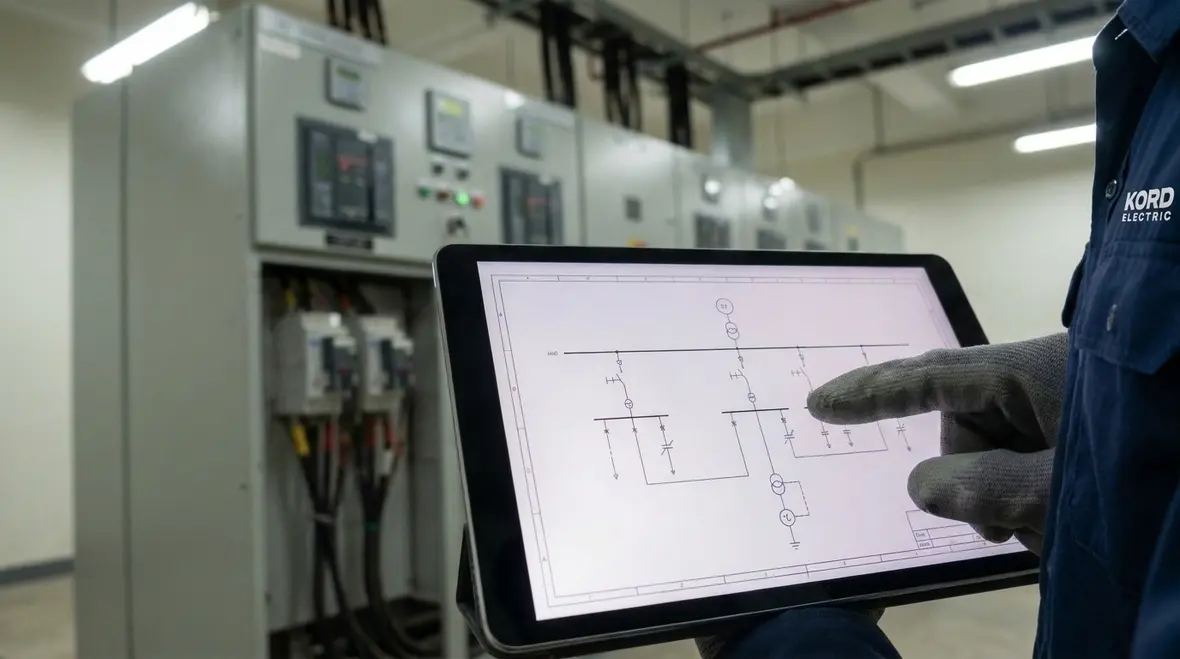
Now the real question becomes how a facility applies these rules without getting lost in the weeds. The answer starts with a clear electrical one-line scope and a load list that tracks equipment, connected ratings, and operating logic. Then the team applies the correct demand approach, including the allowable demand factors tied to Section 120.141.
Next, the electrical design team should check the computed demand against equipment ratings and verify that conductor sizes, overcurrent devices, and switchgear bus ratings stay aligned. After that, the commissioning plan should confirm that actual operating behavior does not deviate wildly from assumptions.
Because this is a business reality issue, not a theoretical one, our process at Kord Electric emphasizes coordination. We work for commercial and industrial facilities, including major property buildings, and we treat demand calculations like a living part of the project. When equipment changes, we adjust the design. When schedules change, we recheck the demand basis. This keeps the electrical system dependable and keeps the facility from paying twice.
One more thing, with some humor to calm the nerves. Electrical engineering can feel like assembling a “Lego set” where every piece has a rule written in fine print. Yet demand calculations do not have to feel like that. When our expert service staff explains the logic step by step, most teams feel confident, and the plan review process moves faster.
Where These Rules Fit Into the Bigger NEC Picture
Section 120.141 does not exist in isolation. It sits within a broader NEC framework, where load calculations, wiring methods, overcurrent protection, grounding, and service equipment selection all connect. Also, other NEC topics influence how facilities interpret capacity, performance, and safety. That is why Kord Electric and our partners approach the NEC like a connected system rather than a stack of unrelated chapters.
In many major property buildings, demand calculations tie directly into how a facility plans for growth and ensures safe operation. At the same time, code compliance supports long term reliability. When the demand basis matches actual operating behavior, systems run more predictably and equipment gets the right support.
For clients who want more context, Kord Electric’s resource Understanding NFPA 70: The National Electrical Code Explained for 2026 helps teams see how code cycles and big-picture rules shape detailed load and demand work. Those materials support a clearer reading of how sections work together, and that clarity improves decision making across design and maintenance. For deeper code discussions and regional guidance, Kordfire and local code education sources also help teams stay grounded.
When facilities move from planning into actual projects, they also benefit from partners who understand how demand factors intersect with broader system reliability, redundancy, and emergency power needs. Articles like Kord Electric’s guides on data-driven electrical design, emergency power for business continuity, and electrical preventive maintenance schedules reinforce the same theme: calculations should mirror how the building truly operates, not just how it looks on paper.
Planning Demand Factors Alongside Real-World Services
Allowable demand factors might start as numbers on a spreadsheet, but they quickly turn into choices about switchgear lineups, feeder routes, and how resilient a facility feels on its busiest days. That is why Kord Electric connects Section 120.141 work directly to field services for commercial and industrial clients. From early one-lines to commissioning support, our teams pay attention to how demand assumptions line up with inspections, maintenance strategies, and long-term reliability goals.
In Los Angeles County and across Southern California, facilities that want those assumptions to hold up under real operating conditions often lean on dedicated service offerings instead of one-off calculations. Kord Electric’s Los Angeles County electrical services bring that demand-focused mindset into upgrades, repairs, and new construction, so the electrical system you approve on paper actually behaves the way the NEC intended once the breakers close.
FAQ: NEC Allowable Demand Factors Explained
Conclusion: Get Demand Calculations That Hold Up
Kord Electric helps commercial and industrial facilities apply NFPA 70 Section 120.141 correctly, so NEC allowable demand factors explained becomes a dependable tool for sizing equipment, not a last minute surprise. Our technicians and expert service staff guide teams through load assumptions, coordination, and documentation for major property buildings. If your project involves new power distribution, a major renovation, or a capacity upgrade, we can review the demand basis and help reduce rework. Contact Kord Electric now and let’s get your electrical design to the point where the code smiles back.
For facility leaders who want to connect these demand rules with the rest of the code cycle, our broader Kord Electric blog resources, including Understanding NFPA 70: The National Electrical Code Explained for 2026, show how NEC planning, wiring fundamentals, and maintenance strategies all support the same goal: electrical systems that run safely, efficiently, and predictably long after the project handoff.


