
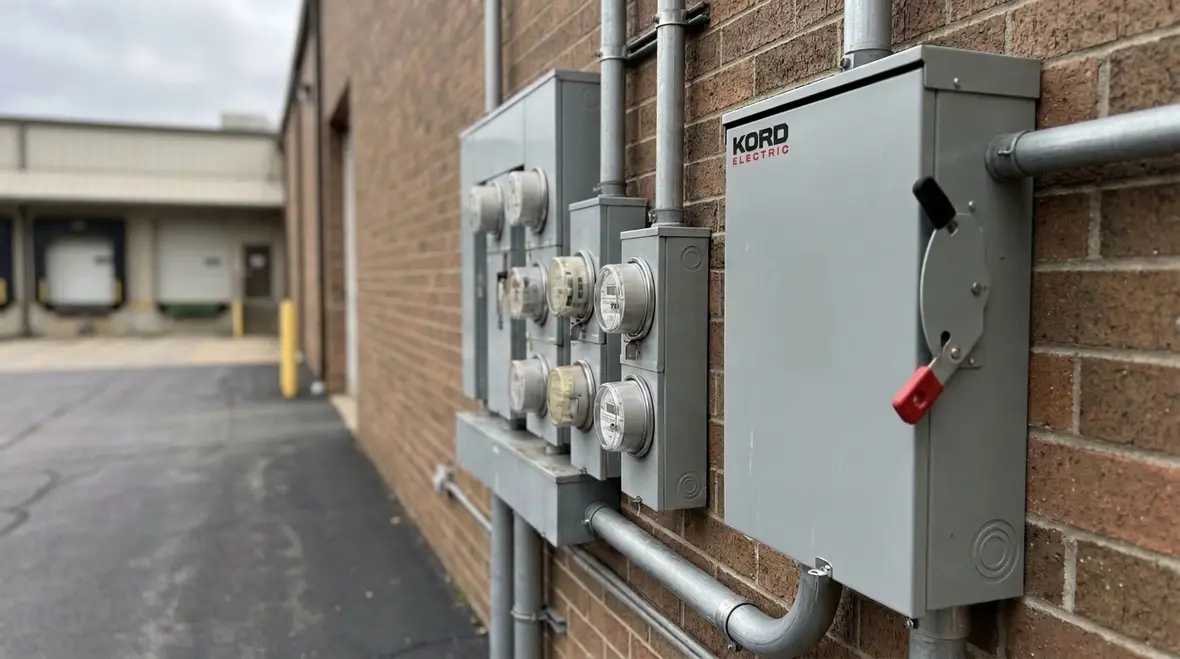
NEC Meter Socket Requirements NFPA 70 Section 230.68
When commercial and industrial facilities plan upgrades, they usually start with one question: what do the NEC meter socket requirements really mean in real life. In NFPA 70 Section 230.68, the rules focus on how meter sockets must be built, how they must fit equipment, and how they must stay safe for the people who work around them. So, we at Kord Electric explain these standards the way our customers need to hear them: clearly, calmly, and with practical guidance from our own experienced service staff. And yes, we will also tell you what not to guess, because guessing in electrical work is like using a blindfold at a warehouse: it feels brave until it goes wrong.
What NFPA 70 Section 230.68 demands for meter sockets in 2026
Section 230.68 sits inside the NEC section that governs service equipment. Therefore, it directly impacts the interface between the utility metering equipment and the building’s wiring system. In other words, meter sockets are not decorative boxes. They act as the safe mounting location that keeps wiring, components, and installers protected.
Based on our reading and field experience, our technicians treat Section 230.68 as a checklist with consequences. If a facility installs a meter socket that does not meet the intent of the code, problems do not stay small. Over time, they can create heat issues, poor connection points, and access conflicts for the utility or maintenance staff.
Also, we have noticed that many property owners think the code only cares about wires. However, the code also cares about how the socket supports the meter, how the enclosure works, and how the setup limits damage risks. Next, we connect these requirements to the layout decisions you make during a renovation, tenant improvement, or new build.
Meter socket location and access: where compliance meets daily operations
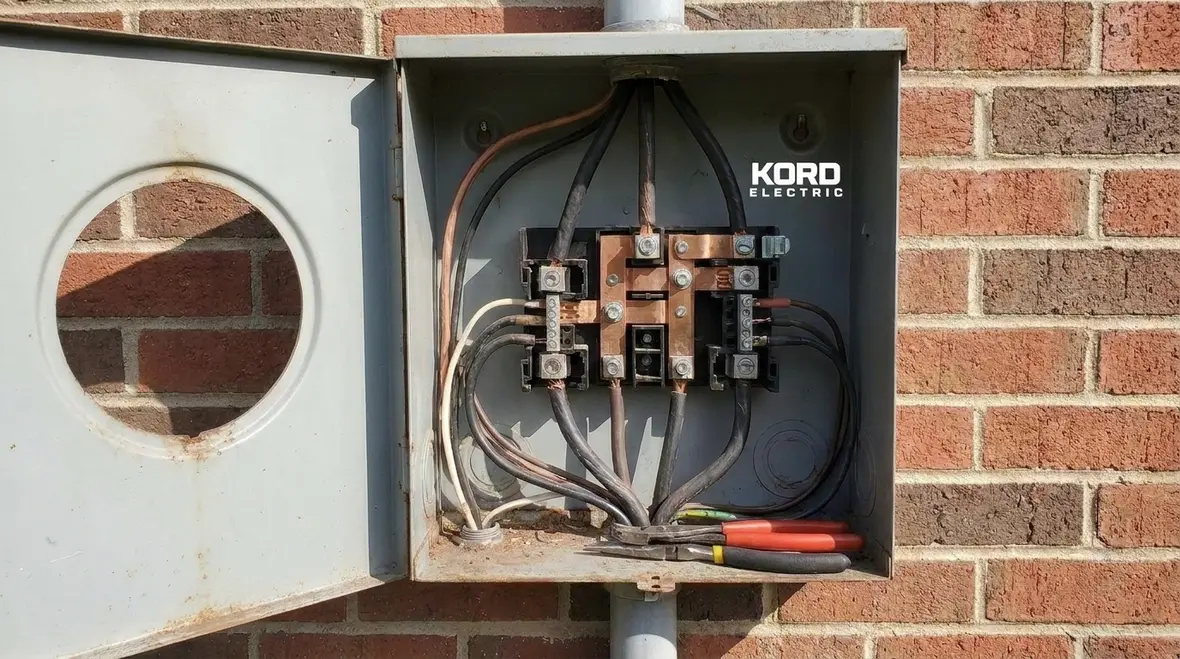
Commercial and industrial properties usually run on schedules. Because of that, the meter socket location must support access for utility work and facility electrical maintenance. NFPA 70 does not want a meter placed where a technician has to fight doors, storage racks, or awkward pathways just to do the job.
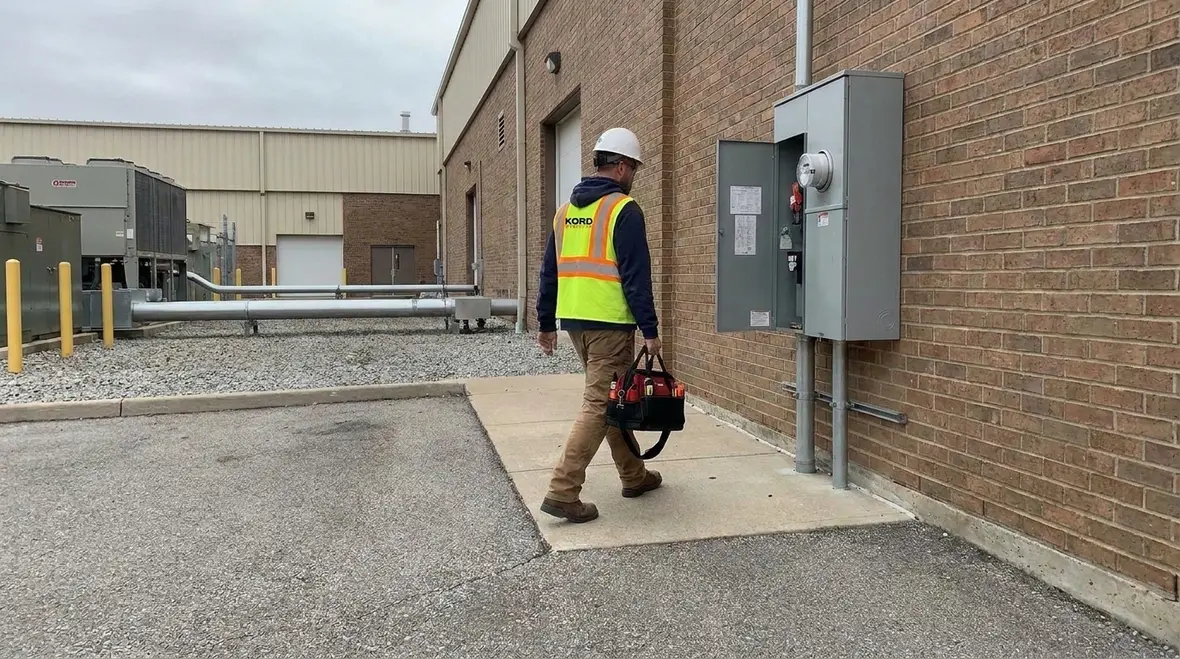
So, when our expert service staff visits a building, we look at pedestrian routes, ladder access, and whether the socket stays reachable without unsafe positioning. Then we check whether the installation supports safe working space and does not trap workers in tight corners.
Here is the calm truth: you can meet every part spec on paper and still fail in practice if access is blocked. And once a meter area becomes a “temporary” storage zone, it tends to stay that way for years. That is why we push for a clean, defined meter location from day one.
Our technicians also cross-check meter placement with broader electrical and code planning. On projects where teams are already reviewing NFPA 70 direction, we often point facility leaders to practical explainers like our resource on Understanding NFPA 70: The National Electrical Code Explained for 2026, so the meter socket decisions match the rest of the service and distribution strategy, instead of floating on their own.
Enclosures, grounding, and protection details that actually prevent failures
Meter socket requirements also cover how the enclosure protects conductors and supports safe operation. A proper enclosure helps prevent damage from moisture, dust, impact, and unintended contact. In commercial buildings, equipment areas can face heavy traffic, forklifts, or routine cleaning chemicals. Therefore, the socket must hold up under the conditions it will face.
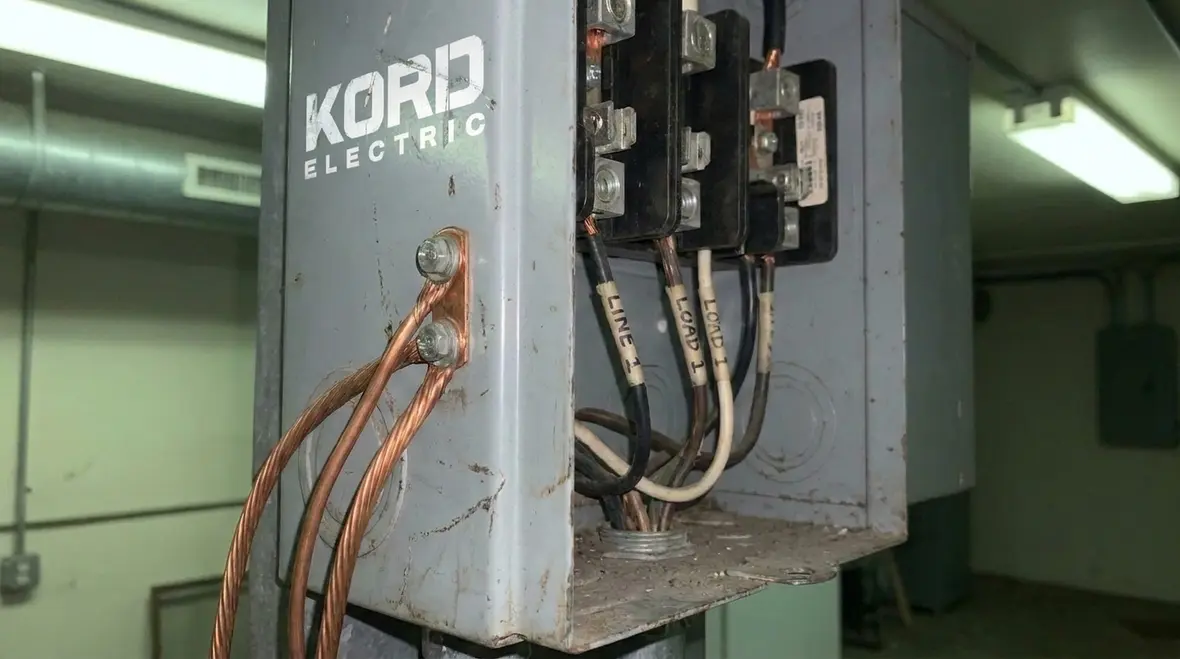
Next, the grounding and bonding side matters because it influences fault clearing and reduces shock risk. Our technicians do not treat grounding as an afterthought. Instead, we verify that the socket design and the building system meet the NEC intent so fault current gets managed correctly.
Finally, we focus on how the meter socket handles connections. If the socket does not support secure terminations, you can create a weak point that heats up under load. Then, the facility ends up paying for downtime and troubleshooting that should never have existed.
On major projects, we often pair this work with broader power quality and reliability planning from our other services. For example, when a facility is reviewing surge protection or distribution upgrades, as we describe in our Kord Electric guides on data-driven electrical design and emergency power planning, the same disciplined approach to connections and grounding helps the meter socket behave like a stable starting point instead of a hidden weak link.
Why enclosure and bonding choices affect long-term reliability
From a reliability standpoint, enclosure ratings and bonding hardware are not “nice extras.” They decide how the meter socket reacts to years of vibration, minor faults, and environmental stress. When we apply NEC meter socket requirements in the field, we double-check that listed components match the service rating, that grounding paths are continuous, and that corrosion-prone hardware is minimized or protected.
How enclosure ratings and construction methods affect real weather and site risk
Buildings do not live in a lab. They sit in wind, rain, snow, heat, and dust. Consequently, the meter area must provide protection that matches the environment. For a facility with outdoor service equipment, the enclosure design and installation method help reduce water intrusion and corrosion.
We also pay attention to construction details that property managers often overlook. For example, we check how the meter location aligns with wall finishes, how the conduit enters the enclosure, and whether the installation supports a neat seal. These are not glamorous tasks. However, they prevent the “mystery corrosion” problems that show up months later.
When we explain this to owners, we use a simple analogy. Think of the enclosure like a good jacket. A jacket can look fine, but if the zipper leaks, you end up soaked. In the same way, a meter socket that lacks proper protection can look installed yet fail over time.
Coordinating meter socket design with the rest of the service
In practice, the best protection comes from designing the service as a whole. That means aligning meter socket selection, raceway entries, and sealing methods with panel configurations, disconnect layouts, and grounding conductors. When our team plans service equipment, we lean on the same disciplined, system-wide thinking we use in projects like data center uptime, commercial power quality, and emergency power design, where one weak enclosure can compromise the entire reliability strategy.
Common upgrade mistakes we see on major property buildings
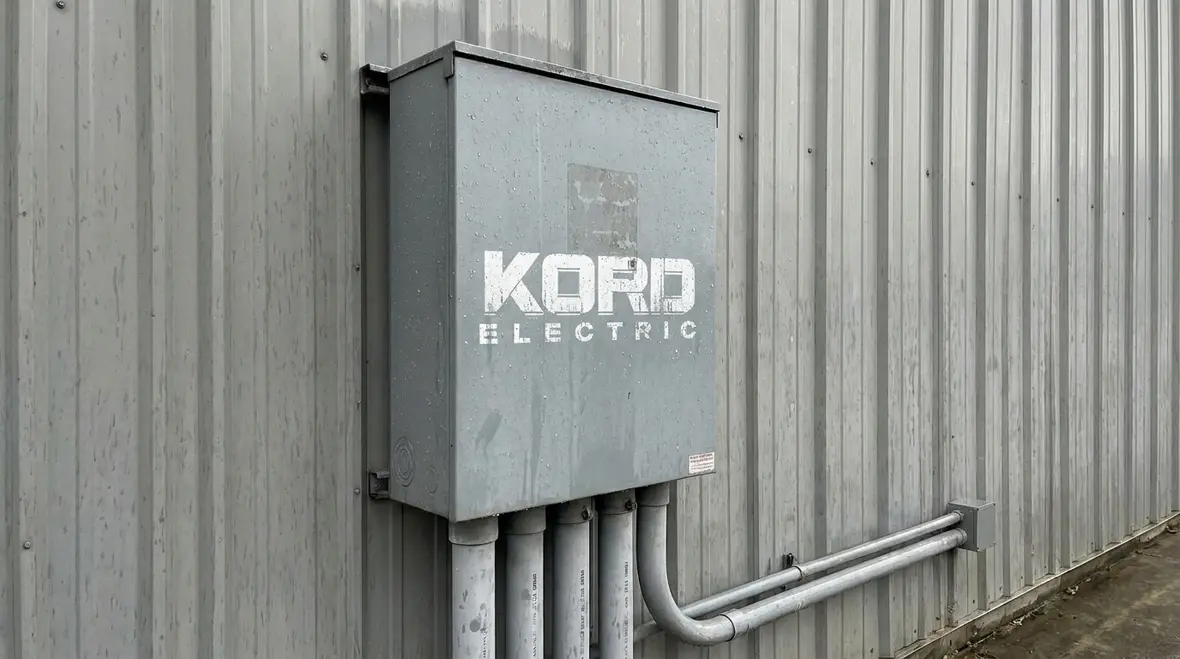
At large commercial and industrial sites, upgrades happen in phases, and that is where mistakes creep in. First, teams may reuse older components that do not match the updated meter socket intent. Then, they may make shortcuts around access, labeling, or wiring support.
Another common issue involves mismatched parts. If the meter socket type does not fit the utility metering requirements or the service configuration, the project can stall. Even when everyone “tries to make it work,” the final result often creates extra labor, rework, and compliance risk.
Additionally, facilities sometimes neglect coordination between electrical and building trades. For example, if the construction team finishes walls before the socket layout is confirmed, electrical work gets forced into tight, last minute changes. That is when mistakes become expensive.
Our approach stays steady. We plan with the building schedule, we verify the service path early, and we explain the NEC meter socket requirements in plain terms so everyone involved makes fewer wrong assumptions. And yes, we do remind people that electricity does not care about tight timelines. It just charges you with consequences.
Using NEC meter socket requirements as a planning checklist
When we guide property teams, we encourage them to treat Section 230.68 as a planning checklist, not just a line in the code book. That means confirming socket ratings against available fault current, verifying compatibility with utility requirements, checking mounting heights and working space, and documenting which revisions of the NEC apply. During that process, our technicians often reference broader NEC education pieces from our blog so that the meter socket upgrade aligns with how the rest of the service and distribution will be inspected and maintained.
How our technicians explain the code like it is a maintenance manual
Kord Electric supports commercial and industrial facilities, and we operate like we plan to be invited back. Our technicians and expert service staff do more than install. They explain. They walk property teams through what Section 230.68 expects, how the meter socket connects to the service setup, and how future maintenance will happen.
We also help customers document what we build. That matters during audits, renovations, and lease transitions. When future teams inherit a system without good notes, they often start with guesswork. Our goal is to reduce guesswork so the facility stays stable.
Then we coordinate with the broader code context, including how the NEC connects service equipment rules to wiring methods and safety outcomes. If a site needs help reviewing the larger NEC electrical plan, we can align with the same thinking described in industry NEC explainers from our related resources, including Kord Electric’s code education posts and the Kord Fire team’s NEC overview materials. For properties that also rely on life safety systems, it helps to keep the electrical narrative consistent, so nothing fights itself later.
For facility leaders who want to see how this approach works beyond meter sockets, our blog coverage on topics like how to read NFPA 70, what NFPA 70 covers in practical terms, and data-driven electrical design shows the same theme: use the code as a structured guide to build systems that are safe, maintainable, and ready for real-world conditions, not just as a book that appears right before an inspection.
Where NEC meter socket requirements fit in your wider upgrade plan
Most service upgrades do not happen alone. They travel with panel changes, distribution adjustments, or emergency power improvements. That is why we tie meter socket decisions into load planning, surge protection strategies, and power quality goals. When your site is reviewing items like emergency power for business continuity or data center uptime, the same project can often include meter socket corrections or replacements driven by NFPA 70 Section 230.68, so you get one coordinated, inspection-ready result instead of a series of disconnected fixes.
Frequently asked questions about NFPA 70 and meter socket compliance
Facility teams and property managers often ask the same questions when they first hear about NEC meter socket requirements, NFPA 70 Section 230.68, and how those rules apply to their buildings. Below, we answer some of the most common ones in plain language.
Conclusion: Let Kord Electric make the upgrade feel simple
If your facility plans a service change, meter socket replacement, or a modernization project, you should not gamble on interpretation. We at Kord Electric bring calm, expert guidance from our technicians and expert service staff, and we help commercial and industrial property teams meet NFPA 70 Section 230.68 with less confusion and more confidence. Contact us to review your meter area layout and equipment needs, and let us map a compliant path that keeps your operations running and your electrical work inspection-ready.
For facilities across Southern California, that path often starts with a direct review of the existing service equipment, meter sockets, and NEC compliance status. From there, our team can coordinate any upgrades you need, including broader Los Angeles County commercial and industrial electrical services that cover panels, distribution, emergency power, and life safety systems. The goal is simple: one coordinated plan, one accountable contractor, and a meter socket installation that passes inspection without drama.


