
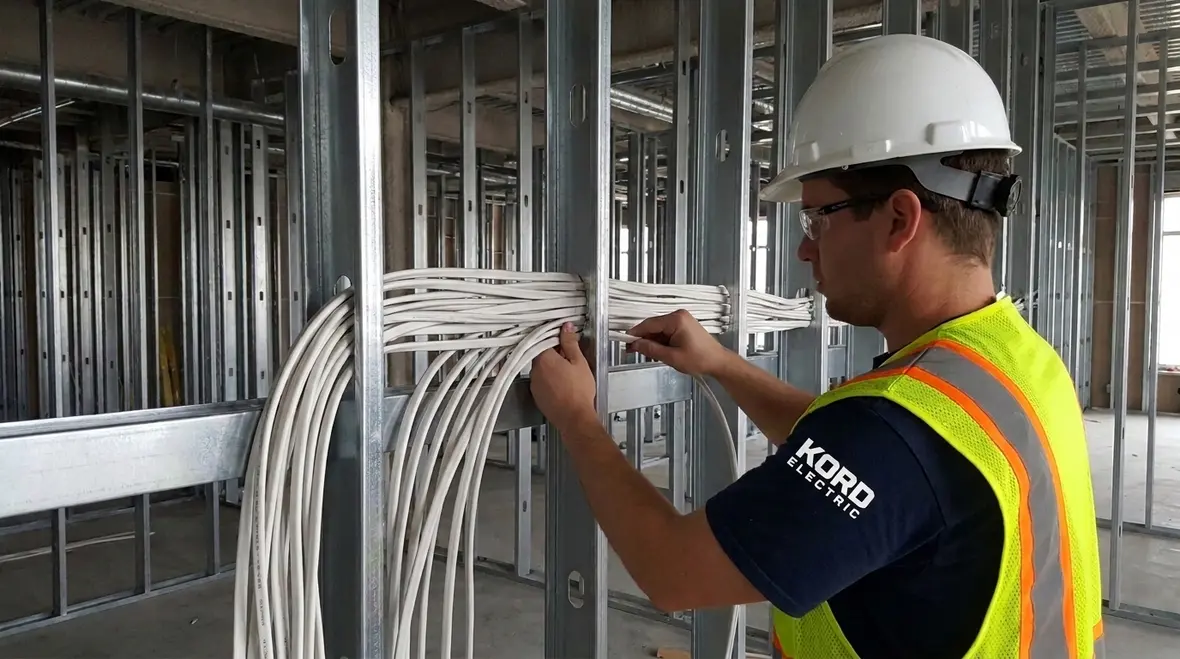
NEC NFPA 70 NM Cable Construction Basics 320.100
In our work at Kord Electric, we regularly help commercial and industrial facilities get cable installs right the first time. We also explain it in plain language, because even strong buildings can trip over weak details. In the NFPA 70 world, NM cable construction plays a key role in how conductors are arranged, how the jacket protects them, and how installers should treat the cable as they pull and terminate it. In other words, when the NEC NM cable construction details are handled correctly, the whole system behaves more predictably, and inspections go smoother.
Now, let us slow down and walk through what NFPA 70 Section 320.100 expects, how it connects to the rest of the code, and how our expert service staff helps your team apply it on real projects. And yes, we will also keep the mood light, because cables do not care, but people do.
NEC NM cable construction basics for commercial and industrial sites
What NFPA 70 Section 320.100 requires for NM cable construction
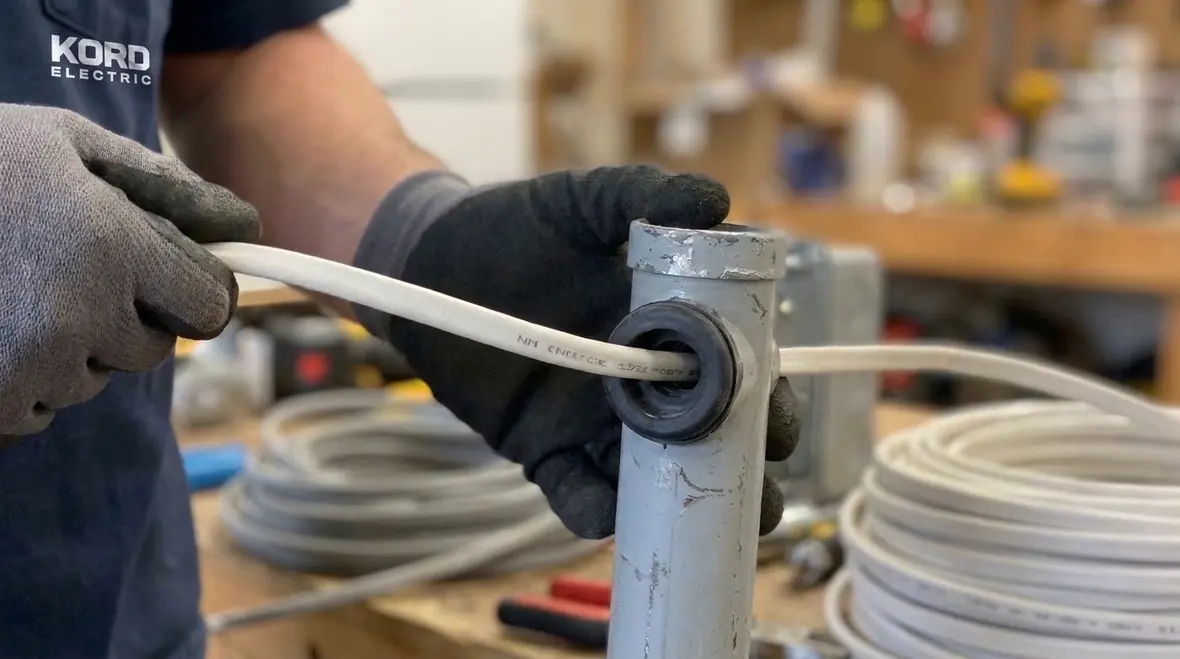
NFPA 70 Section 320.100 lays out construction rules for nonmetallic sheathed cable, commonly called NM cable. We treat these as non negotiable because construction details influence performance during normal use and during rough handling during installation.
In practical terms, the section focuses on the cable’s physical makeup. It covers how the cable jacket and insulation are arranged, how many conductors are included, and how the components stay separated and protected. When these elements match code intent, the cable supports safe current carrying operation and resists damage from typical jobsite conditions.
Our technicians often see the same problem: people focus on the pull and forget the cable’s build quality. However, once the jacket gets nicked or the insulation does not hold up the way it should, you might not notice right away. Later, you find out the hard way, usually when someone starts asking why the system behaves “mysteriously.” We remind clients that mysterious electrical behavior is like a pop quiz, it never shows up with warning.

How NM cable design affects safety and inspection outcomes
Even when an NM cable appears to work, its construction still matters for safety. Because the jacket and insulation work together, construction requirements help limit exposure of conductors and reduce the chance of hazards caused by mechanical stress or environmental conditions the cable should not face.
Additionally, inspectors look for consistency. When the cable’s construction aligns with NFPA 70 expectations, your installation details often line up with common inspection check points. That means fewer surprises and fewer calls that start with, “Hey, can you come back and look at this section again?”
Here is how we explain it to project teams: if the cable’s built to the right standard, then your installation practices can match that standard. If the cable is compromised, no amount of good intentions can “code it back.” Our experts review the full path, not just the termination, because commercial and industrial facilities need reliable results, not patched guesses.

Installation practices that protect NM cable construction in the field
Construction rules sit at the start of the story, but installation controls whether those rules stay true once the cable leaves the reel. When we support commercial and industrial builds, we emphasize safe handling and correct routing before any terminations happen.
First, we plan the cable route. We consider where the cable could face sharp edges, vibration, or routine traffic. Then, we control pulling forces and support intervals. If the cable bends beyond what it can tolerate, its insulation and jacket can take damage even if the problem does not show up immediately.
Next, we protect against abrasion at entry points and at the first contacts with raceways, boxes, and equipment knockouts. We also coordinate pulling schedules so the cable does not sit around exposed where a jobsite can be… let us say enthusiastic with power tools.
Finally, our technicians confirm terminations and strain relief. That is where many small mistakes stack up. A loose connection, an improper clamp, or a rushed box fill can create heat or stress, and heat is never a friendly guest. We make sure your team understands the “why,” not just the “how,” so the whole crew works like one unit.

Design and compliance connections inside the NEC
The NEC does not read like a standalone textbook. Instead, it forms a system of linked requirements. When we review NFPA 70 Section 320.100, we also consider how the cable interacts with the broader rules for wiring methods, protection, and proper use in building spaces.
At our service level, we connect construction to the selection process. That includes checking the building type, the planned wiring method, and the environment where the cable will live. We stay focused on commercial and industrial facilities and major property buildings, because those projects often involve higher loads, tighter schedules, and more scrutiny on documentation.
We also coordinate with facility managers and general contractors early, so everyone aligns on the cable type, protection expectations, and commissioning timeline. In our experience, that reduces rework. And rework is the electrical version of eating cold fries, nobody asked for it but it happens anyway.
For clients who want a deeper read, we point them to our related resources and partner references, including our NEC explanations at Kord Fire and the broader code context published on code focused sites like firepumps.org. For example, our teams often cross reference guidance from Understanding NFPA 70: The National Electrical Code Explained for 2026 as they plan wiring methods and review how conductor rules, overcurrent protection, and space types interact in the real world. We keep it practical: code understanding should help your team build safely, not just fill binders.
Common mistakes we see on commercial projects
We have seen repeated issues across large installs. Some teams treat NM cable like a commodity. Others treat it like a mystery. Both approaches invite trouble.
One common mistake involves mismatched cable use. Teams choose a cable that does not fit the space plan or protection plan. Even if the cable seems convenient, it still has limits defined by code intent and construction behavior.
Another mistake involves damage during installation. A nick in the jacket can reduce protection and create long term failure risk. Similarly, a bend that is too tight during pulling can stress insulation. We tell our client teams that electrical work does not forgive shortcuts. It does not scream either, it just waits until the day you can least afford it.
Finally, we see confusion about routing and support. Cable needs the right handling from start to finish. We help teams set expectations for cable support, box entry practices, and routing discipline, then we verify results during install checks.
That is why our expert service staff supports your project, and not just the final sign off. We explain the logic behind each step so your field crew can act with confidence, not guesswork.
Quick safety checklist for NM cable installations
When our technicians walk a jobsite, we use a simple checklist mindset. It is not about being difficult. It is about being correct.
- Verify cable type before pulling, and confirm it matches the project wiring plan
- Plan routing to avoid sharp edges, pinch points, and unnecessary bends
- Control pulling force so you do not stress the cable during installation
- Protect jackets at entries and transitions
- Use correct termination practices and provide proper strain relief
- Document installation so your inspection team can review easily
We know inspections are time sensitive. Therefore, clear documentation saves everyone time, and it keeps the day from turning into a “where is that one detail” scavenger hunt.
FAQ for NFPA 70 NM cable construction (Section 320.100)
Need NEC guidance for your facility? Call Kord Electric
Our customers in commercial and industrial settings need clean installs, clear documentation, and confident inspections. At Kord Electric, we align NFPA 70 requirements with real jobsite practices, and we explain the details in a way your team can use. If you are planning a project or reviewing an existing installation, we can help you spot risks early and confirm your approach before it costs time.
For facilities across Los Angeles County and beyond, our technicians connect NEC NM cable construction guidance with broader services like power quality, emergency power, and distribution planning. If you are coordinating a new build or major upgrade, you can see how our field-tested approach scales by reviewing the Los Angeles County electrical services overview, which outlines how we support everything from early planning to final inspection.
Reach out to us today for expert electrical support and calm, code focused guidance that keeps your NM cable installations aligned with NFPA 70, supports smoother inspections, and helps your facility stay safe, reliable, and ready for the next project phase.


