
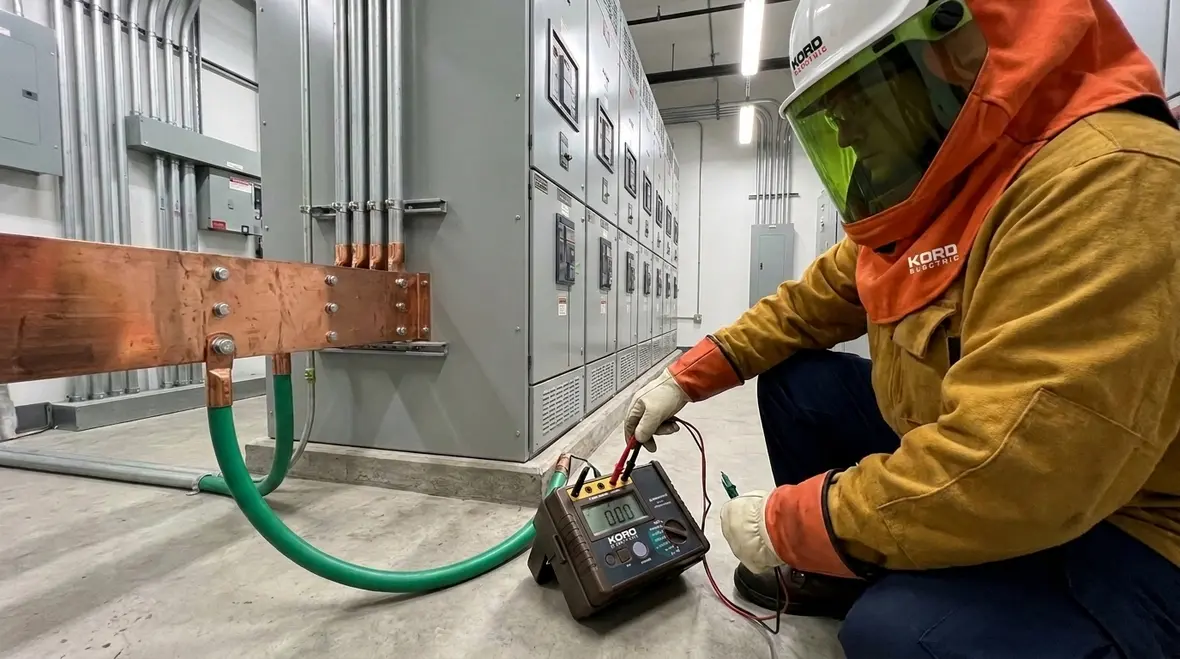
NEC NFPA 70 Section 270.5 Grounding for Supervised Installations
At Kord Electric, we work with commercial and industrial facilities and major property buildings, and we pay close attention to NEC supervised installations grounding when the stakes rise. In fact, NFPA 70 Section 270.5 addresses how grounding should be handled for supervised installations over 2 kV, and we make sure our clients are protected before the first breaker ever closes. Our technicians and expert service staff explain the why, not just the what, because code language can feel like legal writing after a long night shift. Still, grounding rules matter, and we help keep your electrical system steady, safe, and in line with the NEC.
What NFPA 70 Section 270.5 requires for supervised systems over 2 kV
NFPA 70 Section 270.5 focuses on how a facility must ground supervised installations when voltages exceed 2 kV. The point is simple: when systems get into that range, the consequences of a fault get more serious, more complex, and faster. Therefore, the NEC expects more than a “good enough” approach. It expects a grounding method designed for reliability, consistent monitoring, and proper behavior during faults.
In plain terms, the code pushes the installation to follow a grounding setup that supports supervised operation. That means the grounding approach must match the intent of supervised systems, where personnel and equipment depend on detection and protective action rather than guessing. And yes, guessing is a real hobby, but not one we recommend for anyone near high voltage.
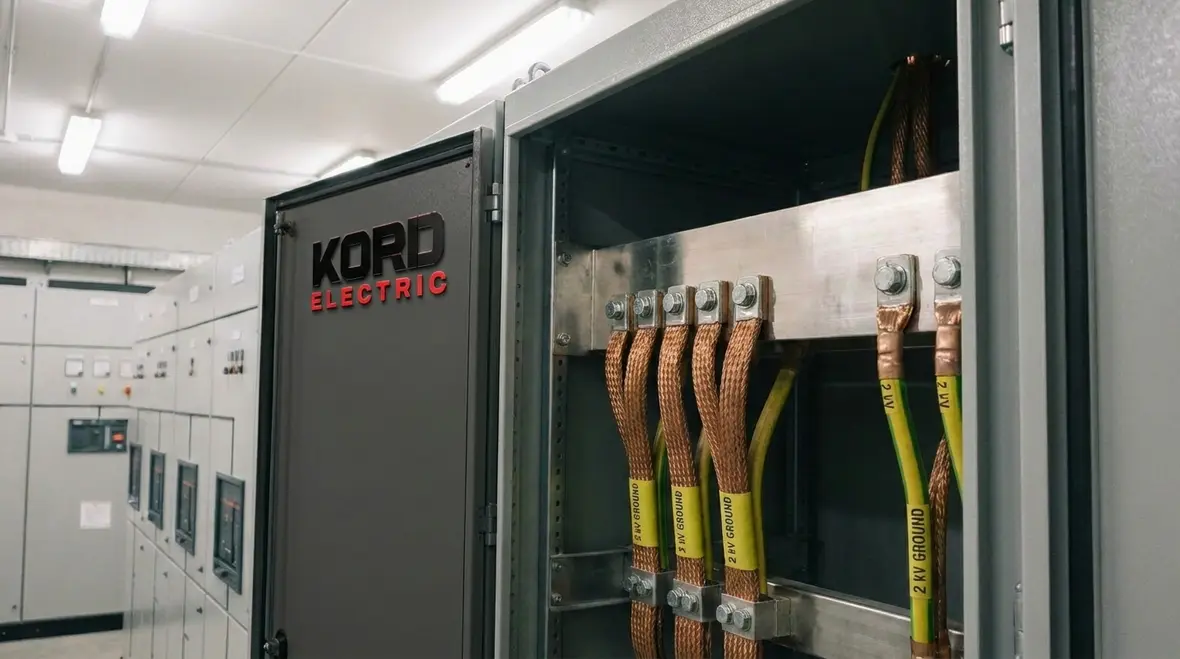
How grounding supports safety and fault control in high voltage networks
When a high voltage system experiences a fault, grounding gives the fault path a controlled route. As a result, protective devices can sense the condition and clear it in the right time window. Moreover, proper grounding helps reduce dangerous touch and step voltages, which can harm people and damage equipment. In addition, it supports equipment insulation performance over time by keeping voltage stress within expected limits.
Now, supervised installations add another layer. Because these systems rely on supervision to identify issues, the grounding setup needs to support that supervision. For example, if grounding is wrong or inconsistent, a fault might not behave how protection expects. Then the “supervised” part becomes more like “super hopeful.”
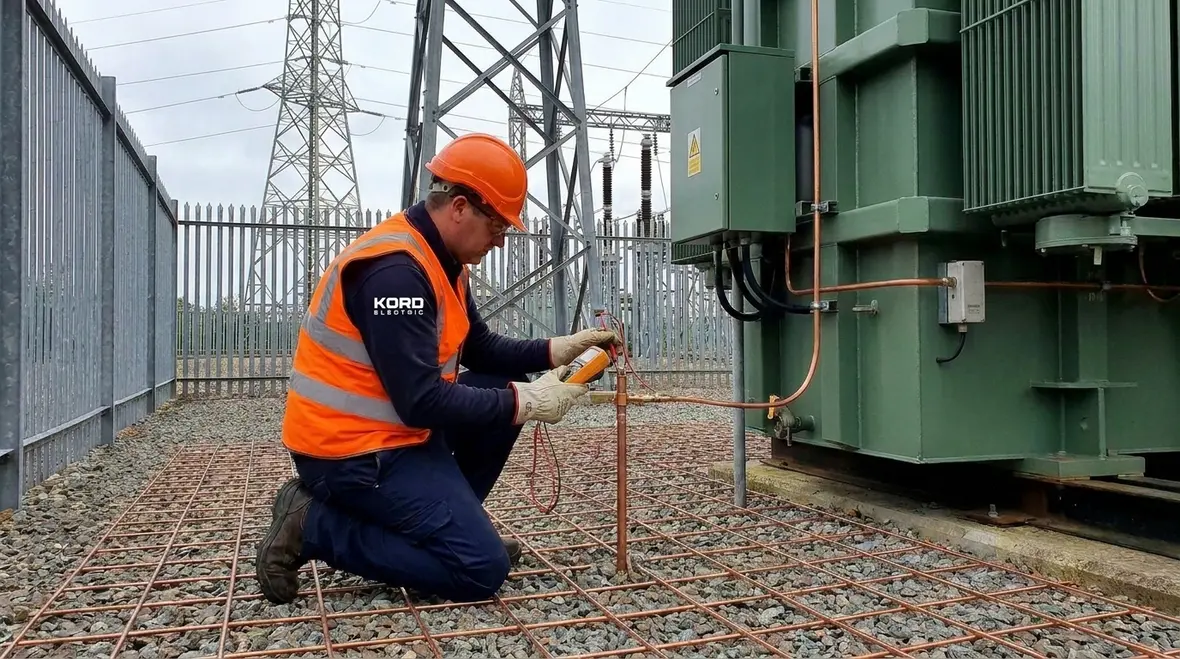
What our technicians check on the ground: practical review steps
Our technicians, backed by our expert service staff, follow a disciplined process when they review NEC supervised installations grounding in the field. First, they confirm the system voltage class and verify that the installation falls under the conditions where Section 270.5 applies. Next, they check the grounding conductors, bonding points, and connection quality. Then they look at how the system is supervised, because grounding and supervision must work together as one design.
After that, they confirm testing and documentation match the design intent. We also verify that installation methods support long term stability. Grounding is not a one time task. Soil conditions change. Connections age. Surfaces corrode. So, we treat grounding as an ongoing obligation, especially for commercial and industrial facilities and major property buildings where continuity matters.
Where supervised grounding connects to system protection design
Grounding does not live in isolation. It must align with protective relays, ground fault sensing, and any supervision features in the switchgear and distribution equipment. Consequently, Section 270.5 does not just tell you to connect things together. It signals that the grounding must support supervised fault behavior in systems above 2 kV.
Therefore, when Kord Electric supports a facility, we review how protective schemes interact with grounding. If the facility uses detection to trigger alarms or protective actions, grounding must help ensure the detection works. If the design calls for stable reference points, grounding must provide that reference. And if the facility needs predictable clearing, the fault path must behave as expected.
Think of it like a symphony. Grounding gives the tempo, supervision gives the cues, and protection plays the melody. If you change one section, the whole performance can get off beat. And unlike pop concerts, power systems do not offer encore options.
Common mistakes we see in commercial and industrial facilities
Through our work across major property buildings and industrial campuses, we notice recurring grounding problems. First, some installations use mixed practices that were fine at lower voltages but do not scale well above 2 kV. Second, bonding and conductor paths sometimes look correct during install but fail later due to corrosion, poor hardware, or inadequate connection methods. Third, supervision systems sometimes get configured without a full grounding alignment check, which can lead to nuisance alarms or delayed fault response.
Also, facilities occasionally lack updated records. As facilities expand, equipment gets added, removed, or relocated. Then the original grounding design no longer matches the current configuration. So, even if the system started out compliant, the site can drift over time. We help clients address that drift through practical, on site review and service support.
Dual column checklist: grounding elements that must align
| Grounding element | Why it matters for supervised installations |
| Grounding conductors and bonding paths | They must create a reliable fault path and support consistent behavior during supervision. |
| Connection quality and hardware integrity | They prevent resistance changes that can affect fault detection and protective action. |
| System reference points | They support supervision logic that depends on stable measurement. |
| Supervision interface with protection | It ensures alarms and protective trips match the expected grounding conditions. |
| Testing, records, and updates | They confirm compliance over time and help facilities avoid drift after equipment changes. |
Training and service support that keeps your staff confident
We do more than wire and verify. We help people understand. Our expert service staff explains code driven grounding decisions in a way that fits real jobsite work, because facilities do not just need compliance on paper. They need competence on the floor.
As an example, we walk facility managers and electrical supervisors through how supervised installations grounding supports protection behavior during faults. Then we explain what our team checks during service visits and what documentation you should keep. And if someone asks a question that starts with, “But why does the code care,” we smile and answer it like it is the most normal thing in the world. Because in a control room, nothing is normal until the lights stay on.
For organizations that want broader context on NEC structure and how it applies to electrical systems, Kord Electric supports clients with resources and guidance. Visitors can also explore related material from Kord Electric’s NEC explainer Understanding NFPA 70: The National Electrical Code Explained for 2026, Kordfire’s code coverage in NFPA 70: All About The National Electrical Code (NEC) 2026, plus more general resources like firepumps.org for industry education and reference points.
Frequently asked questions about NFPA 70 Section 270.5
Next steps: get NEC aligned grounding support from Kord Electric
If your facility operates above 2 kV and uses supervised systems, we invite you to bring your grounding plan to Kord Electric. Our technicians and expert service staff help commercial and industrial teams confirm that NEC supervised installations grounding aligns with NFPA 70 Section 270.5 and works with your supervision and protection design. Then we document findings so your staff has clarity, not confusion.
For facilities across the region, this often ties into broader upgrades and reliability work. Many teams pair a grounding review with projects like Los Angeles County commercial and industrial electrical services so distribution, emergency power, and NEC compliance all move together instead of in isolation.
If you are planning future design or code updates, you can also connect this grounding review to guidance from resources such as our NEC scope overview in the 2026 NEC application requirements guide and our other NFPA 70 explainers. That way, your supervised installations, protection schemes, and documentation stay aligned from service entrance to distribution gear.
Reach out to us today to schedule a review and keep your electrical system steady, safe, and ready for what comes next.


