
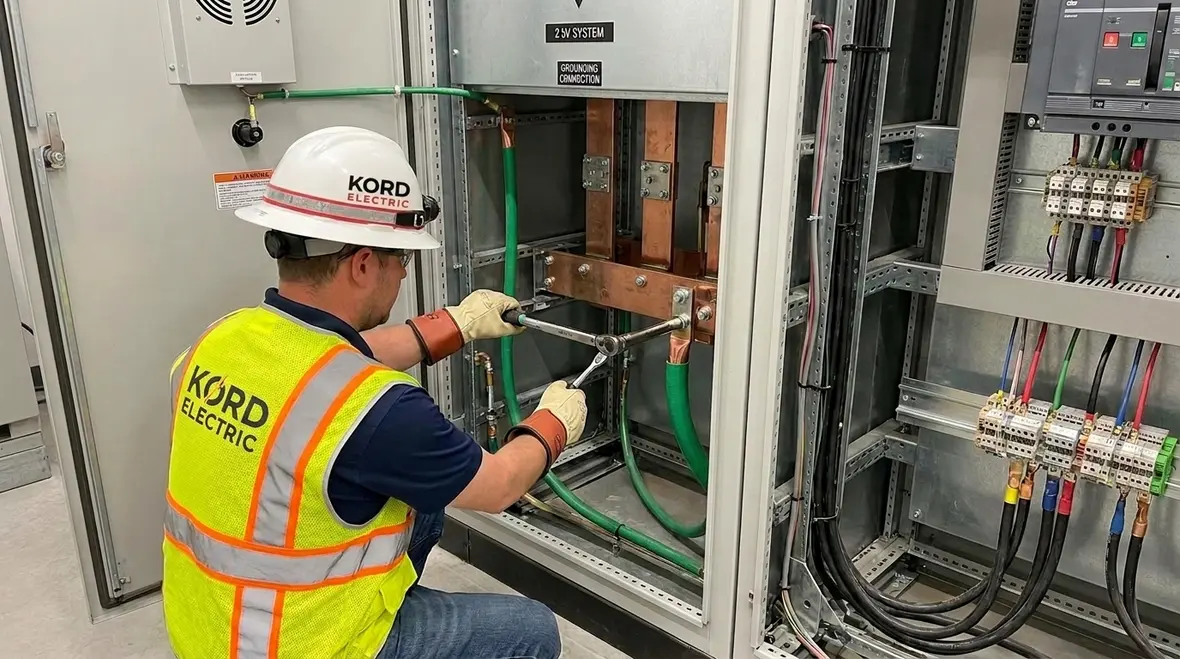
NFPA 70 270.8 NEC Grounding Connections 2 kV Bonding
Kord Electric helps commercial and industrial facilities keep power systems safe, reliable, and code compliant. In this guide, we address NFPA 70 Section 270.8 and, specifically, how the rules apply when you are making NEC grounding connections 2 kV. Early on, our approach is simple: we explain what the code says, then we show how trained technicians apply it on real projects. And yes, we do say “bonding” a lot. But that is because electricity loves clarity, and so do inspectors. If you manage major property buildings, this is the kind of detail that saves downtime, reduces risk, and keeps your facility from turning into an expensive science experiment.
NFPA 70 270.8 and why grounding at 2 kV matters
When you follow NFPA 70 Section 270.8, you do not just meet a checklist. You build a dependable path for fault current, which helps protective devices clear quickly and safely. In commercial and industrial settings, the stakes go up because your equipment keeps running, your uptime matters, and your people cannot afford uncertainty. So we focus on the goal behind the rule: create reliable connecting, grounding, and bonding practices so electrical systems behave as intended during abnormal conditions.
At NEC grounding connections 2 kV, the details carry extra weight. You may be dealing with service or distribution systems, equipment grounded in a way that must stay consistent across components. However, mistakes often happen in transitions: when field wiring meets equipment, when grounds change from one section of metalwork to another, or when installers rely on “it looks connected” instead of proven connection methods. Our expert service staff explains this plainly, because the fix is always easier before the breaker trips. And unlike a bad movie sequel, this is not something you want to “figure out later.”
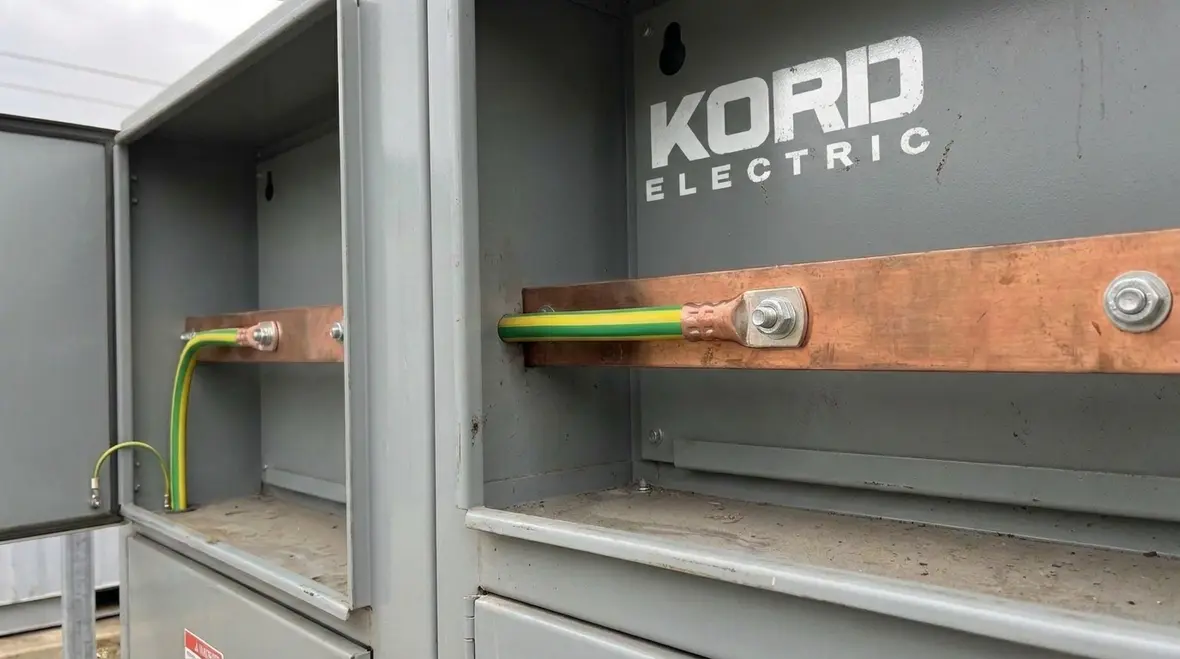
For readers who want a broader grounding and bonding foundation alongside this 2 kV focus, Kord Electric also maintains deep-dive resources like Understanding NFPA 70: The National Electrical Code Explained for 2026, which connects these section-specific rules to your overall NEC planning across major property buildings.
How NEC grounding connections 2 kV are built in the real world
In a facility, grounding and bonding do not live in one place. They show up across switchgear, transformers, raceways, equipment frames, and metallic enclosures. Therefore, a strong design and a clean installation must work together. When we train and support our technicians, we emphasize continuity and correct methods for connecting grounding and bonding equipment at 2 kV systems.
Here is the practical flow we use on major property buildings:
- We verify system boundaries, so bonding stays aligned from the source to the first enclosures and then to downstream equipment.
- We confirm connection types, using the right lugs, conductors, and bonding jumpers when metal parts must be tied together.
- We check routing and protection, because a grounding conductor that is poorly protected can suffer damage and lose its function.
- We document the layout, so future work does not break the bonding chain.
Next, we explain the “why” behind the method. If a connection is loose, corroded, or made with the wrong equipment, fault current may not return as designed. That can delay clearing, elevate touch potential, and raise risk for both people and equipment. Our technicians do not guess, and we do not treat bonding like a cosmetic detail. It is functional safety.
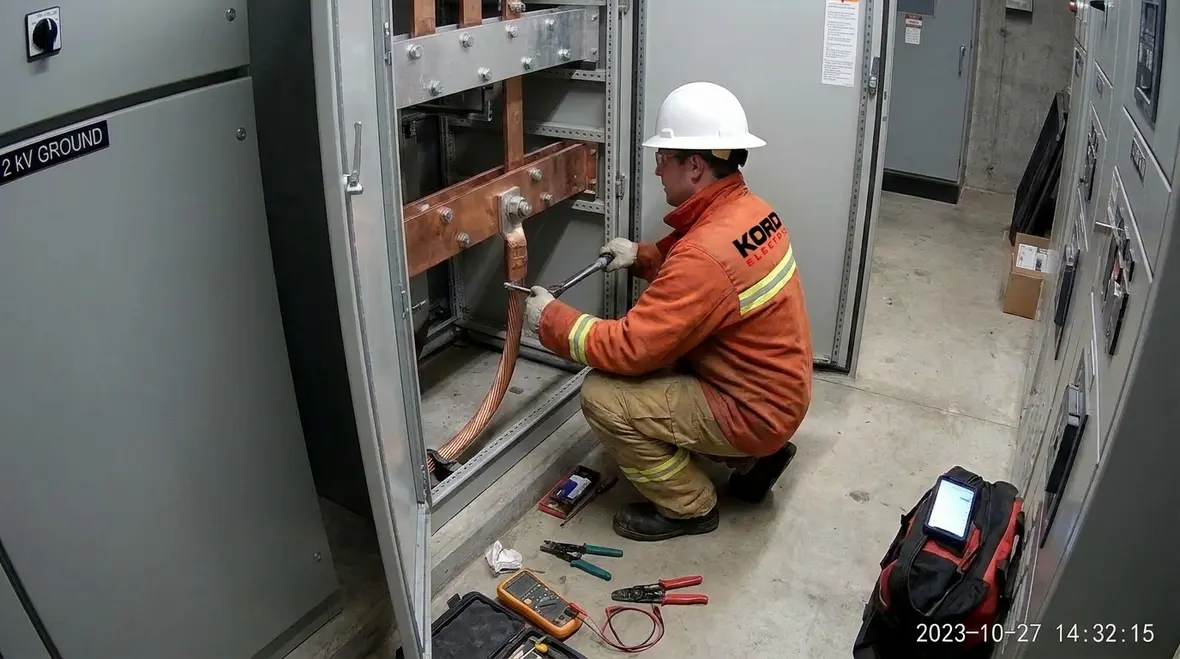
On many high voltage projects, our teams also cross-reference these practices with broader grounding and bonding standards outlined in guides such as Kord Electric’s NEC Grounding and Bonding Basics for Safe NFPA 70, so that 2 kV work fits smoothly into your full-site grounding strategy.
Bonding methods that inspectors expect
Inspectors and safety authorities look for more than the presence of a ground wire. They look for proper bonding that stays effective under expected conditions. For commercial and industrial work, we make this simple by aligning installation practices with what NFPA 70 Section 270.8 requires when connecting grounding and bonding equipment at 2 kV.
In practice, strong bonding means:
- Correct conductor sizing and termination, so the connection can handle the fault current path.
- Solid mechanical bonding between enclosures and frames, especially where equipment sections meet.
- Proper use of bonding jumpers where raceways or equipment interfaces otherwise create gaps.
- Surface prep and secure termination, because painted or contaminated metal surfaces can weaken contact.
And because we work with busy facilities, we also plan around operations. We coordinate installation timing, isolate work areas, and communicate with site leadership. In other words, we treat the job site like a living system, not a static drawing. If a facility schedule is tight, we still make room for safe, correct connections. The faster path is always the one that does not have to be reworked.
Those same principles show up in related NEC topics such as NFPA 70 Section 250.90 NEC Bonding General Requirements and NFPA 70 250.12 Clean Surfaces Grounding, where Kord Electric dives further into how bond quality, clean contact surfaces, and reliable terminations support safe, code-ready installations.
Common installation pitfalls on major property buildings
Even the most well intended teams can stumble. Therefore, we highlight the issues we most often see in the field, especially on upgrades and tenant changeovers in major property buildings.
Here are the pitfalls that can undermine NFPA 70 compliance, including when you are working with NEC grounding connections 2 kV components:
- Interruptions in bonding continuity, such as missing jumpers across equipment barriers or expansion points.
- Improper termination methods, including incorrect lug selection or rushed tightening.
- Corrosion at connection points, often from exposure, damp locations, or poor preparation.
- Overreliance on raceways, where raceways provide a path only if they are continuous and correctly bonded.
- Unverified field changes, especially after cable pulls, equipment swaps, or maintenance activities.
Our expert service staff explains these hazards in plain language during jobsite walkthroughs. We show where bonding breaks, why it matters, and what the correct fix looks like. And yes, sometimes we use the same metaphor more than once, because it works: grounding is not a “maybe.” It is a route the electricity can find when something goes wrong.
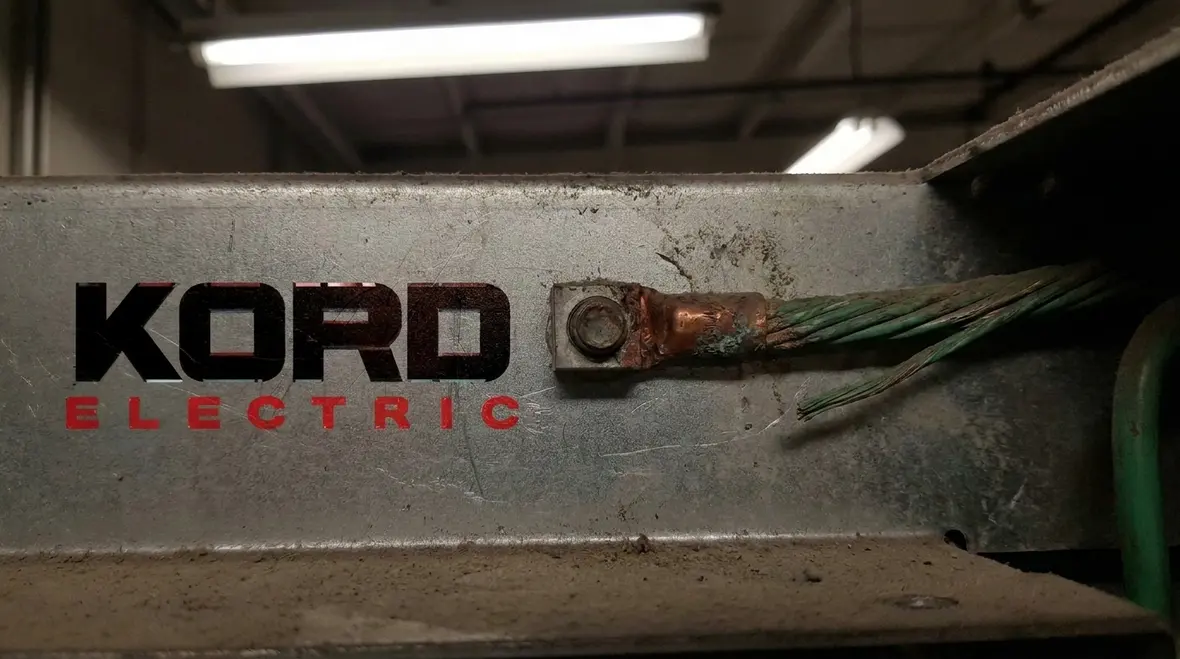
When facilities are planning broader high voltage changes, many teams pair this 270.8-focused grounding review with design guidance from resources like NFPA 70 Section 268.4 Number of Services Above 2 kV and NFPA 70 268.43 High Voltage Service Wiring Methods 2 kV, so high voltage service count, wiring methods, and grounding behavior stay aligned.
What our technicians do differently to stay code ready
Kord Electric focuses on commercial and industrial facilities and major property buildings, and that means we build our process to reduce risk and prevent repeat issues. We do that with discipline, documentation, and careful hands-on work by our technicians.
When a project involves NFPA 70 Section 270.8 for grounding and bonding at 2 kV, we typically bring the following strengths:
- Pre work review that confirms drawings, equipment requirements, and connection interfaces.
- Field verification to ensure the as built conditions match what the code expects.
- Quality checks that verify termination quality, continuity, and secure bonding of equipment frames and enclosures.
- Clear communication with facility leadership so operations do not get blindsided.
We also stay aligned with how our team explains the NEC and code concepts across our knowledge resources. When needed, we connect the dots for stakeholders, because code compliance is easier when people share the same understanding. If you want a steady hand and a calm explanation, we bring that. The goal is not to sound impressive. The goal is to keep your facility safe and ready.
For facilities in regions like Southern California, this attentive approach often pairs with regional project support through services such as Los Angeles County electrical services, where high voltage distribution, grounding, bonding, and long term maintenance get planned together instead of as separate, disconnected decisions.
Quick reference: grounding and bonding at 2 kV, explained simply
To make it easy for facility managers and electrical leads to discuss the work internally, here is the short version of what matters most for connecting grounding and bonding equipment at 2 kV under NFPA 70 Section 270.8.
- Build continuous bonding paths so equipment frames, enclosures, and relevant metallic parts stay properly connected.
- Use correct connection methods for grounding conductors and bonding connections so they remain effective.
- Protect and terminate correctly so the ground path holds up under fault conditions.
- Verify field conditions so upgrades and maintenance do not break bonding continuity.
And if someone tells you “we are sure it is connected,” we gently ask how they verified it. Electricity has a sense of humor, and it usually performs it on the day that nobody wants surprises.
For teams who want to keep studying after this quick reference, Kord Electric’s broader NEC series — including resources like What Is NFPA 70? Understanding the National Electrical Code, 2026 NEC Application Requirements Guide and NFPA 70 Scope, and How to Read NFPA 70 National Electrical Code — helps connect section-level rules like 270.8 to your full code strategy.
FAQ
Get code-ready grounding support with Kord Electric
If your facility runs critical equipment and you manage major property buildings, you need grounding and bonding that holds up under real conditions. Kord Electric brings expert technicians and clear explanations for NFPA 70 Section 270.8 needs, including how to apply NEC grounding connections 2 kV correctly. Contact us to review your current setup or plan a safe upgrade. We keep the process calm, the work precise, and the results code ready. Let us help you avoid surprises that cost more than they should.
When you are ready to take the next step, our team can align your 2 kV grounding work with broader NEC strategy, regional service requirements, and the rest of your electrical infrastructure upgrades, so your facility does not outgrow its grounding and bonding plan.


