
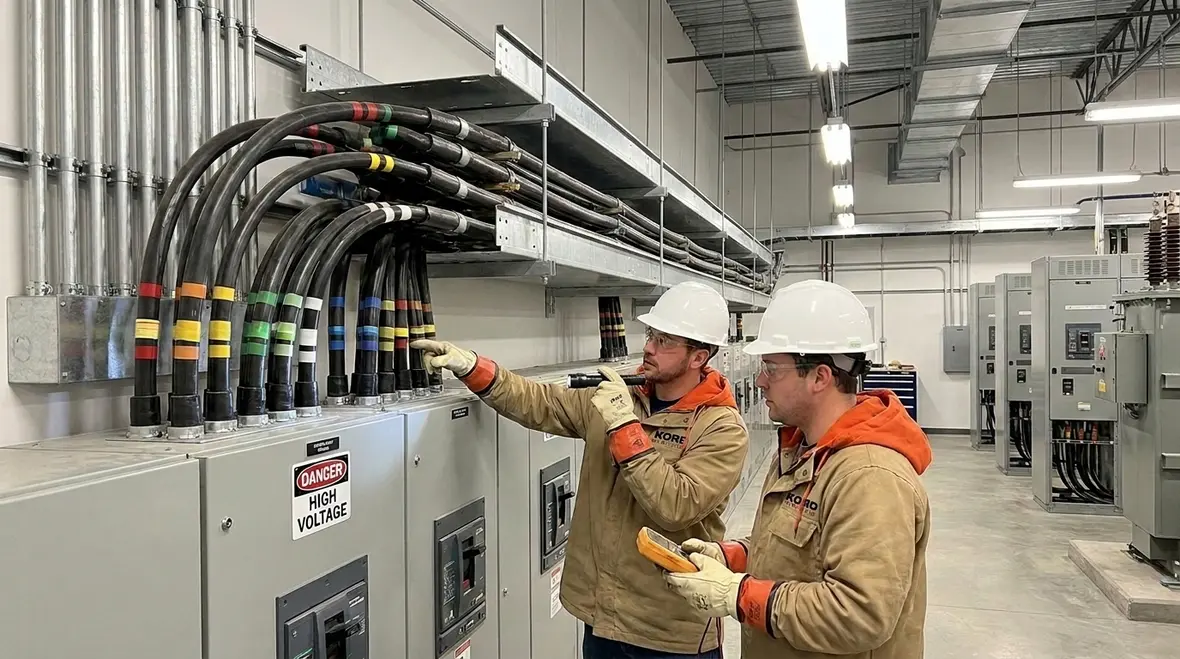
NFPA 70 268.43 High Voltage Service Wiring Methods 2 kV
At Kord Electric, we work with NEC wiring methods 2 kV in the real world, not in a textbook. For high voltage services, we design and inspect wiring so it stays safe, works reliably, and meets the rules that protect people and equipment. In this guide, we follow NFPA 70 Section 268.43 and break down how wiring methods for high voltage services should be handled in commercial and industrial facilities, as well as major property buildings.
And yes, we get it. “High voltage” sounds like a movie scene where everything explodes. However, with the right wiring methods, proper installation, and trained experts, the only thing that should explode is bad guesswork. Our technicians explain the why behind every decision, step by step, so facility teams can approve work with confidence.
NFPA 70 Section 268.43 and high voltage service wiring, explained in plain terms
NFPA 70 Section 268.43 focuses on wiring methods for high voltage services, especially where higher voltage equipment connects to a facility’s electrical system. In other words, it tells installers what wiring systems to use and how to install them so the risk of shock, fire spread, and insulation failure stays low.
Section 268.43 matters most when a facility uses service conductors and circuits where voltage and exposure conditions push installation requirements beyond typical low voltage work. Therefore, teams must not treat these runs like ordinary branch wiring. Instead, we use methods that match the environment, protect the conductor insulation, and support dependable performance over time.
Our expert service staff does more than “check the box.” They review how a building actually operates, where crews work, how maintenance happens, and what conditions exist in closets, vaults, and service entrances. Then they align the wiring method with the code intent: stable performance with clear safety margins.
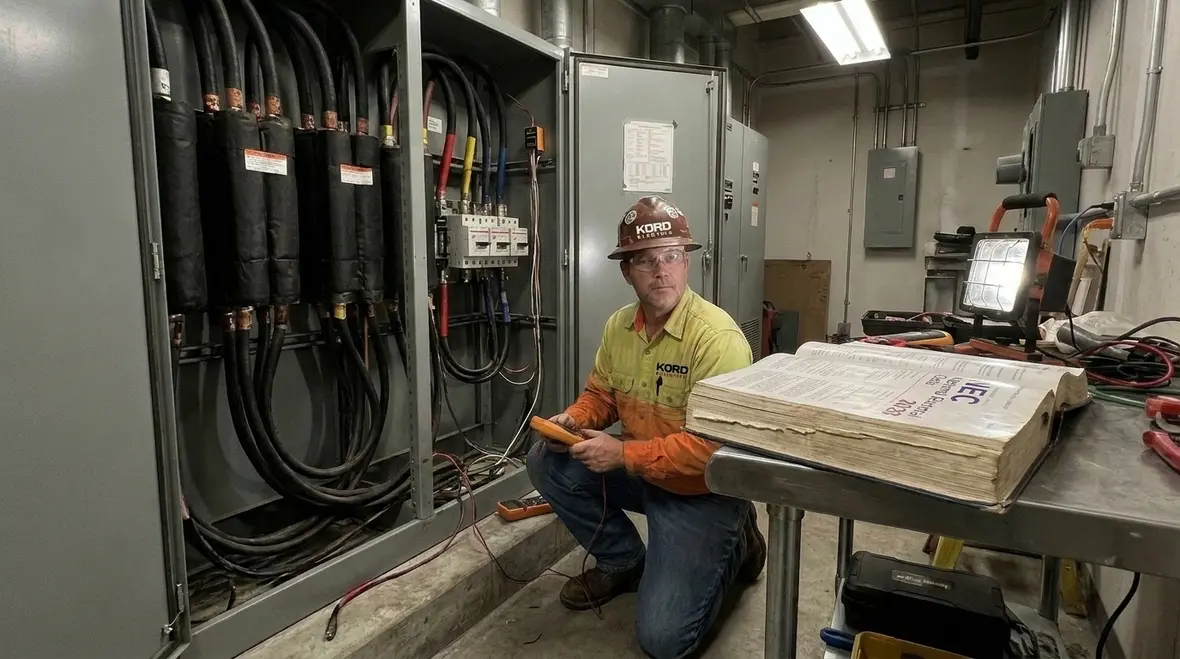
Choosing wiring methods that fit the job, not the guess
When we select wiring methods under Section 268.43, we start with conditions that affect the cable and termination points. Then we match those conditions to the wiring system that the NEC expects. For example, we consider physical damage risk, moisture exposure, heat, and how the conductors enter equipment spaces.
Because commercial and industrial facilities vary so much, we avoid one size fits all plans. Instead, we evaluate the service route, the installation environment, and the termination strategy. As a result, the chosen wiring method helps prevent failures that can show up years later, long after the initial install crew is off the job site.
Our technicians also coordinate with facility teams so routing supports safe access. Additionally, they plan for future maintenance. After all, even the best wiring method suffers when access is blocked and maintenance is forced to use unsafe shortcuts. We would rather handle the “hard part” on day one than fix it during a peak shutdown window.
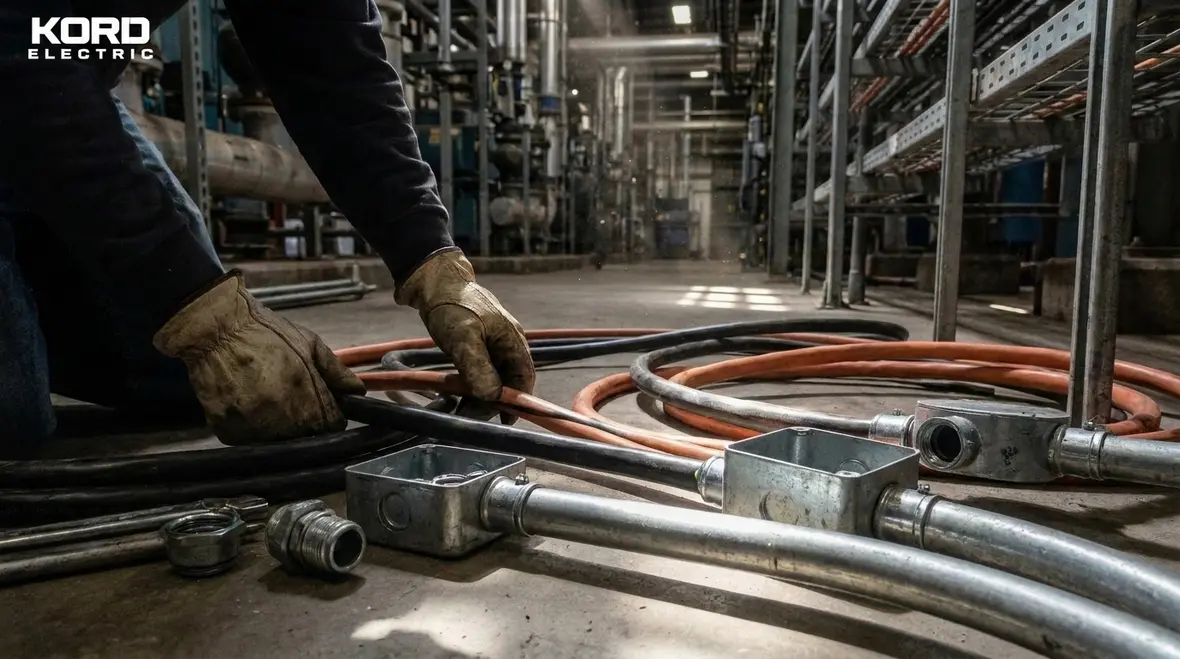
NEC wiring methods 2 kV: where reliability depends on installation details
NEC wiring methods 2 kV come with a key reality: the electrical system does not forgive poor installation. Even when the correct conductor type exists on paper, real performance depends on how it is supported, protected, and terminated.
For typical service wiring, we address how conductors are routed, how they are secured, and how terminations stay within rated conditions. We also verify that insulation integrity holds through pulling, bending, and installation at the service equipment. Moreover, we ensure the wiring method provides the level of protection the environment requires.
Our process is practical and repeatable. First, we confirm design intent and operating requirements. Next, we review the physical path and identify hazards such as sharp edges, vibration zones, or areas exposed to water intrusion. Then we confirm installation methods and workmanship details, including support spacing and protection at entry points.
And as an added benefit, we document what we do in a way that facility operators can understand. When an engineer asks, “Why did you choose this method?” our team can answer clearly, not with vague phrases like “because code.” Code is a starting point, not an excuse.
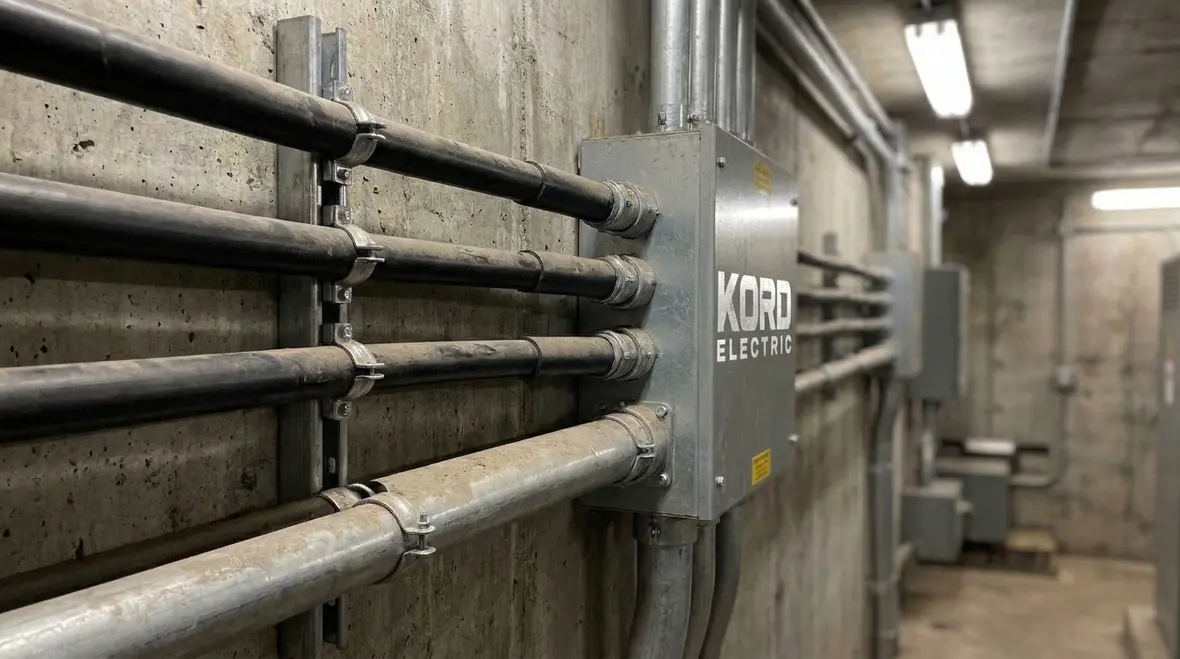
Conduit, cable systems, and protections that keep the service stable
Section 268.43 emphasizes that the wiring method must protect the conductors and support safe operation. That usually means conduit and approved cable systems, installed with attention to physical protection, routing, and the integrity of the system through transitions.
We often see issues when someone treats high voltage runs like “just another conduit job.” However, in a high voltage service, transitions matter. A junction or connection area can become the weak link if protection and workmanship fall short.
That is why our technicians focus on the full pathway from service equipment to the next point in the distribution system. For example, they ensure that the wiring method offers proper support and that the physical environment does not degrade insulation over time. Additionally, they confirm that the installation avoids unnecessary strain, abrasion, and water paths.
If a facility uses a mix of spaces such as cable trays, vaults, and equipment rooms, we coordinate the handoffs so the wiring method remains consistent where needed. Then we validate the setup so it meets expectations for commercial and industrial buildings, where uptime and safety matter every day.
When we work with major property buildings, we also account for how tenants and staff interact with electrical spaces. If the area sees frequent access, we increase attention to protection and labeling. After all, safety is a system, not a single device.
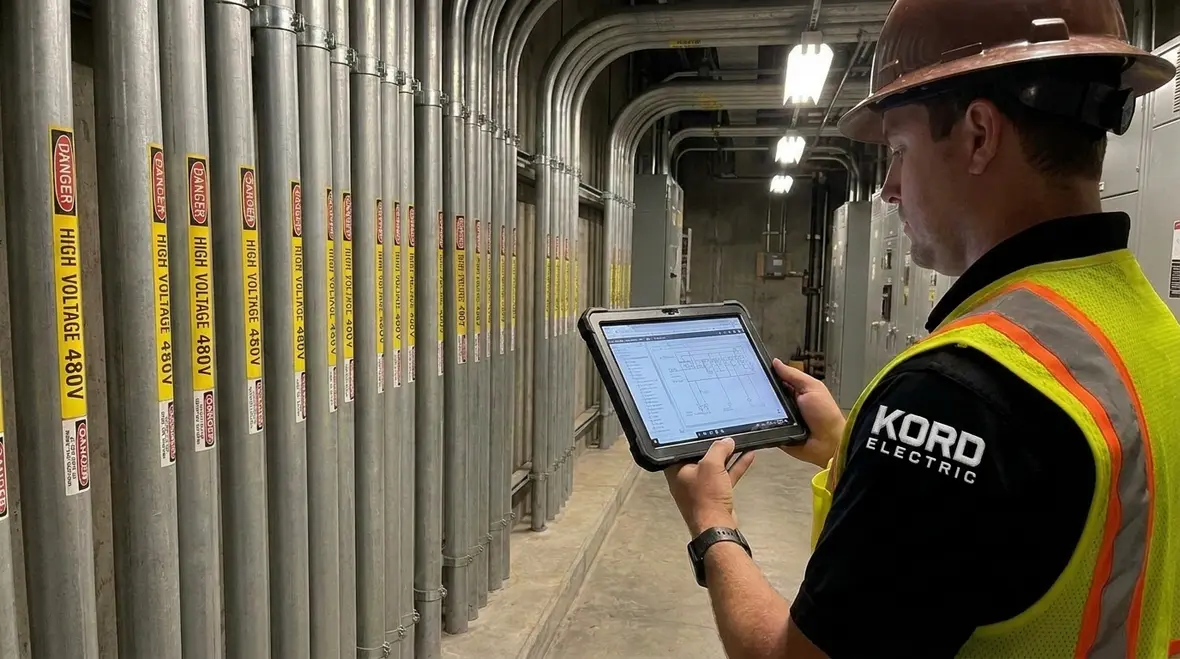
Installations for commercial and industrial facilities: what we watch closely
High voltage service wiring in a commercial or industrial facility has pressures that differ from smaller projects. Schedules move fast, access is limited, and multiple trades share the space. Therefore, wiring methods must handle not only electrical stress, but also jobsite stress.
Our expert service staff watches these areas closely
- Service entrance conditions: We verify how the wiring enters equipment spaces and how protection continues through that transition.
- Physical protection: We evaluate risk of impact, abrasion, and vibration, then adjust the wiring method accordingly.
- Routing clarity: We keep routes logical so crews can install without shortcuts and operators can inspect later.
- Termination integrity: We ensure terminations remain within safe conditions and install details do not damage insulation.
- Coordination with other trades: We coordinate timing so conduits and supports do not get moved, cut, or reworked under pressure.
In addition, we align with the intent behind the National Electrical Code as explained in reputable industry resources, including Kord Electric’s educational materials about the NEC for 2026, such as their guide on Understanding NFPA 70: The National Electrical Code Explained for 2026. For many facilities, that matters because code intent helps teams understand why certain details exist, not just what a checklist demands.
And yes, sometimes we run into the classic problem where someone says, “We can make it fit.” We can, but we do it safely and within the rules. Fit is not the goal. Safety is.
Inspection readiness and documentation that facility teams can use
Even when a wiring method meets code requirements, crews still need an installation that is easy to inspect. In commercial and industrial buildings, inspection readiness helps avoid delays that can stretch a planned shutdown into an unplanned one.
Our workflow supports inspection with clear documentation and consistent workmanship. First, we confirm labeling and identification where required. Next, we ensure support and routing are installed in a way that an inspector can verify without guesswork. Then we prepare the work area so access is safe and inspection does not turn into a safety hazard.
Meanwhile, we educate facility leaders during and after installation. We explain what we installed, why we selected that wiring method, and what maintenance practices support long term reliability. This is where our technicians earn their keep. They do not hide behind jargon. They speak in practical terms, like: “Here is how we protected the run, here is how we handled transitions, and here is what you should look for during routine checks.”
Facilities also benefit when documentation connects to the NEC requirements at a high level, so operations staff can understand the safety purpose behind the decisions. That reduces friction later, especially when new maintenance staff join the building team.
Common mistakes we prevent with disciplined high voltage service practices
High voltage service failures rarely come from one single bad moment. Instead, they usually come from a chain of small issues: incomplete protection, poor routing, rushed terminations, or unclear transitions. Therefore, we focus on preventing the common mistakes that creep into busy job sites.
Here are the mistakes we regularly help teams avoid
- Using the wrong wiring method for the environment: A method that works in a dry area can fail in a moisture rich space.
- Skipping proper protection at transitions: Entry points and junctions need special care so insulation stays intact.
- Overlooking mechanical stress: Pulling tension, sharp bends, and abrasion can damage insulation before the system even energizes.
- Ignoring access needs: If future inspection and maintenance become unsafe or impossible, reliability drops.
- Letting other trades modify runs: Without coordination, conduits and supports can shift, creating long term risk.
We keep the tone calm on purpose. Panicked fixes cost more and create more risk. So we do what effective teams do: we plan well, install carefully, document everything, and verify. That is also why industry resources such as Kord Fire and related fire and electrical education sites remain useful references for broader NEC understanding, especially when facilities also manage fire protection system coordination.
FAQ for NFPA 70 Section 268.43 and high voltage service wiring
When Kord Electric installs, we install with proof and care
If your facility needs safe high voltage service wiring, Kord Electric brings disciplined planning, trained technicians, and careful installation methods. We focus on NFPA 70 Section 268.43 expectations so your system protects people, supports reliability, and passes inspection with less stress. Our team explains each step in plain language, so facility leaders stay in control. Contact us to review your high voltage service plan and wiring method choices before work starts. We would rather prevent problems than chase them, like a villain with a clipboard.
For facilities planning broader upgrades, high voltage service work also connects naturally with Kord Electric’s commercial electrical system services across Los Angeles County. If your building needs coordinated design, installation, and maintenance support, explore our Los Angeles County electrical services for commercial and industrial facilities to align high voltage service wiring with the rest of your power infrastructure.


