
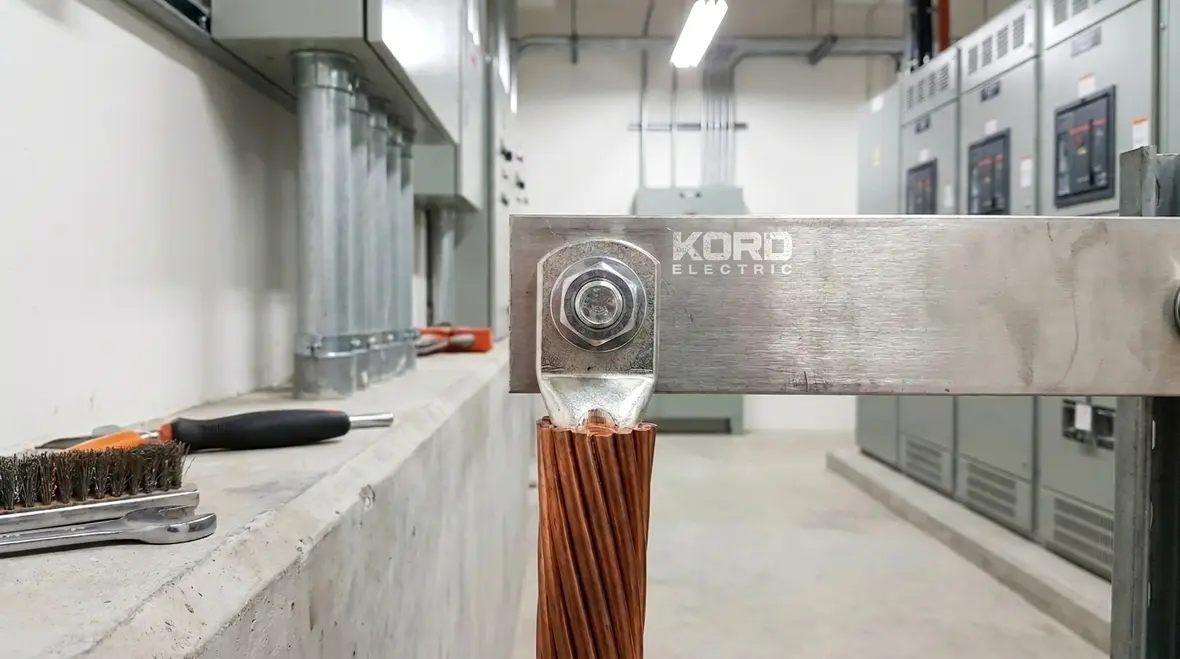
NEC Clean Surfaces Grounding 2 kV Compliance by Kord
At Kord Electric, we work on commercial and industrial facilities and major property buildings, where electrical systems do real work and do it safely. So when we talk about NEC clean surfaces grounding 2 kV, we do not treat it like a fancy phrase for a safety poster. We mean it as a practical requirement for high voltage ground connections, especially when a system uses 2 kV class conductors and grounding paths. In other words, if the connection surface is dirty, the system does not care that your schedule is tight. It still expects a reliable path to ground. And we would rather keep the job moving than explain later why electrons chose drama.
In this article, third person readers will see how NFPA 70 Section 270.12 directs teams to keep grounding contact areas clean, what that means in the field, and how Kord Electric’s technicians and expert service staff make the details clear on-site. We also connect the rule to real commercial workflows, because compliance should feel like a process, not a mystery.
NFPA 70 Section 270.12: Why “clean” affects high voltage safety
NFPA 70, also known as the NEC, includes Section 270.12, which focuses on clean surfaces for high voltage grounding connections. The intent is simple, even if the stakes are not. Grounding relies on electrical contact, and contact depends on surface condition. Therefore, when a facility connects a grounding conductor to an electrode or other approved grounding point, the connection surface must be clean enough to ensure stable electrical performance.
To be clear, this rule does not exist to win compliance points. Instead, it reduces the chance of loose contact, rising resistance, and heat buildup at the connection. Next, higher resistance can create hot spots, and hot spots can create damage. Then, damage can lead to failures when the system most needs to work, such as during surges, faults, or abnormal conditions.
Now, some folks assume grounding is like plumbing. In plumbing, a little blockage might slow flow, but it rarely turns into a wildfire. In electrical grounding, though, poor contact can turn into heat. And heat does not negotiate. It just spreads.
NEC clean surfaces grounding 2 kV: What the code expects in practice
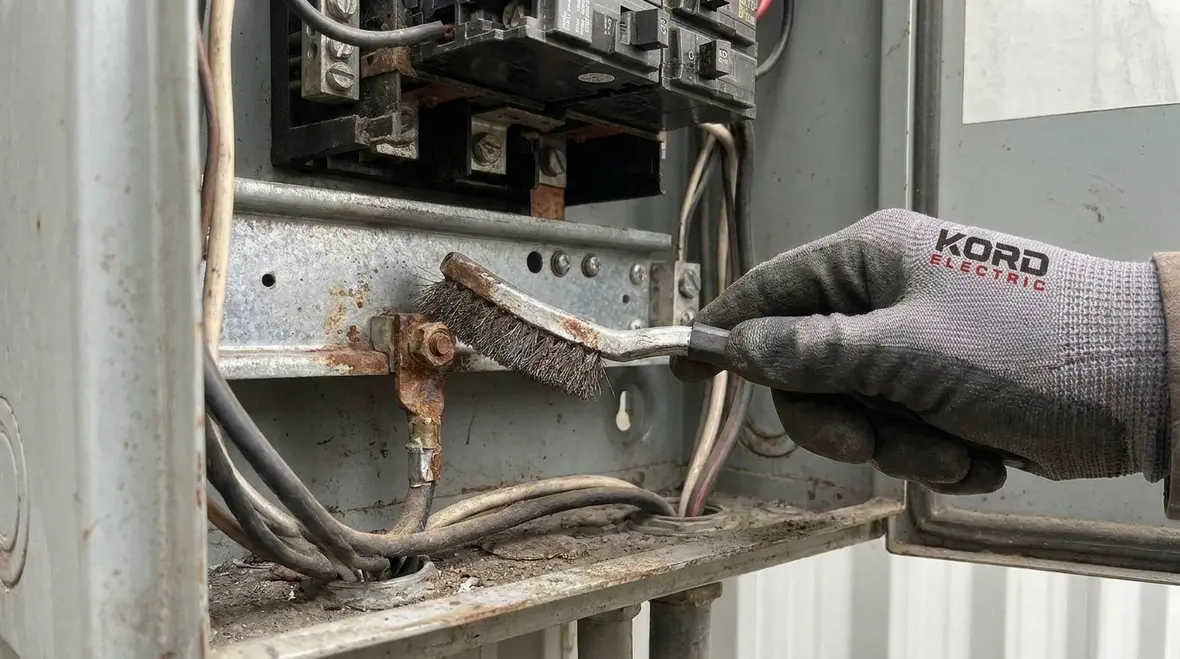
For facilities dealing with 2 kV class equipment, teams must treat the grounding connection surface as part of the electrical design, not an afterthought. Accordingly, NFPA 70 Section 270.12 requires clean contact surfaces for high voltage ground connections. This affects how electricians prepare the electrode, the conductor termination area, and any interface surfaces where the grounding path forms.
Typically, technicians must remove contaminants that prevent good contact. Those contaminants include oxidation, dirt, paint, heavy corrosion, and residues from previous installation work. Moreover, they must ensure the connection area remains clean when the connection is made. In real sites, that means work planning matters. If a crew preps a surface and then waits days before connection, dust and oxidation can return. So, we build clean surfaces into the workflow, not just into the toolbox checklist.
At Kord Electric, our expert service staff explains these expectations in plain language to facility managers and contractors. Then, we align the installation steps with the code intent, so the connection is made at the right time, with the right surface condition. Because in commercial and industrial environments, delays happen. We just plan for them instead of hoping the connection will forgive a rushed schedule.
How crews prepare grounding interfaces without turning the job into a science fair
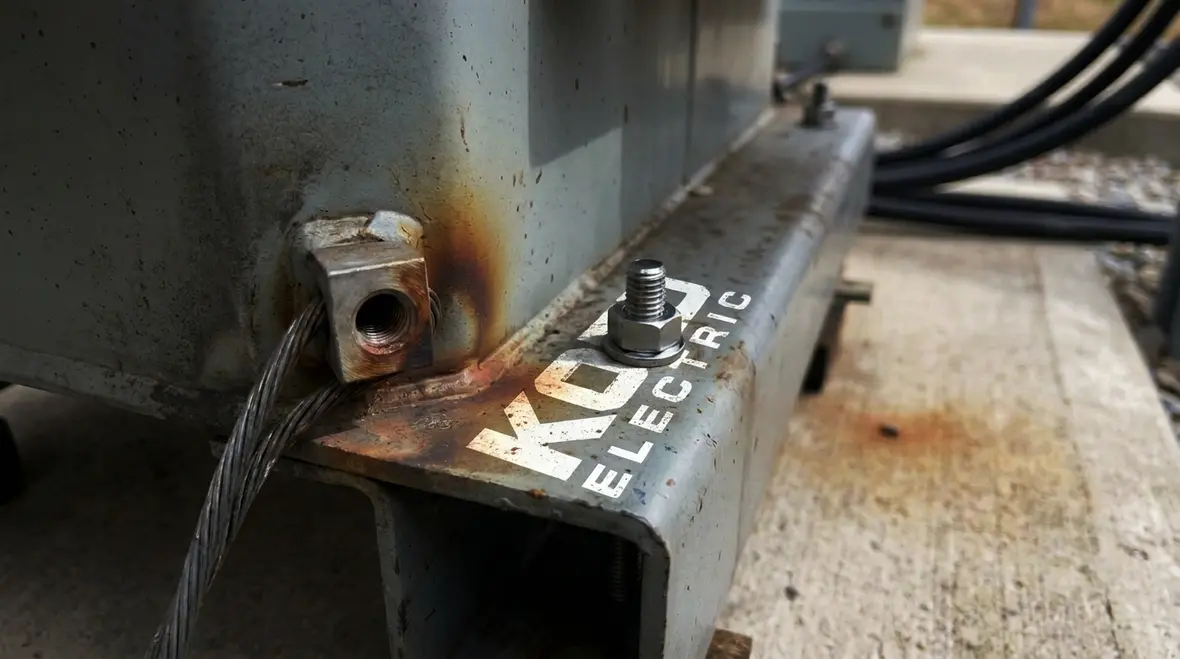
Preparation is where most field problems start, and it is also where success happens. First, Kord Electric technicians inspect the grounding point and the conductor termination area to find contamination risks. Then, they prepare the surfaces in a controlled way so the connection interface meets the “clean enough” standard described in Section 270.12.
Depending on the condition, teams may need to clean or rework the contact area, and they may also need to confirm that the connection method remains compliant. In many cases, proper cleaning means mechanical action that removes insulating layers, followed by verification that the surface is ready for bonding. After cleaning, the crew avoids re-contaminating the interface. For example, they prevent fingerprints, dust settling, and new corrosion from forming before tightening and final connection.
To keep commercial projects moving, we also manage the practical sides: staging tools, coordinating with other trades, and documenting the work. Furthermore, when facilities perform upgrades during normal downtime windows, our staff helps teams time the grounding preparation so the clean surfaces last long enough for the actual connection. Because nobody wants the electrical equivalent of a sandwich that sat out too long.
And yes, sometimes surfaces look clean but behave like they are not. Oxide films can hide under grime. That is why our approach includes careful inspection, not just a quick wipe and a handshake.
Field risks when grounding surfaces are not clean
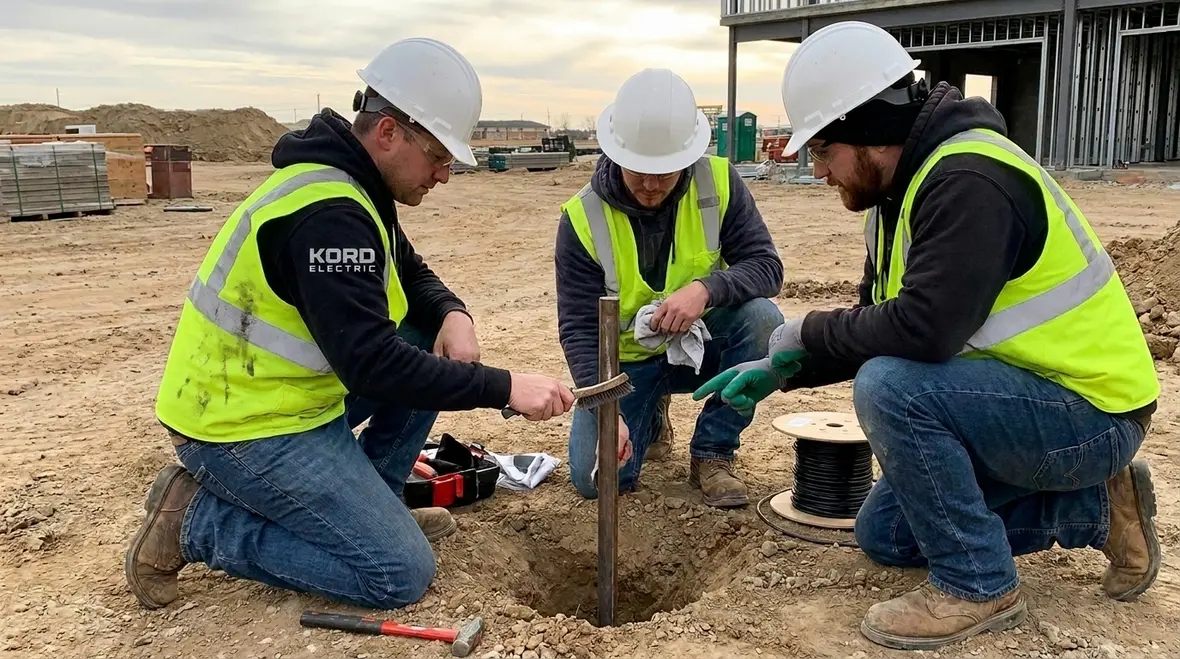
When grounding interfaces include contaminants, contact resistance can rise. As resistance increases, the connection can heat up during current flow. Over time, heat can loosen components, worsen corrosion, and damage nearby materials. Consequently, the grounding system can lose reliability when the facility needs it most.
In commercial and industrial settings, the consequences can spread beyond one connection point. A poorly formed grounding path may lead to nuisance faults, equipment stress, and increased downtime. Then, troubleshooting becomes expensive, and repairs become disruptive. Nobody enjoys chasing an intermittent issue that only appears when the weather, load, or operating mode changes. It is like a sitcom where the plot keeps resetting because one character forgot their lines.
There is also a compliance angle. When an installation does not follow NEC intent, it creates risk during inspections and audits. Therefore, Kord Electric helps facilities avoid the “paper compliance” problem by tying the written requirement to the actual field condition. Our technicians and expert service staff walk through what they did, why it matters, and how the connection supports a safe grounding path.
Step by step: Kord Electric’s approach to NEC compliance for grounding connections
Our process focuses on the connection interface, the timing of work, and clear documentation. First, we plan the scope for commercial and industrial sites, then we review existing conditions and equipment details. Next, our team identifies where grounding connections will form and what surfaces require preparation under NFPA 70 Section 270.12.
Then we execute the work with a sequence that keeps the surface clean at the moment of bonding. Because even a well-prepared surface can lose quality if it sits exposed too long. After that, we verify the connection method, ensure proper assembly, and document the condition before final closeout. Finally, we communicate the results to the facility team in a way that helps them maintain the standard over time.
To support facility owners, our expert service staff explains these steps without hiding behind jargon. We do not just say “it’s compliant.” We show the logic: clean surfaces improve contact, contact improves electrical performance, and electrical performance supports safe fault and surge behavior.
And if someone asks for the quick version, we provide it. Grounding is not a vibe. It is a path. The path needs clean contact.
For teams who want a broader view of how these details align with the rest of the National Electrical Code, Kord Electric also shares in-depth resources such as Understanding NFPA 70: The National Electrical Code Explained for 2026, which helps facility leaders connect grounding rules to design, protection, and inspection workflows across an entire building.
FAQs for commercial grounding: quick answers that help maintenance teams
What facilities should do after installation to keep grounding reliable
Cleaning at install time matters, and maintaining that reliability matters too. After the connection work, facilities should treat grounding interfaces as critical components. Therefore, they should control access during maintenance, prevent new contaminants, and avoid paint or coatings on contact areas unless the installation method supports it.
Next, facilities can schedule inspections aligned with their operating needs and environmental conditions. In many industrial settings, moisture, airborne dust, and chemical exposure increase the chance of corrosion. Consequently, the connection interface can degrade even after a good install. By planning for this reality, facility teams can catch issues early, before they become heat problems.
Kord Electric supports these goals through service work designed for commercial and industrial facilities and major property buildings. Our expert service staff can help evaluate existing grounding connections, explain code-driven maintenance priorities, and guide corrective actions when conditions do not match the required intent. For facilities that also want to modernize distribution, protection, and controls, resources like the Modernize Commercial Building Electrical Systems guide show how grounding quality fits into a broader upgrade plan.
When facilities need a partner who can connect detailed NEC grounding rules with regional requirements and inspection expectations, Kord Electric’s Los Angeles County electrical services bring local experience to design reviews, installation work, and maintenance planning. That way, clean grounding surfaces are not just a one-time project win, but part of an ongoing reliability strategy.
Conclusion: Get expert NEC support from Kord Electric
Grounding reliability should not be left to luck or rushed timelines. NFPA 70 Section 270.12 sets a clear expectation: grounding contact surfaces for high voltage connections must stay clean, including scenarios involving NEC clean surfaces grounding 2 kV systems. Kord Electric’s technicians and expert service staff help commercial and industrial facilities do the work right, document it clearly, and maintain compliance without drama. If your facility needs new grounding, an upgrade, or a review, contact Kord Electric today for a focused, code-aware plan.


