
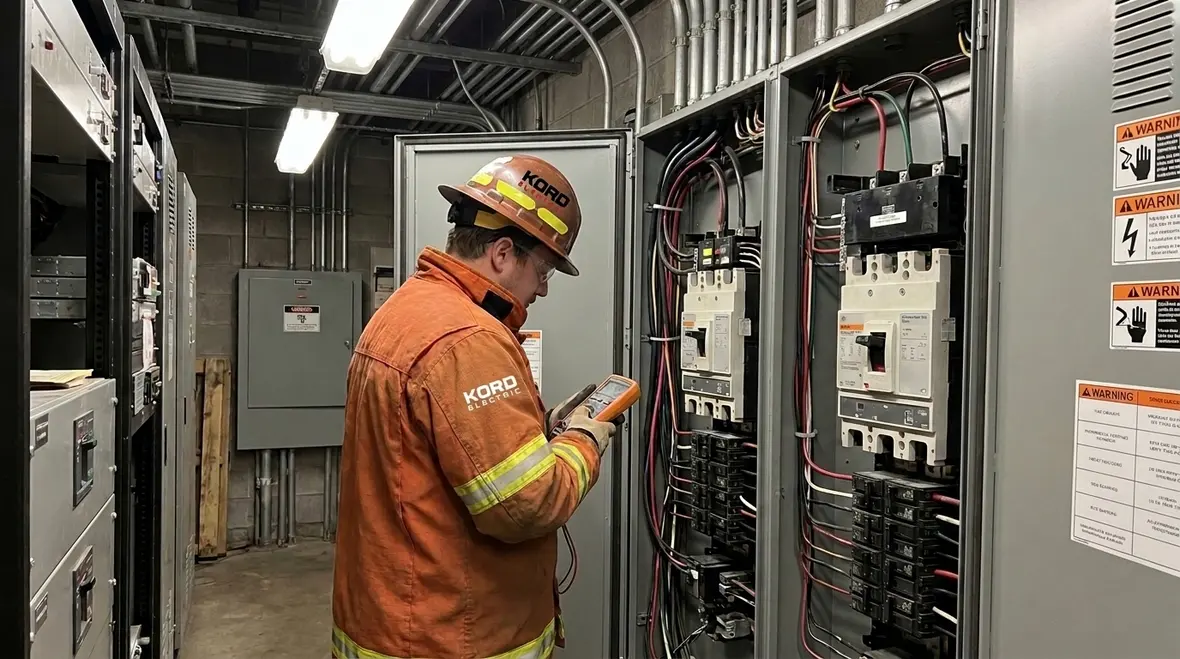
NEC Overcurrent Protective Devices NFPA 70 240.7 Guide
Kord Electric helps commercial and industrial facilities understand NEC overcurrent protective devices by building code knowledge into real world safety choices. In this guide, the team walks through NFPA 70 Section 240.7, the part of the National Electrical Code that explains how overcurrent protective devices protect conductors and equipment. Others can talk code, but Kord Electric technicians and expert service staff explain it like it is, step by step, so facilities stay in compliance and operations stay steady. And yes, nobody wants to find out the hard way that a breaker did not protect what it was supposed to. That is like using a smoke detector as a dinner timer. It feels helpful until it is too late.
The tone stays in third person, but the purpose stays personal, because at Kord Electric the team treats your uptime like it matters. And it does.
NFPA 70 240.7 and why overcurrent matters in real buildings
NEC overcurrent protective devices exist for one job: they stop damage when current rises beyond safe limits. In commercial and industrial buildings, that rise can come from many sources. A motor can draw more current when it fails. A cable can heat up when it has a fault. In addition, certain loads, like HVAC, refrigeration, and process equipment, can create normal surges that look scary at first glance.
Section 240.7 focuses on how overcurrent protection is applied so that the device protects conductors and equipment. Therefore, the code sets rules that help prevent overheating, insulation breakdown, and fire spread. Moreover, these rules reduce guesswork during design, installation, and service.
Kord Electric expert service staff often sees the same pattern during inspections. Someone sized protection based on a label or a rough calculation. Then later, a different load profile shows up, a component ages, or a process changes. As a result, the breaker trips too often, or worse, it does not trip when it should. Kord Electric helps facilities avoid both outcomes by aligning real equipment needs with NFPA 70 basics.
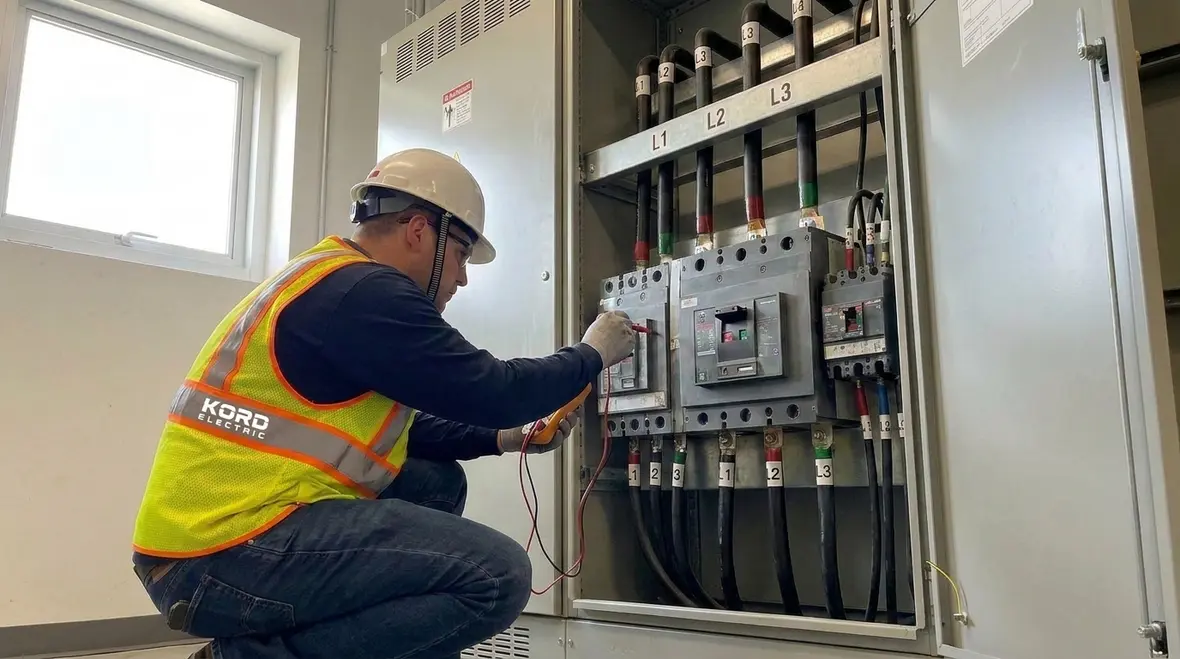
In many facilities, this conversation starts with broader education about how the National Electrical Code shapes everyday decisions. Resources like the Kord Electric article Understanding NFPA 70: The National Electrical Code Explained for 2026 help facility teams connect high level code concepts to the practical decisions they make about protection, conductors, and equipment ratings.
How 240.7 connects protection size to the device trip behavior
Section 240.7 uses a simple logic path. First, the NEC defines overcurrent conditions by how much current flows compared to safe limits. Second, it requires the protective device rating and settings to match the conductors and the equipment it serves. Then it limits how you can “make it work” when the numbers do not cooperate.
In practice, this means the overcurrent protective device must operate fast enough and correctly enough to stop the fault current from causing harm. When it comes to circuit breakers, the trip characteristics matter. For example, some breakers react differently to overloads compared with short circuits. Also, a breaker that resets instantly might still protect conductors properly if it matches the system conditions.
When Kord Electric technicians review a site, they do not just check the panel schedule. They trace feeders, evaluate the conductor type and installation method, and compare that to the protective device used at the origin. That is how the team connects NEC overcurrent protective devices to what actually happens in the building.
- They confirm conductors can handle the heat exposure until the breaker interrupts
- They verify the breaker rating and setting align with allowable conductor limits
- They check coordination so the right device opens during a fault
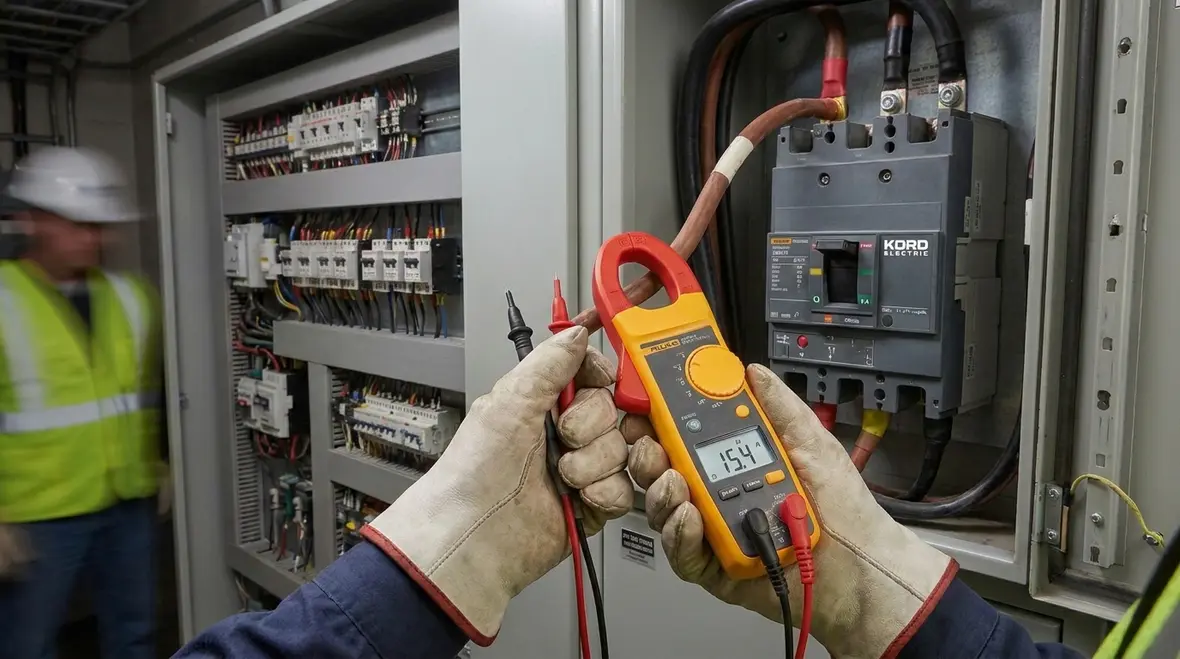
This disciplined approach fits into a wider mindset Kord Electric uses across design and maintenance work. Rather than treating breakers and fuses as isolated parts, the team folds them into full-system planning that includes fault current calculations, conductor ampacities, and realistic operating conditions. That way, the protection scheme behaves like a deliberate design choice, not a guess that “should be fine.”
Coordination in commercial power systems, where nuisance trips feel personal
Even when a device protects, the facility can still suffer if the protection does not coordinate. Coordination means that during a fault, the closest and most appropriate device opens first, while upstream devices remain closed. That keeps other systems running and reduces downtime.
In commercial and industrial facilities, coordination becomes crucial because power systems serve multiple areas and processes. One miscoordination can shut down an entire plant line, a loading dock system, or a critical HVAC zone. And nobody wants to explain to leadership that the building lost chilled water because a breaker played too much defense.
Section 240.7 supports correct sizing and the selection of devices that protect conductors and equipment. Then coordination rules and manufacturer data guide how multiple devices work together. Kord Electric expert service staff often uses coordination studies when the load is complex. If it is simpler, the team still performs practical checks, like comparing available fault current with breaker clearing times and verifying settings for adjustable trip units.
As a calming note, coordination also improves reliability. When devices open for the right reason, operators spend less time resetting breakers and more time running the facility. That is the kind of calm people notice.
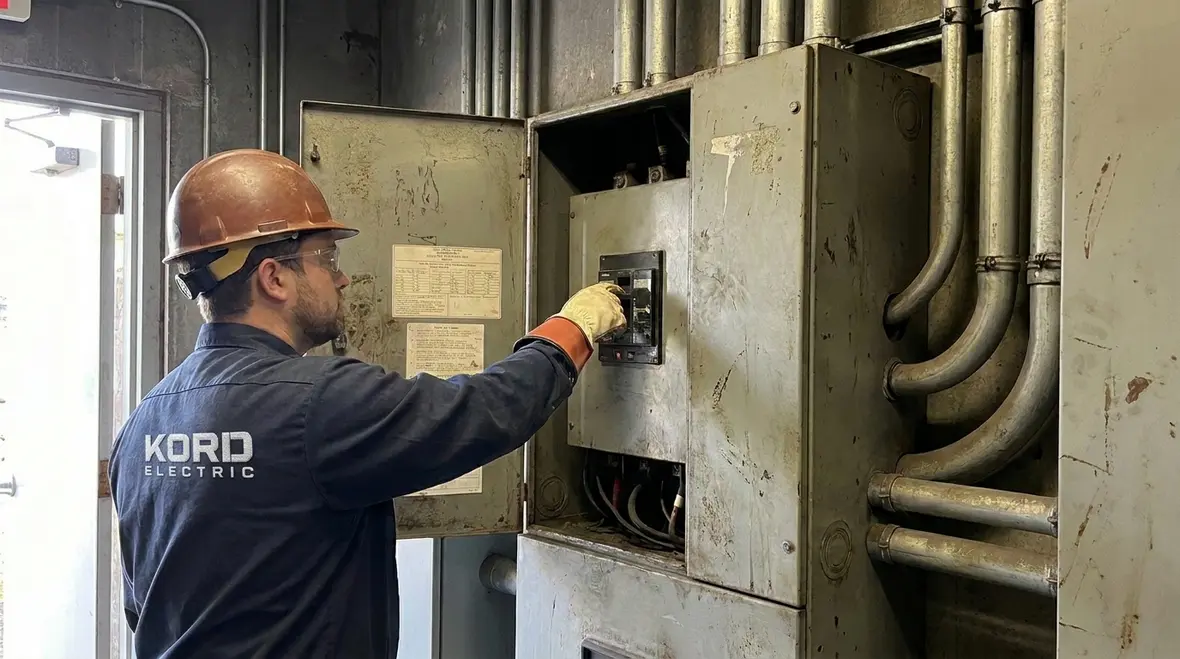
For facilities that depend on sensitive loads, such as data systems, automation lines, or life safety equipment, this type of coordination folds into the broader uptime strategy. Kord Electric often pairs overcurrent and coordination reviews with power quality checks and redundancy planning so that the full distribution system supports business continuity instead of fighting it.
Selecting overcurrent protection for motors and feeders without guessing
Commercial and industrial systems often contain motors, transformers, and feeders that supply panels and subpanels. Those components create current profiles that change with starting, load, and operating conditions. Therefore, selection requires more than reading a nameplate and picking a breaker that seems close.
For motor circuits, protective devices must handle starting currents and yet still protect against overload and faults. In addition, motor controllers and branch circuit protective devices must work as a system. When the protective device opens too soon, you get nuisance shutdowns. When it opens too late, you risk conductor heating, motor damage, and equipment downtime.
Kord Electric technicians approach motor and feeder circuits with a method. First, they identify the load class and starting needs. Next, they match the conductor rating and installation conditions to the chosen protection scheme. Then they confirm the device type and settings suit the application.
Also, they check whether the protection strategy covers the full run, including any device upstream that could fail to coordinate. When facilities skip that step, they often discover it during service calls, when a fault happens and power behaves like it has opinions.
- They verify motor branch circuit conductor and protection match operating and starting conditions
- They ensure feeder protection allows normal operations but interrupts faults safely
- They confirm equipment ratings and conductor limits align with the protective device design
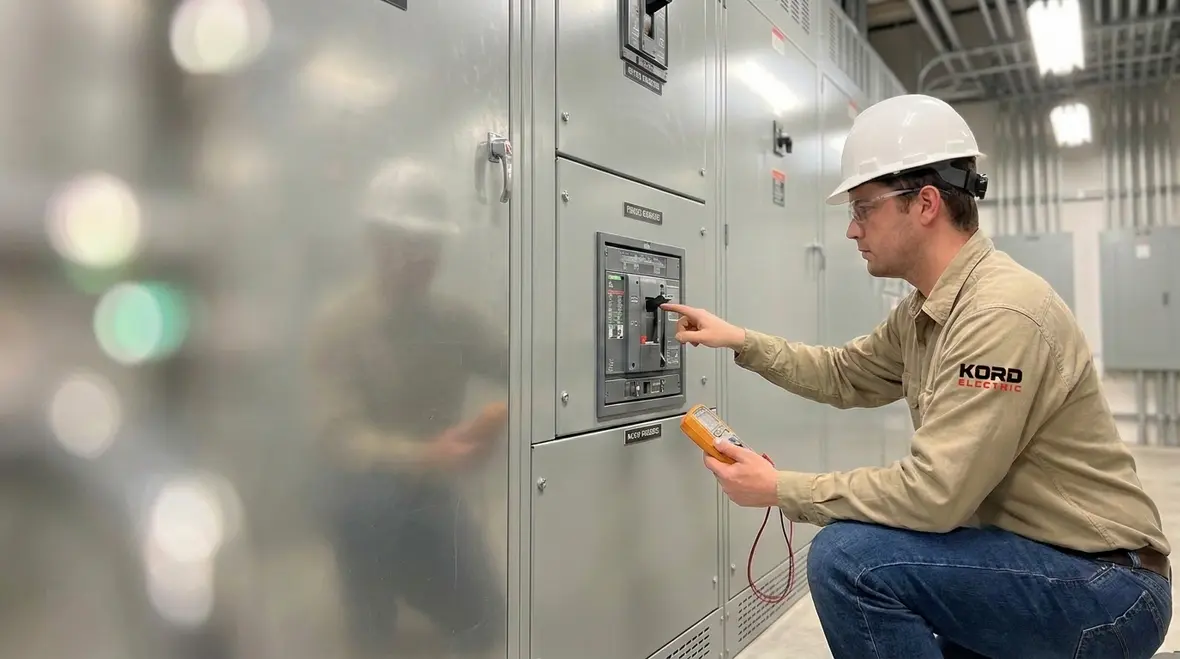
Because motors and feeders often serve as the backbone of production, HVAC, and material handling systems, this is where NEC rules meet daily operations. The right sizing and trip behavior can mean the difference between a brief, localized interruption and a wider shutdown that sends everyone scrambling for answers.
Common field mistakes that violate the intent of 240.7
Section 240.7 supports protection that actually protects. Yet in the field, mistakes show up more often than people admit. And yes, sometimes the mistake is simple, like a contractor swapping a breaker without matching ratings. Other times it is complex, like a system that changed during renovation but the protective scheme never got updated.
Here are the frequent issues Kord Electric teams see while supporting commercial and industrial facilities:
- Using a device rating that does not match conductor limitations
- Selecting a protection approach that ignores the actual load profile
- Overlooking equipment recommendations that affect safe current exposure
- Failing to coordinate devices, so the wrong breaker trips at the wrong time
- Replacing devices with incorrect types during maintenance
When those problems exist, the facility may still “work” most days. Then one day, a real fault happens and the system surprises everyone. Kord Electric helps prevent surprises by applying code basics to specific equipment and wiring paths. The process stays clear. The facility gets answers, not mystery.
How Kord Electric applies NEC basics to upgrades, renovations, and service
Commercial and industrial buildings rarely stay the same. Warehouses add lines. Offices add tenant loads. Manufacturing updates equipment. Meanwhile, power systems face aging components and changing demand.
Because of that, the Kord Electric team treats NEC overcurrent protective devices as part of an ongoing lifecycle, not a one time checkbox. During upgrades and renovations, they evaluate the existing protection scheme, then adapt it to the new load and conductor conditions. During service, they verify that field changes still follow code intent.
The team also collaborates with project stakeholders to keep compliance realistic. After all, code must protect people and property, but it also must support operational goals. That is where Kord Electric expertise matters. The approach stays steady: identify the circuit paths, evaluate conductor behavior under fault and overload, and align protective device choices to the NEC rules.
For further context on the NEC and code driven planning, many facilities also review resources like the broader National Electrical Code overview on Kord Electric’s site, the related NFPA 70 guidance at Kordfire, and aligned public education materials at firepumps.org. Those resources frame the bigger picture, while Kord Electric focuses on what applies to each building and each power system in practice.
When upgrades involve larger scope changes, such as new distribution gear or life safety integration, Kord Electric can also coordinate with related services highlighted on the company’s blog, from emergency power planning to power quality reviews, so that overcurrent protection never gets treated as an isolated afterthought.
FAQ about NFPA 70 Section 240.7 and overcurrent protection
How overcurrent protection ties into broader electrical services
In practice, NFPA 70 Section 240.7 does not live alone. It supports the same reliability goals that guide emergency power systems, power quality, and distribution planning. When Kord Electric designs or upgrades systems, overcurrent protection sits alongside decisions about redundancy, grounding, surge mitigation, and monitoring so that the whole electrical infrastructure behaves as one coordinated strategy.
For facility leaders in Los Angeles County and nearby regions, that strategy becomes tangible through dedicated offerings like Los Angeles County commercial and industrial electrical services. Those services bring together design, installation, and troubleshooting capabilities that keep NEC overcurrent protective devices, distribution gear, and field wiring aligned with both code expectations and operational demands.
Whether the project involves a new distribution section, a panelboard reconfiguration, or a full facility upgrade, Kord Electric uses data from the field, manufacturer documentation, and code guidance to shape protection decisions. The goal stays straightforward: if a fault occurs, the right device reacts, the affected conductors and equipment are protected, and the rest of the facility keeps working.
Conclusion: let Kord Electric protect uptime, not just paperwork
Kord Electric helps commercial and industrial facilities apply NFPA 70 Section 240.7 in a way that fits real equipment, real wiring, and real operating needs. Technicians and expert service staff explain what the code requires, then verify that overcurrent protection choices actually protect conductors and equipment. That includes confirming that NEC overcurrent protective devices are sized correctly, set correctly, and coordinated correctly with the rest of the power system.
If your facility plans an upgrade, a renovation, or a service review, this is the right moment to bring in experienced help. A focused assessment can uncover misapplied devices, outdated assumptions, or coordination gaps before they turn into downtime or damage. With the right plan, the next fault on your system becomes a controlled event, not a surprise headline in the maintenance log.
Kord Electric treats uptime, safety, and code compliance as one combined objective. When Section 240.7 and related NEC rules are applied with that mindset, power stays where it belongs: serving the work, quietly in the background, instead of interrupting your day.
For facilities that want that level of confidence, reaching out for a structured review of overcurrent protection and distribution is a practical first step. The paperwork will follow, but the real win is a system that behaves exactly how it should when conditions change.


