
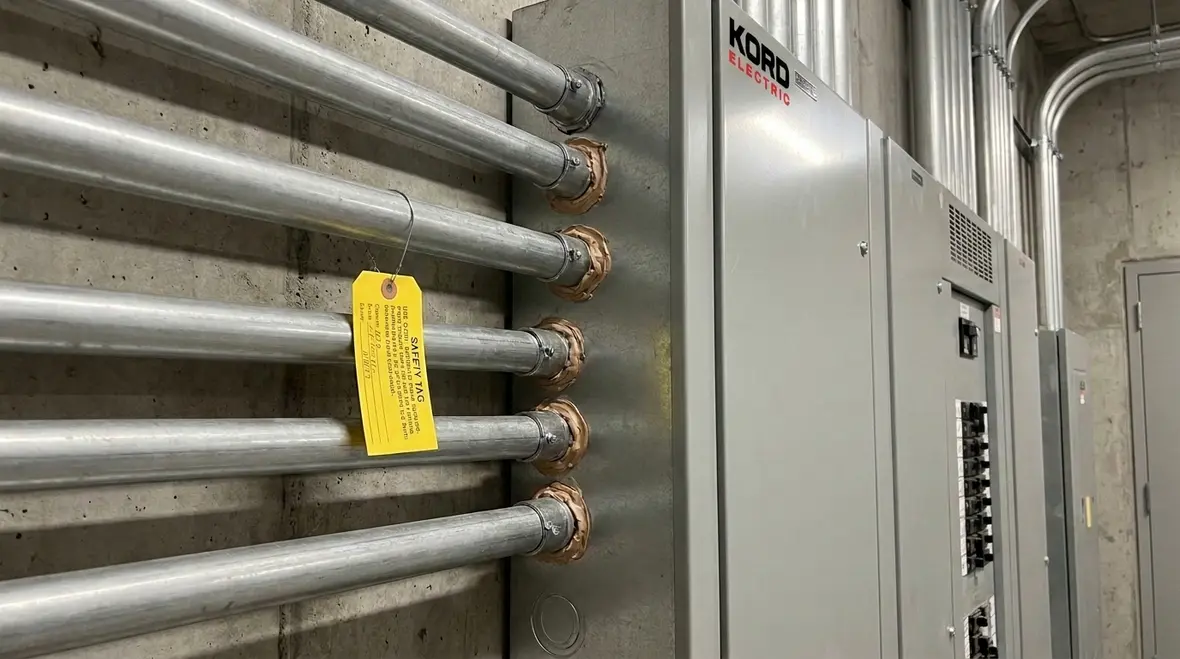
NEC Raceway Seal Service Entrance Explained by Kord Electric
At Kord Electric, we help commercial and industrial facilities keep their electrical systems safe, code compliant, and ready for the real world. In particular, we often start with the NEC raceway seal service entrance, because the first inches of wiring set the tone for everything that follows. When raceways enter a building, they can become an unwanted highway for smoke, gases, and fire spread. So, our team walks through NFPA 70 Section 230.8 and explains what must happen at the service entrance, step by step, before anyone schedules the next outage or signs off on the last inspection. And yes, we promise we explain it in plain talk, because nobody wants to read code the way you read a warranty from a couch manufacturer.
What NFPA 70 Section 230.8 requires for the service entrance
In simple terms, NFPA 70 Section 230.8 addresses how raceways get sealed where they pass through or enter areas that connect to the rest of the electrical system. The goal is to reduce the ability of flame or hot gases to travel through openings, raceways, and other pathways during a fire. Therefore, when raceways enter a building at the service entrance, the code expects protective sealing measures that work like a fire stop, not like a “we will deal with it later” plan.
Our technicians treat this as a real-world risk control, not a paperwork exercise. They do not just look for compliance marks. Instead, they verify the physical setup, because a seal that looks good on a diagram can fail if it gets installed incorrectly or if materials do not match the conditions.
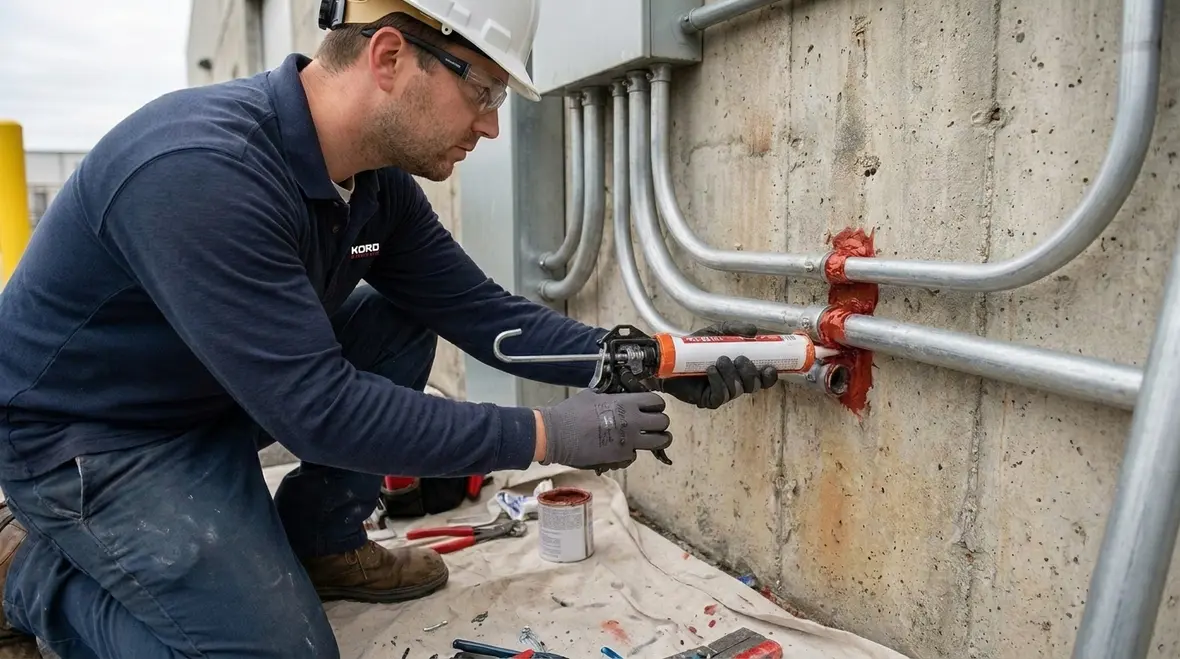
Why a properly sealed service entrance matters for commercial buildings
Commercial and industrial properties face a tough combination: higher occupancy density, more complex equipment, and more critical operations that cannot shut down for long. Consequently, electrical pathways that look “neat and contained” can still create hidden routes for fire and smoke. If a fire starts elsewhere, it can find its way through raceways that pass through enclosures, floors, or walls that should act like barriers.
Additionally, service entrance areas often connect multiple systems. That means a failure in one part can threaten other parts, like a badly placed domino. However, when the facility uses the NEC raceway seal service entrance approach correctly, it helps slow down the movement of heat and gases along raceway runs, which supports safer evacuation and better firefighter access.
We also remind our clients that inspections do not happen in a vacuum. Inspectors look at installation practices, not just the idea. So we make sure the seal location, type, and method align with the code intent, and we document the work so everyone stays on the same page.
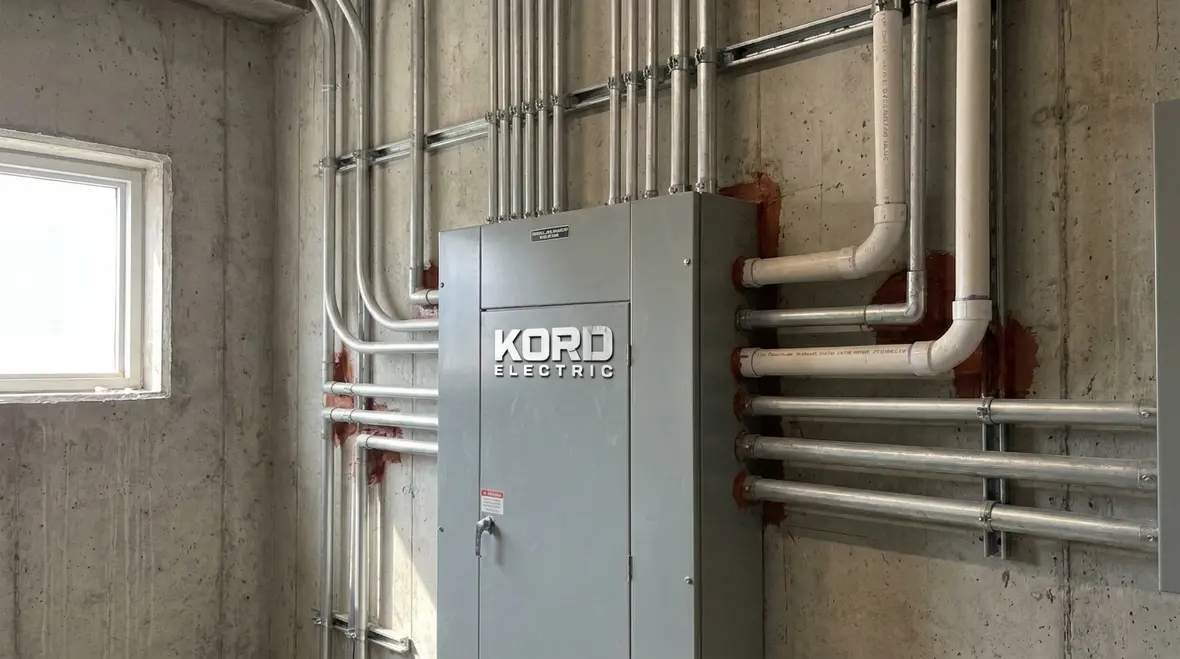
Where seals get installed and how inspectors evaluate them
Section 230.8 focuses on the service entrance and the raceways that connect to the premises wiring system. Generally, sealing applies where raceways penetrate into the building or terminate at critical boundaries that could allow fire spread. Yet the practical details depend on the building layout, the route of the raceway, and the materials involved.
When inspectors evaluate the installation, they often ask simple questions with serious consequences:
- Did the electrician install seals at the correct boundary, where the raceway enters the building system?
- Did the installation stop the passage of flame and gas, rather than just “fill space”?
- Are the sealing materials listed or suitable for the specific conditions?
- Was the work done in a way that remains secure and durable after installation?
Our expert service staff explains these points in meetings and pre-job walk-throughs, because good communication prevents rework. If the site needs coordination with other trades, we schedule that coordination early. In the end, the best installations look boring, because everything matches and nothing needs to be fixed at the last minute.
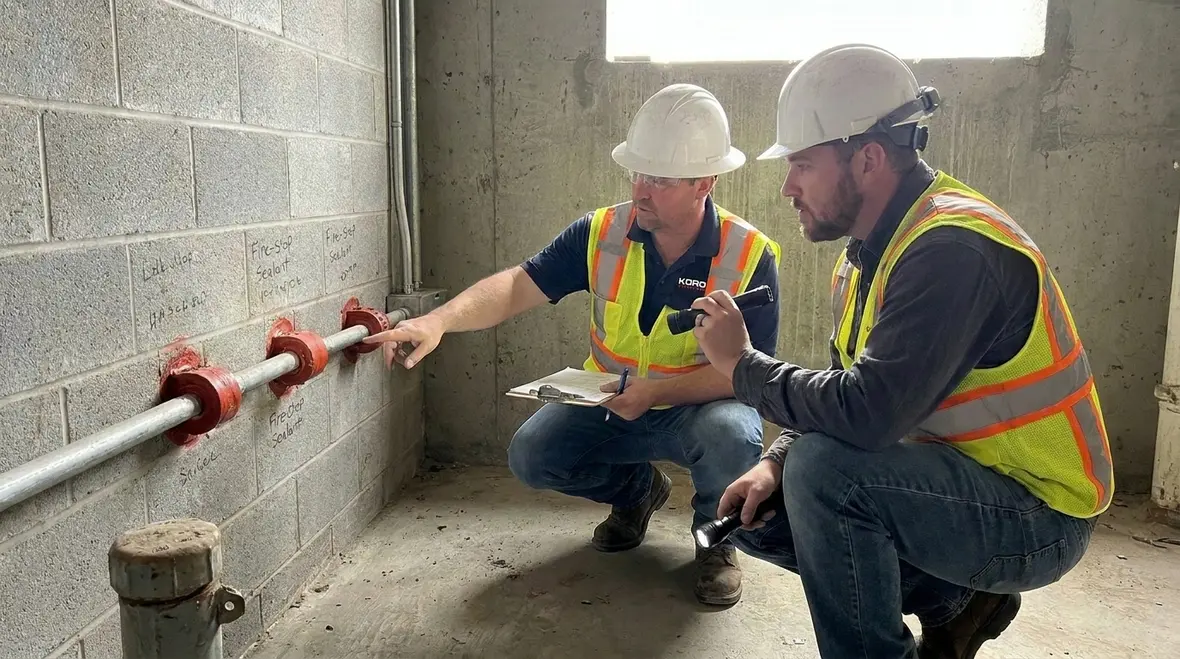
Common mistakes we see during service entrance reviews
Even good teams can make avoidable mistakes when timelines get tight. And yes, we have seen more than one “temporary solution” that lasted longer than expected, like that famous leftover pizza that mysteriously still exists in the fridge two weeks later.
Here are the issues our technicians watch for when reviewing raceway sealing at the service area:
- Wrong seal type: Using a seal method that does not fit the listed purpose or the site conditions.
- Incomplete sealing: Leaving gaps around penetrations, so heat still travels through the opening.
- Improper location: Installing seals where they look neat instead of where the code intent requires them.
- Rough handling: Damaging the raceway or seal during pull-in, conduit adjustments, or trimming.
- Missing coordination: Not aligning electrical sealing with firestop requirements for the rest of the penetration.
Moreover, sealing often gets treated like a last step. Yet sealing needs to be planned. We bring it into the project discussion early, so the facility avoids delays during inspection windows. That approach also keeps the electrical system installation clean and predictable, which matters in active industrial environments.
How Kord Electric plans seal work for speed and safety
At Kord Electric, we serve commercial and industrial facilities and major property buildings. That focus means we treat code work like operations support. First, our team gathers the electrical single line, conduit routing, and the service entrance details. Then we verify what boundaries apply on the site, based on the actual construction.
Next, we plan installation sequencing. For example, we coordinate sealing requirements with conduit runs and with any access limits near the service entrance room. As a result, teams do not need to break down finished work or reopen enclosures later.
Finally, we document what we do. Our technicians explain the “what and why” in plain language, and we make sure the facility understands how the seal supports fire safety. We do this because the best job is the one that holds up during an inspection and still makes sense to the people who maintain it after we leave.
In several cases, we also help facilities connect the dots between the electrical code concepts and fire safety practices. Our references to national code guidance and fire safety resources support a practical mindset. For those who want additional background, Kord Electric’s article Understanding NFPA 70: The National Electrical Code Explained for 2026 helps clients understand the broader NEC framework, not just one section.
How to align sealing with broader NEC and fire safety practices
While NFPA 70 Section 230.8 focuses on raceway sealing at the service entrance, the facility should consider how this fits into the larger system. Fire safety does not come from one device or one rule. It comes from multiple barriers working together, supported by correct electrical design and installation.
Therefore, we encourage our clients to treat sealing as part of a coordinated plan across the building. That plan can include other code sections, inspection requirements, and fire prevention strategies. In practice, our expert service staff also reminds clients to align sealing work with how the building handles penetrations around the service equipment and related pathways.
Additionally, if the facility uses integrated fire protection systems or has dedicated fire alarm zones, the electrical layout should support those boundaries. When the design team, electrical contractor, and fire safety stakeholders coordinate, the building behaves more predictably in an emergency.
For organizations that want to broaden their understanding, resources such as kordfire.com’s NFPA 70 overview and Kord Electric’s code guides help frame how national electrical and fire safety concepts connect in real installations.
FAQ about NFPA 70 Section 230.8 sealing at the service entrance
Schedule a code focused service entrance review with Kord Electric
If your facility has a service entrance area, Kord Electric can help you get it right before the inspection clock starts. Our technicians and expert service staff explain NFPA 70 requirements in clear terms, then apply them with careful planning, correct materials, and tidy installation. We serve commercial and industrial facilities and major property buildings, because those sites deserve precision.
As part of a broader compliance approach, many facility leaders pair a service entrance review with other NEC-focused evaluations, including branch circuit scope, identification, and voltage limitation reviews. The same mindset that protects your NEC raceway seal service entrance also supports safer panels, clearer labeling, and more predictable equipment performance throughout the building.
For properties in Southern California that need hands-on help, Kord Electric’s Los Angeles County electrical services team supports everything from detailed service entrance upgrades to larger NEC-driven modernization projects. That way, your next shutdown, outage, or expansion happens on your schedule, not the inspector’s.
Call us or request service to schedule a review for your NEC raceway seal service entrance and related pathways. Let’s make your next inspection boring, in the best way.


