NFPA 70 230.10 Vegetation as Conductor Support Explained
Kord Electric helps commercial and industrial facilities keep their electrical service installations safe and code compliant. When NEC vegetation as conductor support shows up around service drops, it can turn an otherwise solid system into a slow moving problem, the kind you do not hear about until it is already acting up. So, we explain what NFPA 70 Section 230.10 expects, how it connects to the National Electrical Code, and what our experienced service staff tells facility managers during inspections. In this article, we walk through the rules in plain language, because no one should need a law degree to understand what should not happen outside a building.
And yes, before anyone jokes, nature does not get a permit to hold up your wires. Trees and vines can grow, shift, and conduct problems right into your day. Let us keep the “support” where it belongs: on proper electrical hardware, not on living things.
NFPA 70 230.10 and why vegetation support matters
NFPA 70 Section 230.10 addresses a real field issue. Service conductors experience wind, thermal expansion, and mechanical stress. Meanwhile, nearby vegetation keeps growing, leaning, and changing with seasons. As a result, if vegetation acts like a brace or anchor, it can pull conductors out of proper position or increase strain at terminations.
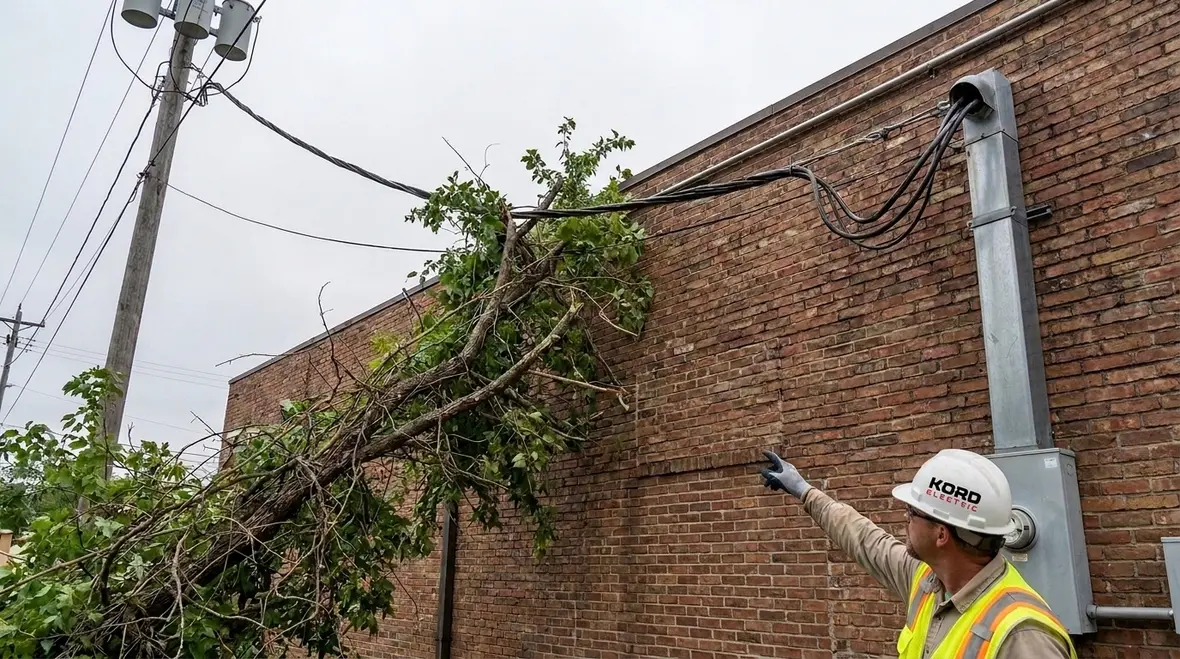
Our technicians see the pattern often. A site looks fine during one visit, then a few growth cycles later, a branch touches or presses against service conductors. Eventually, the conductor insulation sees wear points, and the service connection area can face abnormal stress. Then management asks why a maintenance item turned into a reliability issue. We explain the answer is usually simple: the system started sharing load with something it was never designed to carry.
Because commercial and industrial facilities often have higher load density, uptime expectations, and stricter compliance scrutiny, the stakes rise further. Therefore, the rule aims to prevent vegetation from becoming a hidden mechanical support that changes how the service behaves.
What the NEC expects on commercial and industrial property
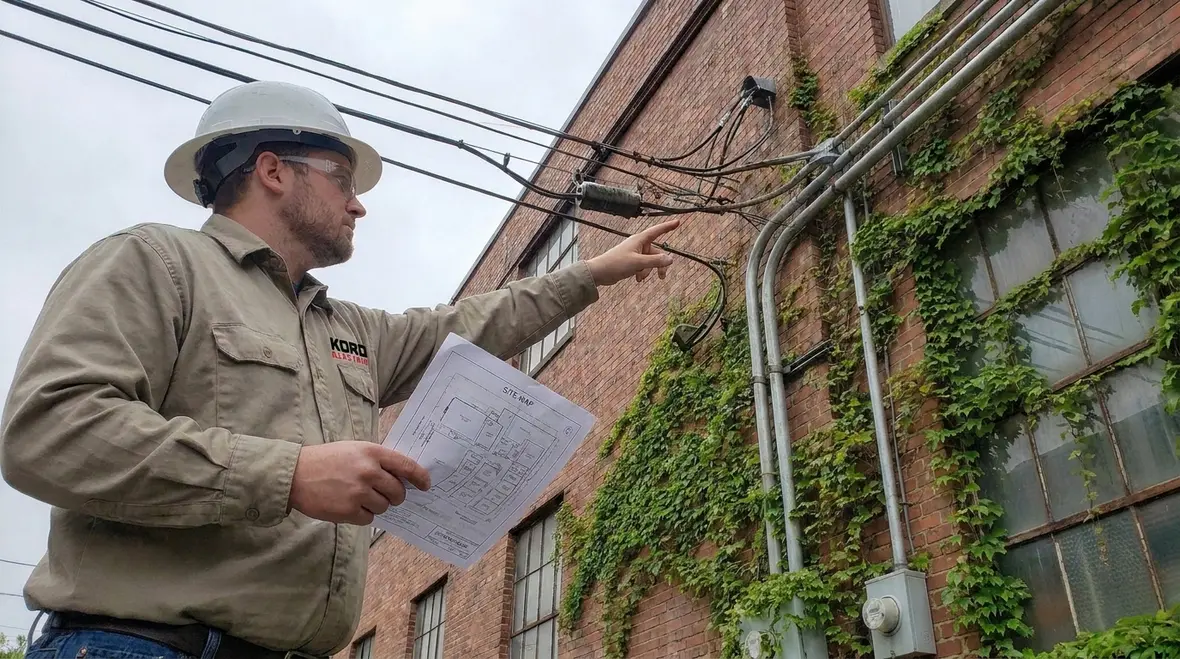
When people hear “code,” they sometimes think it only lives on paper. However, NEC vegetation as conductor support expectations show up in the real world at loading docks, along service corridors, and near fence lines. Our approach starts with site mapping. We review where service conductors enter a building, where utility drops run, and which areas have fast growth.
Next, we look for plants that touch, bind, or cradle conductors. Then we check whether vegetation sits close enough that wind driven movement could press against the line. Our expert service staff also considers the time factor. A branch that is safely separated today can become contact in a single growing season. That is why we treat clearance as an ongoing maintenance topic, not a one time checkbox.
For major property buildings, we also factor in how people access areas. Maintenance crews, contractors, and tenant operations may trim trees for other reasons, but trimming for electrical clearance must follow the electrical intent of the code. Otherwise, well meant cuts can push growth toward the conductors even more.

How conductor contact creates risk step by step
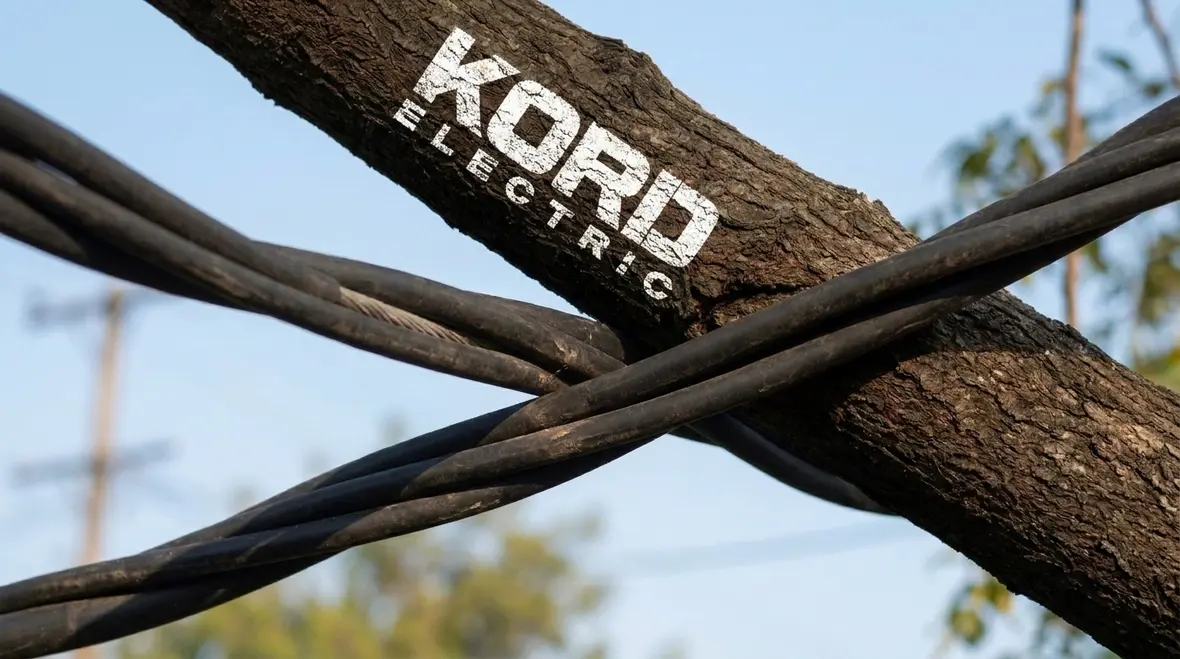
Let us break down how vegetation support can become a safety issue over time. First, a branch that touches a conductor creates a localized point of pressure. Then wind and vibration can increase that pressure, especially at spans that already have movement. After that, plant material can rub against insulation, which may degrade the outer jacket even when the cable looks “mostly fine.”
Second, vegetation can hold moisture. Leaves and moss trap water and dirt, and those conditions can contribute to tracking or surface contamination. Third, when vegetation presses toward a connection point, it can increase stress on fittings and terminations. Finally, when the vegetation grows or shifts again, the conductor geometry changes, which can lead to additional mechanical strain.
To keep this from becoming a headline, we do not just look for current contact. We evaluate likely contact in the near future. In other words, we inspect the path, not only the snapshot.
And if you think this is overthinking, consider this pop culture reality check. In movies, a loose wire is always a dramatic explosion. In real facilities, it is quieter. It slowly turns into nuisance trips, weather related faults, and expensive troubleshooting. The code tries to stop that plot twist before it reaches Act Three.
Clearance, growth, and maintenance planning that actually works
Facilities need a plan that stays accurate after the first trim. Our technicians help clients build an approach that includes inspection schedules, vegetation control methods, and documentation. Because commercial sites change, we align the plan with site usage and contractor access.
We also coordinate with landscape and grounds teams. That matters because trimming tactics differ depending on plant type. For some species, aggressive cutting triggers dense re growth. So instead of “whack and hope,” our team encourages trimming methods that maintain clearance without creating a fast regrowth cycle.
Additionally, we consider how utilities route conductors. If the service conductors run along a building wall, vegetation on that side creates a long list of potential contact points. If conductors cross over open parking or loading areas, we focus on vertical growth and branch reach from multiple angles.
Finally, we make sure the plan includes seasons. In many regions, growth accelerates in spring and summer. Therefore, we often recommend checks before peak growth periods and after major weather events.

Common installation and site scenarios we review
At Kord Electric, we focus on commercial and industrial facilities and major property buildings. That means we see recurring patterns and we know where risk hides. For example, we review:
- Service entrances near perimeter trees where branches can lean toward conductors during high winds
- Vines and fast climbing plants that wrap around hardware and then tighten as they grow
- Fenced edges and landscaping borders where routine trimming gets delayed due to access issues
- Mechanical equipment yards where maintenance crews may not regularly check conductor clearance
- Multi tenant properties where service routing changes over time and the original clearance plan no longer fits
Then we add another layer: we look for indirect support. Even when vegetation does not directly touch the wire today, it can still act as an anchor nearby, guiding movement during wind. That is the subtle part many people miss.
As our technicians explain it, electrical safety does not rely on “probably fine.” It relies on predictable conditions and maintained separation. Like a good training session, we fix the form before the problem becomes muscle memory in the wrong direction.
How we apply NEC guidance during inspections and service upgrades
Code compliance works best when it connects to real service decisions. When we support a facility during upgrades, we confirm clearance around service conductors and we verify that vegetation cannot become conductor support as the site matures.
Our process typically includes a careful walkthrough and a focused look at where conductors run, where they enter, and how nearby growth behaves. We then recommend corrective actions that match the building’s operational needs, because nobody wants downtime that feels like a bad reality show.
Sometimes, the right solution involves a targeted trim and a clear maintenance routine. Other times, we help coordinate with a landscape vendor so the electrical intent stays correct long after the work order closes. When service conductors need re routing or mechanical adjustment, we plan the work to align with the facility’s uptime requirements and safety standards.
In the background, we also keep the larger National Electrical Code context in mind, including how service installations connect to reliable operation. We do not treat NFPA 70 like a list of trivia. Instead, we treat it as a set of safeguards that, when followed, keep power steady and personnel safer. For a deeper code overview that connects directly to modern projects, many facility teams also review Understanding NFPA 70: The National Electrical Code Explained for 2026 and related resources in the Kord Electric blog, then apply those concepts to everyday inspection and upgrade decisions.
You can also explore complementary fire and electrical perspectives through our broader NEC and NFPA coverage at Kord Fire’s NFPA 70 National Electrical Code guide, along with regional context at kordfire.com.au and industry insights from organizations such as firepumps.org whenever fire pump or life safety infrastructure interacts with your electrical service.
FAQ for featured snippets
Get the right fix before it becomes a service call you did not plan
If your facility has trees, vines, shrubs, or growth near service drops or service entrances, we recommend a targeted electrical and site clearance review. Our technicians and expert service staff at Kord Electric focus on commercial and industrial facilities, where uptime and compliance matter. We help you correct risky conditions, plan practical vegetation control, and document what keeps your electrical service safe.
For teams planning broader upgrades, our specialists can also connect your vegetation and service clearance review with wider code strategies, from Los Angeles County electrical services compliance and permitting through to long term maintenance planning for complex sites. That way, the same review that keeps branches away from your conductors also supports safer panels, better labeling, and smoother inspections across the rest of your system.
Schedule an assessment with us today and keep your power system steady, calm, and ready for real life, not just good weather.