NEC Underground Service Ampacity Under NFPA 70 230.23
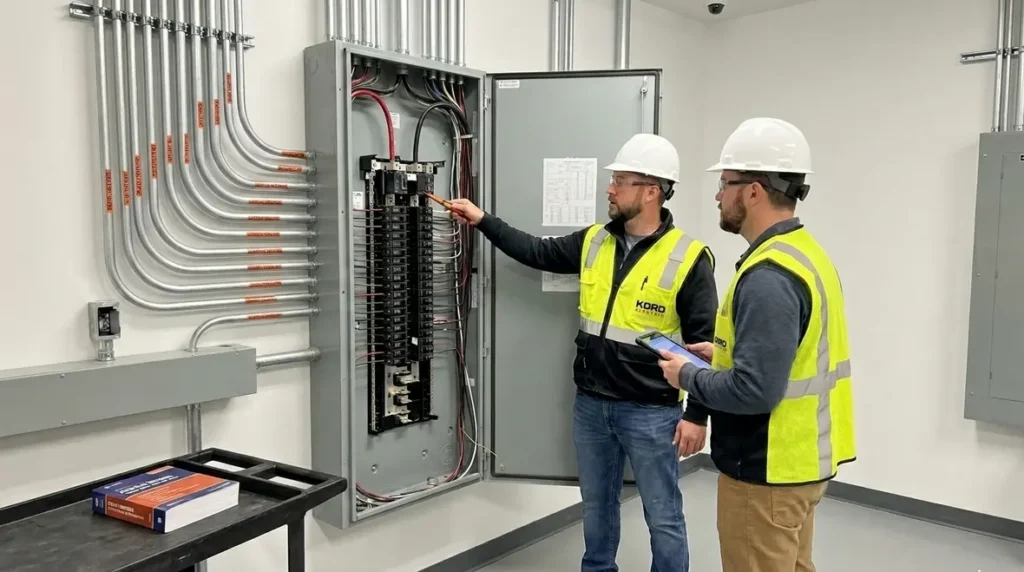
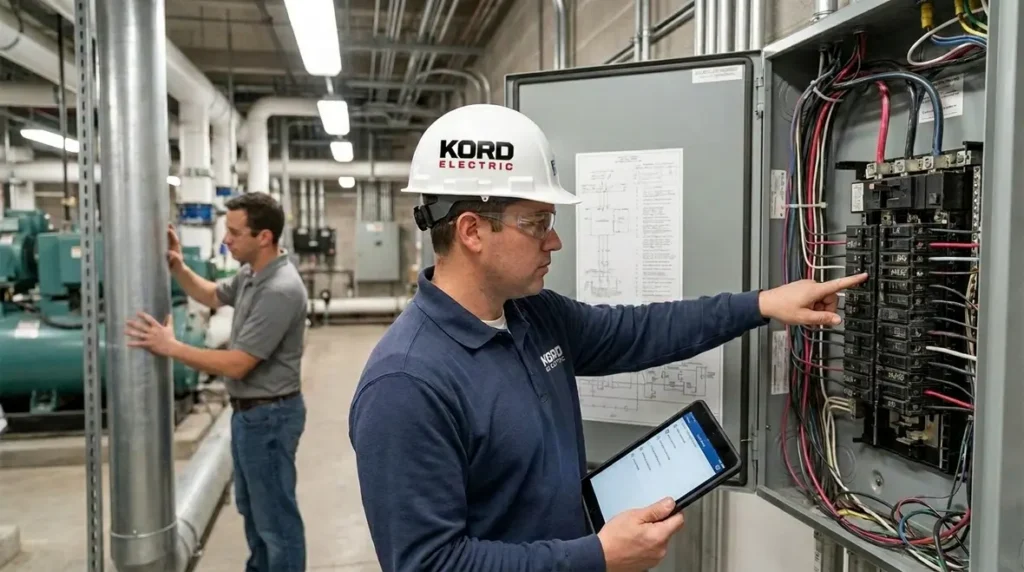
At Kord Electric, we help commercial and industrial facilities keep power safe, reliable, and code compliant. One place we start is NEC underground service ampacity, because Section 230.23 sets the rules for underground service size and ampacity, and those rules impact how your system performs day to day. Then again, even the best equipment cannot fix a bad underground run. So we explain what the code demands, we document our choices, and our technicians walk your team through the “why” in plain language. In this article, we focus on NFPA 70 Section 230.23 and the real-world decisions our expert service staff makes when trenching, selecting conductors, and planning for future loads. Yes, we know, selecting cable types can feel like choosing a new phone plan, but the stakes are higher. Let’s make it clear.
1) Why NFPA 70 Section 230.23 governs underground service runs
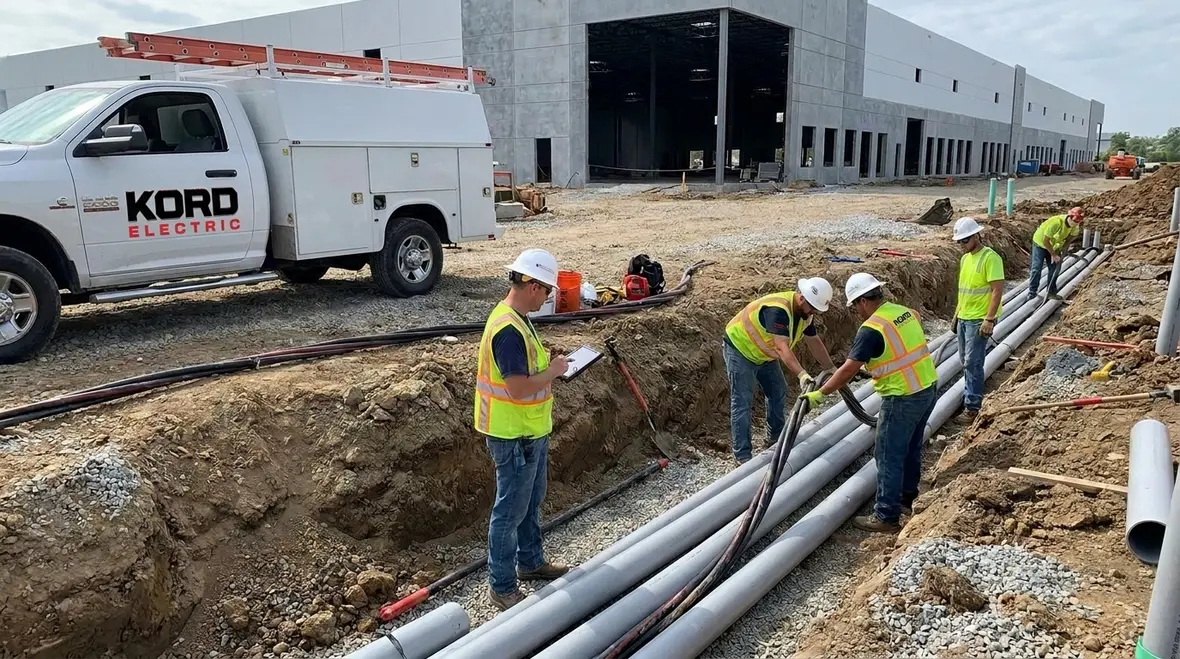
NFPA 70 is the National Electrical Code, and Section 230.23 deals with underground service conductors. In simple terms, the code controls how large the service conductors must be, based on ampacity and the conditions they will face underground. However, “underground” is not one condition. Conductors can sit in different raceways, different depths, different materials, and different ambient heat situations.
Because heat drives conductor limits, the code uses adjustment and correction ideas so the conductor rating matches what it will actually experience. As a result, Kord Electric treats Section 230.23 as a design requirement, not a paperwork requirement. Our technicians check assumptions early, and we confirm details before a single conductor gets pulled.
Also, it helps to remember this: utilities and inspectors may look at the final numbers, but they often fail projects on upstream decisions. So we plan the underground route with the service size goals in mind, then we verify ampacity under the actual installation conditions.
2) How our technicians translate Section 230.23 into site-ready decisions
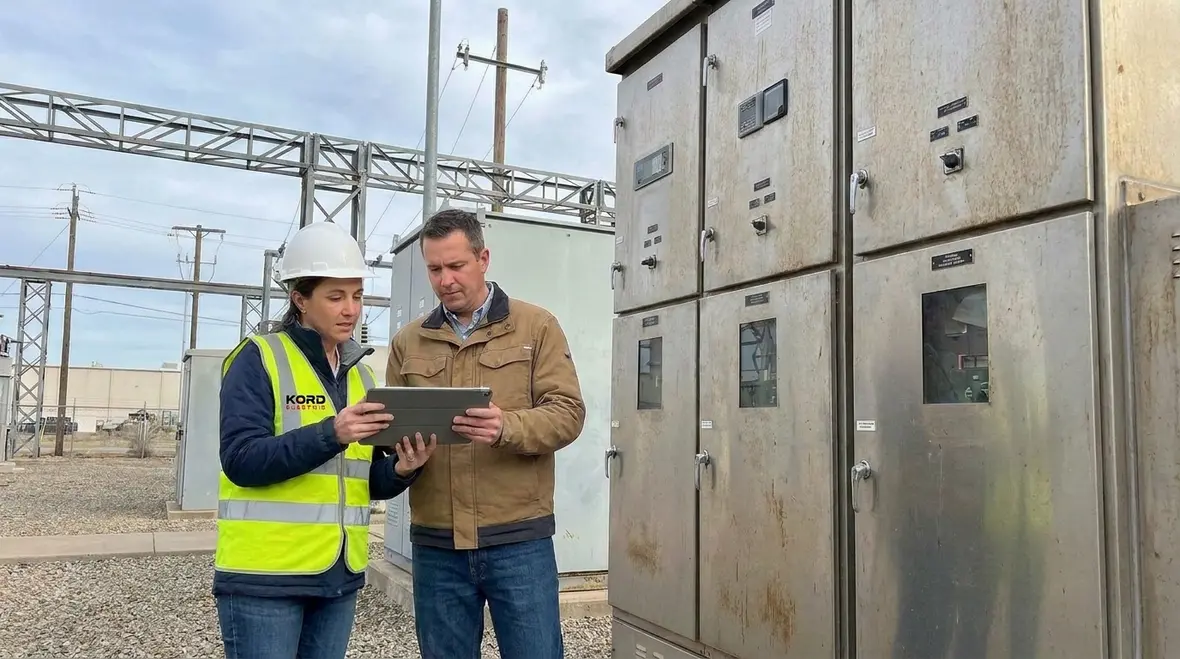
When an electrical engineer or facilities manager asks about underground service rules, we do not respond with vague answers. Instead, our expert service staff follows a consistent method that maps code text to the job in front of us. First, we gather the service conductor type, insulation rating, number of current-carrying conductors, and the routing plan. Next, we confirm how the conductors will be installed, such as whether they will run in raceways, how many conduits or cables share the same trench area, and how heat can build up.
Then we evaluate ampacity and apply the proper code adjustments where needed. This matters because real trenches rarely look like perfect drawings. For instance, multiple services can share a corridor. Soil conditions can vary within a short distance. Conduit fill and spacing affect heat dissipation. Therefore, we treat the underground run like a system with thermal behavior, not just a set of wires.
And if someone tells you, “We will figure it out later,” we politely suggest they are volunteering the project for avoidable risk. Later is where inspections, rework, and schedule hits tend to live.
3) Underground installation conditions that change NEC underground service ampacity
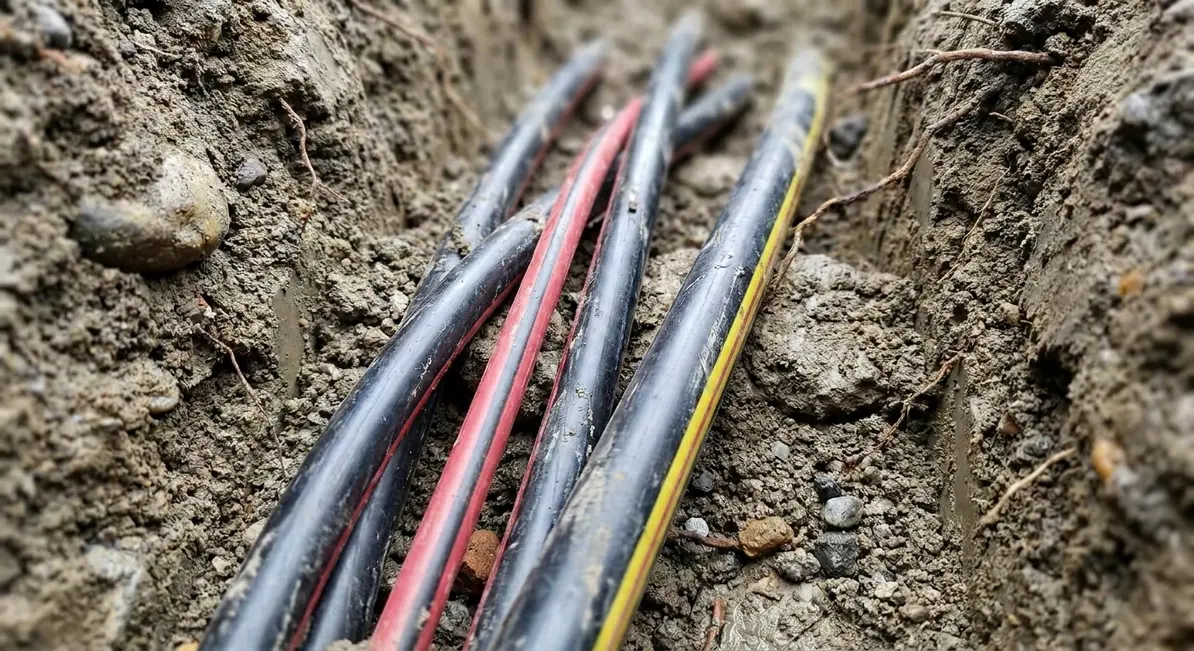
Section 230.23 ties underground ampacity to installation details. Even when the conductor size looks correct, conditions can reduce effective ampacity. To keep things safe, we look at the following factors as part of our power planning for commercial and industrial facilities and major property buildings.
Conductor and insulation type influences base ratings and how the conductor tolerates heat.
Number of current carrying conductors in the same raceway or cable assembly affects heat rise, which can require adjustments.
Enclosure and raceway fill impacts how well heat escapes, and it also affects installation feasibility.
Spacing and bundling of conductors or conduits affects thermal performance.
Ambient temperature and soil conditions can shift effective ampacity, especially for long runs.
Voltage drop targets and load growth guide whether a larger service conductor also makes sense electrically.
Consequently, NEC underground service ampacity does not come from a single table value alone. Instead, it comes from the code approach: base ampacity plus corrections or adjustments for real installation conditions. That is why we ask for trench plans, conduit layouts, and HVAC or equipment heat sources near the run where applicable.
4) Service conductor size: matching electrical demand with code limits
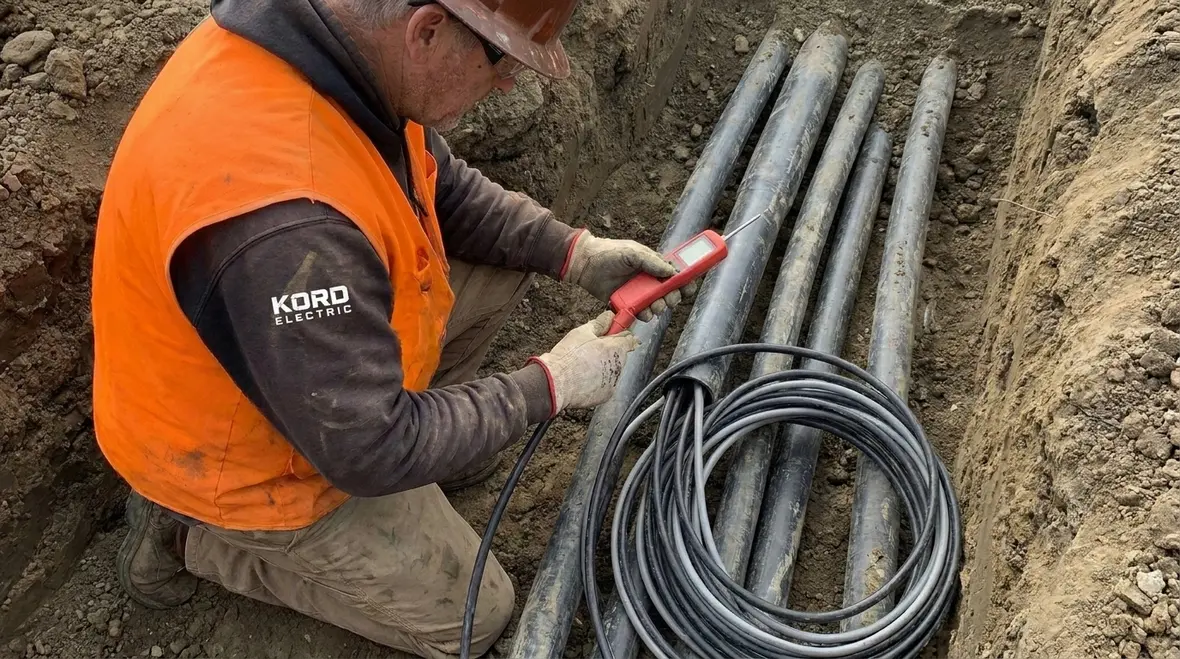
Many teams start with the load calculation, then they jump straight to a cable size. However, code compliance requires more than load demand. We must also meet the conductor ampacity requirements under the installation rules. Therefore, Kord Electric starts with the demand side, then we confirm the ampacity side.
In practice, the best process goes like this. First, the team estimates present load and reasonable future growth for the building. Next, we align that with the service rating and the distribution layout. Then we select conductor sizes that can carry the calculated current while still meeting the underground installation requirements.
From there, we pay attention to how the service conductors feed switchgear, panelboards, transformers, and life safety loads typical in major property buildings. If the building hosts critical systems, we treat reliability and thermal margins seriously. After all, a conductor that runs hot will not age like a conductor that runs cool.
And yes, we have seen projects where someone sized for the math and ignored the heat. The conductor did not explode like in a movie, but it did create headaches. The inspector did not laugh either.
5) Where engineers, inspectors, and project teams often get tripped up
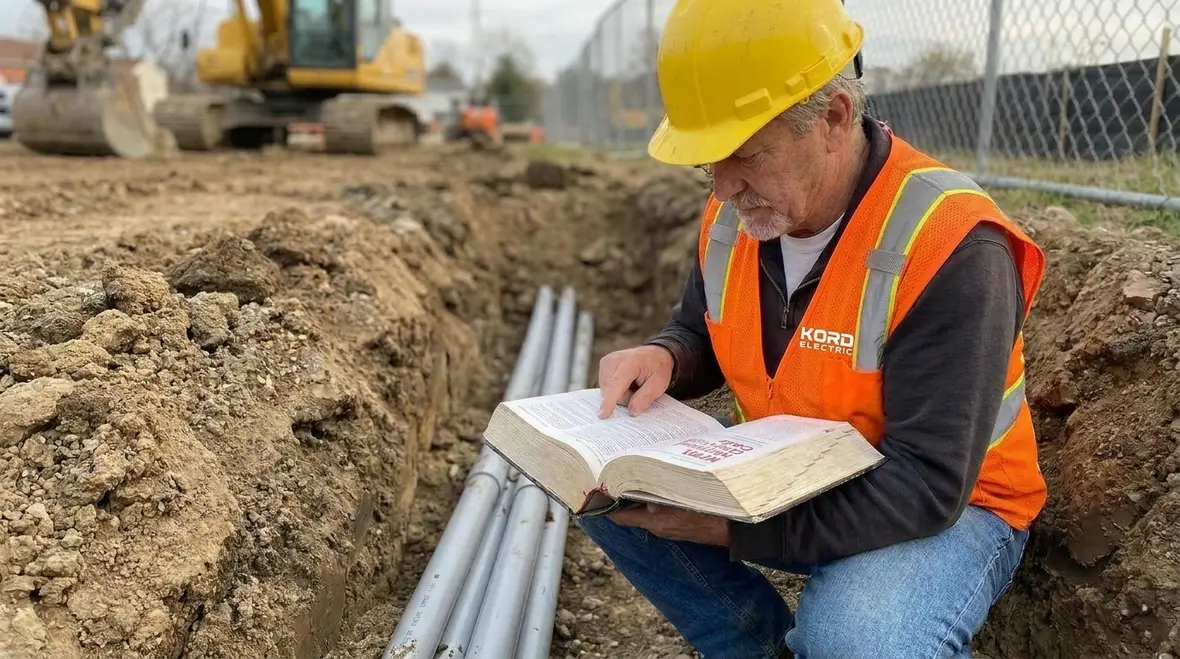
Commercial and industrial projects move fast, and change happens. We often see the same failure points when teams design underground services. First, project teams underestimate how many conductors and raceways share the same thermal zone. Even one extra conduit can change heat loss patterns and drive different adjustment needs.
Second, teams sometimes mismatch cable type assumptions between design and installation. For example, drawings may show one conductor type, while the field uses another approved equivalent. That can still work, but only if the ampacity math stays consistent. Our technicians confirm the exact conductor and insulation rating, and they document it so the electrical record stays clean.
Third, teams may plan for correct depth and then alter the trench path during construction. When that happens, we recheck the thermal and mechanical assumptions. We also coordinate with site safety, because excavation work must stay compliant and safe.
Finally, teams can treat Section 230.23 as only about ampacity. In reality, it also affects how the service system performs. Therefore, we consider service design alongside voltage drop and equipment protection requirements so the overall system remains stable.
6) Practical guidance for major property buildings with long underground runs
Major property buildings often include long underground runs, shared utilities, and complex routing across site parcels. So our expert service staff builds the underground plan with coordination in mind. We review the path from utility point of connection to service equipment and identify any transitions: manholes, vaults, stub ups, and equipment rooms.
Then, we coordinate conductor selection with installation method. If the project uses duct banks, we confirm the layout and spacing assumptions. If the project includes parallel conduits, we consider the grouping that drives thermal behavior. As a result, the NEC underground service ampacity approach matches the real installation, not an ideal model.
Additionally, we help teams think about load growth and operational changes. A building that adds production lines, data center loads, or major HVAC expansion can change the conductor stress profile over time. We tell the truth early: if the project needs extra capacity, it is usually easier and cheaper to plan for it during design and conduit placement than to fix it later.
We also make sure communication stays clear. Our technicians explain what they checked, what assumptions they used, and what the code expects. When everyone understands the reasoning, fewer surprises appear at inspection day. And if you want to compare how NEC coverage works broadly, Kord Electric and Kord Fire resources provide helpful background reading on NFPA 70 and code intent, including our article Understanding NFPA 70: The National Electrical Code Explained for 2026 that connects code direction to real project planning.
7) Quick look at related NEC resources from our team
To support teams during planning, Kord Electric and Kord Fire have published guidance on the NEC and NFPA 70 concepts that connect to service conductor decisions. For deeper context on NEC structure and code intent, you can explore:
NEC and NFPA 70 background through Kord Electric’s explainer content at kordelectric.com, including resources such as Understanding NFPA 70: The National Electrical Code Explained for 2026 for 2026-focused planning.
Additional NEC coverage through Kord Fire’s articles at kordfire.com that discuss how electrical and fire protection strategies align under NFPA 70 and related standards.
Local perspective via Kord Fire Australia at kordfire.com.au for teams coordinating multinational or regionally diverse portfolios that still reference NEC and NFPA 70 principles.
And for teams working around fire and life safety interfaces that often share electrical pathways in large buildings, FirePumps also maintains related industry education at firepumps.org, which can help facility leaders see how power, water, and fire protection systems intersect in real projects.
8) FAQ: NFPA 70 Section 230.23 and underground ampacity
9) Conclusion: call Kord Electric before the trench gets closed
Kord Electric serves commercial and industrial facilities and major property buildings, and we plan underground services with NFPA 70 Section 230.23 in mind from the start. Our technicians and expert service staff translate code requirements into practical design choices, so your system can carry current safely under real underground conditions. If you want fewer surprises at inspection and fewer costly changes later, reach out before conduit gets buried. We will review your service scope, verify conductor ampacity, and help you build a compliant, reliable underground service.
If your facility is planning new work or upgrades in Southern California, you can also review how our Los Angeles County electrical services support underground service design, installation, and long-term maintenance for complex commercial and industrial sites. Connecting NEC underground service ampacity decisions with a broader service plan helps keep your power system ready for both everyday operation and formal inspections.
Call us today, and let our team handle the code details while you keep your focus on running the facility.