
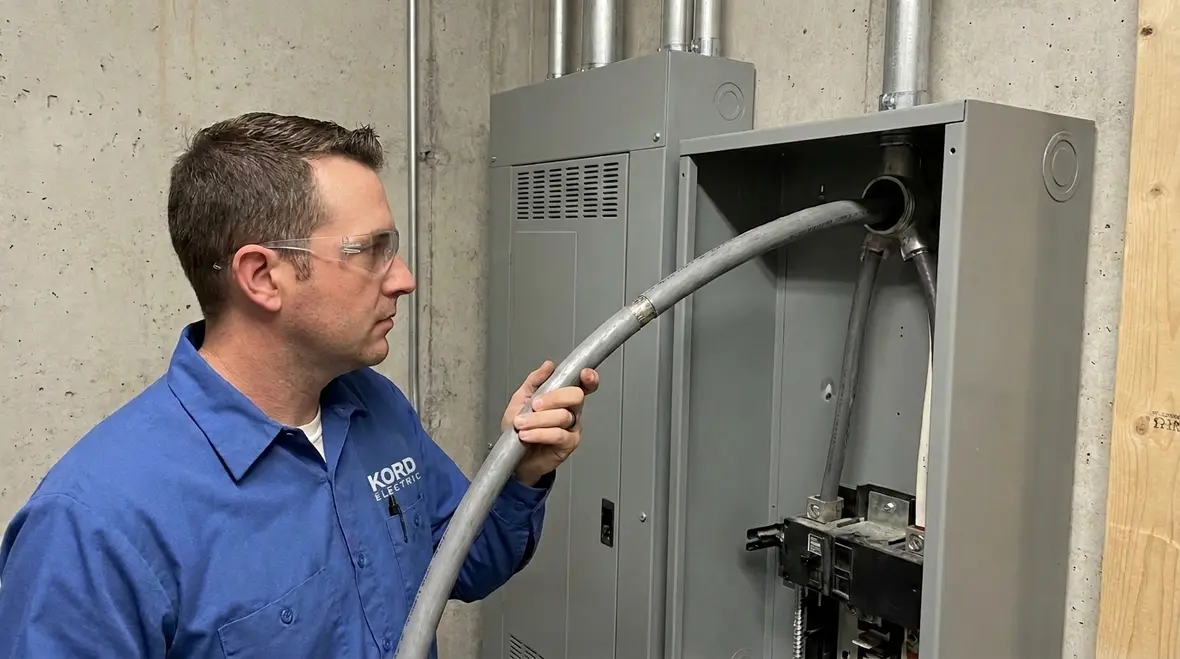
NEC SE Conductor Sheath Requirements in 330.116
At Kord Electric, we work with commercial and industrial facilities and major property buildings where power reliability is not a “someday” problem, it is a daily requirement. That is why we start with the NEC SE conductor sheath when we explain how service entrance conductors stay protected over time. We do not just recite code language. Instead, our expert service staff and field technicians walk through what NFPA 70 Section 330.116 requires, how sheath choices affect safety, and how good installation reduces trouble calls later. And yes, we have heard the joke about electricity: it always finds the loose end. So we tighten the right details before it gets the chance.
Below, we break down NFPA 70 Section 330.116 in a way that helps others make correct decisions, plan installs with fewer surprises, and keep facilities compliant with the NEC.
What NFPA 70 Section 330.116 actually covers for SE conductors
NFPA 70 Section 330.116 focuses on how sheathed wiring, used with service entrance conductors, must be handled and installed so the conductor insulation stays protected. In simple terms, it addresses the sheath requirements for SE conductors within the rules for raceways and wiring methods that serve as part of the service setup. The code goal remains steady: keep wiring safe under real site conditions like moisture, physical damage risks, heat, and long term wear.
However, code compliance is not just about a single requirement. Therefore, our technicians treat Section 330.116 as one part of a connected chain that also includes installation methods, support, and how the wiring system connects to other electrical components. When we plan an installation for a facility, we do not build a “one rule at a time” checklist. We build a complete system plan.
In other words, we treat 330.116 like the seatbelt on a vehicle. You do not notice it until the moment you would have needed it. Then you feel grateful someone did the work right.
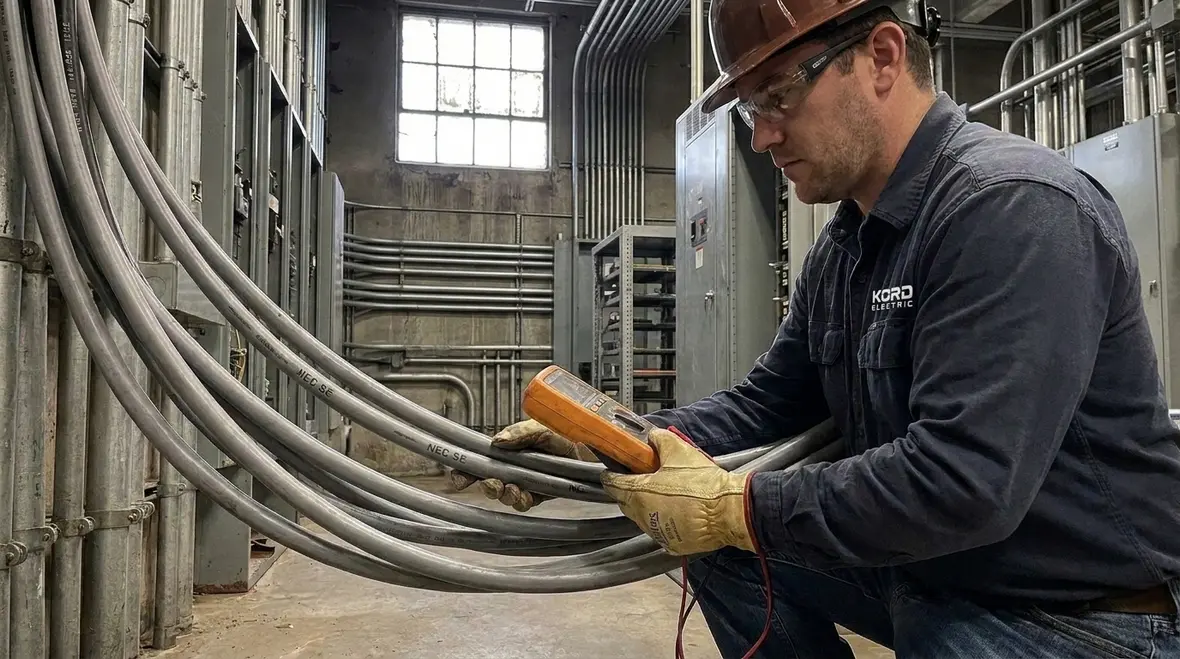
For facility teams that want a deeper grounding in how NFPA 70 guides these expectations, Kord Electric also connects 330.116 planning to broader code resources like our guide Understanding NFPA 70, the National Electrical Code, Explained for 2026, which walks through how the 2026 direction affects design, inspections, and long term reliability across commercial and industrial buildings.
NEC SE conductor sheath materials and why protection matters
A sheath does more than look neat in the conduit. A proper NEC SE conductor sheath helps guard against impact, abrasion, moisture intrusion, and stress that can degrade insulation. In commercial and industrial buildings, those risks rise because contractors, equipment movement, and service access all create real physical exposure. Even if the conduit route looks clean on day one, use over time can create wear points.
Section 330.116 ties the sheath approach to the wiring method and the environment where the conductor runs. That matters because a facility often has mixed conditions: loading docks, exterior walls, parking garages, mechanical rooms with humidity, or utility corridors with frequent maintenance traffic. As a result, the sheath system must match the installation intent and the conductor type.
Also, some facilities experience temperature cycling. When materials expand and contract, poor installation practices can allow unwanted movement. That movement can lead to abrasion. In contrast, a correct sheath setup limits the risk of damage at stress points.
Our expert service staff explains this during site walkdowns. We ask facility teams what routes the service conductors follow, how often spaces get accessed, and what hazards exist. Then we select the wiring method that stays consistent with the sheath rules for SE conductors and the conditions at hand.
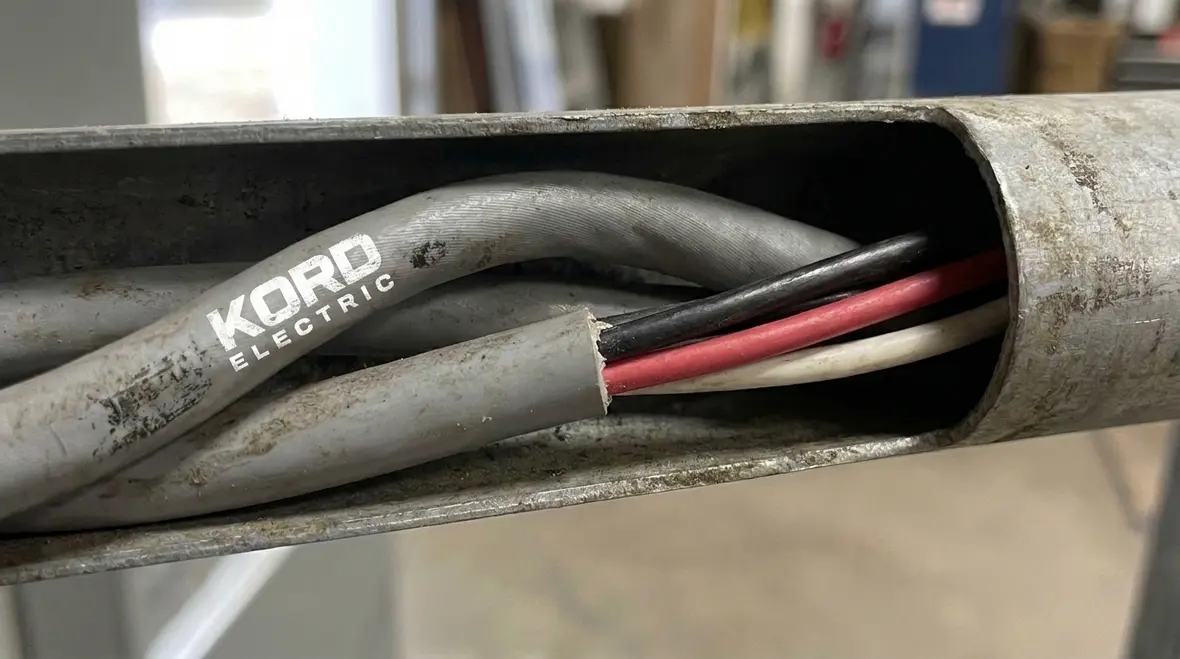
In many major property buildings, that selection process reaches beyond a single run of cable. Our technicians consider how the sheath material, conductor insulation, supports, and raceways all work together under NFPA 70’s wiring method rules. When we coordinate those details up front, the finished installation behaves the way the code expects, even when daily operations add vibration, bumps, and temperature changes to the mix.
Installation details that make or break compliance
Even when a project uses the right type of sheath, installation decisions can still fail the intent of NFPA 70 Section 330.116. So we focus on the details that prevent future problems. Those details include how installers handle conductor jackets, how they route and secure wiring, and how they avoid unnecessary strain.
Common failure points we look for include sharp bends, improper transitions, and damage caused by rough pulling. Furthermore, if the sheath gets nicked during installation, it can become a weakness where moisture or contaminants find a path. That is why our technicians treat pulling and routing like a precision job, not a quick task.
For major property buildings, we also consider how the wiring path interacts with building systems. For instance, a service run that crosses a congested area needs clear support and routing discipline. Therefore, we plan support locations and protect against chafing where the sheath could rub against hardware or structural edges.
Yes, cables can be tougher than they look, but they are not invincible. Electricity does not care that someone tried to “make it fit.” It only cares about safe performance. We keep it professional, but we still say what others do not: if you rush, you pay later.
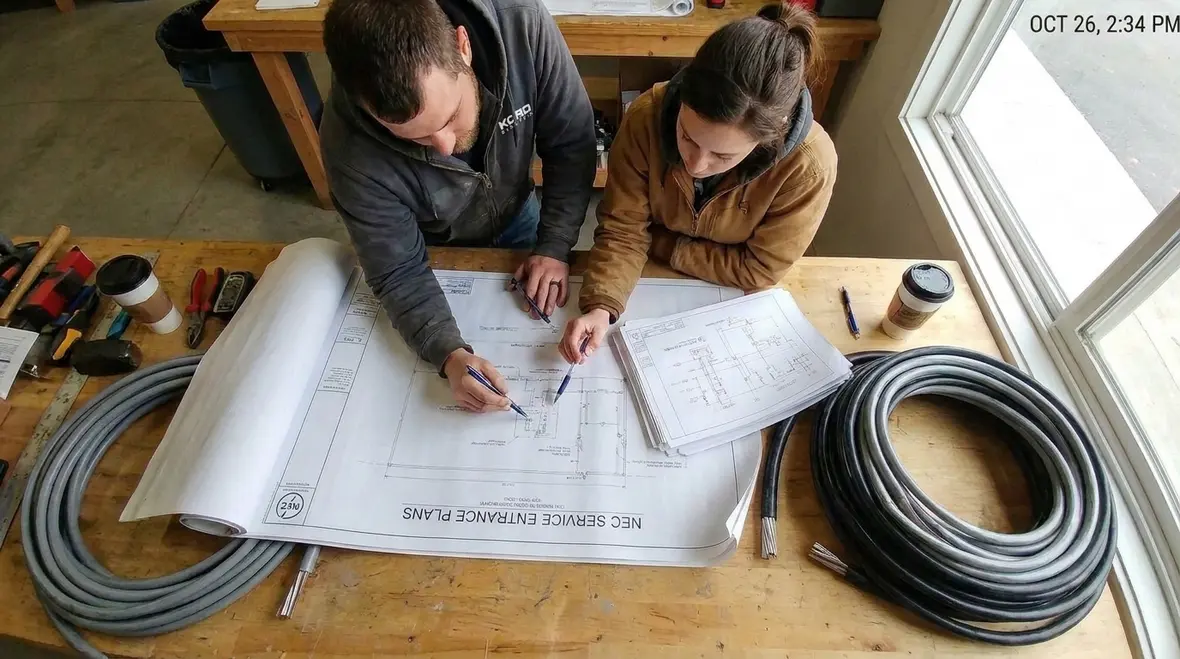
To back up that mindset, we align our field practices with workmanship expectations from other NEC sections as well, including wiring integrity and connection quality. When our teams review sheath installation alongside conductor terminations, support spacing, and enclosure entry details, we are not trying to add steps. We are removing the future late-night call that starts with “something smells hot in the electrical room.”
How the sheath requirement links to overall NEC planning
Section 330.116 rarely lives alone in the field. Instead, it connects with a wider NEC plan that covers service conductors, wiring methods, and the path that brings power into a building. When a facility team coordinates these parts early, the project runs smoother and compliance improves.
In practice, we coordinate sheath compliance with the rest of the service entrance design. That includes how conduits connect, how conductors enter enclosures, and how installers maintain strain relief and support. We also review how the facility intends to access the area during future maintenance. If future work risks hitting wiring, we adjust routing and protection to reduce hazards.
For those using NEC reference materials, we often point teams to the way the NEC explains the broader approach to the National Electrical Code. Kord Electric and our partners at Kordfire share this training mindset, emphasizing that code sections function as part of a system, not as isolated “gotchas.” You can read our broader guidance through Kord Electric and Kordfire resources like the NEC explanations found at kordelectric.com and kordfire.com. For regional context and related fire and electrical planning conversations, our community also points to resources like firepumps.org when teams need integrated safety thinking.
When facility leaders connect these dots, they see how a detail like NEC SE conductor sheath usage under 330.116 supports bigger decisions about overcurrent protection, grounding, bonding, and emergency systems. Instead of treating each rule like a separate puzzle, the entire service entrance becomes one coordinated design that inspectors can follow and that maintenance teams can trust.
For teams planning renovations or major upgrades, pairing this section-specific planning with broader NEC education makes each step easier. That is why our project managers often point back to dedicated NEC articles on the Kord Electric blog when they explain why a particular sheath, raceway, or routing choice matters long after the project closeout meeting.
What our technicians check on commercial jobs
When our team installs or audits service entrance wiring for commercial and industrial facilities, we apply a practical checklist. We do not do it to “catch people.” We do it to reduce risk for building owners and managers, and to keep projects moving with fewer delays.
First, we verify the wiring method matches the service entrance plan and that the conductor sheath meets the requirement intent described in NFPA 70 Section 330.116. Next, we inspect installation handling. We look for signs of sheath damage, improper support, and strain that could compromise long term performance.
Then, we confirm route protection. We review whether the run has potential physical exposure, whether it crosses areas where equipment or maintenance traffic could create abrasion, and whether transitions include the right protections. After that, we check termination areas and connections, since sheath performance matters most when it protects the conductor from entry points and weak spots.
Our technicians also coordinate with electrical teams and facility managers so everyone knows where access risks exist. That is how we prevent the “mystery damage” that appears months later. If a sheath gets nicked behind a panel, the facility learns the hard way. We help prevent that learning moment.
On many projects, this checklist ties directly into broader commercial service offerings, from troubleshooting and repairs to large-scale system upgrades. When a Los Angeles County facility, for example, needs both detailed NEC SE conductor sheath verification and wider power distribution work, our team can support that under one coordinated electrical services plan rather than a stack of disconnected work orders.
FAQ: NEC SE conductor sheath and Section 330.116
Final takeaway: get sheath details right before the inspector knocks
When others treat NFPA 70 Section 330.116 as a quick checklist item, they often pay for it with callbacks, schedule slips, and rushed fixes. At Kord Electric, we do the opposite. We plan sheath protection and SE conductor installation with the NEC’s intent in mind, and we back it up with our technicians and expert service staff who explain the “why,” not just the “what.” If your facility needs service entrance wiring designed, audited, or upgraded for compliance, we invite you to contact Kord Electric today.
For owners and facility managers across the region who want help tying these NEC SE conductor sheath requirements into broader projects—from modernizing distribution equipment to coordinating life safety loads—our dedicated Los Angeles County electrical services team can support everything from initial planning and design to final inspections and long term maintenance.


