
NEC SEC cables uses permitted Under NFPA 70 Section 332.10
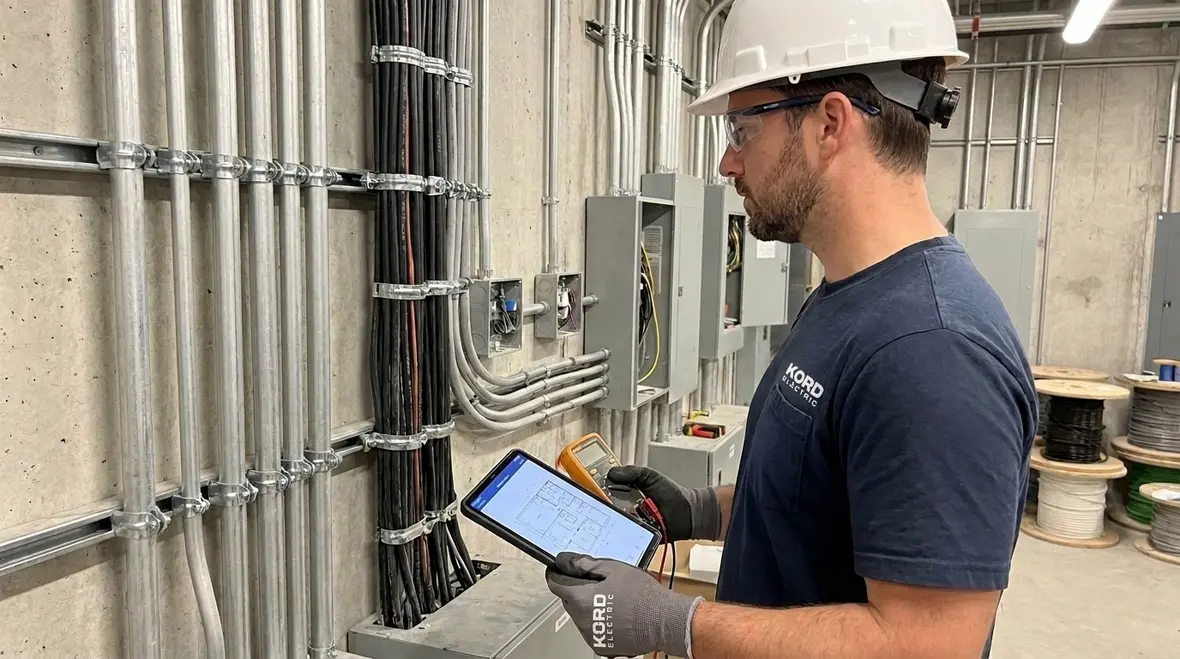
Kord Electric supports commercial and industrial facilities with clear, code focused electrical guidance, and we often get asked about NEC SEC cables uses permitted under NFPA 70 Section 332.10. That rule matters because it tells us where certain conduit system cables can legally go, and where they should not. In this article, we explain the “where” in plain language, so our facility teams, building managers, and licensed electricians can make confident decisions. Then we show how our technicians and expert service staff verify the details on site, because paperwork is great, but reality on a roof or in a utility room is better. And yes, like any good power story, the details decide whether the system works today and stays safe tomorrow.
NFPA 70 Section 332.10 in plain terms for facility teams
NFPA 70 is the backbone for electrical installations in the United States, and Section 332 covers Type MC cable under the NEC. Within that framework, Section 332.10 addresses where SEC cables uses permitted, especially when these cables run in spaces where the code expects extra care. We treat this as a compliance and safety topic, not a “we can try it” topic. One site manager once said the inspection was “like a bouncer at a club.” He was right. If the cable does not fit the entry rules, it does not get in.
To make this useful, our technicians explain it the same way each time. First, they identify the cable type and jacket. Next, they review the space classification, such as plenums, risers, and other defined areas. Then they confirm the installation method, including support and access requirements. Finally, they check whether the code allows the cable in that specific location or calls for another wiring method.
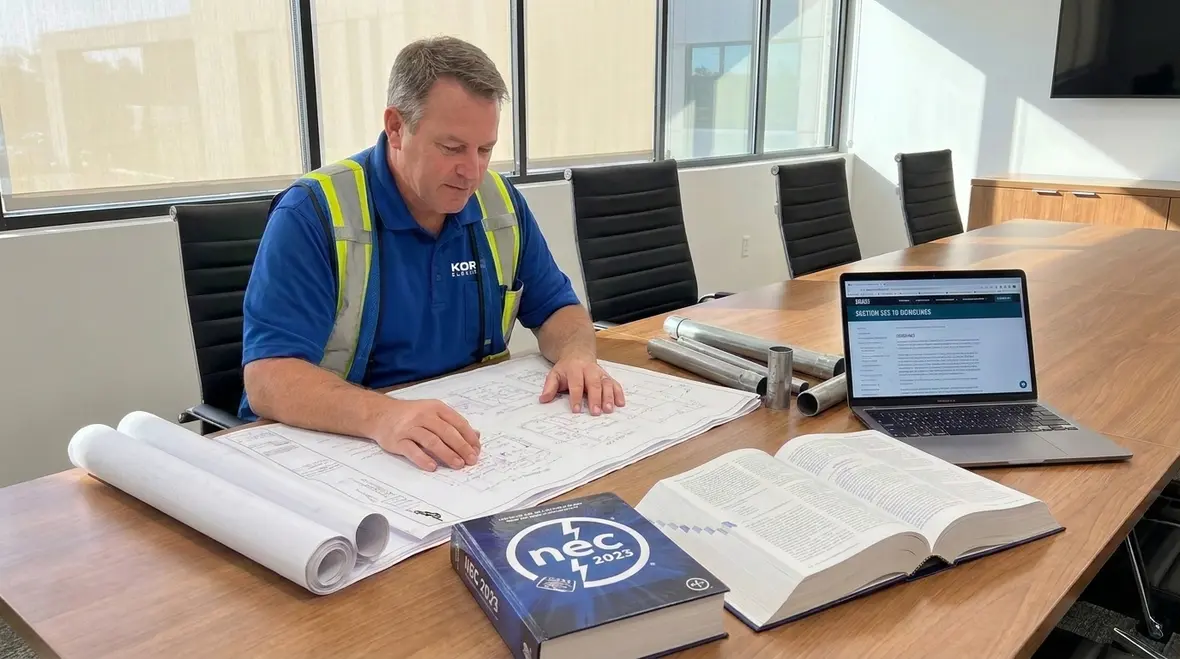
When we walk facility teams through NFPA 70, we often connect Section 332.10 back to broader NEC explanations, including resources like the National Electrical Code Explained for 2026 guide on the Kord Electric blog. That way, everyone can see how permitted cable uses fit into the larger electrical safety picture, not just a single paragraph of code text.
Where the code allows SEC cabling and where it does not
When we discuss NEC SEC cables uses permitted under Section 332.10, we focus on location rules tied to cable construction and intended pathways. The NEC does not write this section to be mysterious. It writes it to prevent hidden hazards such as poor performance in sensitive air handling zones or exposure risks in vertical and enclosed routes.
In most major propertie buildings, the question quickly becomes: can the installation use a cable type intended for general use, or must it use a wiring method designed for the most demanding areas? As a result, our service staff often sees confusion when teams reuse “works in one room” knowledge in completely different spaces. And that is how you get a costly correction later.
We recommend an approach that starts with the building plan set and ends with a reality check. First, the electrical drawings should clearly state cable types, routing, and whether any areas have special requirements. Then, during field walkdowns, our technicians confirm the actual route. If the field differs from the plan, we address it before it becomes an inspection surprise. Transition matters here because the code cares about the final installed condition, not the best version of the plan.
In practice, that means looking closely at riser diagrams, section cuts, and any notes that describe special spaces. It also means asking hard questions about how the cable behaves once it enters plenums, shafts, or fire rated assemblies. Just because a pathway looks convenient does not make it permitted. Our expert service staff would rather reroute once on paper than twice in the ceiling.
We also remind teams that Section 332.10 does not operate in a vacuum. It lines up with other NEC chapters that address wiring methods, fire spread, and equipment clearances. When those chapters speak, we listen. The goal is a cable system that behaves predictably during everyday operations and under abnormal conditions, not a patchwork of “we thought it was fine at the time” decisions.
How our technicians verify compliance in the field
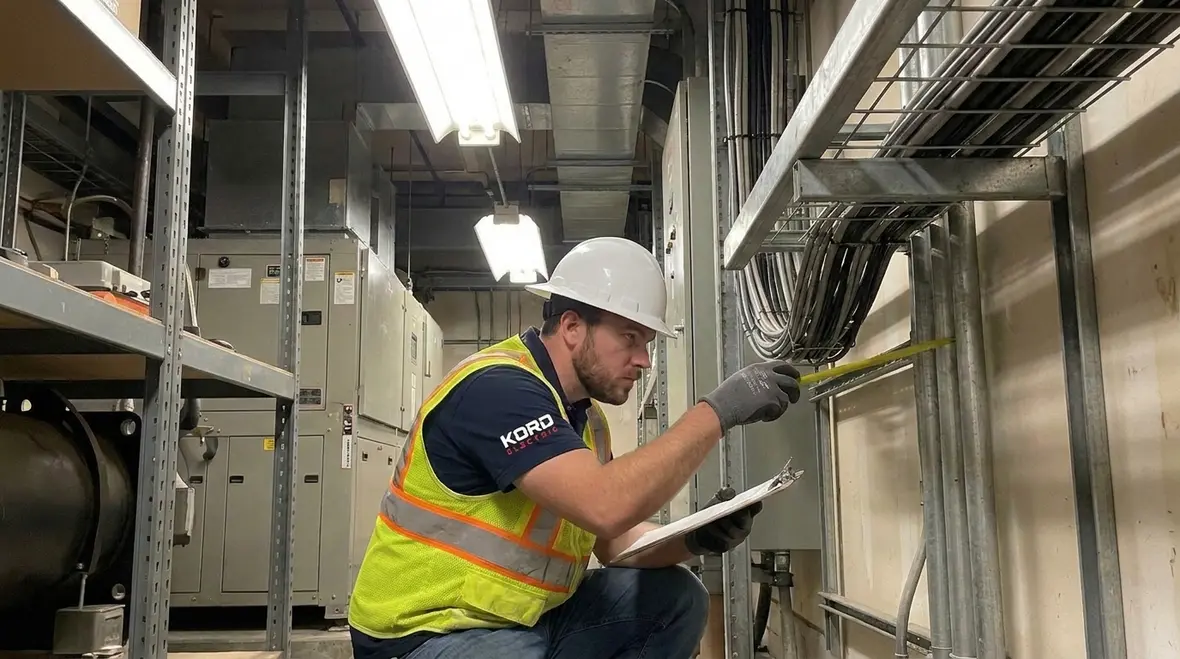
Our team does not stop at “the code says yes.” We verify how it gets installed. That means our technicians check things you can not spot from a distance, like cable support spacing, allowable bend handling, and whether the cable remains protected through transitions between spaces.
Here is how we typically handle it for commercial and industrial facilities and major propertie buildings. First, our experts review which cable assemblies the project specifies and match those assemblies to the NEC requirements. Next, they confirm that the installation method aligns with the permitted use. Then they inspect the pathway and transitions, including where the cable enters or exits defined areas. After that, they ensure the cable is installed with the proper support so it does not sag or shift over time. Finally, they document findings so the facility team has clean records for ongoing maintenance and future projects.
To keep it simple, our technicians treat the rule like a checklist, not a suggestion. And because we work with fire and life safety considerations at commercial sites, we understand that a small installation mismatch can create big downstream problems. That is why we also coordinate with facility stakeholders early, so we can explain the “why” behind the requirements. Our expert service staff often uses short examples that sound like pop culture, because attention is a limited resource. “If you put the wrong battery in the remote,” they say, “it does not matter how nice the TV is.” Same idea here.
During these field reviews, we also cross check other wiring rules that touch the same pathways, like branch circuit protection, calculated load limits, and workmanship standards. Our teams regularly reference internal guidance aligned with topics such as NEC branch circuit overcurrent protection and wiring integrity expectations, so the cable run is not just legal on paper but also built to hold up over time.
We close every review with clear notes for the facility. That includes photos, marked up drawings, and comments that explain why a particular route or support detail matters. Over time, these records help facility teams build a playbook so future projects avoid repeating the same questions about where NEC SEC cables uses permitted really applies.
NEC permitting is about the space, the pathway, and the performance
Code compliance is not only about cable labeling. It is about how the cable performs within the conditions of the location. Therefore, NEC SEC cables uses permitted depends on the type of space and the cable’s intended use, including how it behaves in the environment. Even when two rooms look similar to the naked eye, the NEC may treat them differently based on air movement, enclosure, or how the space functions during an emergency.
In a major propertie building, you usually see multiple environments stacked together, like a vertical city. A corridor is not the same as a mechanical room. A protected shaft is not the same as an open zone. And even when a team runs a cable through a shared route, the part of the route that sits inside special spaces drives the compliance decision.
That is why we push clients to plan cable routing with code requirements in mind. Then, as a project progresses, we verify that the installed routing still matches the plan. We also educate facility staff so they understand what they can ask for at turnover. In other words, we do not just install. We help others manage and maintain intelligently after we leave. Transition from design to field is where many teams stumble, and our service staff helps prevent that.
When facility leaders want to dive deeper into the bigger NEC framework, we often point them toward educational resources from both electrical and fire protection perspectives, such as the NFPA 70 overviews available through KordFire. Combining those insights with Section 332.10 guidance helps teams connect cable choices to the way a building performs during fire and life safety events, not just in day to day operations.
Common mistakes we see on commercial projects
After years in the field, we can tell you the most frequent problems show up in the same places. First, some teams apply a cable solution from one area to another area without checking the space rules. Second, they overlook support and routing requirements, which can violate the code intent even if the cable type is correct. Third, they fail to identify transitions between spaces, such as moving from a general zone into a sensitive zone.
Next, teams sometimes rely on “it passed last time.” However, each building design has its own layout, materials, and pathway constraints. So, a similar project may still require different decisions. Moreover, inspections focus on the installed condition. So if the cable route changes during construction, it can create a compliance gap that shows up in the field.
Finally, the biggest mistake is delaying code reviews until late in the schedule. When we get pulled in at the start, we can explain how NFPA 70 Section 332.10 affects permitted use and then help the team select the correct approach. When we get called late, we still help, but we might have less room to fix it without rework. And rework is like rewatching the same season of a show you loved. It is fine once, but nobody wants that as a business plan.
We also see missed opportunities to coordinate NEC SEC cable decisions with other project elements, like cabinet wall positions, branch circuit protection, or calculated load determinations. When those pieces move without talking to each other, you end up with surprises: a beautiful cable run that no longer lines up with panel locations, or a pathway that worked on paper but conflicts with later design changes.
Our recommendation is simple: treat permitted cable use as part of the overall NEC story for your facility, not a side note. Early coordination with qualified electrical professionals, plus clear documentation, keeps your team from having to explain to an inspector why a “temporary” routing decision somehow became permanent.
NEC and fire related planning for major propertie buildings
Commercial and industrial facilities require coordinated planning because electrical systems interact with life safety systems. That is why our approach connects electrical compliance with the bigger picture. We treat these rules as part of an overall safety strategy that supports reliable operation and reduces risk.
Therefore, we work with facility teams that think in systems: how power moves, how equipment starts, and how the building responds under stress. This includes understanding how pathways interact with fire and smoke considerations. We also encourage teams to review guidance from trusted resources and code focused organizations, because the NEC does not live alone. It connects to other safety standards and facility requirements.
We reference our own internal knowledge and training resources and we keep alignment with code education efforts from fire and electrical communities. We also stay current with updated code resources that discuss NFPA 70 in practical terms, including content published by Kord Electric and Kordfire. If your facility team wants a deeper read, we point them toward NEC explanations from reputable sources such as KordFire code education content and related fire and life safety context.
And yes, while code language may feel like it was written by someone who never had to install conduit on a Tuesday, our job is to translate it into decisions. That translation reduces confusion, improves schedule confidence, and supports safer installations.
FAQ for NEC SEC cabling permitted use in Section 332.10
Call Kord Electric for code aligned electrical decisions
If you manage a commercial or industrial facility, you do not need guesses when you are choosing wiring methods for complex pathways. Kord Electric helps your team understand NFPA 70 Section 332.10, confirm whether NEC SEC cables uses permitted applies to your spaces, and verify the installation details in the field. We also coordinate these cabling decisions with broader electrical planning, from panel locations and calculated load considerations to cabinet positioning and fire spread controls, so your system works as a whole instead of as isolated pieces.
For facility leaders who want additional context or complementary services, our team can connect this SEC cable work with targeted offerings such as electrical troubleshooting, preventive maintenance, and project support across Los Angeles County and surrounding areas. That way, the same people who help you interpret the code can also help you keep the lights on when your building is busiest.
If your project is located in Southern California, you can also explore our broader Los Angeles County electrical services to see how SEC cabling, NEC compliance, and everyday reliability all connect in one service plan.
Contact us for expert service staff support and practical code explanations that keep projects moving and inspections calmer. Let us help you build the kind of compliance that does not require a second round and keeps your NEC SEC cable decisions aligned with both NFPA 70 and real world conditions in your facility.


