
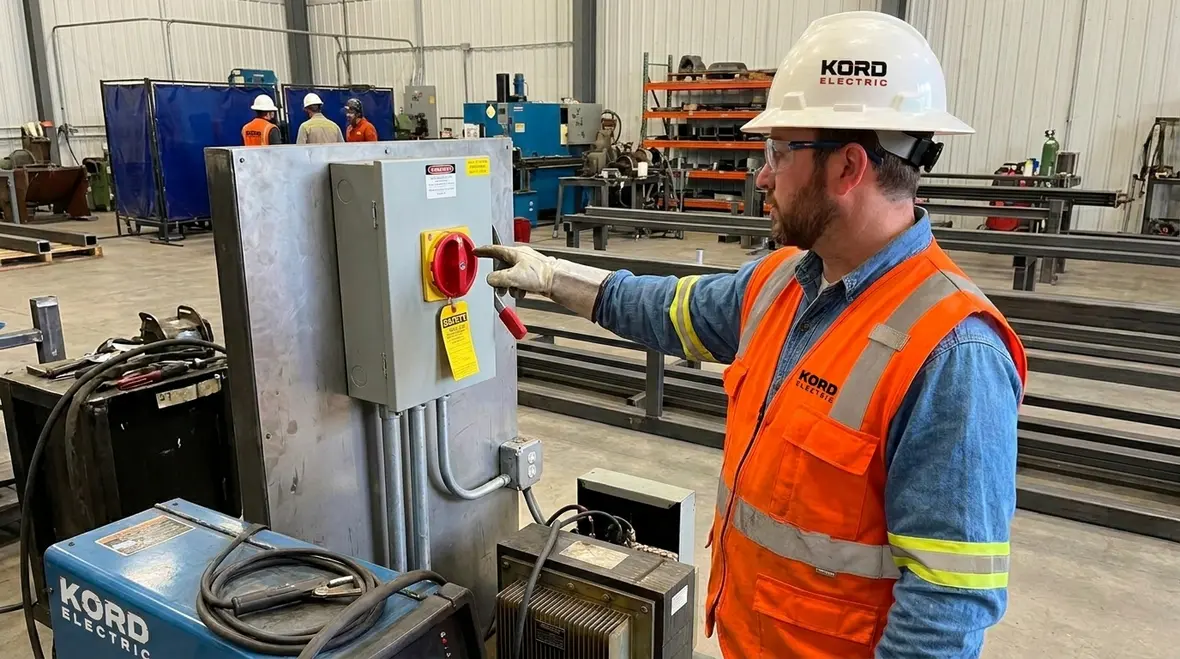
NEC Section 630.33 Welding Transformer Disconnect Requirements
Kord Electric starts every electrical safety plan with one goal: clear rules you can actually follow on real jobs. And yes, it can be as detailed as it sounds. In the first 100 to 150 words, we bring up NEC Section 630.33 welding transformer disconnect requirements because they set a pattern for how the NEC expects controlled power. When a facility uses welding transformers, we help others install the right disconnect so the equipment can be shut down safely, quickly, and in a way that matches the code’s intent. Then, we build from there: how the National Electrical Code organizes protection, how inspectors think, and how our technicians explain each step without making people feel like they are reading a phone manual at midnight.
In the spirit of calm authority, we promise this: we do not just quote standards. We translate them into jobsite actions for commercial and industrial facilities and major property buildings, where downtime costs real money and safety failures cost more.
Why NEC planning matters for commercial and industrial buildings
In commercial and industrial spaces, electricity does not behave like a decorative light string. It powers motors, production lines, HVAC systems, life safety loads, and the kind of equipment that can turn a small issue into a big incident. Because of that, we treat the NEC as a structured safety system rather than a list of suggestions.
First, we align electrical design with expected operating conditions. Next, we document decisions so teams can maintain them. Then, when an inspector asks why a circuit is protected a certain way, we can point to the specific NEC logic behind it.
Our expert service staff and technicians often explain it like this: people think the NEC is a rulebook, but on a high level it is more like a map. And maps do not guarantee smooth travel, yet they greatly reduce the odds of getting lost in a maze of mismatched breakers, unclear labeling, and “we will fix it later” wiring. That last idea, by the way, is how problems grow up and start wearing safety violations like a costume.
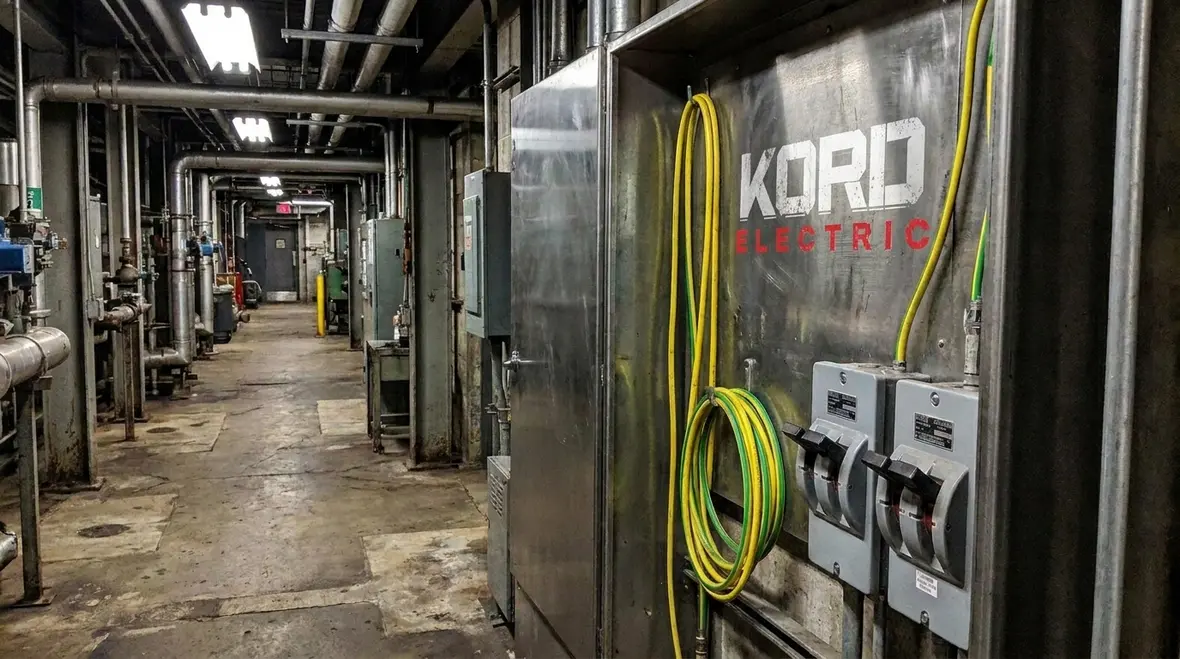
For teams who want to zoom out and see how this all fits into the broader code picture, resources like Understanding NFPA 70: The National Electrical Code Explained For 2026 on the Kord Electric blog help frame why NEC planning matters long before a disconnect handle is mounted on the wall.
NEC structure: how the National Electrical Code organizes safety
To use the NEC well, we need to understand how it is organized. The NEC groups requirements by equipment type, wiring method, and installation rules. Instead of treating the code as one long document, we work through it in layers that match how facilities are built and operated.
As a result, we typically focus on the topics that affect building-wide systems. That includes general installation practices, grounding and bonding, overcurrent protection, disconnects, wiring methods, and equipment-specific rules. When we handle welding equipment and related components, we also follow the NEC pattern for equipment behavior and safe shutdown.
Our technicians explain that the NEC is written so a contractor can install safely on day one and so the facility staff can operate and service safely later. Therefore, the code often emphasizes labeling, access, and the ability to disconnect equipment without creating new hazards. If a disconnect is hard to reach, poorly labeled, or unclear in function, then safety plans do not hold up when real work happens.
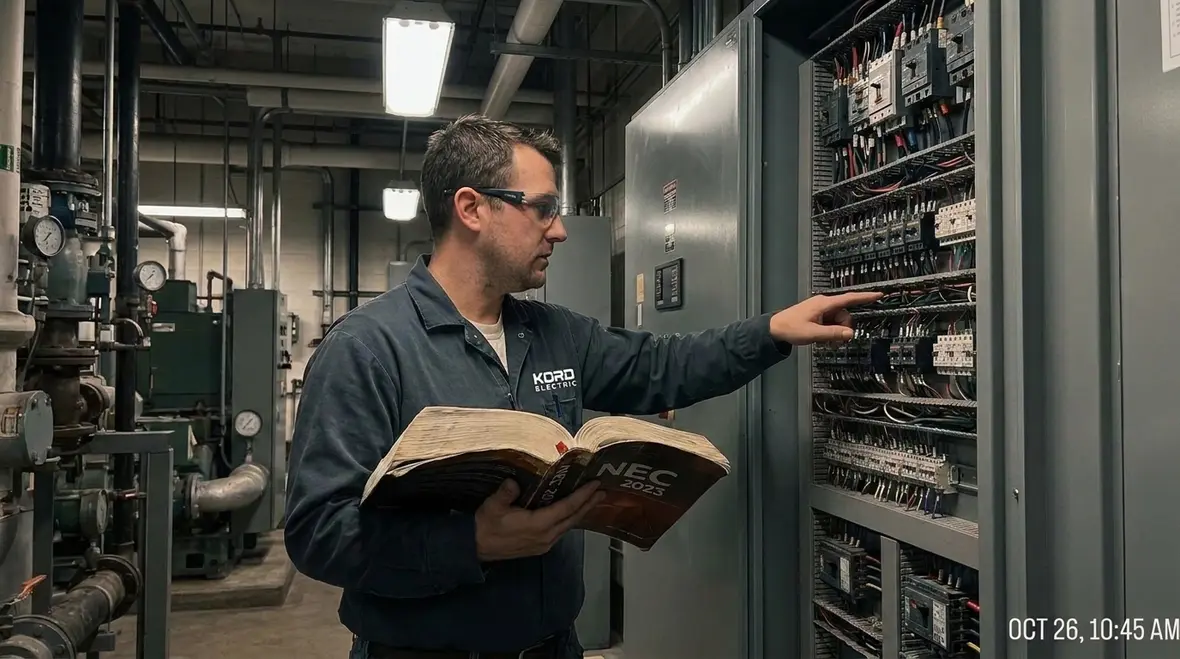
NEC Section 630.33 welding transformer disconnect requirements in real terms
Now we get into the heart of the matter for welding transformer installations. The NEC Section 630.33 welding transformer disconnect requirements aim to ensure that personnel can remove power from welding transformer circuits in a safe and controlled way. We do not treat this as a checkbox. Instead, we treat it as a practical jobsite rule with a clear purpose: reduce risk during normal operation, setup, servicing, and fault conditions.
Our expert service staff usually breaks the intent into three jobsite outcomes. First, the disconnect must be suitable for the equipment it controls. Second, it must meet the NEC expectations for the ability to deenergize safely. Third, it must integrate with how the facility manages access, lockout, and service workflows.
To make it real, we look at where the disconnect goes and what happens around it. For example, if a shop area has multiple welding bays, we help coordinate how personnel identify which disconnect controls which area. If the disconnect exists in a crowded location, we plan for safe access that does not require staff to crawl around equipment. And if the facility has maintenance cycles, we make sure the disconnect supports those cycles without creating a “workaround” habit.
And yes, sometimes someone says, “We can just shut it down at the panel.” That is the electrical equivalent of saying, “We can just skip the safety briefing because we are feeling brave today.” Our team helps correct that thinking with code-based options that inspectors accept and operators can trust.
Linking NEC 630.33 to broader NEC planning
Section 630.33 may focus on welding transformers, but it sits inside a larger NEC structure that includes branch circuit protection, grounding for nonelectrical equipment, and clear feeder diagrams. Kord Electric’s code-focused articles walk through topics like multiwire branch circuits, overcurrent protection, and grounding rules so facilities can see how a single disconnect fits into the bigger story of safe distribution and controlled shutdowns across the building.
Coordination with electrical safety systems, labeling, and access
When a facility follows NEC rules well, the electrical safety features work as a system, not as isolated parts. Therefore, a welding transformer disconnect plan should connect to how the building handles grounding, bonding, circuit identification, and service access.
We help clients coordinate these elements so the facility can respond to real events. That includes protecting against unintended energization during setup and maintenance. It also includes ensuring that disconnect locations match practical traffic patterns for workers. If a disconnect is technically present but not usable during normal operations, then the safety benefit drops.
In major property buildings and industrial plants, we often see the same failure mode. The design team installs equipment to meet paper requirements, and later, operations staff changes the layout, adds new workstations, or modifies workflows. Then the original labeling and access assumptions quietly stop being true. So we encourage facility teams to treat NEC compliance as something that evolves through maintenance, updates, and clear communication.
Our technicians explain that this is not about fear. It is about predictability. When everyone knows what to shut down and where, safety improves, training costs drop, and unplanned downtime becomes less of a recurring comedy sketch.
Keeping labeling honest as layouts change
Labeling and access plans age quickly when production shifts, equipment is relocated, or new welding stations are added. We recommend periodic field reviews where operations, maintenance, and safety teams walk the floor together and verify that disconnect labels still match reality. When that review includes welding transformer circuits, NEC Section 630.33 becomes more than a code citation; it becomes a checklist item for “does this shutdown point still make sense in today’s layout?”
Service and inspection readiness for major facilities
For commercial and industrial facilities, inspections can be a stressful moment. However, with the right preparation, inspections become a verification step instead of a surprise event. We build readiness by focusing on documentation, circuit understanding, and field alignment.
First, we review how equipment is installed and controlled, including the disconnect arrangement tied to NEC requirements. Then, we confirm labeling and accessibility in the field. Next, we verify that the electrical layout matches the design intent so technicians can service the equipment without guessing.
Our expert service staff also supports ongoing compliance. They help facility teams plan for changes like equipment swaps, load updates, and maintenance cycles. When a facility upgrades a production line or adds a new welding station, we consider how that impacts disconnect coverage and safe shutdown paths, rather than assuming the old plan still fits.
And to keep things grounded, we follow best practices that align with the broader education offered through resources like the NEC explanations published by teams connected to Kord Electric and Kord Fire. We also keep an eye on how fire pump and life safety strategies connect with electrical shutdown and power reliability, because in the real world, systems interact even when people wish they would not.
Using NEC-focused resources to support inspections
Articles that break down NFPA 70 sections give facility managers language they can use when talking to inspectors and internal stakeholders. When your team understands how welding transformer disconnects relate to branch circuit protection, grounding practices, and feeder diagrams, inspection conversations shift from “What do we need to fix?” to “Here’s how we designed this to match the code’s intent.” That confidence reduces stress and supports better long-term planning.
Benefits of following the code: fewer disruptions, safer work
Following NEC standards does more than satisfy an inspector. It reduces risk during routine work and it limits damage during faults. It also improves maintenance speed. When the disconnect is correctly arranged and clearly understood, our field teams can deenergize equipment without creating extra steps that slow down repairs.
For commercial and industrial clients, time matters. We often see that clear disconnect planning and well organized installation reduce troubleshooting time and prevent the typical “start and stop” pattern that burns labor hours. Additionally, when labeling and access meet expectations, onboarding new technicians takes less time and mistakes happen less often.
To make the connection easy to see, here is a quick dual column view of what changes when facilities apply the NEC correctly in welding transformer control and related electrical safety planning.
When the disconnect plan follows NEC intent
Clear shutdown for welding transformer circuits
Right disconnect suitability and access
Consistent labeling tied to equipment control
What you experience on site
Faster safe isolation for setup and service
Safer handling during maintenance and fault response
Lower confusion and fewer errors during operations
FAQ: NEC and welding transformer disconnects
Call Kord Electric for a practical code review
If your commercial or industrial facility uses welding transformers, we recommend a practical review focused on safe shutdown and how your disconnects work in the real world. Kord Electric brings technicians and expert service staff who explain decisions clearly and apply the NEC welding transformer disconnect requirements with the details inspectors expect. Then we help you keep it that way as equipment changes over time. If you want fewer surprises, safer work, and smoother maintenance cycles, contact us today for a site focused assessment.
Facilities in and around Los Angeles County can also connect this work with broader power system planning through our Los Angeles County electrical services, aligning welding transformer disconnect strategies with panel upgrades, distribution changes, and long-term NEC compliance goals.
When you are ready to tie NEC Section 630.33 welding transformer disconnect requirements into a full building strategy—from panels and feeders to grounding and life safety power—Kord Electric is ready to walk the site, review the drawings, and turn code language into clear, buildable actions your team can maintain.


