
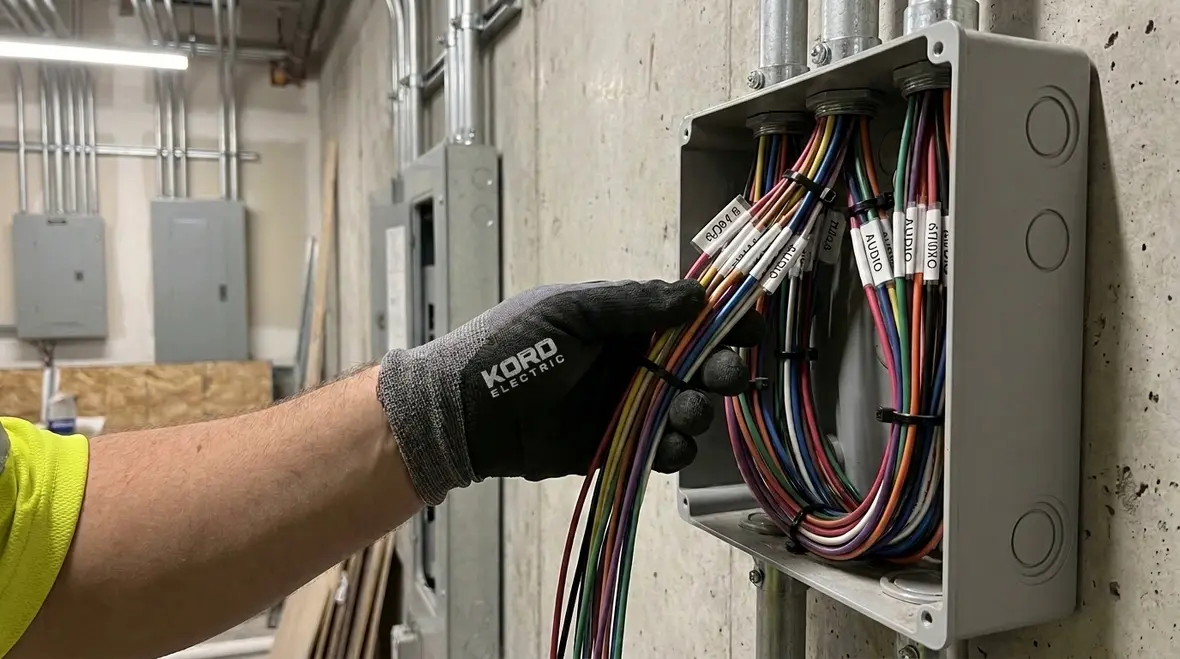
NEC Section 640.8 Audio Power Conductor Grouping Guidance
At Kord Electric, we work with commercial and industrial facilities and major property buildings, where the electrical design must hold up under real-world load, real inspections, and real accountability. Early in a project, we often point teams to NEC Section 640.8 audio power conductor grouping, because the way conductors are arranged can affect both performance and safety. And yes, it can sound as thrilling as watching paint dry. However, when you get it right, you reduce install confusion, avoid rework, and support a clean path for inspection. So, we guide our clients with clear, practical steps, and our technicians explain the “why” behind each requirement in plain language.
What NEC Section 640.8 audio power conductor grouping means in real installs
In practical terms, we treat NEC Section 640.8 audio power conductor grouping as a rule set for how conductors for audio power circuits should be grouped. That means we do not just pull wire and hope for the best. Instead, we plan the route, spacing, and grouping method with the same care we would use for life safety circuits. Then, we coordinate with the rest of the electrical system, so you do not end up with a messy mix of audio power and other conductors where it does not belong.
Our expert service staff breaks it down this way. Audio systems can include amplifier power, speaker wiring, and control components. Even when the system feels “low voltage,” the audio power conductor setup still affects heat, insulation stress, and routing control. When conductors are grouped properly, we reduce the odds of nuisance issues during commissioning. Also, we keep the install easier to trace later, which helps when your building team calls with that one stubborn problem that never shows up in the first week.
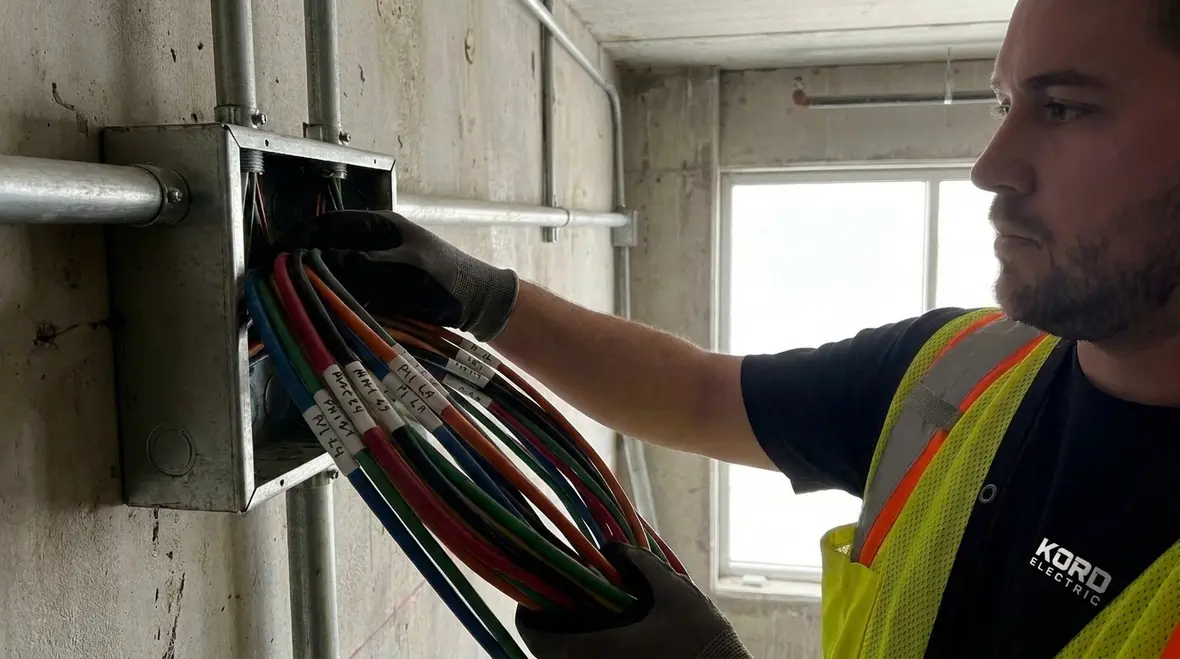
How NFPA 70 and the NEC handle audio and power circuits
The NEC sits inside NFPA 70, and we treat it as the backbone for electrical safety. Our approach follows the code intent: protect people, protect property, and make installations predictable. For audio and communications type circuits, the NEC addresses how components behave as part of a whole system, not as separate gadgets on a shopping list. Therefore, we design and install so the audio power conductor grouping aligns with the broader rules for wiring methods, insulation, and circuit identification.
When we work with engineers and facility managers, we also connect the dots across disciplines. For example, architectural and low voltage teams may plan speaker locations. Meanwhile, electrical drawings show raceways, pull boxes, and circuit pathways. If those plans do not line up, your final install can become a game of “telephone,” except the message is electrical and the consequences are expensive. So we verify paths early and we document grouping decisions clearly.
For teams that want to see how audio power rules fit into the bigger NEC picture, our electricians often connect this topic to resources such as Understanding NFPA 70: The National Electrical Code Explained for 2026 and companion overviews at our fire protection partner site, including NFPA 70: All About The National Electrical Code (NEC) 2026. Those guides help translate chapter and section structure into decisions you can actually build and inspect on site.
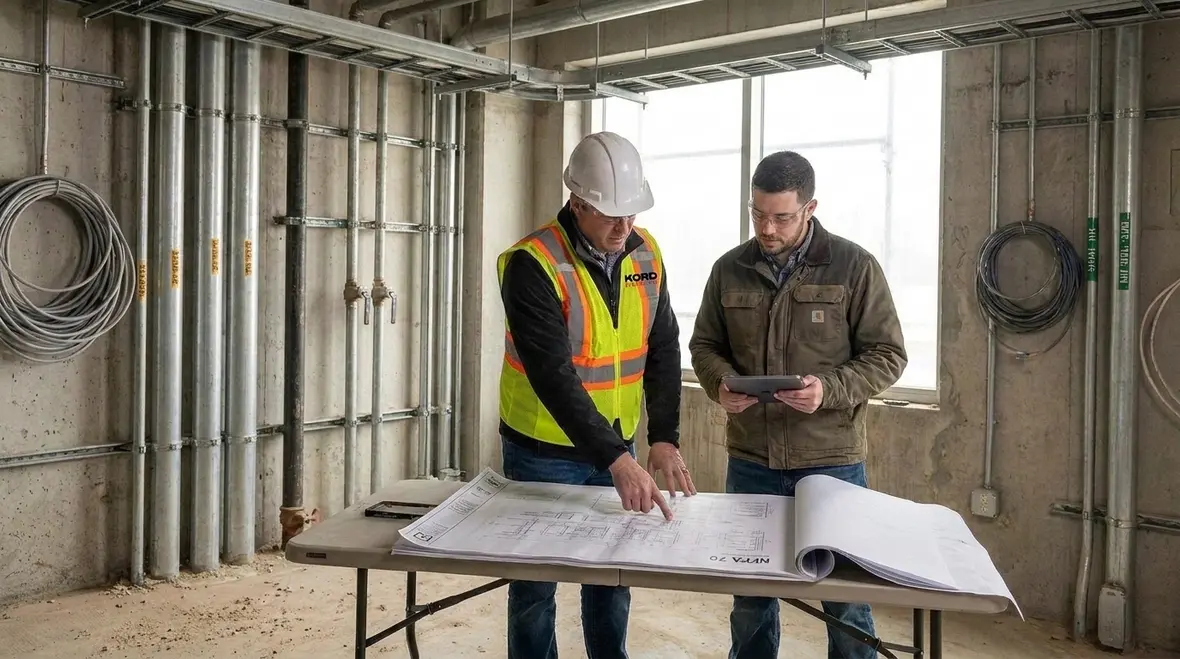
Where commercial and industrial projects feel the impact of correct grouping
Commercial and industrial facilities do not get the luxury of vague compliance. The building may run 24 hours, cycle through peak loads, and require fast troubleshooting when something fails. In that environment, NEC Section 640.8 audio power conductor grouping becomes more than a technical reference. It becomes a reliability strategy.
Here is what we often see on real sites. In a large property building, audio power wiring runs long distances and passes through multiple rooms, ceilings, and risers. If conductors are grouped in a way that conflicts with the code intent, you can run into issues like difficult pulls, higher chance of damage during installation, or confusion when your commissioning team tests. Then the “fix” can ripple across the job schedule.
So we plan for access. We coordinate routing with pathways that suit maintenance. We label circuits so the next technician does not need a detective board. And we train the facility team so the audio system remains serviceable, not fragile.
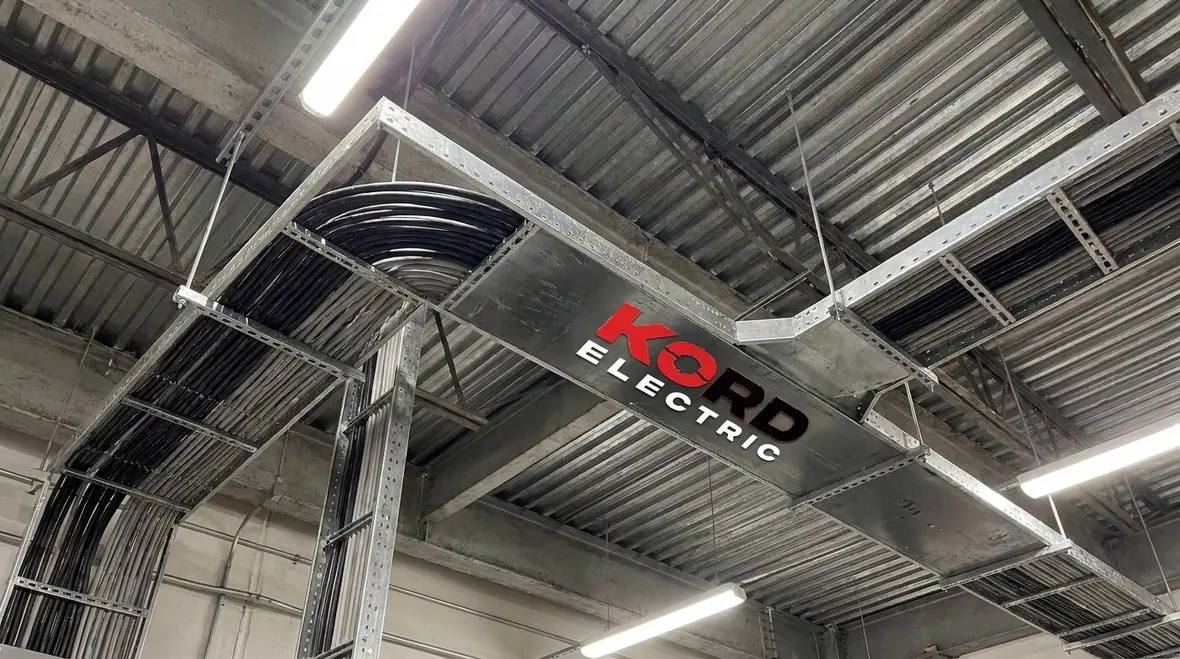
Steps our technicians use to design, route, and install conductor grouping
We do not treat NEC rules as trivia. We treat them like part of the project’s engineering workflow. Our technicians follow a set of practical steps that keep design intent intact from drawings to final connections.
- Review the scope and system type so we know where audio power conductors start, where they end, and which components share pathways.
- Confirm the wiring method so raceways, boxes, and supports match the code requirements and do not force field “workarounds.”
- Plan grouping and routing together so audio power conductor grouping decisions match how the pull boxes and risers actually work.
- Use clear labeling so testing, commissioning, and future service remain fast and accurate.
- Verify before close-in so changes do not become a late-stage demolition project. Yes, we have seen teams try to “fix it later,” and later turns into a bill.
- Document the as-built outcome so your facility team and future contractors do not need to guess.
And because we serve commercial and industrial facilities and major property buildings, we also coordinate with the pace of the site. We schedule work so shutdowns stay short and inspections stay smooth.
Common mistakes and how we prevent them during inspection prep
Most problems do not happen because teams ignore the code on purpose. They happen because the jobsite moves fast, and people blend details that should stay separate. Our expert service staff helps teams avoid the most common pitfalls linked to audio power wiring and grouping concepts.
One mistake is treating grouping like an afterthought. When we do it correctly, grouping is part of the routing design from the start. Another mistake is failing to align drawings with field reality. A plan may show an ideal path, but the ceiling structure might force a detour. If the detour forces the wiring into a different arrangement, we re-check grouping logic before continuing.
We also see confusion when teams mix multiple circuit types in the same spaces without confirming compatibility. So we verify conductor separation rules and pathway requirements. When your inspector walks the job, we want the story to match the documents. That way, you do not spend the day answering questions that were already settled in the design meeting.
For reference, we keep our team aligned with NEC guidance drawn from trusted industry resources, including code explanations and updates published around NFPA 70. For those who want a wider view, Kord Fire and related code coverage help teams stay current, and we use that knowledge to support consistent field execution across projects.
Using the code correctly across sound, safety, and power systems
Audio systems live in the same building ecosystem as fire and life safety components, power distribution, and control networks. Therefore, we coordinate the electrical design so audio power circuit routing works with the rest of the system, not against it. That means we pay attention to how circuits run in shared areas, how they connect, and how the building team expects to troubleshoot them later.
When we plan for a major property building, we also consider how future upgrades might occur. A tenant might add zones, expand speaker coverage, or adjust paging. If the original wiring plan follows the grouping intent and keeps documentation clear, upgrades stay manageable. If the plan relies on improvisation, future changes can become a costly scavenger hunt.
In short, we design so the audio power conductor grouping strategy remains stable across the building’s lifecycle. And if you want a playful analogy, think of it like keeping the receipts in one folder. No one cares about the folder until the one time the inspector asks for proof and you realize it is not a treasure map you prepared.
Frequently asked questions about audio power conductor grouping
FAQ for featured snippets: quick answers
- Does NEC Section 640.8 apply to all audio wiring?
- It applies to audio power conductor rules under NEC Chapter 6, based on the system type and circuit intent.
- What should we do first on a new audio power install?
- We review project drawings, confirm wiring methods, and plan routing so audio power conductor grouping aligns with the design early.
- How can we reduce rework during commissioning?
- We document circuit identification, verify conductor arrangement before close-in, and coordinate testing with the building team.
- Where can we learn more about NEC updates?
- We recommend code resources that track NFPA 70 and provide practical explanations, and we also apply those updates through our field standards.
Call Kord Electric when compliance needs to be calm, not chaotic
If you manage a commercial or industrial facility or a major property building, you do not need guesswork when it comes to NFPA 70 and audio power wiring. Kord Electric brings disciplined planning, clear documentation, and technicians who explain what we do and why we do it. We coordinate with your team so installation details match the code intent from first pull to final inspection.
For facilities that want broader support, our team can also connect audio power conductor grouping work with services covered in our regional offerings, including Los Angeles County electrical services for commercial and industrial clients who need NEC-aligned installation, upgrades, and maintenance.
Contact us to review your project scope and conductor grouping plan before field decisions lock in. Let us make this part of your build feel easy.


