
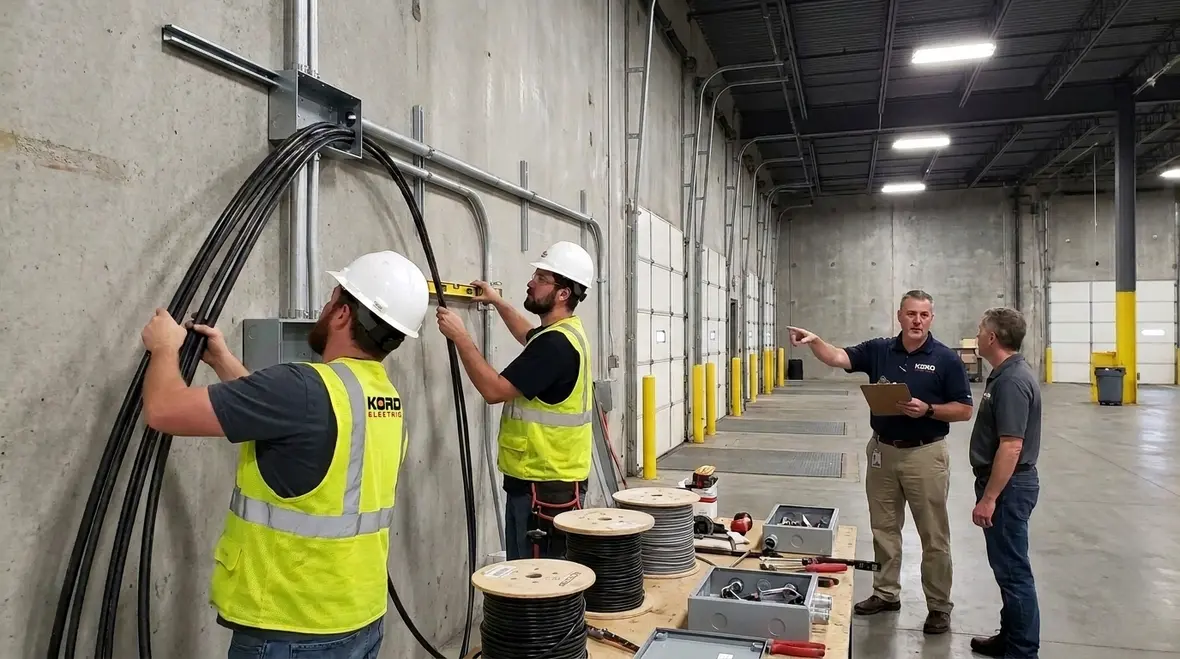
NEC Section 650.8 EV Conductor Installation for Commercial
When people hear “EV charging,” they often picture a sleek charger and a happy driver. Yet for commercial and industrial facilities, the real story starts earlier, at the point where cables, safety rules, and good workmanship meet. In our field, we prioritize the NEC Section 650.8 EV conductor installation first, because correct conductor placement and protection help reduce risk, avoid downtime, and keep inspectors from turning a site walk into a surprise comedy show. We make sure our team members follow the National Electrical Code as it applies to modern charging systems, including the latest updates referenced in the 2026 cycle. And yes, the rules can feel like they were written by someone who never had to troubleshoot under a loading dock at midnight.
In this article, we explain what those NEC requirements mean in plain business language, how inspectors typically judge the work, and how our technicians at Kord Electric and our expert service staff approach installations for major property buildings and commercial sites. We also connect the dots to practical fire safety and compliance realities through our sister fire teams and resources.
Note: This guide targets commercial and industrial facilities and major property buildings. We focus on projects where safety, reliability, and code compliance carry real operational weight.
NEC background: why EV charging rules feel strict
In commercial settings, the electrical system acts like a shared bloodstream for whole buildings. Therefore the NEC treats EV supply equipment as something that can create large loads, fast charging behavior, and complex fault paths. As a result, standards get specific about conductor sizing, routing, protection, and terminations. We do not treat those items as “checkbox details.” Instead, our technicians treat them as controls that keep people, property, and critical operations safe.
To keep everything grounded, we also reference the broader NEC intent described by our fire and code education materials. For example, when we work alongside teams that support fire safety and pump systems, we learn how electrical faults can influence overall building safety. Then, we apply that mindset to EV conduit runs, cable types, and installation methods.
And because every building has its own personality, we plan differently for each site. Some facilities are clean and predictable. Others have tight cable trays, crowded risers, and “mystery conduits” that were installed before half the staff now working there were born. That is why we verify existing conditions before we finalize any route or termination plan.
NEC Section 650.8 EV conductor installation: what we check first
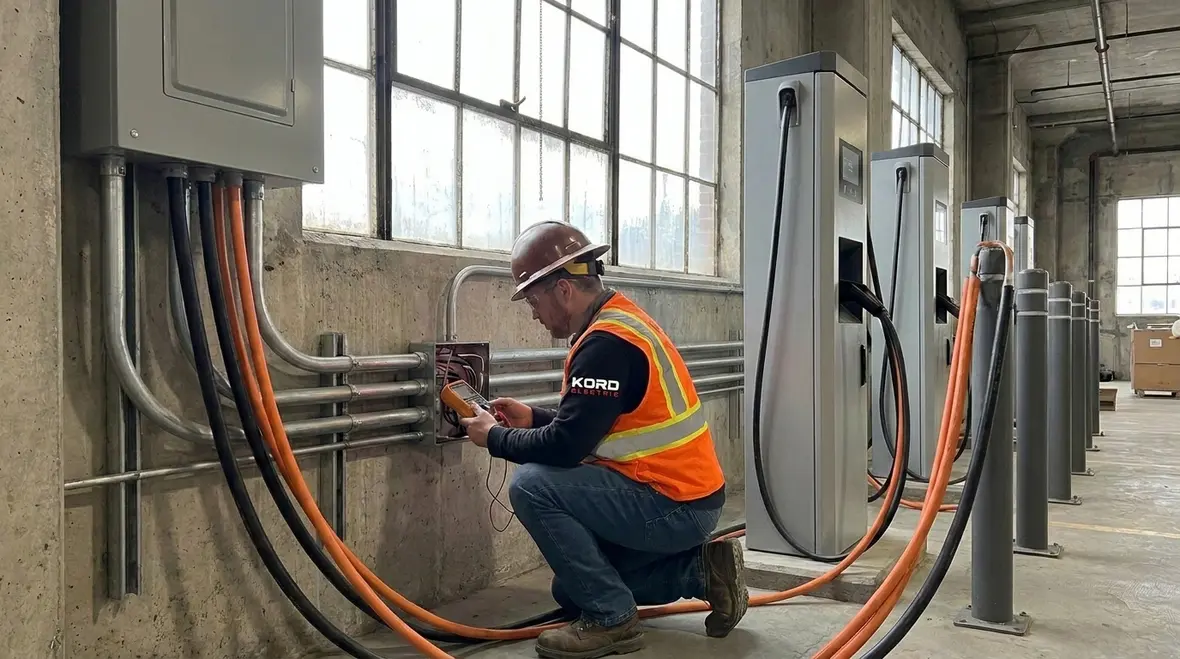
In practice, the NEC Section 650.8 EV conductor installation requirements push us to be careful about how conductors are installed, supported, and protected. We start by confirming the intended conductor type and insulation rating for the environment. Then we verify the routing method and how the cable will move through the building.
At our sites, our expert service staff uses a structured checklist so nothing gets lost during shift changes or busy install windows. First, we confirm that the conductors follow permitted wiring methods. Next, we confirm they are secured and not subject to damage from physical contact, vibration, or sharp edges. Then we verify that terminations and connections meet the manufacturer’s instructions and remain accessible where needed.
In addition, we address the real world factors that inspectors look for. For example, exposed runs should show careful workmanship. Conduit entry points should avoid cable strain. Cable bends must stay within allowable limits. Lastly, we confirm that labels and identification align with the project documentation. When these points align, the system behaves as expected under load, and we reduce the odds of an expensive call-back.
For facility teams who want a broader context on how NEC sections tie together, resources like Kord Fire’s overview of NFPA 70: All About the National Electrical Code (NEC) 2026 and Kord Electric’s guide to understanding the National Electrical Code for 2026 help connect individual conductor rules to the larger electrical safety picture.
Routing and protection: keeping conductors safe in real buildings
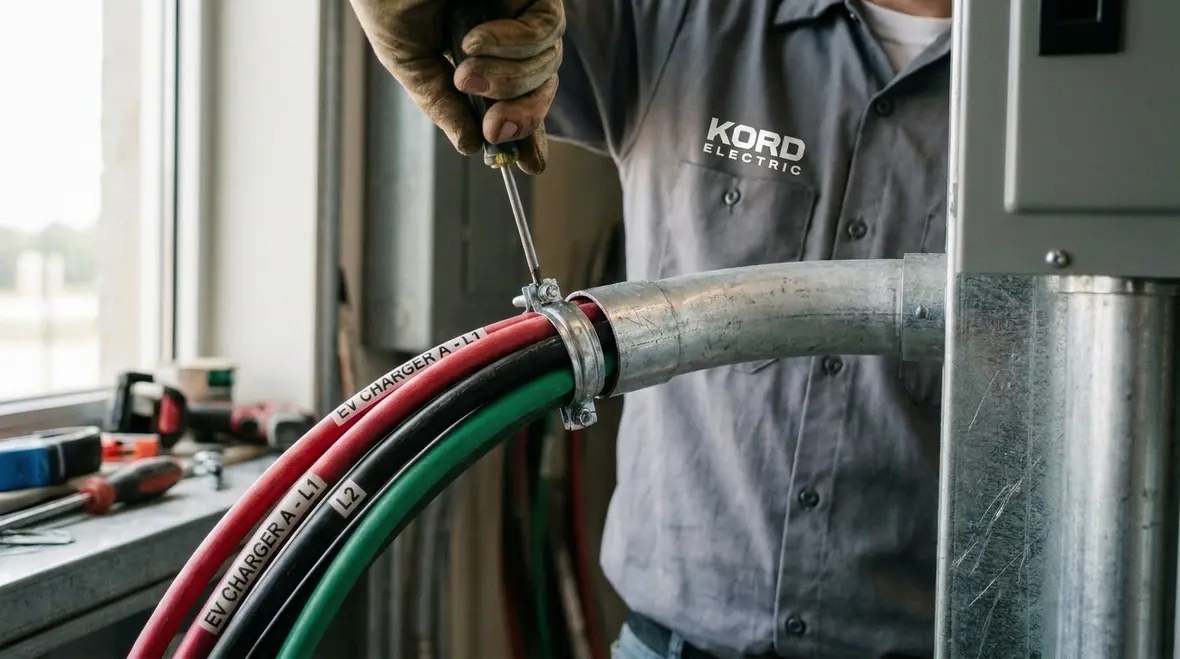
After we confirm the conductor rules, we move into routing and protection, because that is where many commercial and industrial projects gain or lose quality. To begin with, we avoid tight bends and we manage cable slack so the run does not pull at terminations. Furthermore, we keep cable from sharing pathways with hazards that can lead to wear, heat, or mechanical stress.
In many major property buildings, EV chargers sit near vehicle circulation areas, mechanical rooms, or mixed-use loading bays. Consequently, cables face higher traffic risk and vibration. Therefore, we use protective methods and careful routing plans. We may include conduit where needed, add physical protection at transitions, and ensure supports fit the load and layout.
Our technicians also plan for access. If a conduit cover or panel blocks future service, we rethink the layout early. That is the difference between an installation that only looks good on day one and one that stays serviceable during the first few years of real use. And if you have ever watched a team chase a “mystery fault” through a sealed enclosure, you already know why access matters.
Because routing often interacts with clearances, we also coordinate EV pathways with working space rules such as those discussed in Kord Electric’s coverage of NFPA 70 Section 110.26 working space and equipment clearances, so service teams can safely reach disconnects, panels, and terminations around the charging infrastructure.
Load behavior, overcurrent protection, and coordination
Next, we address the electrical behavior that comes with EV charging. Fast chargers can create high demand and rapid load changes. Thus, coordination between overcurrent protection devices, charger electronics, and upstream distribution becomes critical.
We size conductors with the actual load profile in mind. Then, we verify overcurrent protection settings and make sure the equipment ratings align. After that, we coordinate with the facility’s electrical design so faults clear correctly without shutting down unrelated systems.
At this stage, our approach stays practical. We confirm which panels feed the charging branch circuits. We review the site’s grounding and bonding strategy. We ensure connections are made with proper torque and the correct termination hardware. Moreover, we document the work in a way that helps future service teams and facility managers.
We also think about continuity. If a facility runs on tight schedules, the charger network must remain stable. Therefore, we plan staging and testing so we can bring sections online in a controlled way, rather than hoping the entire system behaves when everything gets energized at once.
In many projects, we tie these choices back to broader NEC planning topics such as noncoincident load demand factors and how they shape feeder and service sizing. Those same principles, explained for example in Kord Electric’s discussions of NEC Section 120.6 and related demand factor rules, help us keep EV conductors, breakers, and upstream gear working together instead of fighting each other every time a fleet plugs in.
Inspection readiness: what our technicians show and why
Commercial and industrial inspections often follow a pattern. Inspectors want evidence. They look for safe routing, correct conductor selection, proper installation practices, and clear labeling. So we prepare for the walk-through before we schedule it.
Our technicians document conductor routing, support spacing, conduit fill where applicable, and termination quality. We also check charger documentation and ensure it matches the final wiring plan. Then, we verify that identification labels are visible and readable, not hidden behind grime and cable ties from last week’s project.
We keep communication tight with other trades too. For example, when mechanical contractors install equipment near electrical pathways, we coordinate so conduit entries remain protected. Likewise, when civil teams alter site grading or trench routes, we confirm any changes do not push cables outside allowable protection methods.
In short, we make the inspection process calmer. And yes, we still enjoy the occasional pun about “conductors conducting the truth.” But we do it quietly, because the real goal is fewer red tags and a faster path to energizing.
Fire safety connections: how electrical choices affect risk
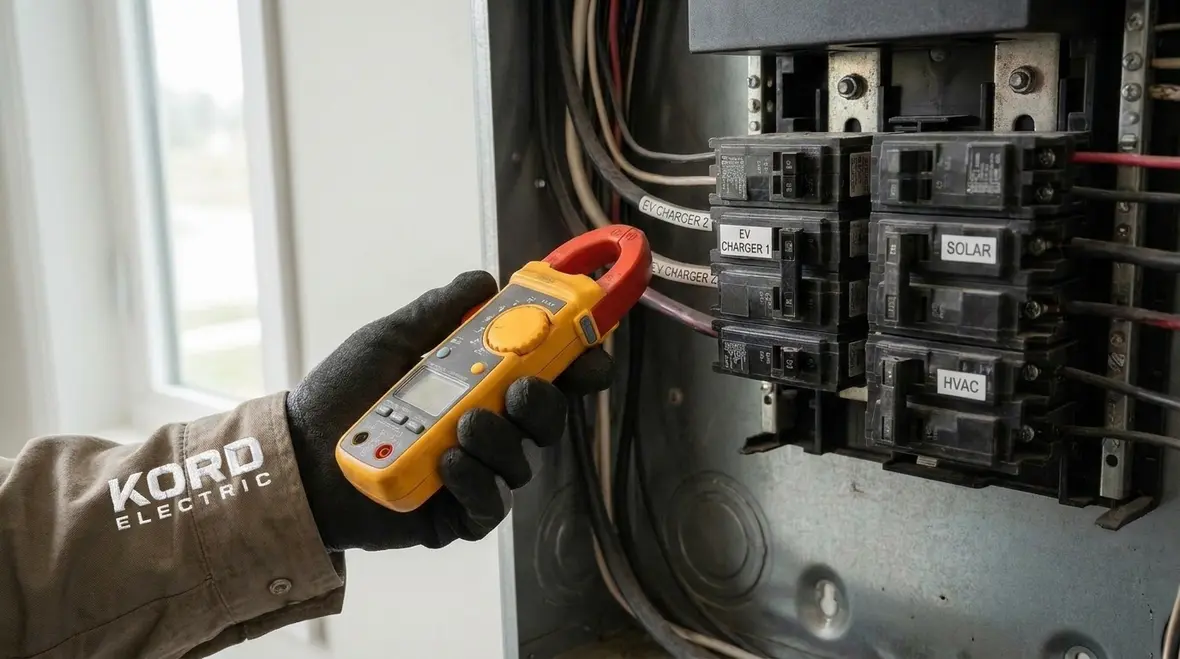
Even though EV charging is an electrical topic, it lives inside a larger safety system. That is why we consider fire safety impacts while we design and install. Electrical faults can start fires, and electrical pathways can spread heat or flames if they are poorly protected. Therefore, our team aligns EV installations with the facility’s overall safety design mindset.
We also recognize that building safety often involves more than one specialty. For that reason, we use insights from resources maintained by our fire-focused teams and partners. When pump and life safety systems exist, they depend on electrical power and correct installation conditions. Additionally, when a facility plans updates, we coordinate so the EV system does not interfere with safety equipment operation or with safe access to those systems.
We take a methodical approach. First, we confirm that cable protection does not block required maintenance access. Next, we confirm that any penetrations through rated walls and floors follow the correct practices for the building’s fire compartments. Then, we make sure that cable routing supports safe behavior under fault conditions.
If you want a practical way to think about it, imagine the system as a building’s nerves. When the nerves run cleanly and protected, the body functions. When the nerves are damaged or exposed, the whole system suffers. We aim for “function” at every stage.
Our approach stays aligned with the broader NEC and fire protection context described in Kord Electric and Kord Fire educational materials, including explainers on NFPA 70 for 2026 and related references to resources like kordfire.com.au and technical perspectives often discussed in industry learning hubs such as firepumps.org. That way, EV projects do not become an isolated “technology upgrade,” but part of a coordinated life safety strategy.
Dual check for commercial EV systems: design, then field proof
One reason EV installations fail is simple: design assumptions do not match field conditions. So we run a dual check process that keeps theory and reality in sync for commercial and industrial facilities. Below is how we do it, side by side, with minimal drama.
| Design and documentation step | Field proof step by our technicians |
|---|---|
|
We confirm conductor types, routing methods, support plans, and equipment ratings. We verify upstream protection coordination and labeling requirements. We review how the charging layout fits the building’s electrical rooms and pathways. |
We verify physical routing against the drawings before final termination. We check support spacing, conduit fit, and protection at transitions. We test and document key results so the installed system matches the plan. |
This method lets our expert service staff explain what we did in plain terms to facility managers and stakeholders. Because when your operations depend on uptime, “we’ll figure it out later” is not a strategy. It is a sitcom plot, not a commissioning plan.
How NEC Section 650.8 ties into broader commercial electrical planning
NEC Section 650.8 lives inside a larger web of requirements that shape commercial EV charging systems. Conductor installation affects feeder protection, working spaces, emergency power strategies, and how your building handles high demand conditions when fleets or employee vehicles plug in at the same time.
On many projects, our team at Kord Electric pairs EV conductor planning with broader code upgrade consulting and commercial electrical system mapping. That might include reviewing how EV loads interact with existing distribution, identifying where panelboards or switchgear need attention, or planning future expansion so today’s install does not paint tomorrow’s tenant into a corner.
We also coordinate EV conductor runs with surge protection, grounding, and connection quality practices. Articles like Kord Electric’s guides on industrial power surge protection for facilities, NEC electrical connection quality standards, and NEC working space requirements all echo the same idea: good conductors are only part of the story. The surrounding system has to support safe fault clearing, manageable maintenance, and predictable day-to-day operation.
For facility teams who want a primer before diving into project details, Kord Electric’s resource on Understanding NFPA 70: The National Electrical Code Explained for 2026 connects the dots between the rulebook and real-world decision making in commercial and industrial buildings.
Service coverage and commercial EV support in Los Angeles County
Because EV projects rarely exist in isolation, we deliver EV conductor installation as part of a broader commercial electrical services framework. For property teams across Southern California, that can include panel upgrades, switchgear assessments, code-driven renovation support, and preventive maintenance that keeps new EV infrastructure from outgrowing the rest of the system on day one.
If your facility operates in Southern California, especially within Los Angeles County, you can align EV conductor work with Kord Electric’s dedicated Los Angeles County electrical services. That way, your EV installations benefit from a team that already understands local inspection practices, regional code amendments, and the operational realities of major property buildings in the area.
Whether you are planning a new charging hub, expanding an existing fleet installation, or integrating EV infrastructure into a renovation, tying NEC Section 650.8 conductor work into a county-wide service strategy helps keep your upgrades consistent, documented, and easier to scale.
Frequently asked questions
Ready to meet NEC requirements with confidence?
If your commercial or industrial facility plans EV charging, we help you install with safety, code alignment, and long-term serviceability in mind. At Kord Electric, our technicians follow NEC guidance for EV conductor installation, verify field conditions, coordinate protections, and prepare your project for inspections without unnecessary stress. Let us review your site layout, discuss conductor routing and protection, and build a clear plan for commissioning. Contact us today to schedule an expert assessment and get your system installed right the first time.


