NEC Section 660.5 Discharge Lighting Supply Connection Explained
NEC Section 660.5 discharge lighting supply connection, explained for commercial and industrial sites
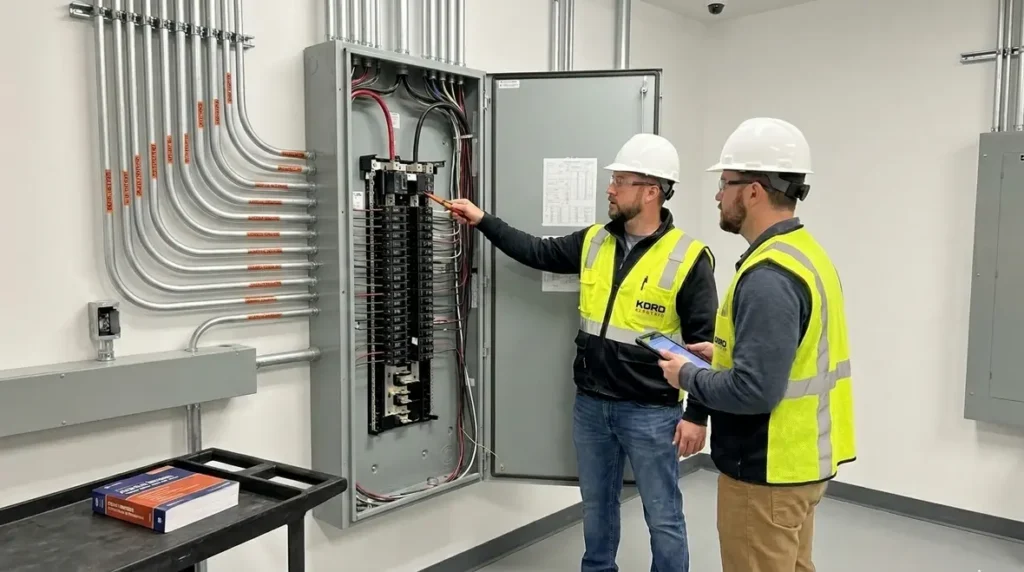
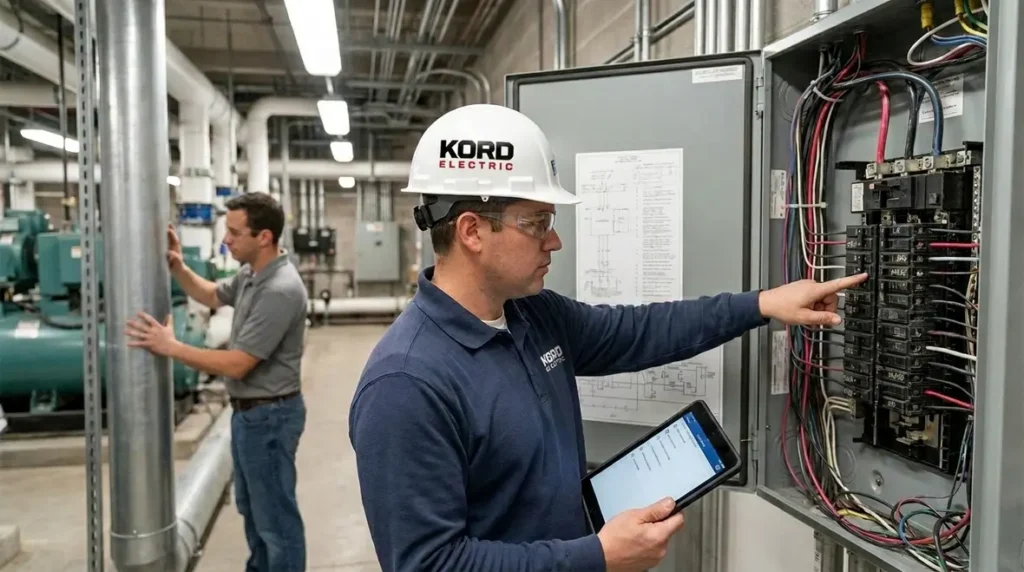
At Kord Electric, we support commercial and industrial facilities with electrical work that stands up to real inspection days, not wishful thinking. Early in the conversation, we address the NEC Section 660.5 discharge lighting supply connection. This rule matters because discharge lighting depends on stable and properly identified supply wiring, and because wrong terminations can create trouble fast, from flicker to nuisance trips. In other words, we treat this like the seatbelt that you hope you never need, right up until you do. Our technicians and expert service staff walk teams through the requirements step by step, because when people understand the why, they stop guessing.
As we move through this guide, we explain how the National Electrical Code connects to real-world layout, testing, labeling, and ongoing maintenance. We also keep the focus where it belongs: major property buildings, factories, warehouses, and other commercial and industrial facilities that cannot afford electrical uncertainty.
What the NEC is built to do for electrical safety

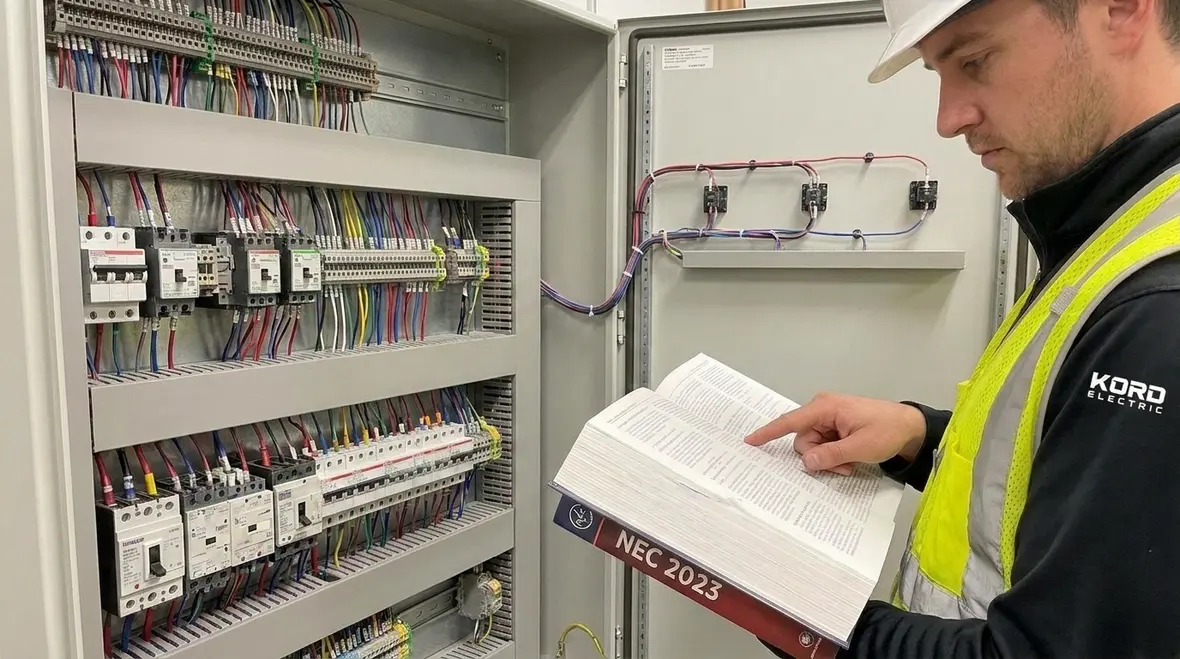
The NEC exists to reduce fire risk and shock hazards, while also improving consistency for installers, inspectors, and owners. Even so, people sometimes read it like it is a novel with endless chapters and confusing characters. We help by translating it into field language. Our team works with the National Electrical Code and related standards in practical ways, so your site stays compliant during installation and long after turn up.
To keep it simple, we think of the NEC as a set of rules that tells you how to size conductors, protect circuits, handle grounding, and install equipment safely. Then, it tells you what documentation and behavior to expect during inspections. Therefore, the code guides not only the wiring, but also the way facilities manage maintenance, modifications, and upgrades.
When we apply NEC guidance to discharge lighting systems, we focus on the full chain: supply connection, routing, protection, terminations, identification, and the conditions under which the equipment operates. And yes, we still laugh at the occasional “it will probably be fine” comment, because the code usually disagrees.
Where discharge lighting systems show up in commercial buildings
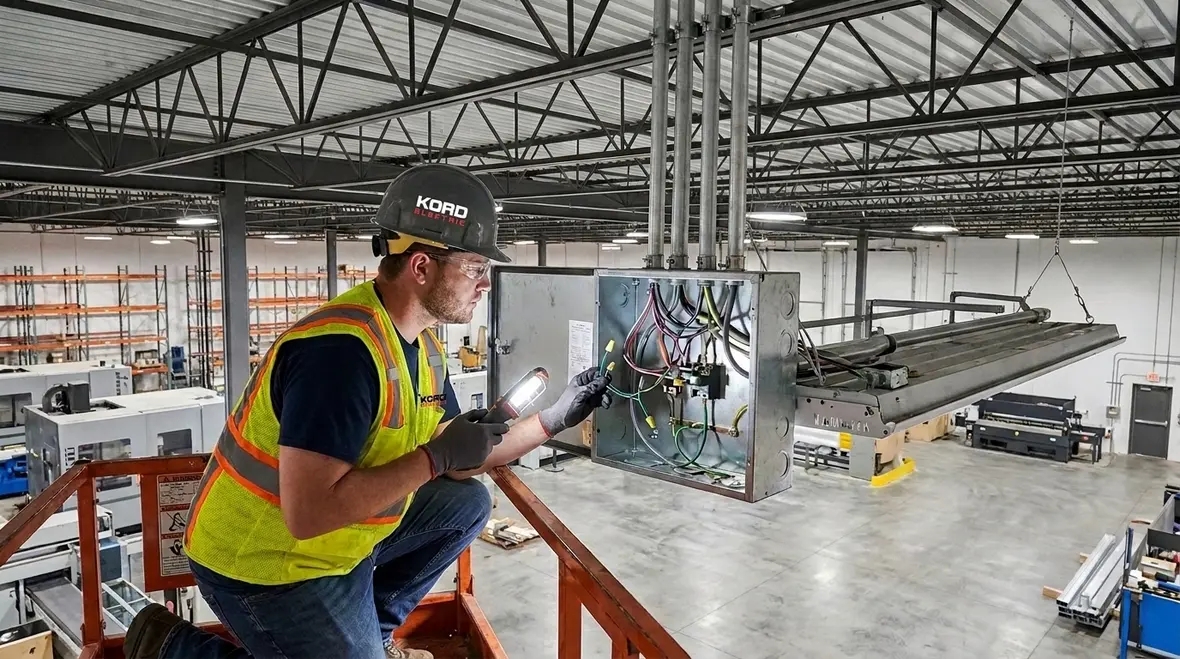
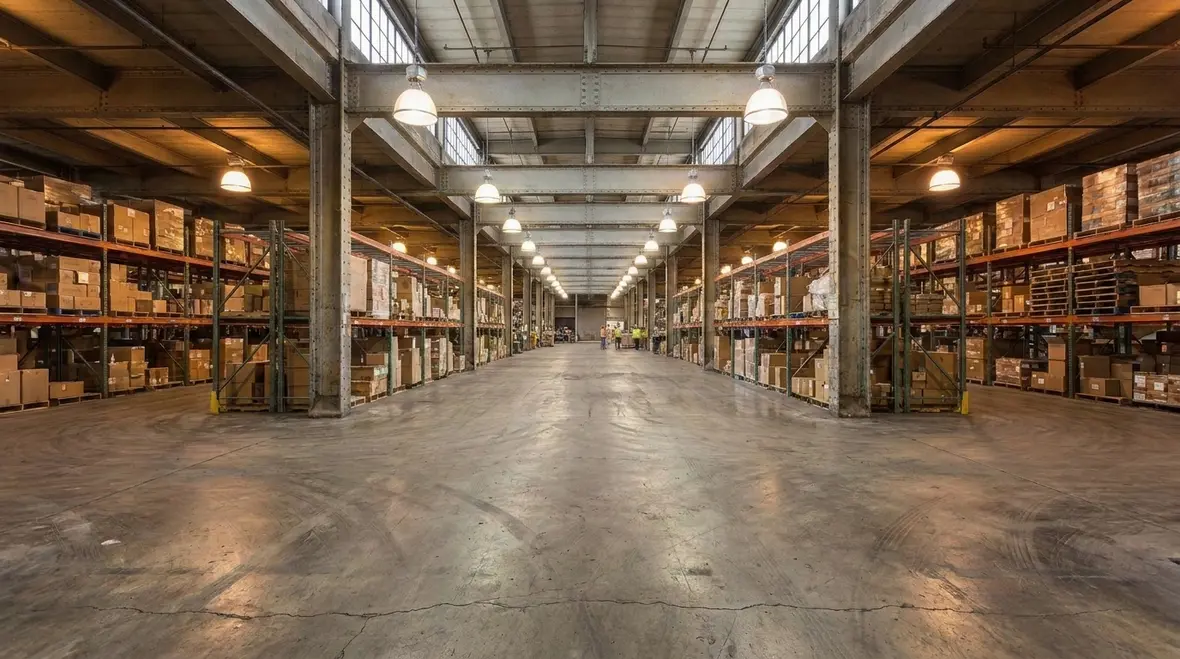
Discharge lighting often appears in places where reliable illumination matters for operations and compliance. For example, you may find it in warehouses, parking structures, large lobbies, exterior building areas, corridors, process rooms, and areas that require consistent lighting output. In commercial and industrial environments, these systems often work alongside emergency lighting and safety related circuits, so failure impacts more than comfort.
Moreover, discharge lighting can be part of a larger lighting control plan, including switching, dimming, and scheduled operation. When the supply connection and related wiring rules do not match the system design, you can see inconsistent performance. Even worse, improper installation can increase wear and heat at terminations. That is why we insist on proper installation practices and clear labeling, not just to pass a first inspection, but to reduce call backs.
Our technicians, including those with deep experience across facility upgrades, review how these systems integrate into the rest of your electrical distribution. Then, they confirm that the discharge lighting supply connection supports the intended operation and safety goals.
How NEC Section 660.5 sets the standard for the supply connection
NEC Section 660.5 addresses how discharge lighting supply connections must be made so the system stays safe under normal and fault conditions. We treat this as more than a “rule to follow.” Instead, we treat it like a checklist that protects the entire installation from early failure. When the supply connection is correct, voltage stays stable, heat stays controlled, and maintenance becomes more predictable.
In the field, we pay attention to details such as proper connection methods, secure terminations, the correct wiring approach, and alignment with the installation plan. Additionally, we confirm that conductors and equipment meet the requirements for the environment where they will live. That includes locations subject to vibration, moisture risk, mechanical stress, or where the lighting system runs for long hours.
Our expert service staff also explains how the discharge lighting supply connection fits into inspection expectations. Inspectors often look for clear installation practices, correct identification, and consistent workmanship. Therefore, we document what we do so the compliance story is clear from day one.
And here is the playful truth: a bad connection is like a bad handshake. It feels “almost fine” until you meet someone who knows what good looks like. The code is that someone.
Installation practices our electricians use to meet code expectations
Even if the plan is right, execution decides the outcome. We build installations for commercial and industrial facilities with a focus on repeatable quality. Our approach is not vague. We follow a disciplined sequence, and we explain the why behind each step.
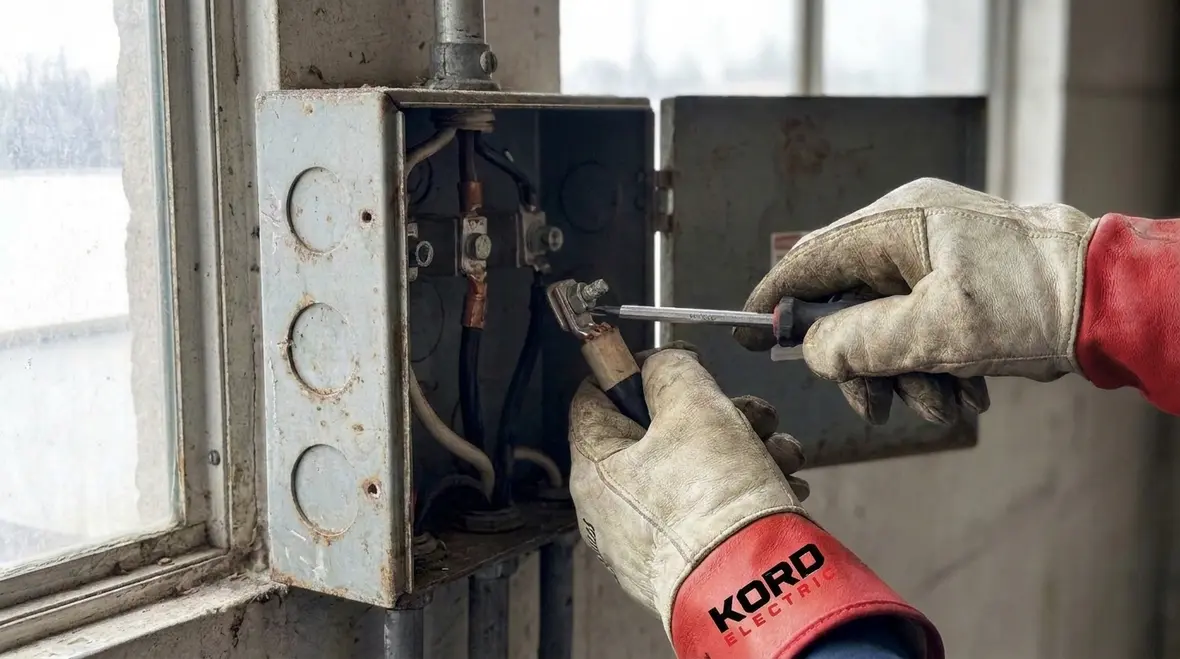
First, we confirm the lighting equipment requirements, including the intended operating conditions. Next, we plan wiring routes with protection in mind. Then, we secure and terminate conductors properly and confirm identification and labeling. Finally, we verify the system through testing steps suited to the design.
Our technicians work methodically, because lighting circuits often share spaces with other electrical loads, and because installation errors can hide in plain sight. For example, a wiring path that looks tidy can still cause excessive stress on terminations if the run is forced or unsupported. Similarly, labeling shortcuts can turn maintenance into a detective show where nobody likes the ending.
We also coordinate with facility stakeholders so that service work does not disrupt operations longer than necessary. When your building is a living machine, downtime costs money. Therefore, we schedule work thoughtfully and keep communication clear.
Inspections, maintenance, and keeping discharge lighting reliable
After installation, the job does not end. In commercial and industrial settings, lighting systems must remain reliable through seasonal changes, equipment aging, and routine building activity. We support this with maintenance planning guidance and by recommending realistic inspection intervals based on operating conditions.
Also, the supply connection matters again later. Over time, heat cycles and vibration can loosen connections if workmanship standards were missed early. That means maintenance should include visual checks for wear, verification of identification, and performance checks that match the system’s role in the facility.
When teams ask how we keep compliance on track, we point to documentation, part traceability, and consistent workmanship. Our expert service staff does not just say, “it passed once.” Instead, we explain how proper installation and maintenance reduce future risk, including risk tied to the discharge lighting supply connection and related circuit behavior.
Common mistakes we prevent during commercial lighting projects
People make mistakes. It happens. Yet in commercial and industrial facilities, mistakes become expensive, disruptive, and sometimes unsafe. We help prevent the most common failures we see in the field.
One, improper connection practices that lead to heat buildup at terminations. Even small workmanship errors can cause big performance problems, because discharge lighting runs under operating conditions that punish weak connections.
Two, unclear identification. If future maintenance cannot quickly find the right circuit, teams waste time and increase the chance of errors. In that moment, “I thought it was the other breaker” becomes a classic workplace comedy, and nobody is laughing when the plant manager asks why the system is down.
Three, routing and support problems. Conductors need proper protection and strain relief. If wiring is forced, poorly supported, or exposed to mechanical stress, the risk grows over time.
Four, skipping the coordination step. When discharge lighting design does not align with the electrical distribution plan, the installation can still look correct while failing under real operating loads.
Therefore, we review your electrical plan, confirm system intent, and install with the code in mind, so you avoid costly callbacks and reduce downtime.
NEC guidance and our field support at Kord Electric
We stay current with NEC updates and related guidance so our work matches modern safety expectations. Our customers often want clarity, not a flood of legal text, and that is exactly what our team provides. We work alongside stakeholders in commercial and industrial projects, including major property buildings, where compliance and reliability must come together.
To support teams that need broader fire and electrical context, we also align with the broader professional ecosystem around safety, including guidance you may see from Kord Fire and Kord Fire team resources. For example, if your facility leadership wants a companion NEC overview, resources like Understanding NFPA 70: The National Electrical Code Explained for 2026 on the Kord Electric blog help connect big-picture code direction to everyday project decisions.
In short, we help you build a safer electrical foundation, and we keep the process clear from start to finish.
Technical comparison: how we document compliance for lighting supply connections
To make things easier for property teams and site leadership, we often provide clear documentation during and after installation. Below is how we typically organize the compliance story across the main work areas. Our technicians explain each item so the facility team knows what to expect next.
Area we verify Connection method, termination quality, circuit identification, and physical protection in place | What you get Clear notes and photo documentation tied to the work package and inspection needs |
Area we test Function and performance checks aligned to the lighting system design | What it helps prevent Premature failures, nuisance issues, and costly troubleshooting later |
FAQ
Final word from Kord Electric
If your commercial or industrial facility needs discharge lighting installed or upgraded with confidence, we are ready. Our technicians and expert service staff apply NEC expectations carefully, with clear explanations and documentation that make inspections smoother. We also plan work to reduce downtime, because operations cannot pause for long. Contact Kord Electric to review your project details, identify the requirements for the lighting supply connection, and build a safer electrical system that lasts.
For facilities in Southern California that need support beyond discharge lighting, our team also provides broader code-minded help through services such as Los Angeles County electrical services, where NEC-driven design, installation, and maintenance come together to support long-term commercial and industrial reliability.