
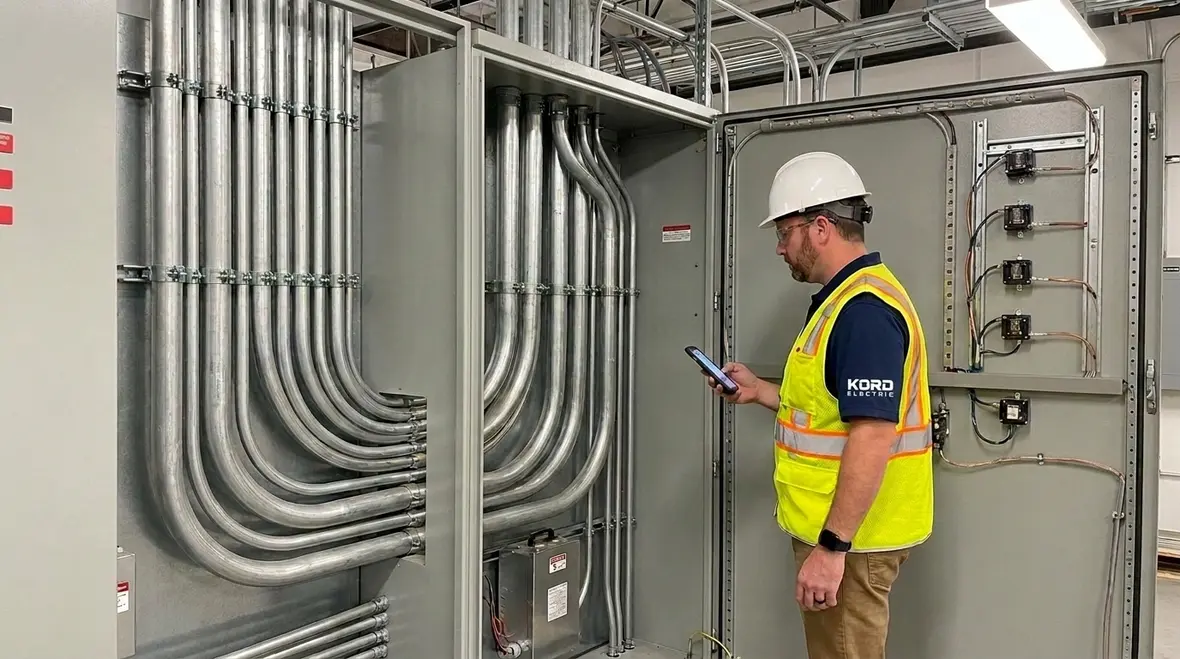
NEC Section 665.25 Dielectric Heating Shielding Explained
We first look at NEC Section 665.25 dielectric heating shielding in the early planning phase, because it sets the tone for safe, compliant installs in commercial and industrial spaces. In other words, when dielectric heating equipment shows up on site, we do not treat the wiring and protection like an afterthought. Instead, our team and our expert service staff review the code needs, verify installation details, and guide the facility toward a safer operating environment. And yes, we’ve seen what happens when people guess. Electricity does not do “vibes,” it does “physics.”
What NEC coverage looks like for dielectric heating and power systems
Third party standards can feel like they were written for robots. However, the National Electrical Code still gives a clear path when a facility wants consistent safety. For commercial and industrial facilities, the NEC does not just list rules. It ties equipment use, wiring methods, and protection goals together so the whole system behaves predictably during normal operation and during faults. That matters most for major property buildings where one wrong decision can ripple across tenants, production lines, life safety systems, and uptime.
In practice, we coordinate with facility leaders and others on the project team to map the electrical architecture before any devices are energized. Then we focus on the portions that often cause confusion: equipment ratings, conductor and insulation needs, separation and shielding expectations, and how dielectric heating loads affect temperature, current flow, and enclosure requirements. At Kord Electric, our technicians walk through what the code expects and why, step by step, so the design matches real site conditions rather than a perfect world that never existed.
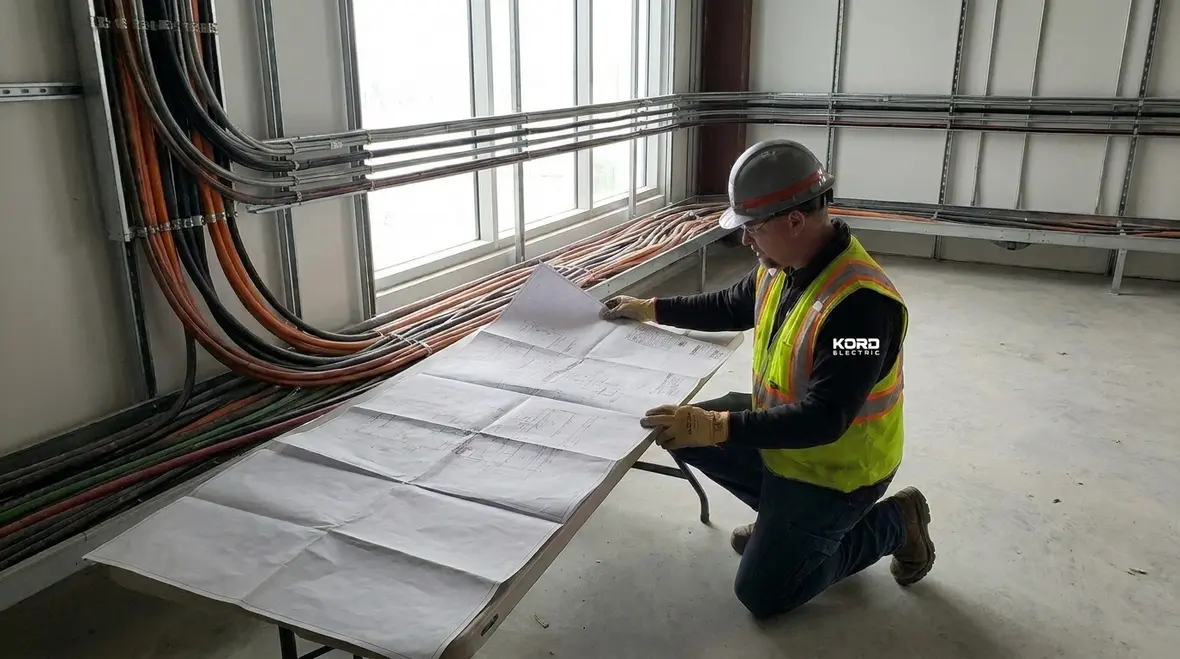
NEC Section 665.25 dielectric heating shielding and what it actually demands
NEC Section 665.25 dielectric heating shielding is where many facilities need the most practical clarity. Our approach starts with the intent: shielding helps manage unwanted electrical effects and supports safe operation around dielectric heating processes. Therefore, we treat shielding as a system requirement, not a single “add-on” item.
When our technicians explain this section, they keep it grounded. They identify where shielding must exist, how it must be applied, and how it must be terminated and bonded so it functions as designed. Next, they verify the installation supports the required protection goals, including proper grounding connections and routing methods that avoid compromises. Then, they confirm that the shielding strategy works with the rest of the wiring design instead of fighting it.
Just as important, we also consider how the installation will be built in the real world: conduits, cable trays, penetrations, service distances, and transitions between equipment rooms and process spaces. Consequently, when facilities plan early, they reduce change orders later. And fewer change orders means fewer chances for someone to say “we’ll fix it during commissioning.” Spoiler: that fix often becomes a schedule cost.
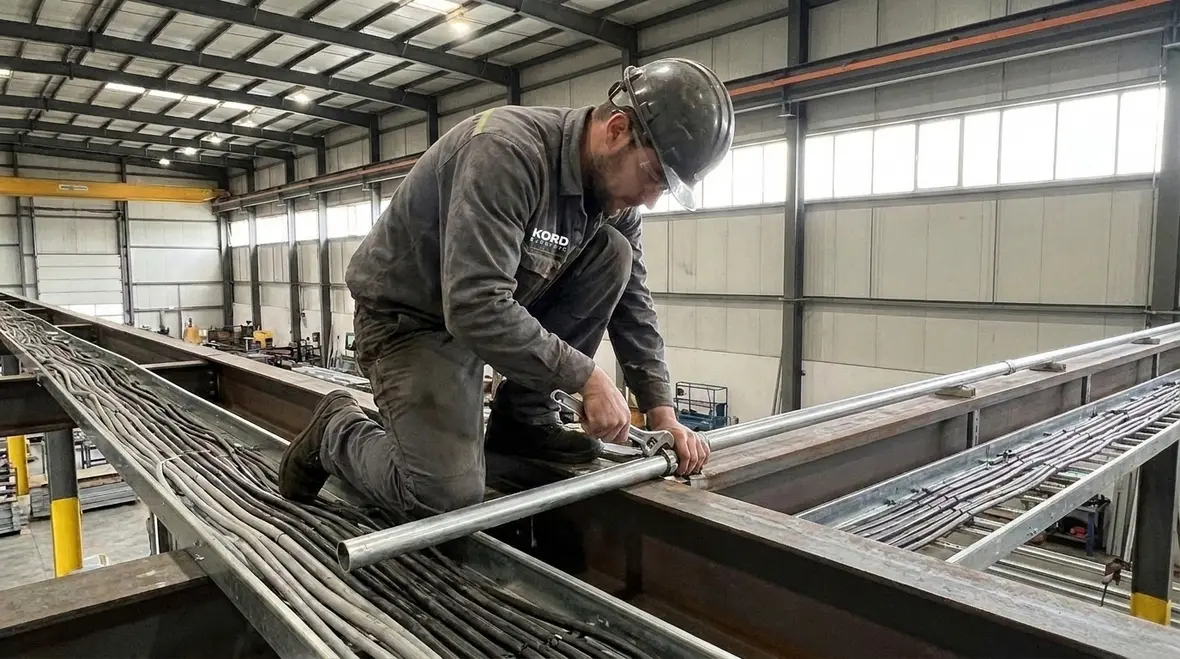
How we apply NEC logic to layout, wiring routes, and grounding
Even the best written requirement falls apart if the physical layout ignores it. So our expert service staff plans around the building’s actual structure, routing constraints, and equipment locations. Then we apply NEC logic to how wiring routes run, how enclosures support shielding, and how bonding creates an effective electrical path.
We start by looking at the process equipment and the electrical source relationship. After that, we evaluate conductor routing methods that preserve separation where needed and support safe heat dissipation. Then we pay close attention to grounding and bonding continuity across enclosures and metallic parts. When dielectric heating systems operate, the electrical environment can differ from standard loads, and that influences how installers should treat shielding integrity.
Transitioning from one area to another often introduces risk. Therefore, we pay attention to penetrations, sleeves, cable entry points, and places where materials meet. For large buildings, this matters even more because work occurs across multiple trades. While others might focus on speed, we focus on safe continuity. That is how we help commercial and industrial sites maintain compliance without creating hidden hazards that show up later during inspection.

Commercial and industrial risks we prevent with proper NEC alignment
Many facility teams ask what the “real” consequences are when NEC requirements get missed. Our technicians answer it clearly: missed requirements can lead to nuisance tripping, higher wear on components, overheating at terminations, degraded insulation performance, and unreliable operation. Then there is the bigger concern, the one that can force shutdowns or delay production: safety and compliance gaps that create enforcement problems.
In major property buildings, the risk is multiplied. A single zone can serve multiple loads and systems, and those systems rarely act in isolation. Therefore, electrical protection needs to support both routine operation and fault conditions. When dielectric heating equipment is part of the mix, we treat the system like an integrated network. We also verify labeling, documentation, and commissioning steps so the site can demonstrate correct implementation.
Think of it like a movie franchise. If the wiring design skips a key scene, the plot does not make sense later. Yet the real world does not rewrite itself. Our expert service staff helps keep the narrative consistent from design through installation and turnover.

Coordination with inspections, documentation, and commissioning
Compliance does not end when the last cable gets dressed. It continues through testing, documentation, and commissioning, which is where many projects stumble. We build the process around what inspectors and facility operators need to see, so the job doesn’t feel like a magic trick where the outcome appears but the reasoning stays hidden.
First, our technicians prepare clear records of how shielding was installed and how bonding and grounding were addressed. Next, they confirm that equipment connections match the approved design intent. Then we coordinate testing steps that verify performance and safety before the system enters normal operation. Throughout, we explain the “what” and the “why,” so facility teams can make informed decisions and train staff correctly.
Also, since electrical and fire safety planning often overlaps, we align with the broader compliance mindset. Sites that rely on safe power distribution often also need dependable emergency planning. For that reason, teams sometimes consult fire and life safety resources as part of their broader due diligence, including the guidance communities like firepumps.org share on system readiness. We do not replace those partners. Instead, we coordinate our electrical scope to support the full safety picture.
Why planning early helps large facilities stay on schedule
Time pressure is real in commercial and industrial facilities. Yet when teams delay NEC focused planning, the late changes can get expensive. For major property buildings, shutdown windows are tight and trades compete for access. Consequently, we recommend early electrical reviews that include shielding strategy, routing decisions, and grounding plans before major installation begins.
When we join early, our technicians can spot conflicts between electrical runs and structural elements. Then we can adjust routing, enclosure choices, and termination approaches while the project still has room to breathe. In addition, we can help other stakeholders understand what a correct installation looks like, including how dielectric heating shielding should be carried through transitions and how it should remain intact and effective.
In short, we help keep the project from becoming the “final boss” everyone fears. You know the one: the surprise that arrives right before turnover. We work to prevent that, so the facility receives a safe and compliant electrical system without last minute chaos.
NEC and safe practice across the industry
Different publications and regional guidance can look like a blur, but the core goal stays the same: safer electrical installations that support predictable performance. Our company stays aligned with NEC based thinking and with the practical guidance that helps teams interpret requirements responsibly. For example, Kord Electric regularly builds internal training around updates and code concepts, while partners and affiliates such as Kordfire’s NEC resources explore broader electrical and fire safety perspectives for commercial and industrial needs. That broader view matters because facilities do not run on one system only.
We also recognize that building teams need reliable, step by step explanations. That is why our expert service staff takes the time to explain NEC Section 665.25 dielectric heating shielding concepts in clear terms and ties them back to what will be installed on site. The goal is confidence, not confusion.
For teams who want a grounded overview of how shielding fits into the broader rulebook, resources like Understanding NFPA 70: The National Electrical Code Explained for 2026 connect NEC concepts to real project conditions. When we reference those materials during planning, it helps everyone keep the same mental map of how dielectric heating systems interact with feeders, grounding paths, and protection devices.
FAQ
Call Kord Electric for dielectric heating and NEC support
If your commercial or industrial facility uses dielectric heating equipment, we help you plan and install the electrical system with confidence. Our technicians and expert service staff review NEC requirements, including NEC Section 665.25 dielectric heating shielding, then we align shielding, grounding, routing, and commissioning with real site conditions. You get clear documentation and practical guidance that supports inspection readiness. For facilities in complex jurisdictions, including those within Los Angeles County electrical services territories, we coordinate designs and field work so local expectations and NEC direction stay in sync.
When you are ready to look beyond a single project, our team can also connect dielectric heating work with broader code strategies, such as long term upgrade planning and NFPA 70 interpretation across future cycles. Whether you are reviewing a new process line, an expansion, or a retrofit, we help you pair NEC Section 665.25 dielectric heating shielding decisions with safe distribution, grounding reliability, and clear records from day one.
If you want a deeper dive into how NEC concepts shape your wider system, you can pair this article with resources like Understanding NFPA 70: The National Electrical Code Explained for 2026 and other Kord Electric blog guides on reading and applying the code. Together, they create a roadmap so your dielectric heating projects move from idea to energized operation without sacrificing safety or schedule.
Call Kord Electric today and let us handle the details so your team can focus on operations, not troubleshooting.


