NEC Section 680.2 Pool Electrical Equipment Compliance
Kord Electric guides you through NEC requirements for pool electrical equipment
When people hear “pool electrical,” they often think of water, lights, and maybe a timer that refuses to work. Yet for commercial and industrial facilities and major property buildings, electrical safety is a business issue, not a hobby. In our work, we start with the NEC Section 680.2 pool equipment listing concept because it sets the expectation that pool and spa related electrical equipment must be listed for the right use. That means components designed for wet locations, correct bonding, and proper installation, not random parts pulled from a bin like a scene from a late night DIY show.
Next, we connect that baseline to the National Electrical Code requirements for 2026 and the related NEC guidance published by our team through Kord Electric and Kord Fire resources. Then, our technicians and expert service staff walk facilities step by step through what these rules mean in the real world, where inspectors show up, schedules get tight, and the “it should be fine” argument does not survive contact with a checklist. For a broader code foundation, many facility teams also review our resource on understanding NFPA 70, the National Electrical Code explained for 2026 so pool electrical decisions align with the larger NEC story.
What NEC Section 680.2 means for commercial pool installations
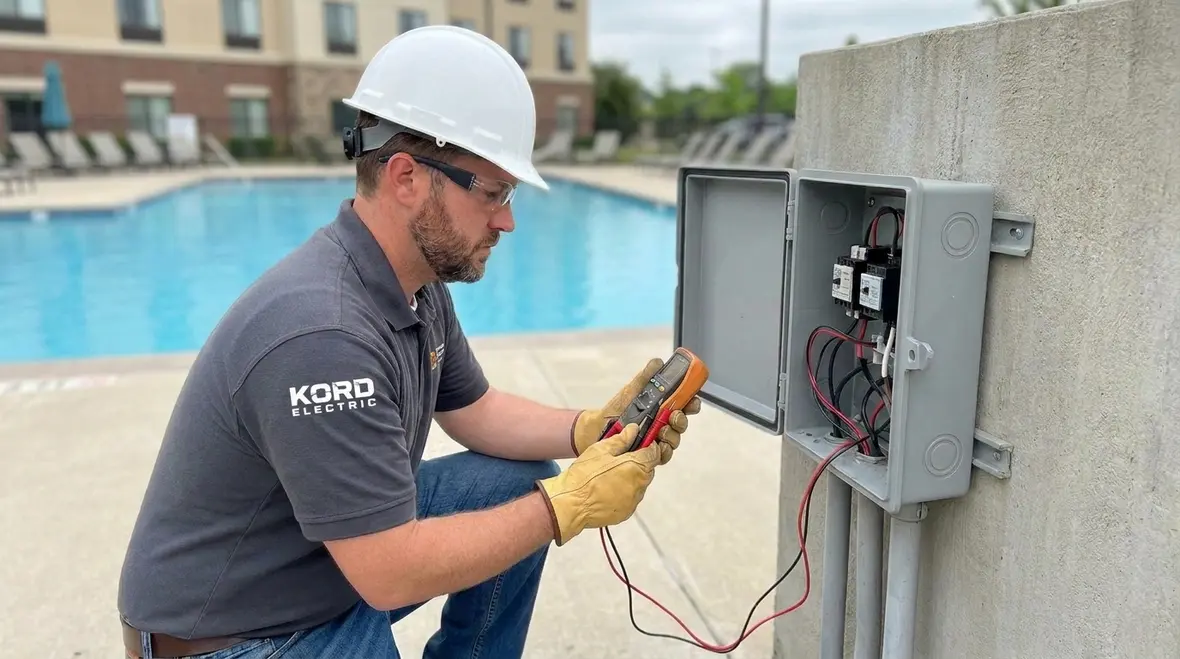
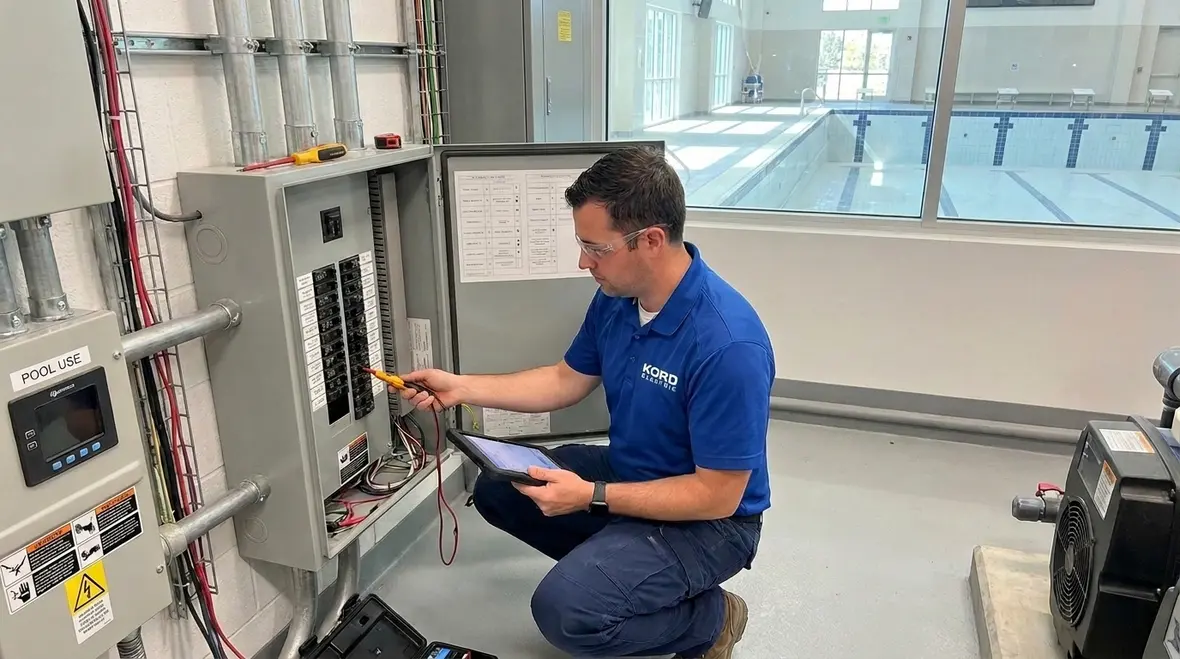
For commercial sites, we treat NEC Section 680.2 pool equipment listing as a gatekeeper. It tells us that equipment connected to pool, spa, or related systems must be listed. In plain terms, the manufacturer proves the product meets safety requirements, and the code requires that proof be present. If a device is not listed, then the facility carries a higher risk, and that risk shows up fast during inspections.
However, listing alone does not cover sloppy installation. Even when the equipment is correct, we still check placement, wiring methods, and system interconnection. Therefore, our technicians verify that the equipment you purchase matches the application and that the installation follows the NEC path, not a shortcut.
- Listed equipment: We confirm the product is intended for pool and spa applications.
- Correct location and exposure: We verify where and how it connects to wet areas.
- Proper integration: We ensure the equipment works with bonding and wiring rules.
- Inspection readiness: We document what we install so the facility can pass cleanly.
And yes, we have seen “it was installed by the previous contractor” turn into a comedy routine that ends with a red tag. We do not want that ending for your team.
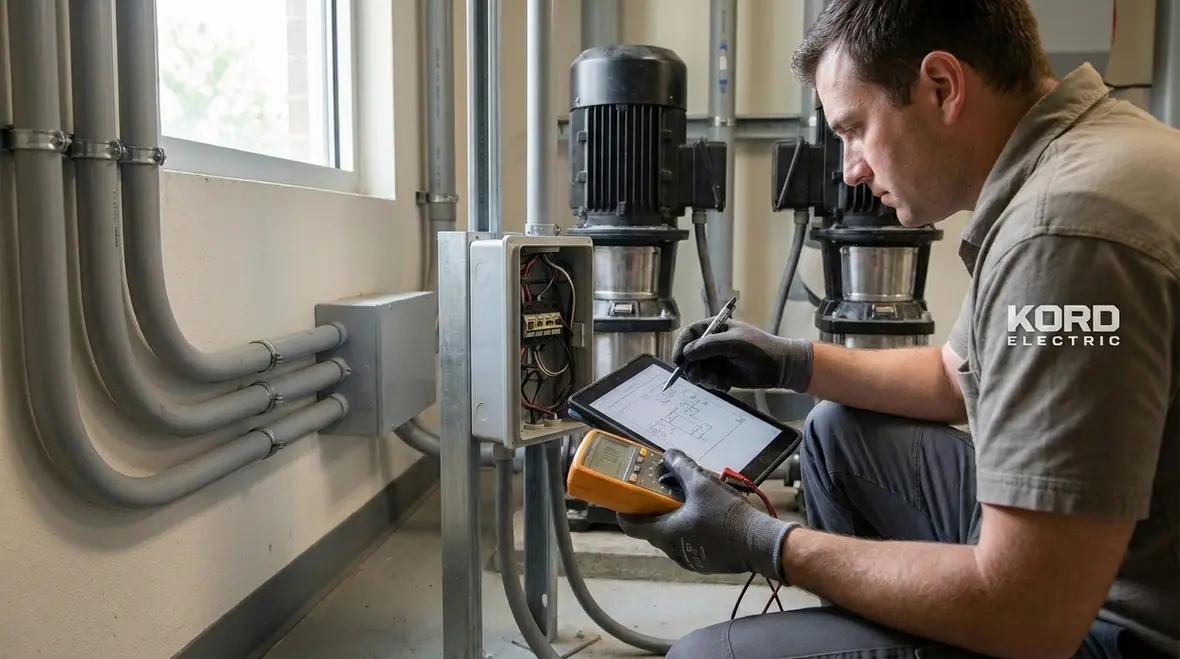
How electricians apply NEC rules to pool and spa electrical systems
In the field, NEC rules do not live in a book. They live in pull schedules, conduit runs, device mounting, and how technicians handle conductors. So we focus on what our expert service staff actually checks before power goes on.
First, we map the pool electrical system into parts: equipment, bonding connections, feeders, branch circuits, and controls. Then, we align each part to the NEC guidance so no component escapes the safety rules. This includes cross-referencing pool circuits with the broader NEC direction outlined in resources like our National Electrical Code overviews, so your pool system is not treated as an isolated afterthought.
Next, we handle the “wet environment reality.” Water changes the game. Moisture and corrosion can create pathways for fault current if bonding and insulation integrity are wrong. Therefore, our technicians use listed components that tolerate the environment, and we keep wiring and termination practices consistent with NEC expectations.
Then, we verify control wiring and interfaces. Pool systems often include lighting, pumps, heating equipment, and sometimes automation. As a result, we look at how these systems share grounding and bonding. When systems share infrastructure incorrectly, you may get intermittent faults that act like a jump scare in the dark.
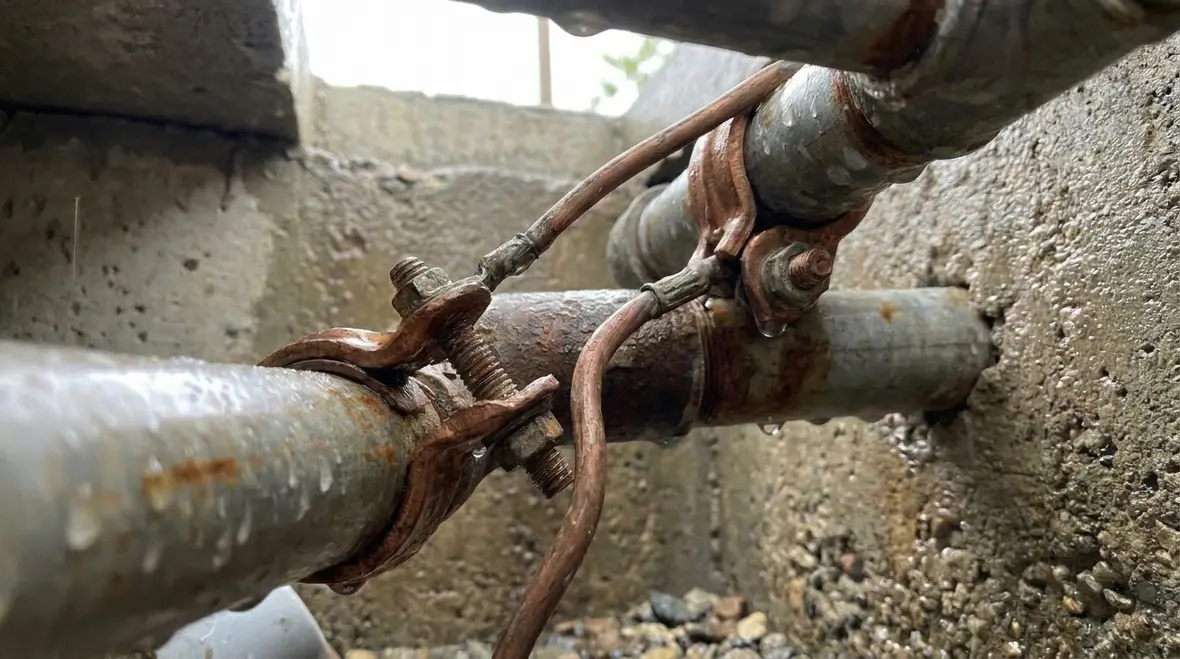
Bonding and grounding: the safety framework we validate
Bonding and grounding often sound like a technical mantra. Yet in commercial and industrial facilities, they work like a safety net. They help protect people and equipment by managing fault current paths and reducing dangerous potential differences.
Our technicians treat bonding as a system, not a single connection. That is because pool areas can involve metal components, piping, and equipment enclosures. If a facility uses the wrong approach, the pool area can become a place where electricity behaves “creatively.”
So we validate:
- All required bonding connections: We confirm materials and connections meet the NEC intent.
- Enclosure and equipment bonding: We ensure enclosures connect properly to the bonding system.
- Continuity and corrosion control: We check that connections stay reliable over time.
- Correct wiring separation and terminations: We prevent bad terminations from becoming future callbacks.
Meanwhile, we also align our work with the broader safety mindset reflected in the Kord Electric and Kord Fire educational material. Kord Fire resources help clients think about where electrical failures can escalate, and how fire and life safety teams expect the electrical system to behave.
In short, we build the framework first, then we install the equipment. Because if you install the equipment first and fix bonding later, you will spend money twice and time more than once.
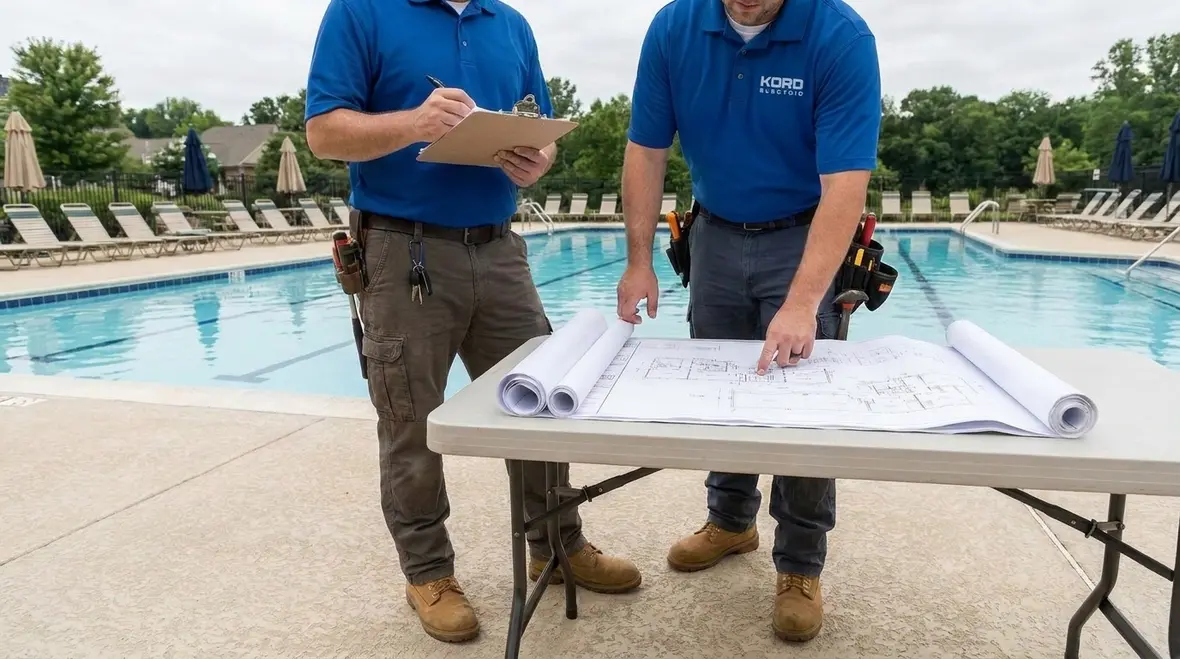
Planning the inspection path with skilled Kord Electric technicians
Even the best design can fail in the field if the documentation and installation details do not support the inspection. That is why we help commercial and industrial facilities plan for an inspection path from day one.
Our process starts with scope alignment. We talk with facility managers, maintenance leaders, and project teams so everyone understands the NEC direction and the equipment requirements tied to pool electrical systems. Then, we coordinate our installation steps to reduce rework.
Next, our expert service staff focuses on the details that inspectors look for:
- Equipment compliance: We verify listed equipment for pool related use.
- Wiring methods and protection: We use NEC compliant practices for routing and protection.
- Labeling and as built updates: We update records so “as installed” matches “as required.”
- Testing and verification: We validate safe operation before turnover.
Now, if your facility uses fire suppression, you may also want to coordinate electrical work with the fire protection team. Organizations like Fire Pumps groups emphasize the importance of system readiness and correct installation across life safety systems. Therefore, when electrical and fire protection efforts stay aligned, your site avoids the kind of “who owns this responsibility” drama that can delay opening day. And nobody wants that. Not even a fictional overlord who rules with spreadsheets.
For facilities in Southern California, this inspection-minded approach ties directly into broader service offerings such as our Los Angeles County electrical services, where pool electrical work often connects to larger building upgrades, emergency power plans, and life safety coordination.
Common mistakes that trigger failures and how we prevent them
We see patterns. And while every project has its own twist, many issues come from a small set of mistakes. So we address these upfront, before your facility pays for mistakes with downtime.
Here are the most common triggers we prevent during commercial and industrial pool electrical work:
- Using unlisted or mismatched equipment: Some teams assume “it fits” means “it meets the code intent.” We do not.
- Skipping bonding checks: A missing bond can create shock risk and equipment failure.
- Improper termination practices: Loose or incorrect terminations create heat and future faults.
- Ignoring wet location realities: We select wiring practices and enclosures that handle moisture exposure.
- Designing in theory only: We plan conduit routing, access, and maintenance so installation matches the plan.
As we work, our technicians also communicate clearly. We do not treat your facility like a black box. Instead, we explain what we are doing and why, so your internal team can maintain the system confidently. That reduces calls, reduces confusion, and keeps everyone moving forward.
Dual column overview of NEC pool electrical readiness steps
| Step | What Kord Electric does for major properties |
| Equipment selection | We verify listed suitability aligned with NEC Section 680.2 pool equipment listing expectations, then match equipment to the pool and spa application. |
| System planning | We map feeders, circuits, and controls, then align routing and protection methods to code intent. |
| Bonding and grounding validation | Our technicians confirm required bonding connections and enclosure integration to support safe operation. |
| Installation quality checks | We enforce correct termination, separation, and wet environment protection to prevent future failures. |
| Testing and documentation | We verify safe operation and update as built records so your team can answer inspection questions fast. |
FAQ for commercial pool electrical compliance
Conclusion: bring your pool electrical work to Kord Electric
Commercial and industrial pool electrical systems demand careful planning, listed equipment, and solid bonding practices. If you want a safer installation and a smoother inspection path, we are ready. Our Kord Electric technicians and expert service staff will review requirements, guide your team through NEC expectations, and build work that holds up when inspectors arrive. Whether you are just starting to review NEC Section 680.2 pool equipment listing details or coordinating an upgrade across multiple buildings, we help you connect code language to real work in the field.
From early design conversations to final inspections, our team stays focused on keeping your pool electrical system compliant, maintainable, and aligned with your broader facility plans. When you are ready to move from “we should fix that someday” to a documented, inspection ready installation, Kord Electric is prepared to help you take the next step.
If you operate in Los Angeles County or surrounding regions and need pool electrical work integrated with larger facility needs, our service teams can also connect this effort to distribution upgrades, emergency power, and safety improvements so your pool does not become the weak link in an otherwise strong electrical story.