NFPA 70 Section 675.22 Irrigation Motor Ampacity for Commercial Sites
NFPA 70 Section 675.22 irrigation motor ampacity: what it means for commercial sites
At Kord Electric, we serve commercial and industrial facilities, and major property buildings, where electrical code compliance cannot be treated like a “we will deal with it later” hobby. Within the first lines of planning, we check NFPA 70 Section 675.22 irrigation motor ampacity because it helps determine how much current an irrigation motor circuit can safely carry. In simple terms, we size protection and conductors with the motor’s needs in mind, instead of guessing. This matters because irrigation systems run hard, outdoors, and often far from where the office staff can hear a problem starting. And yes, equipment always fails at the worst time, like right before the big tenant walkthrough.
Our expert service technicians explain the “why” behind the rule, so your team gets more than a pass or fail. Instead, you get clear reasoning that supports safer design, faster commissioning, and fewer surprises during inspection.
What the National Electrical Code actually covers for irrigation motor circuits
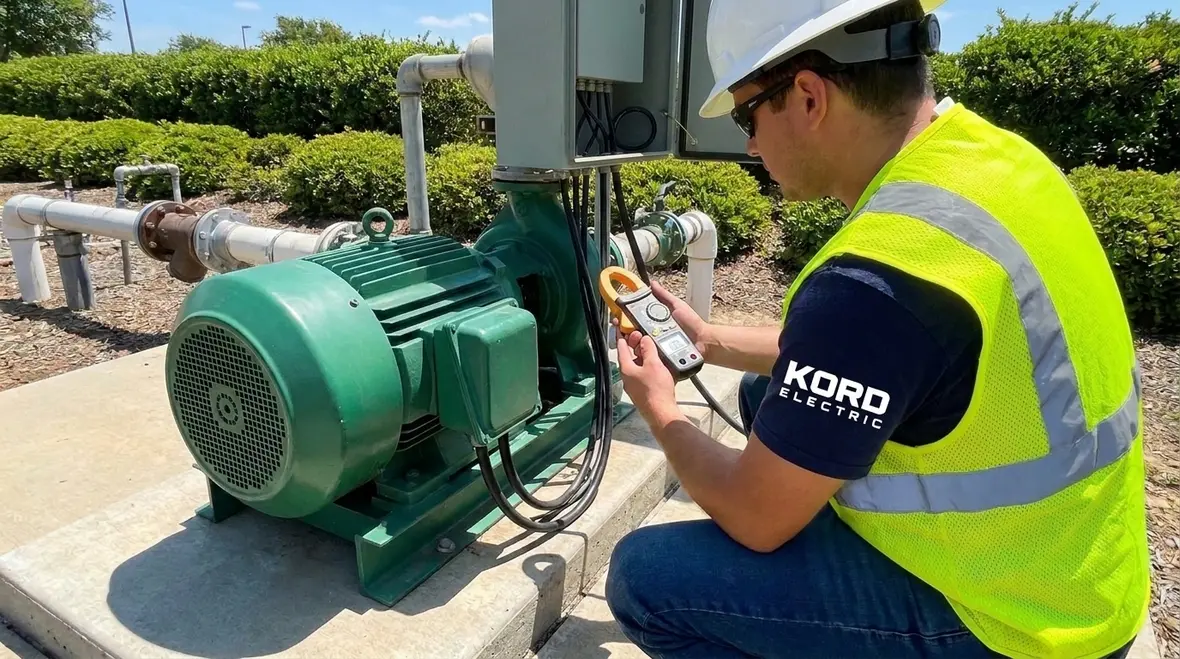
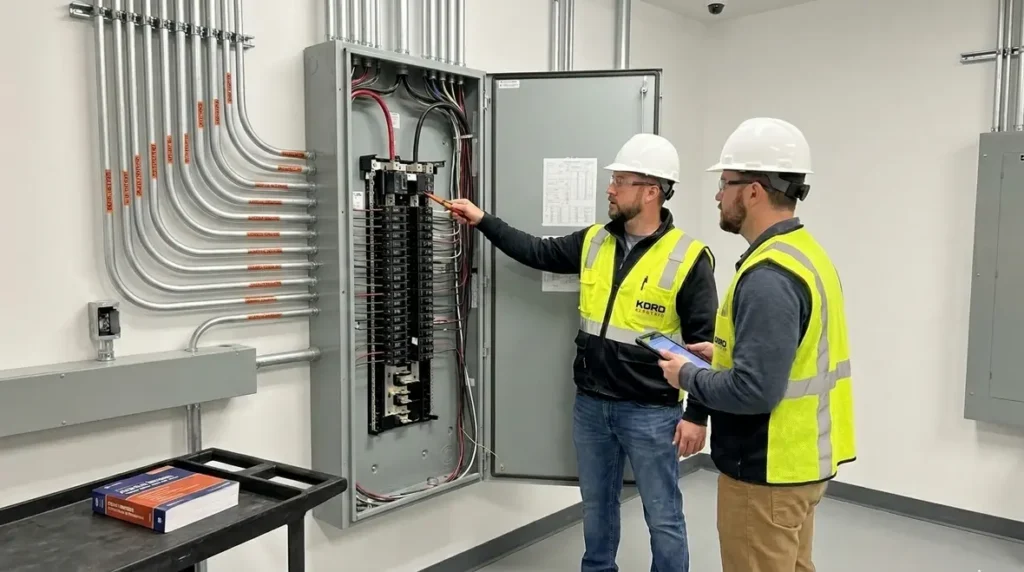
In our experience, people hear “NEC” and imagine a thick book that only inspectors read. However, the NEC is a practical rule set that guides how electrical systems should be built and protected. When we support commercial and industrial projects, we focus on the parts that affect real infrastructure: conductors, overcurrent protection, disconnecting means, wiring methods, and motor circuit rules. When irrigation is part of the site power plan, the code requirements become part of the overall electrical design, not an add on.
Moreover, the NEC approach stays consistent: we build in a safety margin, then we back it up with correct sizing. As we coordinate with engineers, contractors, and facilities teams, we make sure the irrigation motor circuits match the overall system rules, including grounding, wiring type, and how equipment is meant to be serviced. And when the system gets expanded later, our team helps prevent “field fixes” that create hazards or compliance gaps.
For deeper context, our teams often reference the way NEC requirements are explained in industry resources such as Kord Electric’s and Kord Fire’s educational pages. These resources help clarify the bigger picture, before we narrow down to the irrigation motor details that matter for your site.
How NFPA 70 Section 675.22 irrigation motor ampacity guides design choices
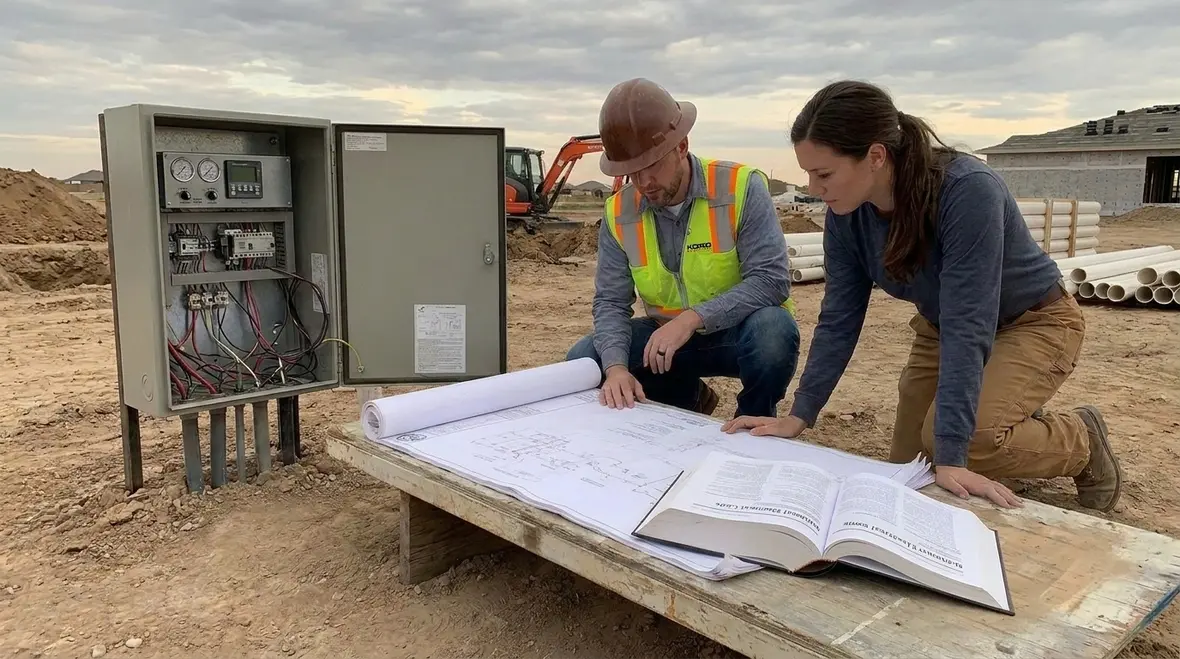
Now we get to the heart of it. NFPA 70 Section 675.22 irrigation motor ampacity supports safe conductor and protection sizing for irrigation motor circuits. While each project differs, the planning goal stays the same: match the electrical components to the motor’s operating needs, using code based calculations and permitted methods.
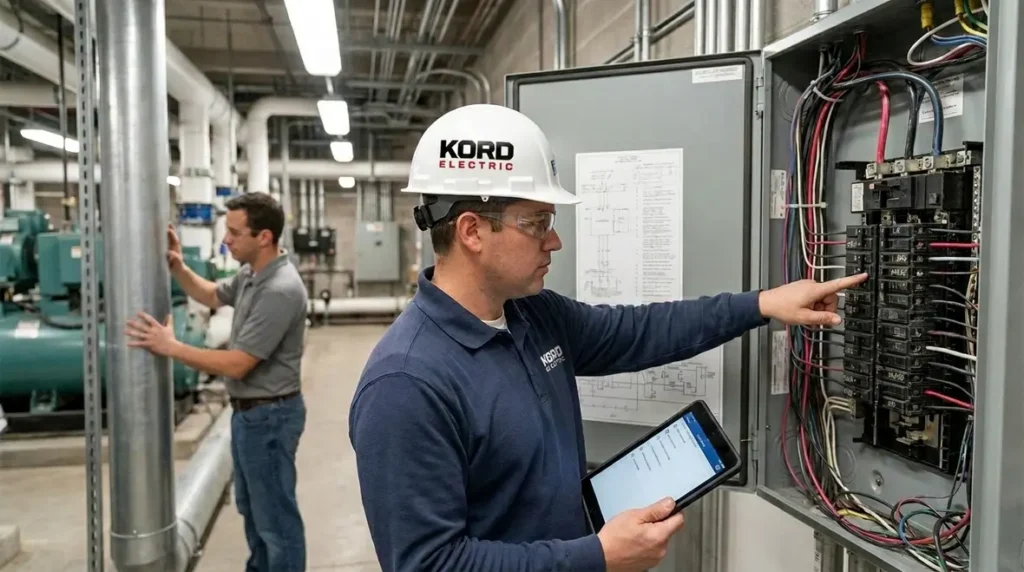
At Kord Electric, our technicians treat this like an engineering checkpoint, not a paperwork step. First, we confirm the motor ratings and nameplate data that the design should reflect. Then, we align the circuit design to the requirements for ampacity and protection. Finally, we verify the system intent fits real installation conditions, such as voltage, wiring length, environmental exposure, and how the system will be controlled.
In addition, our expert service staff explains the common failure pattern we see in the field. Often, someone sizes parts “close enough,” assuming the motor will behave nicely every season. However, outdoor loads and cycling controls can create conditions that push circuits beyond what a loosely sized design can handle. As a result, breakers trip early, insulation life shortens, and voltage drops can stress equipment. The code exists to reduce those outcomes, and we use it to keep your irrigation functioning reliably.
If you want a broader NEC walkthrough, Kord Fire’s educational content also covers how the National Electrical Code is organized and why the rules exist, which helps teams understand how 675.x provisions fit into the larger structure. You can explore that context further in our NEC 2026 explanation alongside Kord Fire’s NEC overview.
Protection, conductor sizing, and safe shutdown for major properties
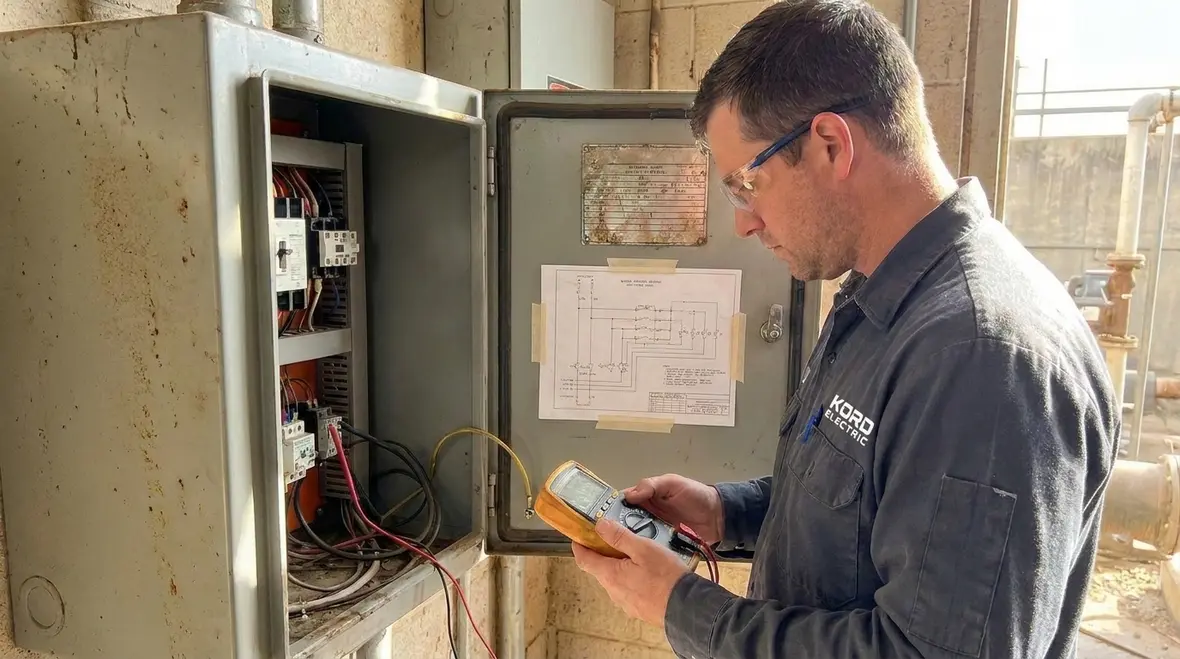
When irrigation runs across landscaped zones for a commercial property, the system often connects to building electrical infrastructure and control panels. Therefore, conductor sizing alone does not finish the job. We also focus on overcurrent protection, disconnecting means, and safe operation.
Our technicians coordinate these elements in a practical sequence. We check conductor ampacity, then we verify it against protection device rules and installation constraints. After that, we confirm the disconnect strategy supports safe service, including how staff will isolate equipment without guesswork. Finally, we evaluate how the control system starts and stops motors, since frequent cycling can create different stress patterns than a simple continuous load.
And yes, we have seen the “mystery breaker” scenario where an irrigation circuit trips, but nobody can quickly identify which device feeds which zone. That is not just inconvenient; it delays troubleshooting and can lead to improper reset habits. So we help facilities teams build a labeling and documentation standard that matches the actual circuit design, making maintenance calmer and faster.
Controls, voltage drop, and outdoor conditions that change the story
Even when the motor circuit is code compliant on paper, real world conditions can shift performance. That is why our team looks at installation realities during commissioning. For example, long feeder runs can cause voltage drop. Then, if the motor sees less voltage than it expects, starting current behavior can change and motors can run less efficiently.
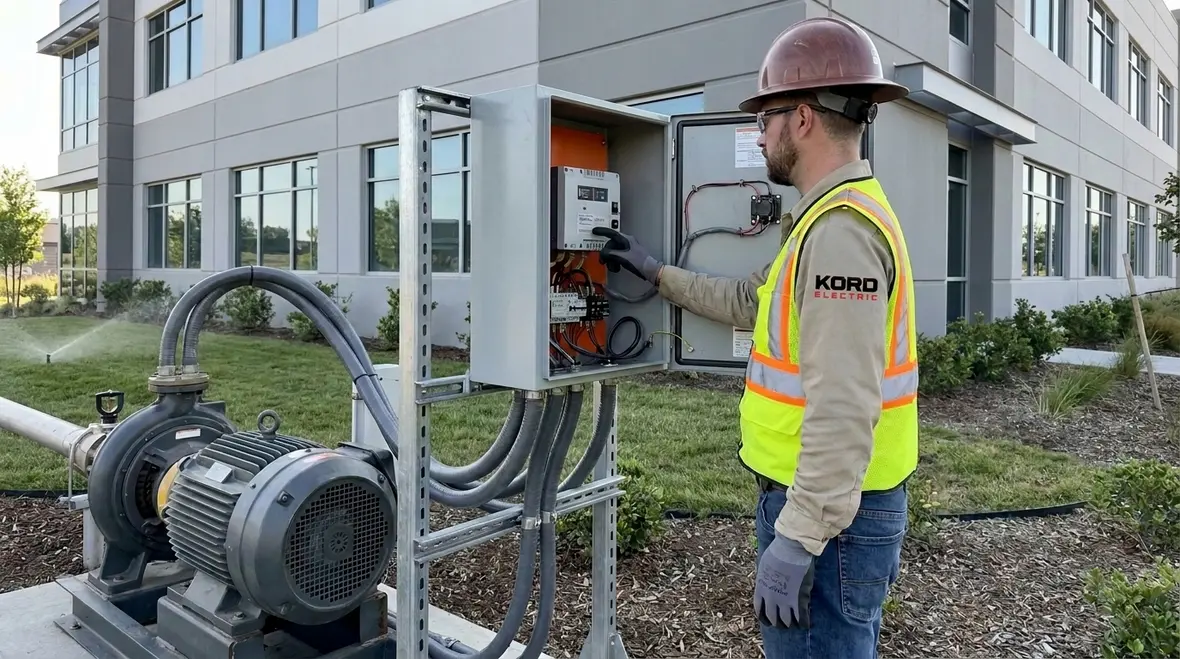
In addition, outdoor environments bring moisture, temperature changes, and mechanical stress. Therefore, we pay attention to wiring method selection, insulation ratings, and how the system protects against water ingress. Our expert service staff also explains how protective measures support durability, especially for property buildings where the irrigation system must keep working across seasons.
As we plan, we also consider how the irrigation system ties into building operations. Many major properties use timers, controller schedules, and even weather based control. When these controls activate, the motor circuits can start in sequence or sometimes near the same time. So we verify the starting plan fits the supply and protective devices, rather than leaving it to chance.
Why skilled electricians matter more than shortcuts for compliance
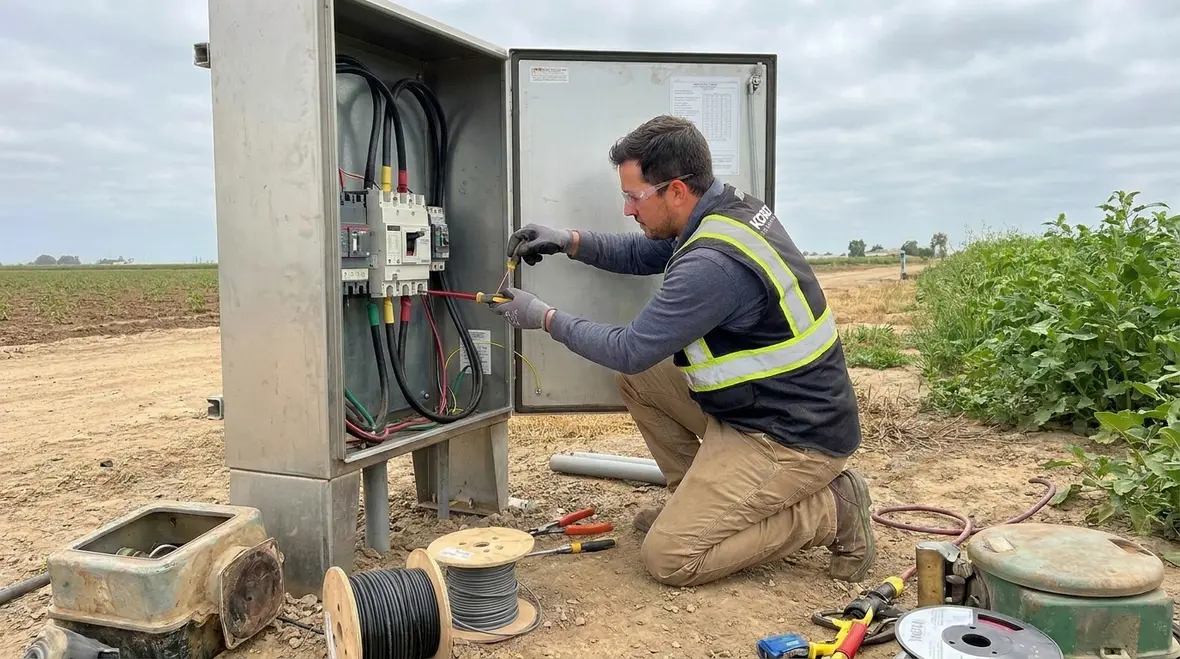
Code compliance is not a magic phrase. It depends on correct interpretation and clean execution. That is where our technicians and expert service staff earn their keep. We do not just “install wire.” We verify details, check workmanship, and help teams understand what they are getting and why it matters.
For commercial and industrial facilities, shortcuts create downstream costs. A small mistake can lead to repeat visits, failed inspections, or equipment wear that shows up months later. Then, maintenance teams end up dealing with the electrical equivalent of finding a pop quiz after you already left the classroom.
We also coordinate with other disciplines commonly found on major properties, such as fire protection planning and site safety systems. For example, fire safety professionals and pump system experts often share principles around reliable power and safe operation. When teams understand those connections, irrigation systems stay dependable and inspections become less stressful. If your facility also includes fire pump planning, resources like FirePumps.org can help reinforce how electrical power quality and safety thinking overlap across building life safety systems.
And if you want the big picture on Kord Electric’s approach to education and field realities, we encourage you to explore our NEC 2026 explanation and Kord Fire’s NEC overview to see how irrigation motor rules sit within the larger code landscape.
FAQ for NFPA 70 Section 675.22 irrigation motor ampacity
Ready for code focused irrigation electrical support
If you operate a commercial or industrial facility, we help you keep irrigation electrical systems built to the NEC intent, with clear sizing practices tied to NFPA 70 Section 675.22 irrigation motor ampacity, safer protection choices, and practical commissioning. Our team at Kord Electric brings expert service staff who explain decisions in plain language, not code jargon. Contact us to review your motor circuits, panel connections, and outdoor wiring approach before problems grow louder. Let’s keep your irrigation dependable, your inspections smoother, and your team less stressed. We can start with a quick site conversation and, when needed, connect that work with broader Los Angeles County electrical services for commercial and industrial properties so your irrigation circuits line up with the rest of your power strategy.
For many properties, irrigation electrical work is part of a much bigger power story. If your facility is planning upgrades, expansions, or new construction, our team can align irrigation motor circuits with panel capacity, emergency power plans, and long term maintenance strategies. That way, your site does not end up with a beautiful landscape fed by an irrigation system that keeps tripping breakers every time the weather changes.
Whether you manage one flagship building or a portfolio of commercial properties, we are ready to help you apply NFPA 70 Section 675.22 irrigation motor ampacity in a way that feels clear, predictable, and grounded in field experience. When the next big tenant walkthrough arrives, your irrigation motors should sound like part of a calm, well planned system—not the opening act for an electrical surprise.