NEC Section 680.28 Pool Gas Water Heater Explained
Kord Electric explains NEC Section 680.28 for pool gas water heaters
At Kord Electric, we work with commercial and industrial facilities and major property buildings, and we take code work seriously because safety never clocks out. In this guide, we focus on the NEC Section 680.28 pool gas water heater requirements, explained in plain business language. For many property managers, the pool equipment area can feel like a behind the scenes tech show: a lot of moving parts, some hidden risks, and plenty of paperwork. We help our clients get it right, so the next inspection does not turn into an unscheduled surprise party.
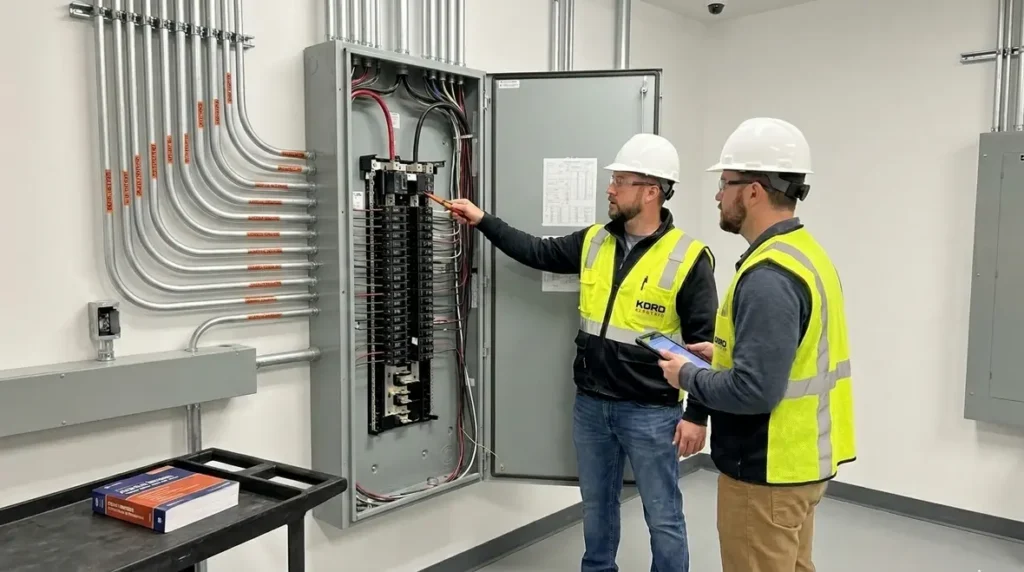
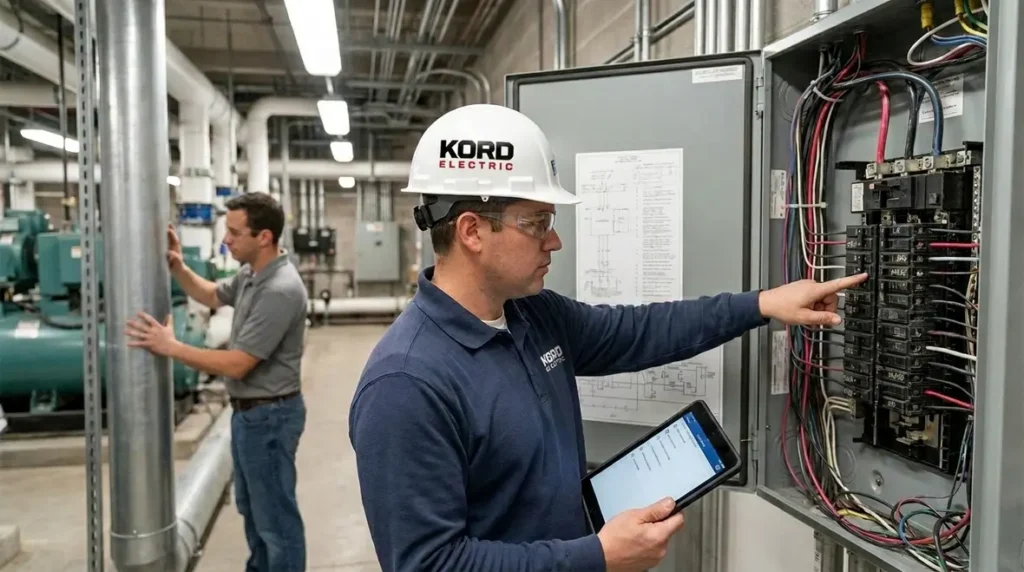
And yes, we do it with calming patience. Our expert service staff and technicians walk the site, explain what matters, and connect the dots between the National Electrical Code and real-world installation. Next, we break down what the code expects, why it exists, and how we help you comply.
What the NEC sets out for pool equipment safety
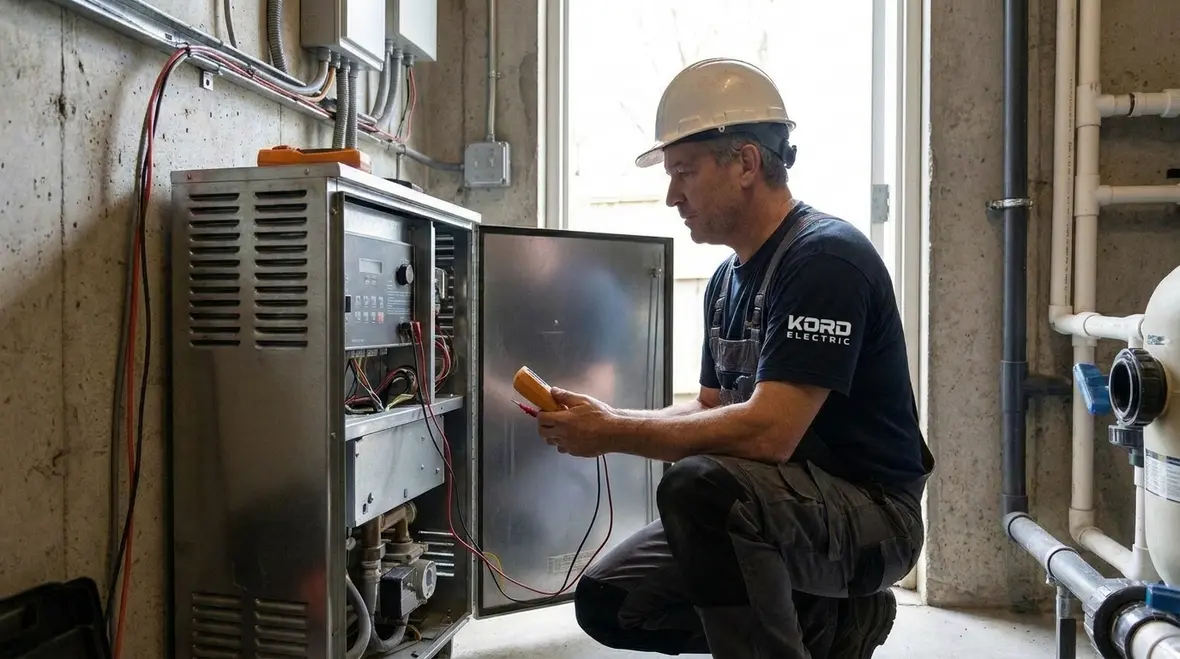
The NEC is not just a rulebook. Instead, it is a practical standard designed to reduce shock risk, fire risk, and equipment failure in wet and corrosive environments. Pool areas add unique hazards because water and metal often work together like a tag team. Then electricity joins the show, and suddenly the margins get thin.
Kord Electric and our partner teams also stay aligned with the broader NEC themes discussed in resources like our guide Understanding NFPA 70: The National Electrical Code Explained for 2026. However, we tailor the guidance to how commercial and major property buildings actually operate: multi use spaces, shared equipment rooms, service contractors, and uptime demands.
So when you see requirements tied to pool gas water heater installations, they typically reflect three priorities. First, installers must control where circuits run. Second, they must protect equipment and people. Third, they must prevent unsafe conditions as components age, get wet, or endure chemicals.
NEC Section 680.28: core requirements you cannot ignore
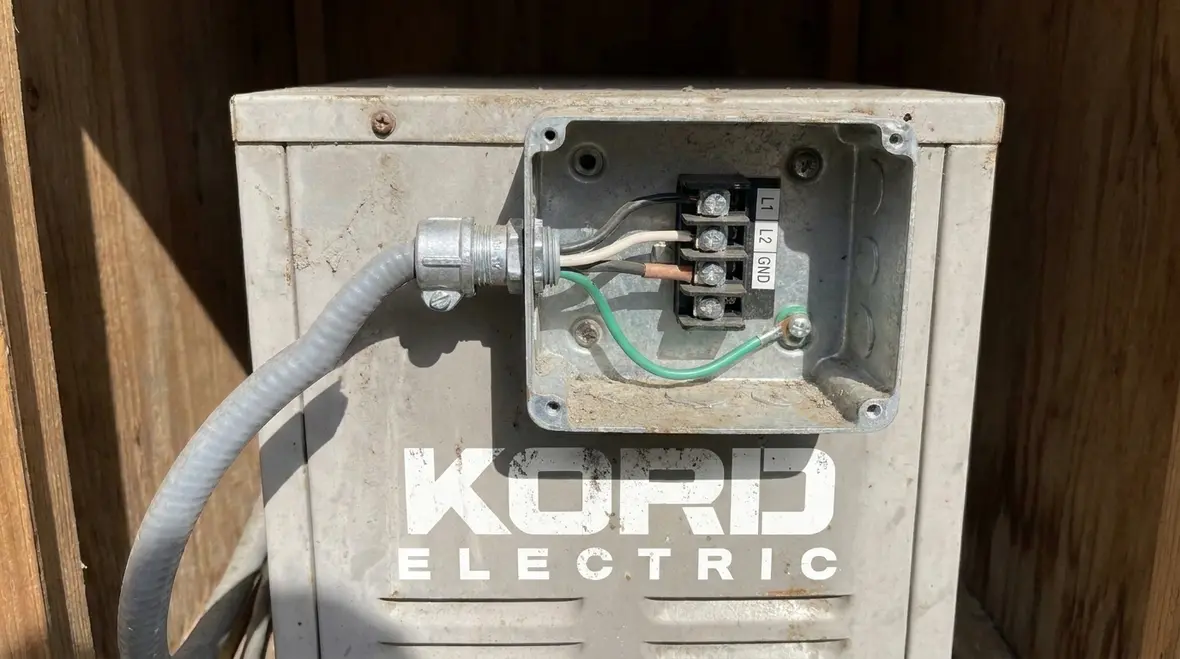
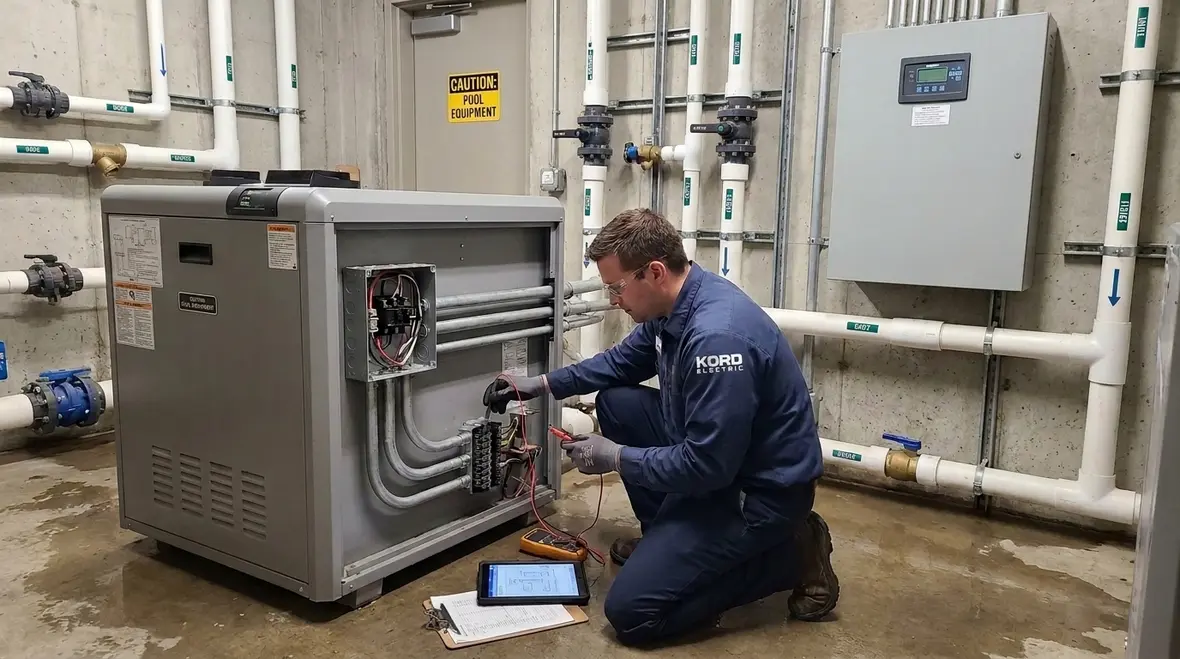
Under NEC Section 680.28 pool gas water heater rules, the NEC addresses how electrical connections, control components, and wiring methods connect to gas fired pool water heating systems. While the “gas” piece might sound like it belongs to mechanical work, the ignition, controls, and any related electrical parts still rely on safe and correct installation.
We regularly see errors that begin small and then grow. For example, people route wiring through areas they should not. Or they use parts that look similar but do not match the code intent. Also, teams sometimes overlook the need to coordinate electrical work with heater location, clearances, and the wet zone realities around pools.
Our technicians explain it like this: you do not just power a device. You protect the entire system from failure paths. That includes proper cable type, correct protection, and correct termination practices. Then, when the heater needs service, the wiring stays safe, accessible, and not quietly degrading.
To keep the work clean, we help property teams set expectations early. For instance, we confirm where the heater sits, how the electrical room ties in, and what access looks like for future maintenance. After that, we verify the wiring approach against the intent of the NEC requirements for this type of equipment.
How we handle wiring, bonding, and protection around pools
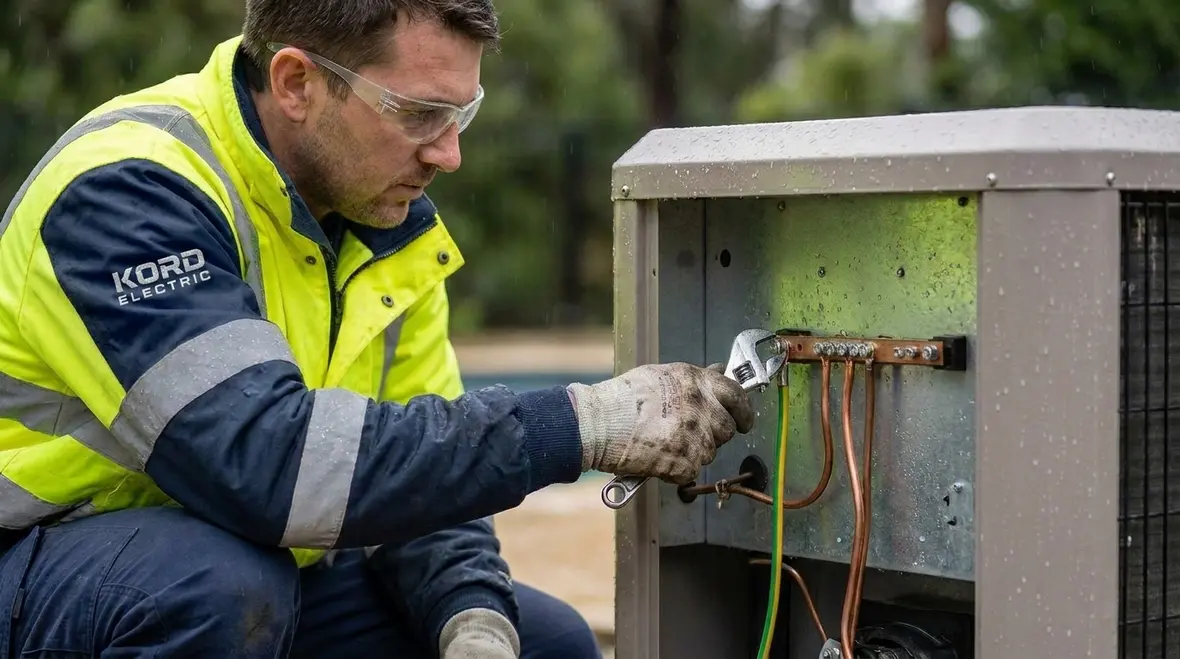
When a project involves a pool gas water heater, we plan the electrical layout with three layers of thinking: routing, protection, and connection integrity. Even if a circuit seems straightforward, pool areas create harsh conditions that can stress insulation and connectors over time.
First, we choose wiring methods that match the environment. Second, we protect conductors and equipment from fault currents and damage. Third, we verify bonding and grounding practices so exposed metal does not become an unexpected conductor.
In many commercial installs, the pool area shares infrastructure with other systems. Therefore, we coordinate with facility teams to avoid conflicts with other trades, and we make sure labeling and documentation stay clear. Also, we treat the installation like a long term asset, not a quick hookup.
If you have ever watched someone “make it work” with random adapters, you already know where this can go. Electricity does not care about good intentions. It cares about correct termination, correct protection, and correct connections. Our expert service staff follows that principle on every site, because our clients do not just want a passing result. They want reliable operations that do not interrupt service.
Inspection readiness for major property buildings
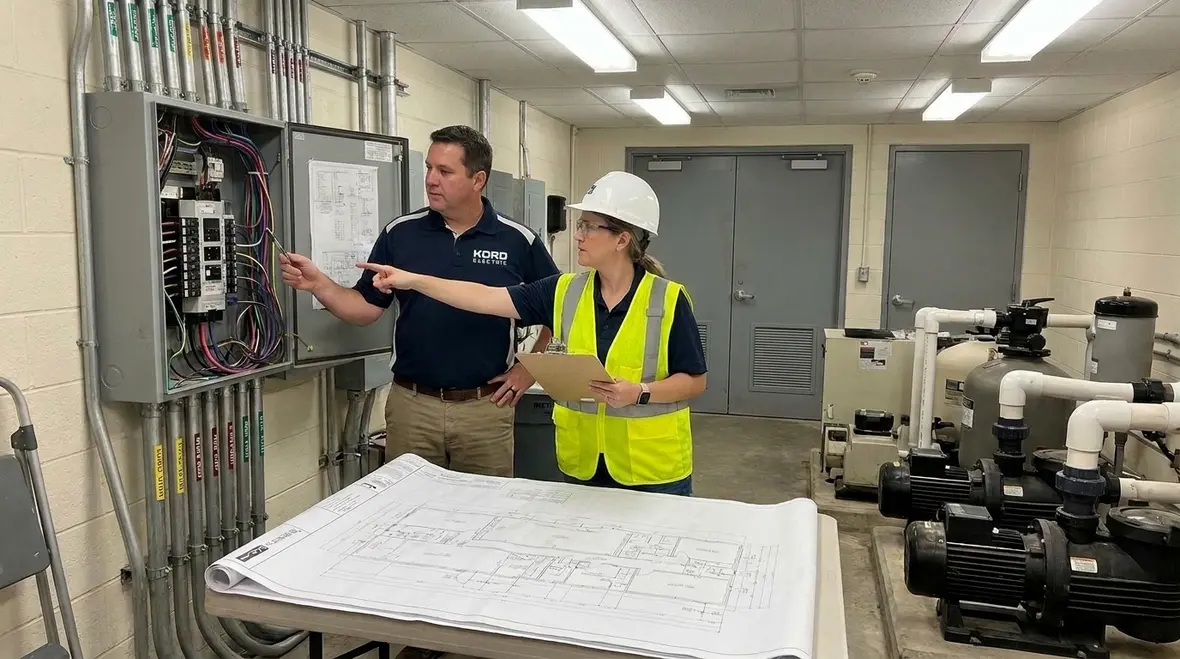
Commercial and major property facilities often deal with multiple stakeholders. You may have building management, general contractors, mechanical teams, and service schedules that do not line up neatly. That is why we build inspection readiness into the workflow.
Our process typically starts with a structured site walkthrough. Then we verify heater location, access paths, and how the electrical system connects to controls. After that, we check protection choices and routing details that tie back to NEC expectations for pool equipment zones.
We also help clients prepare documentation. That means we provide clear records of what we installed, how we routed wiring, and how the system should be serviced. As a result, when inspectors arrive, your team can answer questions without scrambling or “reconstructing the project” from memory.
In addition, we coordinate service planning. We know the pool is not a prop. It operates on a schedule that affects tenant satisfaction. So we design the electrical scope to reduce downtime and to keep future maintenance safer and faster.
And if that sounds serious, it is. Think of it as the corporate version of reading the instructions before the movie starts. The jokes may be optional, but the safety planning is not.
Upgrades and retrofits: improving older installations
Many major property buildings already have pool heater systems in place. When the facility needs upgrades, we do not treat retrofits like a patchwork quilt. Instead, we evaluate the electrical system as a whole.
For older installs, the most common issues include outdated wiring methods, unclear labeling, mismatched components, and connection quality that no longer meets today’s safety intent. Sometimes, the heater changed but the electrical setup did not. Other times, the area has seen corrosion from age, splash, chemicals, or poor drainage.
Kord Electric works with property teams to plan a safe upgrade path that fits operations. First, we identify what exists and what must change. Then we propose improvements that address the pool equipment electrical requirements. After that, we confirm the new work integrates cleanly with the building’s distribution system.
When appropriate, we also guide clients on inspection expectations and how to reduce future corrective actions. Our technicians explain why each change matters, so the facility leadership understands the “why” behind the “what.” That way, decisions come from knowledge, not guesswork.
Coordination with pool fire and water system safety
Pool safety does not live in a single discipline. Electrical, gas heating controls, and overall water system safety can overlap in real buildings. That is why many clients also explore guidance from fire and water related resources, including Kord Fire style explanations of the National Electrical Code and firepumps.org style educational materials that focus on how safe systems work together.
While Kord Electric centers on electrical compliance for commercial and industrial installations, we still coordinate with the larger safety picture on major properties. In practice, this means we align timelines and share key layout details so trades avoid conflicts and so safety features remain accessible.
Also, we help teams understand how electrical faults can affect system operation. For example, if controls receive an unstable or unsafe feed, the heater performance can shift and fault conditions can increase. Therefore, correct installation and verification matter not only for code compliance but for reliable day to day operation.
How NEC Section 680.28 connects to broader NEC planning
For facility leaders, NEC Section 680.28 pool gas water heater work rarely happens in isolation. It often shows up alongside other pool section requirements, service upgrades, or broader code driven projects. That is why many commercial and industrial clients pair this type of work with strategic reviews of their overall NEC posture.
Our team often references internal resources such as What Is NFPA 70? Understanding the National Electrical Code and our guides on commercial electrical design and infrastructure modernization when we plan pool related scopes. Those materials help property teams connect specific pool heater requirements to the bigger picture of grounding, bonding, overcurrent protection, and inspection workflows across the building.
In real terms, this means we do not just route a circuit and walk away. We clarify how the pool heater ties into panel capacity, existing protection devices, emergency power strategies, and labeling. Then we verify that your documentation reflects the change, so future work and future inspections see a coherent story instead of a mystery circuit hiding behind the equipment.
Planning around NEC Section 680.28 pool gas water heater usage
When facility teams review NEC Section 680.28 pool gas water heater usage in context, they usually focus on three themes: safety, uptime, and clarity. Safety comes from correct design and installation. Uptime depends on reliable equipment behavior and maintainable layouts. Clarity shows up in labeling, documentation, and the way contractors explain the work.
At Kord Electric, we take those themes and turn them into a practical plan. We start by confirming the pool heater’s electrical characteristics and the environmental constraints around the equipment pad. Then we review NEC requirements for that zone, including wiring methods, protection, and bonding expectations. Finally, we build an installation and testing sequence that fits your operating schedule, so the work feels like a coordinated upgrade instead of a surprise shutdown.
If you are already thinking about other upgrades, such as panel changes or surge protection, we can bundle the planning effort so your NEC Section 680.28 pool gas water heater work supports a stronger overall electrical system. For some facilities, that also includes reviewing emergency power and control strategies so pools, spas, and supporting systems behave predictably when power conditions change.
Internal coordination and long term maintenance
Once the installation passes inspection, the story does not end. Pool equipment spaces tend to be busy, humid, and full of service activity. Over the life of the system, people will adjust valves, service pumps, replace components, and potentially add new gear. Without a clear plan, those changes can erode the original intent of NEC Section 680.28 requirements.
To prevent that slow drift away from compliance, we help clients set basic maintenance expectations tied to the electrical scope. That might include visual checks of conduit and raceways, verification of bonding jumpers, confirmation that disconnects and controls remain accessible, and simple documentation updates when equipment changes. When our team handles ongoing service work, we fold those checks into routine visits so the pool heater’s electrical side stays as well managed as the mechanical side.
For larger campuses and portfolios, we can also align pool related work with broader electrical maintenance planning. That lets you treat NEC Section 680.28 pool gas water heater tasks as part of an integrated strategy, instead of a one off project that nobody remembers until the next inspection notice appears.
How Kord Electric supports pool heater projects across Los Angeles County
For property teams in Southern California, code compliance is only part of the story. You also have to navigate local permitting, AHJ expectations, tenant schedules, and regional reliability concerns. That is why many facility managers work with our dedicated Los Angeles County electrical services team when they plan or upgrade pool gas water heater systems.
Our technicians combine local experience with NEC driven design so your project lines up with both the national standards and the realities of your jurisdiction. We coordinate with mechanical and general contractors, manage electrical scopes tied to NEC Section 680.28 pool gas water heater requirements, and help you sequence work so guests, tenants, and operations face minimal disruption while systems are improved.
Whether you are building a new pool area, replacing aging heaters, or bringing inherited infrastructure up to current expectations, we focus on calm execution: clear planning, clear communication, and clean documentation from first site walk to final inspection.
FAQ
Conclusion: contact Kord Electric for compliant pool heater electrical work
If you manage a major property building, you already know that electrical mistakes around pool equipment do not stay small. Kord Electric helps commercial and industrial teams install, upgrade, and verify the electrical parts tied to NEC requirements, including NEC Section 680.28 pool gas water heater expectations. Our technicians explain the plan clearly, coordinate with other trades, and document the work so inspections feel calm instead of chaotic. Contact us today to review your system and build a safer, more reliable pool equipment setup.
For projects that touch not only pool heaters but broader distribution, emergency power, or modernization goals, our commercial electrical design and infrastructure services help you stay aligned with NFPA 70 guidance while keeping operations steady. Whether you are responding to a new code cycle or planning proactive upgrades, we are ready to walk the site, clarify the options, and build a practical roadmap from first sketch to final sign off.