NEC Section 680.31 Spa Hot Tub Pumps Compliance Guide
When commercial and major property owners think about safety, they usually start with fire systems, and then the electrical side gets the spotlight next. That is where NEC Section 680.31 spa hot tub pumps comes in, because it ties directly to how equipment should be installed, protected, and controlled in wet locations. In the real world, our team at Kord Electric sees one pattern again and again. People want hot tub systems to run smoothly, but they do not want surprises during inspections or, worse, during a fault. As we explain below in plain terms, the National Electrical Code gives the guardrails, and our technicians make sure the work follows them. And yes, we still laugh at the idea that electricity “just works” like a remote control. It does not.
In this guide, we walk through the 2026 NEC approach, what NFPA 70 expects, and how commercial and industrial facilities can plan for compliance without slowing down operations. We also clarify how related fire and pump needs fit into the bigger picture, so your site stays safe and your documentation stays clean.
Understanding NFPA 70 and why it matters on site
NFPA 70, also known as the National Electrical Code, sets the rules for safe electrical design and installation. These rules do not just exist for textbooks. They show up when building owners request inspections, when electrical contractors scope work, and when a maintenance team needs to troubleshoot a system without guessing.
From our experience supporting commercial projects, we treat NFPA 70 like a process, not a checklist. First, we review what the code section actually asks for. Then we look at the environment: moisture, pool or spa proximity, service access, and the way equipment will be operated. After that, we plan conductor protection, disconnecting means, and motor or pump requirements so the system can handle normal loads and fault conditions.
Next, we align the electrical work with fire and life safety planning. For example, when a facility relies on a pump system for wet-area equipment, we coordinate with the rest of the site’s safety architecture. Other experts in the ecosystem, including teams connected to fire protection organizations, also emphasize that pump and electrical safety must not be treated as separate worlds. We keep that same mindset.
To be clear, our focus stays on commercial and industrial facilities and major property buildings. We do not pitch this as a “for everyone” guide. We build for those who manage risk at scale.
What NEC Section 680.31 spa hot tub pumps requires
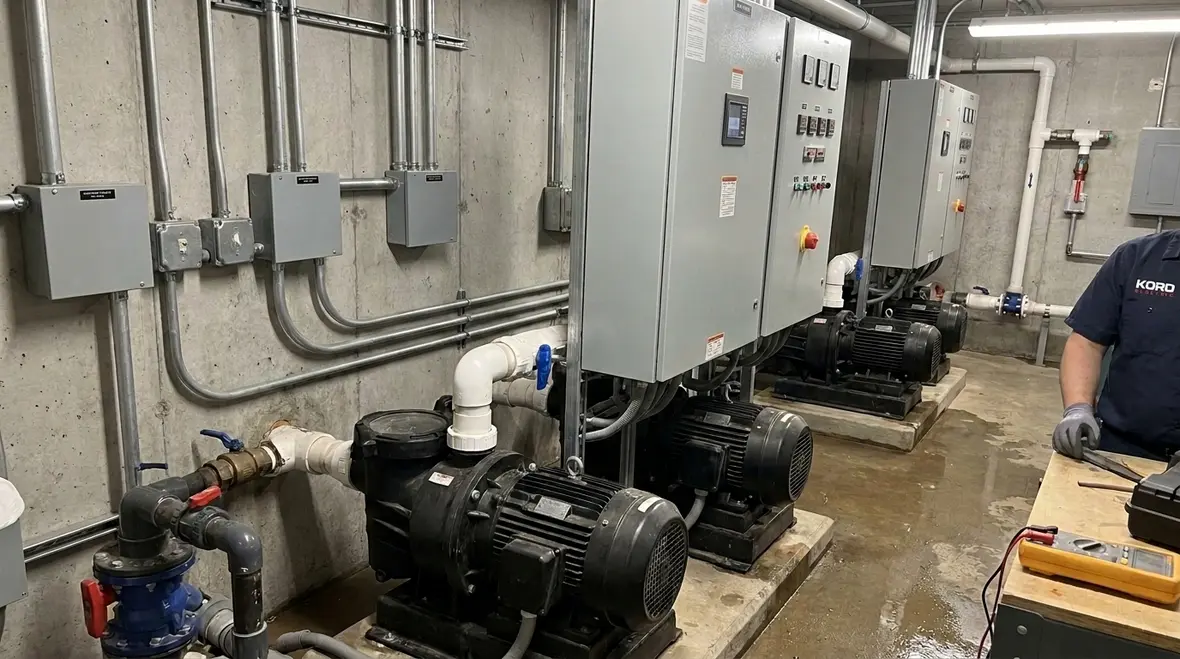
NEC Section 680.31 addresses pump and associated wiring requirements for spa and hot tub installations. The big idea is simple: equipment in wet locations needs extra care because water changes the stakes. It increases the chance of shock, it affects insulation performance, and it can expose conductors when systems are serviced.
Our technicians explain it like this on job sites. You must provide wiring and protection that can safely carry the load and stop or isolate power when needed. Also, you must install the system so the design supports safe operation throughout the equipment’s life, not just on day one.
In practice, we typically verify items such as equipment listing or suitability, protection and routing of wiring, and how disconnect or control functions are handled. We also confirm that the installation method keeps conductors protected from damage and moisture. When we do this properly, the system is easier to maintain, and it behaves the way the code expects.
And if you are thinking, “That sounds strict,” you are right. But we have seen what happens when teams treat wet-area electrical like a casual afterthought. It turns into service calls, costly rework, and sometimes angry discussions with inspectors. We would rather be the adults in the room now than the ones explaining the mess later.
How wet-area electrical design connects to real fire protection workflows
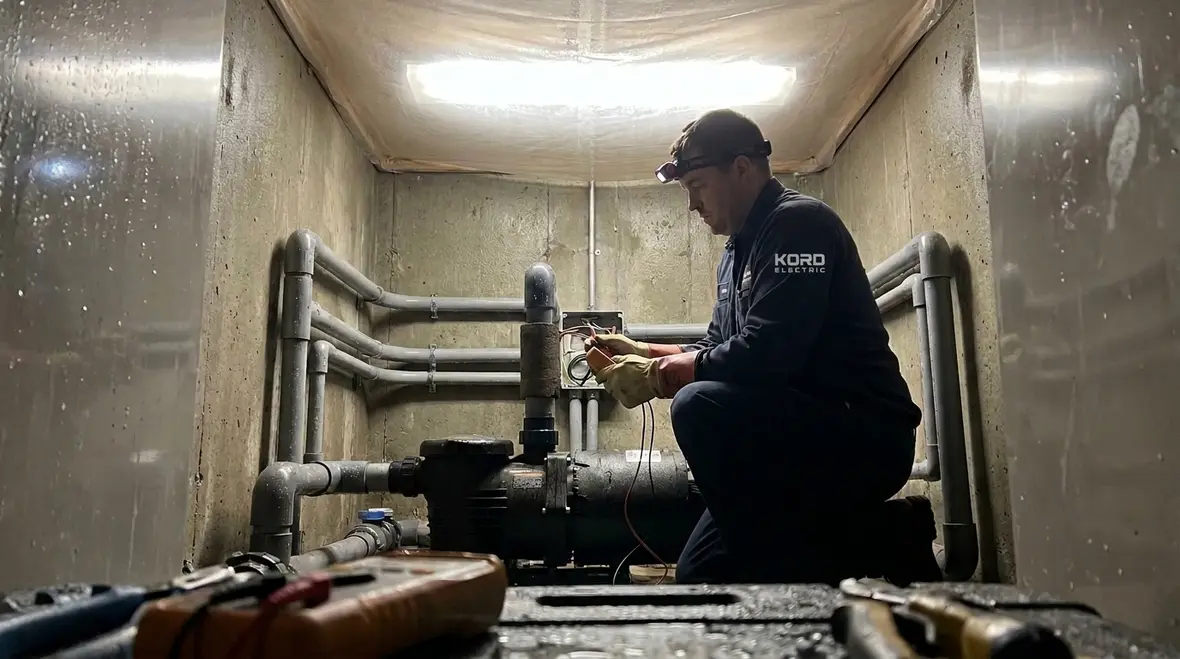
Commercial facilities often run like clockwork. Yet electrical work for wet-area equipment can slip through the cracks if teams only look at one system. That is why we connect dots across the project. When fire protection planning happens alongside electrical design, it reduces surprises for commissioning and maintenance.
For example, a facility may have fire pumps or other pump-driven safety systems, and the site’s safety strategy depends on reliable equipment operation. While spa or hot tub pumps have a different purpose than fire pumps, the electrical concerns overlap: power quality, protection, safe disconnecting, and dependable control. When we coordinate early, we reduce the odds of mismatched protection methods or unclear labeling that wastes time later.
In addition, we support the documentation that facilities need during reviews. Our service staff helps explain what was installed, where it is located, and how it should be tested. This matters because maintenance teams often inherit systems after handover. If the records are clear, troubleshooting takes minutes instead of hours.
We also pull lessons from the broader electrical and fire safety community. Fire protection organizations and pump-focused resources often stress that a safe system depends on both mechanical readiness and correct electrical support. We bring that same approach into the electrical scope for major property projects, and we align it with guidance from resources like our NFPA 70 overview on the Kord Fire Protection side, so electrical and fire strategies speak the same language.
Connecting NEC 680.31 with broader NFPA 70 planning
Because spa and hot tub pumps usually live near other wet-area systems, we treat NEC 680.31 as one part of a larger NFPA 70 design picture. That picture includes bonding and grounding paths, overcurrent protection, and how the installation interacts with life safety systems. For many facilities, it also ties into the broader NEC and NFPA 70 guidance on how electrical infrastructure supports fire protection performance, not just comfort or amenity loads.
Planning compliance for 2026 projects without slowing delivery
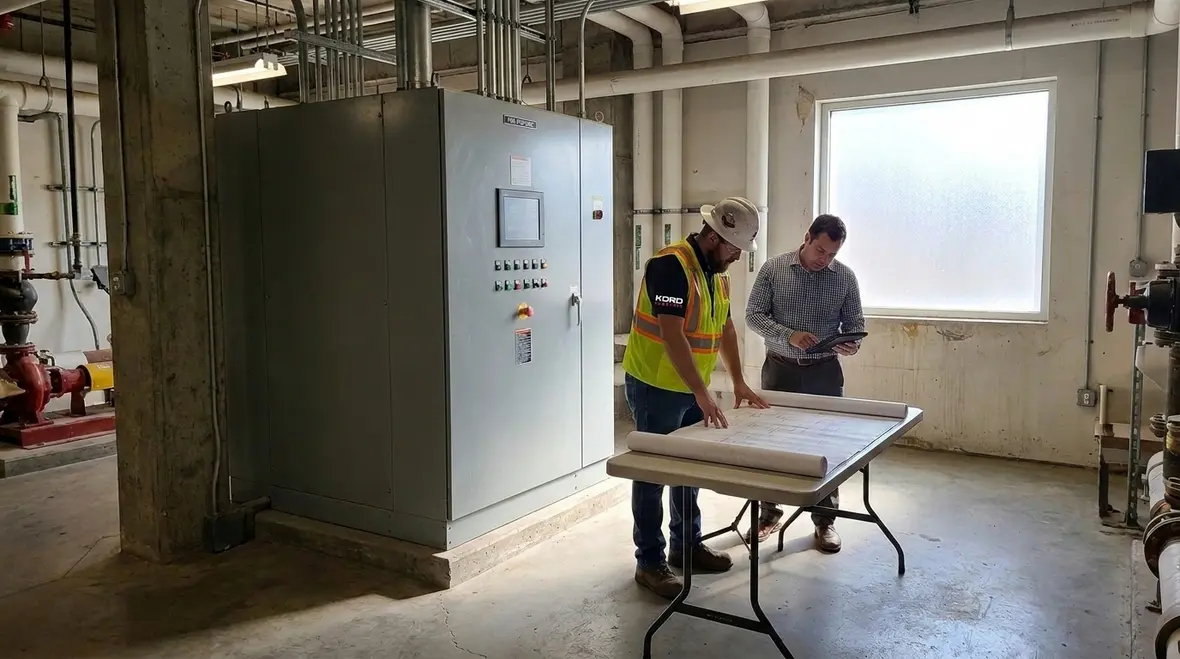
Owners and general contractors want results fast, and we understand that. However, compliance work done late creates delays in the worst possible way: rework after approvals. So we plan early, and we keep the process practical.
First, we review the applicable code intent and installation conditions. Then we confirm equipment specs and wiring methods before procurement. After that, we map the work to inspection steps so nothing gets hidden under “we will figure it out later.” That phrase is a classic villain in construction.
Next, our expert service staff explains the steps as we go. We do not just install and disappear. We show the reasoning behind protection choices, routing decisions, and how we prepare the system for safe service access. For commercial and industrial facilities, this also supports staff training. When the right people know what to check, the system runs longer and with fewer surprises.
Finally, we coordinate with other trades where electrical connections affect overall performance. That includes pump equipment clearances, access to disconnects, and safe pathways for wiring. In other words, we build compliance into the schedule, not on top of it.
Using NEC and NFPA 70 guidance as a planning roadmap
For 2026 projects, we treat the current NEC as a roadmap rather than a last-minute checklist. Our team looks at how wet-area pump circuits interact with the rest of the electrical distribution, how disconnects will be accessed during emergencies, and how GFCI or other protective devices will be coordinated. We also refer facility teams to deeper resources such as our NFPA 70 guide for 2026 when they want to see how spa and hot tub pump work fits into the larger electrical safety story.
Common failure points we see in spa and hot tub pump electrical work
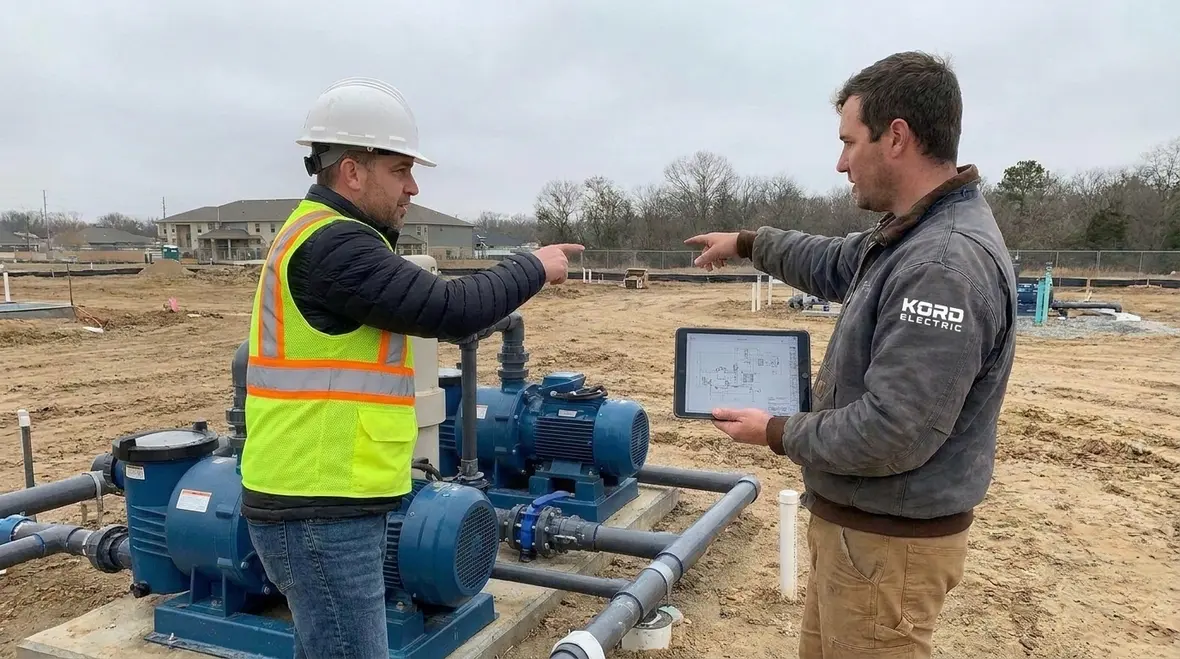
Even careful projects can miss details. Here are the failure points we see most often, and how we prevent them at commercial scale.
- Wet-area wiring routed without enough protection: If wiring gets exposed to physical damage or moisture paths, insulation performance drops over time.
- Protection that does not match the equipment and method of installation: The system might work initially, then trip under normal load or behave unpredictably under fault conditions.
- Unclear disconnecting or control access: If maintenance teams cannot quickly find and verify the right disconnect, service delays grow.
- Missing or weak labeling and documentation: When the records do not match the field, inspectors ask questions and technicians waste time.
- Coordination gaps: When electrical work lands after equipment placement, routing and termination choices suffer.
To address these issues, we start with a site walk and we verify conditions. Then we review how the equipment will sit, how it will be accessed, and how the wiring route will stay safe. Our technicians also check terminations and protective methods so nothing relies on luck.
And yes, sometimes we hear, “We installed something similar last year.” That might be true, but electrical safety cannot be based on vibes. The NEC is the standard, and we follow it.
Preventing repeat issues with structured documentation
Because spa and hot tub pump installations often share similar layouts across properties, we capture lessons learned in documentation that can be reused. That includes preferred wiring methods, common inspection comments, and the details that help avoid surprise trips or moisture-related faults. Over time, this turns into a playbook that keeps NEC 680.31 compliance from becoming a brand-new challenge on every project.
What our service team provides after installation
Installation is not the finish line. For major property buildings, electrical systems must remain dependable across seasons, staffing changes, and routine maintenance cycles. That is why we treat service and support as part of the delivery.
Our team helps with operational handover, testing support when required, and guidance for maintenance staff. We also help explain how to spot early warning signs, such as unusual tripping patterns, moisture intrusion around connections, or inconsistent pump operation. When these clues appear early, maintenance becomes corrective instead of emergency-based.
For facilities that manage multiple systems, we also help standardize how equipment is documented and labeled. That makes audits and inspections smoother. It also helps new technicians ramp up faster, instead of playing “guess the breaker” like it is a Halloween game.
We continue to support the broader electrical and fire safety ecosystem too. If your building includes pump systems and wet-area equipment, it helps to align strategies across the electrical scope and the life safety planning. That coordinated approach is how we reduce risk in the long run.
Linking spa and hot tub pumps to facility-wide reliability
Many of the same habits that keep spa and hot tub pump circuits healthy also support broader reliability goals. Clear labeling, accurate records, and proactive testing show up again in switchgear rooms, data centers, and other critical spaces. When we help owners build these habits around one system, it becomes easier to extend them to the rest of the electrical infrastructure over time.
NEC compliance FAQ for spa and hot tub pump electrical work
Short FAQ answers for featured snippets
- Does NEC apply to commercial spa installations? Yes. The NEC rules apply to electrical installations in covered occupancies, including commercial spa and hot tub settings where pumps and controls must meet the same safety intent as other building systems.
- What is the main safety goal of 680.31? To ensure spa and hot tub pump circuits stay safe in wet locations through correct protection, wiring methods, and installation practices that reduce shock and fault risks.
- What causes frequent trips in pump circuits? Common causes include mismatched overcurrent or ground-fault protection, damaged wiring insulation from moisture or physical stress, and installation methods that do not align with NEC 680.31 expectations.
- How can we reduce rework during construction? Coordinate design and equipment specifications early, then verify wiring protection, routing, bonding, and access before final terminations so the work passes inspection the first time.
- Why does documentation matter? Strong documentation supports inspections, speeds maintenance, and helps staff troubleshoot without delay, especially when wet-area pump circuits tie into larger electrical and life safety systems.
Call Kord Electric for safer wet-area electrical planning
If your commercial or industrial property includes spa or hot tub equipment, we help you plan and install electrical work that aligns with NEC safety intent and supports smooth inspections. Our technicians explain the reasoning behind each step, and our service staff supports the handover so your team can maintain systems confidently. Kord Electric keeps safety practical, documentation clear, and risk lower across the life of the building.
For properties in Southern California, that approach extends beyond wet-area pumps to the rest of your infrastructure. Our Los Angeles County electrical services support everything from new installations to preventive maintenance and emergency power planning, so spa and hot tub pump circuits become one part of a reliable, code-aligned system instead of a weak link.
Contact us today to review your project and build a plan that does not rely on luck, hope, or wishful thinking. We will walk your site, map the NEC Section 680.31 spa hot tub pumps requirements to your real-world conditions, and coordinate the work so safety stays built in from the first conduit run to the final inspection.
When you are ready to connect this planning to your broader NFPA 70 strategy, our team can also help you prioritize upgrades, schedule preventive work, and apply lessons from data-driven design, surge protection, and emergency power planning across your facility. That way, wet-area pumps, distribution equipment, and life safety systems all follow the same script: predictable, documented, and ready for the next inspection.
If you would like a deeper dive into how the NEC shapes electrical safety across your building before we visit your site, you can explore our in-depth resources on code compliance and commercial design, then bring your questions to the conversation. We will be ready with clear answers, practical options, and a plan that respects schedules, budgets, and the reality that “it just works” is never a strategy.