NEC Section 690.11 PV Arc-Fault Protection for Buildings
At Kord Electric, we service commercial and industrial facilities and major property buildings, and we take electrical safety seriously. That is why we start with a key requirement tied to NEC Section 690.11 PV arc-fault protection. This rule supports safer photovoltaic system operation by addressing the risk of arcing conditions that can spread fast and quietly. In other words, we prevent small problems from turning into big ones, the way a minor coffee spill can ruin an entire office day. And yes, we have seen both.
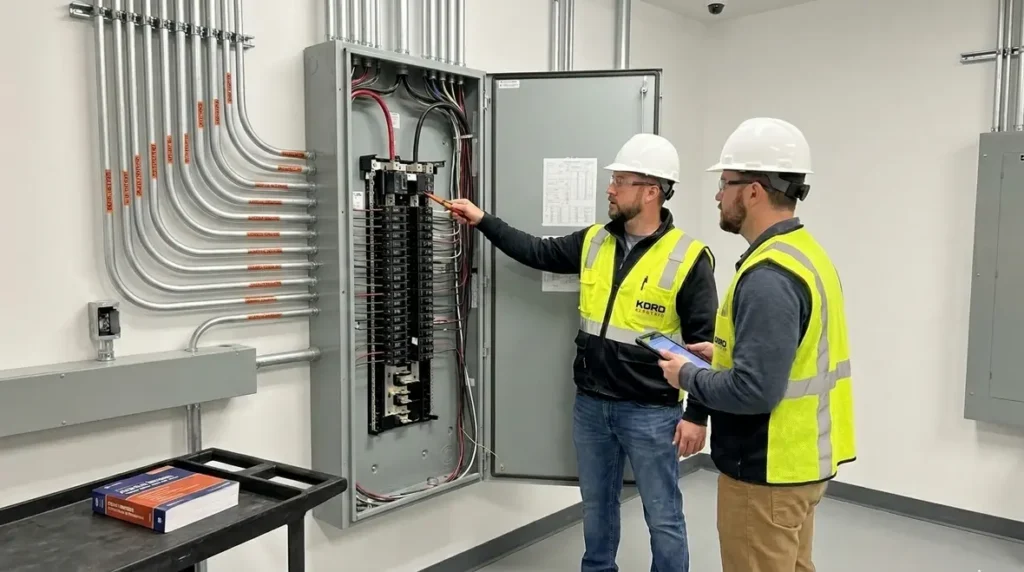
To make this practical, our expert service staff explains the National Electrical Code in plain business language, so building owners can make solid decisions. Then we map those code ideas to real site work, from design support to inspections and service.
What NEC Section 690.11 requires for PV systems
The NEC treats arc-fault risk as something you should design out, not just respond to later. With NEC Section 690.11 PV arc-fault protection, the Code focuses on protecting against arcing faults in photovoltaic circuits. This includes how the system detects and interrupts damaging arcing conditions.
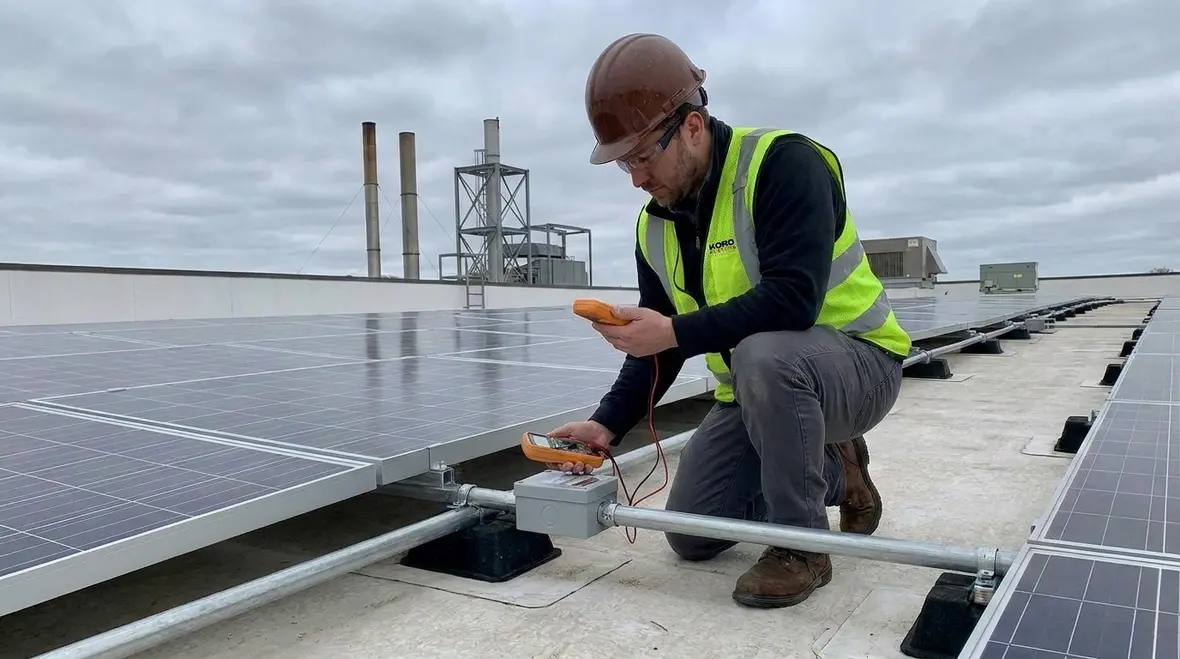
So, what does that mean on the ground? First, the PV system must include the needed arc-fault protection methods where the Code requires them. Second, the protection must coordinate with how the rest of the electrical gear operates, so it trips when it should, not when it feels like it. Third, installers need to document the approach clearly, because inspections and future maintenance depend on it.
Our technicians explain the rule like this: arc-fault protection does not replace good wiring practice, proper terminations, or correct equipment ratings. Instead, it acts as a safety net when things go wrong. And things can go wrong, especially when systems see heat cycles, vibration, moisture exposure, or roof traffic that no one logs, because nobody wants that in the report.
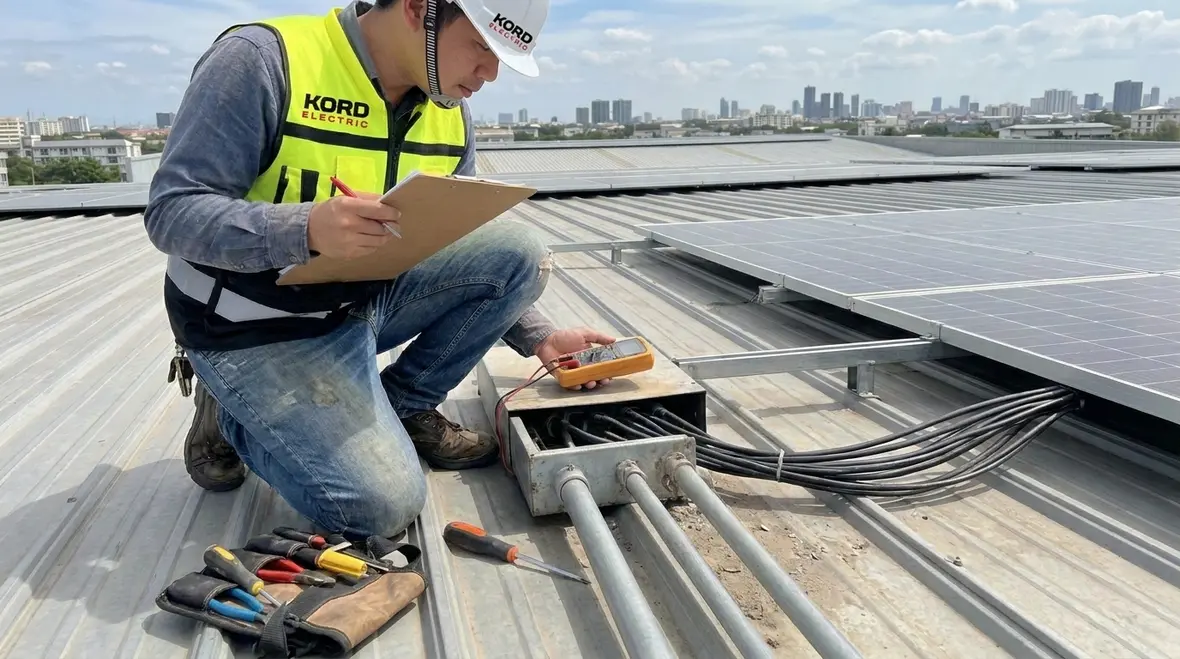
How arc-fault protection works with PV electrical design
Arc-fault protection is not a single “bolt-on” idea. It connects to how the PV system is built. In most commercial and industrial settings, the PV system involves multiple strings, combiner or inverter inputs, disconnects, overcurrent protection, and grounding methods. Therefore, the design must consider where faults can occur and how the system should detect them.
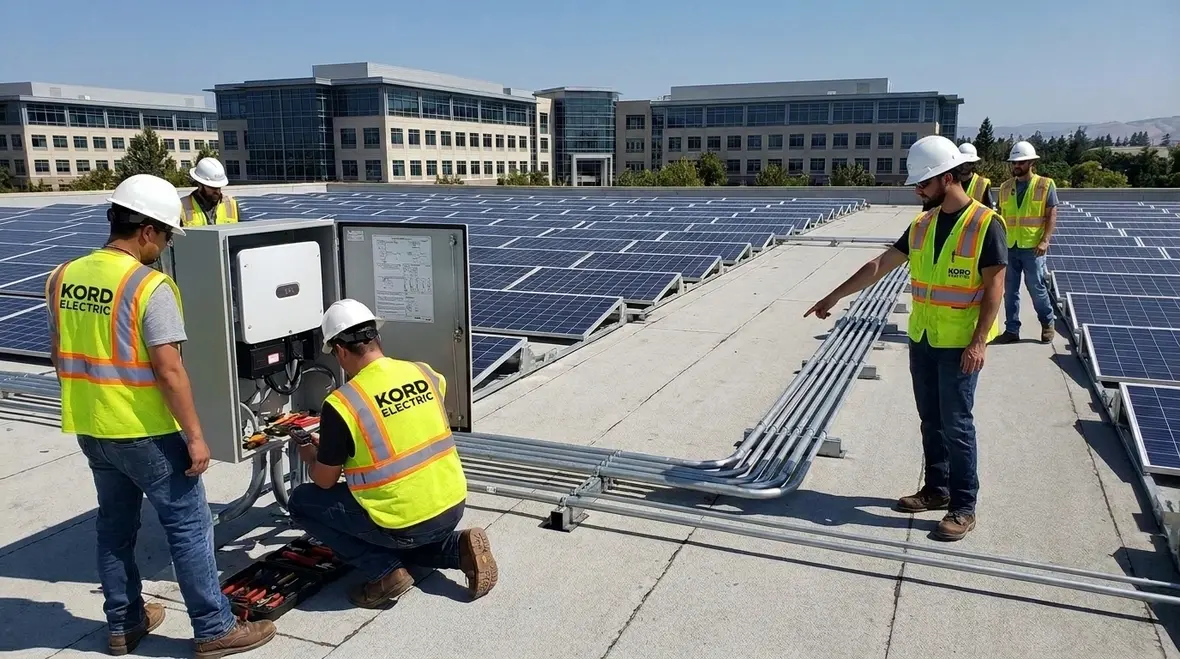
As a result, our team coordinates with electrical contractors, facility managers, and engineers so the system design matches the site realities. For example, we look at conductor routing, conduit fill, weatherproofing, and how modules and inverters connect. Then we ensure the protection approach aligns with the Code requirements tied to arc-fault conditions.
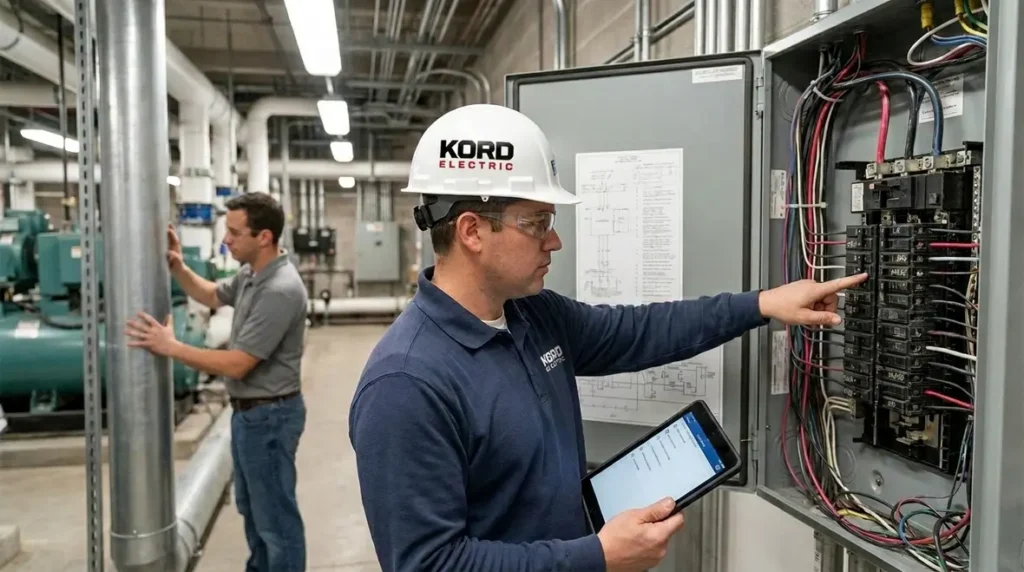
Also, we stress testing and commissioning. Many problems do not show up on day one, but they show up after thermal cycling or after a small insulation issue develops over time. Our technicians walk through commissioning steps to reduce guesswork later.
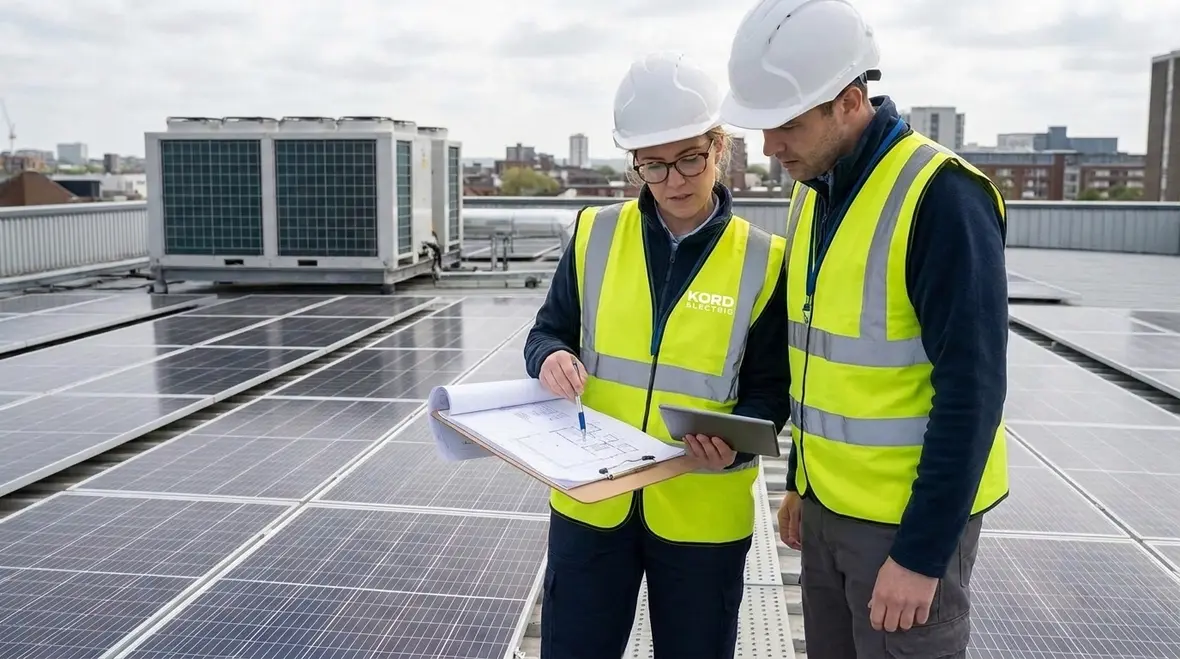
What the National Electrical Code changes and why it matters in 2026
Companies often ask whether the Code “really changes” or if it mostly rephrases safety. The truth is more practical. The NEC evolves because field data and incident trends show what fails and how to prevent it. In the 2026 cycle, guidance around safer PV installation and protection continues to sharpen, including how arc-fault risk gets addressed and how design decisions must align with modern equipment and system layouts.
For large properties, this matters because updates can affect procurement, engineering layouts, and commissioning timelines. Therefore, we help our clients plan early. We also keep the focus where it belongs: safety, compliance, and dependable operation, not paper exercises.
Our expert service staff explains these updates during project planning, so the facility team can budget accurately. Nobody enjoys change orders, unless it is the fun kind, like “we fixed the issue before it became a crisis.” For facility leaders who want a deeper code overview, we often pair our arc-fault guidance with resources like Understanding NFPA 70: The National Electrical Code Explained for 2026, so the PV discussion fits into the bigger NEC picture.
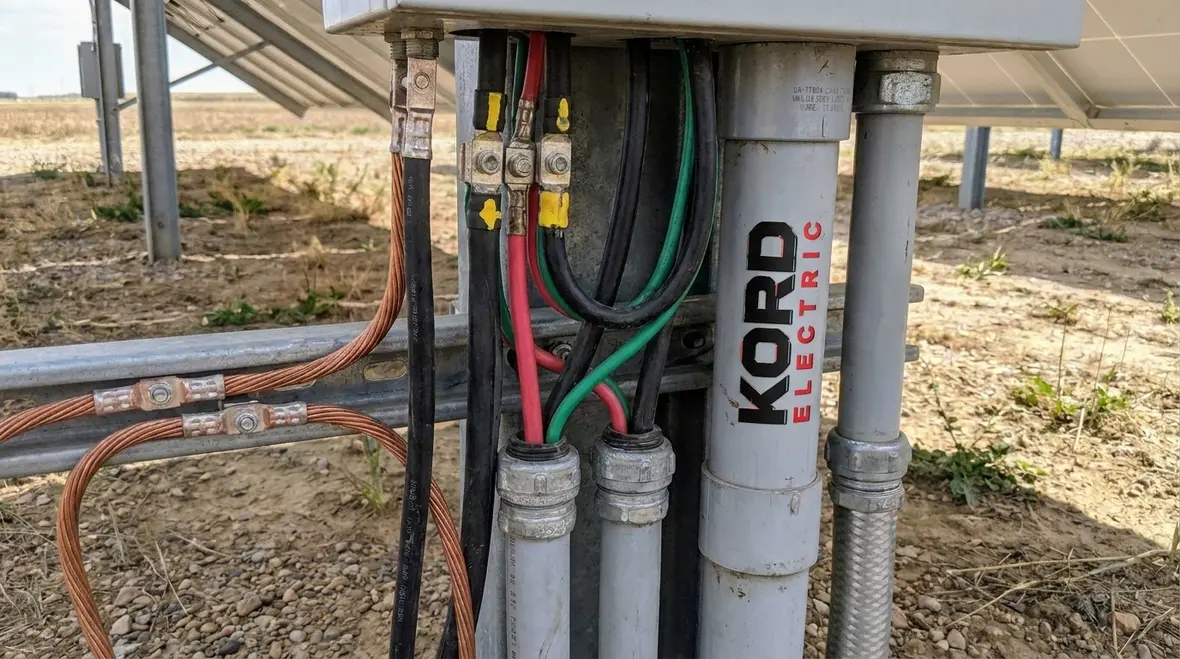
Working with inspections and documentation for major buildings
Commercial and industrial facilities live on schedules. Inspections also live on schedules. When documentation is sloppy, the electrical work gets judged on incomplete information, and that slows everything down.
Our approach emphasizes clear records. We confirm that labeling matches the actual circuit pathways, that equipment is installed with correct ratings, and that the protection method is documented in a way inspectors can follow. In addition, we ensure that as-built drawings reflect what was installed, not what was originally planned on a whiteboard.
We also recommend staff training for building operations teams. When operators know where PV disconnects are, how arc-fault protection is expected to behave, and what alarms mean, incidents become easier to manage. Consequently, the building team responds faster and with less guesswork.
And yes, if you think alarms are “just noise,” we invite you to spend one long night troubleshooting a real issue. The noise stops being funny quickly.
PV safety beyond arc-fault protection: grounding, wiring, and coordination
Arc-fault protection plays a major role, but it sits inside a broader safety system. The NEC expects correct grounding and bonding practices, correct overcurrent protection where required, and wiring methods designed for the installation environment.
In practice, that means:
- Grounding and bonding must keep fault current paths reliable, so protective devices operate as intended.
- Conductor routing must follow safe pathways, with protection against abrasion, moisture intrusion, and mechanical stress.
- Terminations must meet torque and quality standards, because loose connections behave like tiny heaters that never stop.
- Protection coordination must work with inverters, disconnects, and overcurrent devices so the right device acts first.
Our technicians verify these items during service and commissioning support. Moreover, we look for system mismatch, such as equipment selected without considering ambient conditions or future maintenance access. When that mismatch happens, arc-fault protection can still help, but it should not compensate for design shortcuts.
For those who also focus on fire safety systems and related code guidance, partnering with specialized teams strengthens the overall risk picture. At Kord Electric, we coordinate across disciplines because the building does not care which trade did what.
How Kord Electric helps commercial and industrial PV projects
Some companies treat code compliance like a final checkbox. We treat it like part of the system design from the start. Our team supports major property buildings through planning, electrical installation oversight, inspections support, and maintenance.
First, our expert service staff reviews the planned PV approach with the project stakeholders. Then we identify gaps that could lead to failed inspections, unsafe operating conditions, or future maintenance headaches. Next, we verify installation details during key project stages, not after the work is finished and everyone has moved on to the next site.
We also maintain a service mindset during operation. If faults or alarms occur, we help analyze patterns, confirm wiring integrity, and coordinate the response with the broader electrical system. Because downtime in a commercial facility hurts revenue, we aim to reduce time-to-repair and improve reliability.
And when you work with us, you get something simple but rare: technicians who explain what they find. We do not hide behind jargon. We tell the truth, then we fix what matters.
Why PV arc-fault risk deserves clear communication
Many facilities install PV systems and then forget the details until something alerts the control room. That is when decisions get rushed. However, arc-fault conditions can develop and change over time, which means communication matters early.
Our process focuses on helping building owners and operations leaders understand how the PV system should behave. We discuss expected protective actions, alarm interpretation, and safe shutdown steps when needed. We also provide practical guidance on maintenance scheduling and inspection points.
In addition, we keep the conversation consistent with other code and safety frameworks. For example, other resources we reference include National Electrical Code explanations and related safety perspectives, including content from our partner brands and industry references like KordFire and organizations that discuss fire and electrical risk.
Sometimes, safety training can feel like a boring lecture. Yet, if you plan it well, it becomes a skill set the team can use under pressure. Think of it as giving your facility a playbook, not a pamphlet.
Planning PV projects with broader electrical strategy in mind
PV and NEC Section 690.11 PV arc-fault protection do not live in a vacuum. They tie into how the rest of the building’s electrical system behaves during everyday operation, disturbances, and emergencies. When we plan commercial PV work, we align it with other reliability priorities such as power quality, emergency power, and load coordination, so the overall electrical story makes sense instead of fighting itself.
For example, a rooftop PV array that feeds a building with sensitive loads has to be considered alongside power quality strategies, not just energy savings. Harmonics, switching behavior, and fault contributions all affect how protective devices respond. That is why our PV design reviews often reference related topics we cover in resources like data center power quality, surge protection, and emergency power planning, so decision makers see how one upgrade influences another.
When PV projects are aligned with a broader electrical strategy, it becomes easier to stage upgrades, justify budgets, and keep stakeholders informed. Instead of explaining “this is just a solar project,” we walk through how arc-fault protection, grounding, overcurrent protection, and monitoring all support the same goal: safe, reliable power for the building.
Integrating PV safety with ongoing maintenance and operations
Arc-fault protection is most effective when it is part of an ongoing maintenance and operations plan, not just a feature that gets checked once during commissioning. Over time, connectors age, insulation sees UV and temperature cycles, and rooftop traffic changes how wiring and equipment are stressed. These slow changes can eventually create the very arcing conditions NEC Section 690.11 PV arc-fault protection is meant to catch.
We recommend tying PV arc-fault and general PV safety checks into the same rhythm as other electrical maintenance tasks. That can include thermal imaging of key terminations, visual inspections of raceways and junction boxes, verification of labeling and disconnect access, and review of historical alarm logs. When this work is done calmly and regularly, the PV system behaves less like an unpredictable add-on and more like a reliable part of the facility’s electrical infrastructure.
For major property buildings, coordination between PV maintenance and core electrical maintenance also helps minimize downtime. Teams can plan outages, schedule testing windows, and review findings in one conversation instead of chasing separate reports from disconnected contractors. The result is a clearer understanding of risk and a shorter path from “we found something” to “we fixed it and documented the change.”
PV arc-fault protection and electrical services support in Los Angeles County
For facilities in and around Los Angeles County, PV arc-fault protection is not just a code requirement; it is part of keeping complex buildings running safely in a dense, high-demand environment. Local conditions, utility behavior, and jurisdictional expectations all influence how projects should be planned and reviewed. Our team brings that context into PV discussions, so the system you install does more than pass an inspection once.
Because PV work touches service equipment, feeders, emergency systems, and life safety coordination points, many owners prefer a partner who understands the entire electrical system, not just the solar portion. That is why we align our PV and arc-fault services with our broader Los Angeles County electrical services. By treating PV as part of a comprehensive electrical plan, we help commercial and industrial facilities keep power steady, protect people and property, and meet code requirements without turning every project into a guessing game.
FAQ
Conclusion
Kord Electric helps commercial and industrial facilities build PV systems that follow the NEC and run with confidence. Our technicians explain the requirements clearly, support correct design and installation details, and help you prepare for inspections with clean documentation. If you are planning a PV upgrade or need service on an existing system, we can review your approach and point out risks before they interrupt operations. Call Kord Electric to get expert guidance and dependable electrical support for major property buildings.