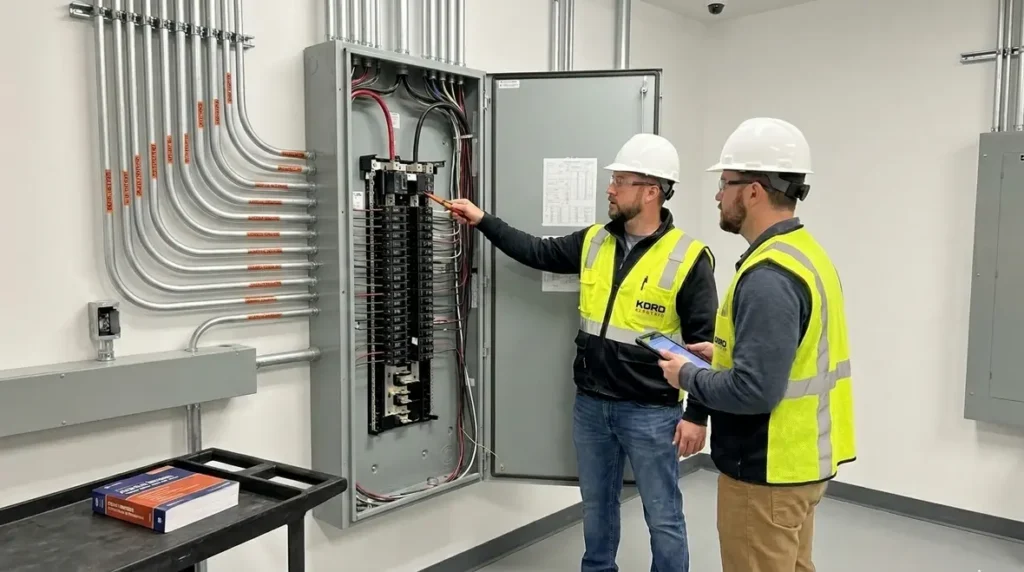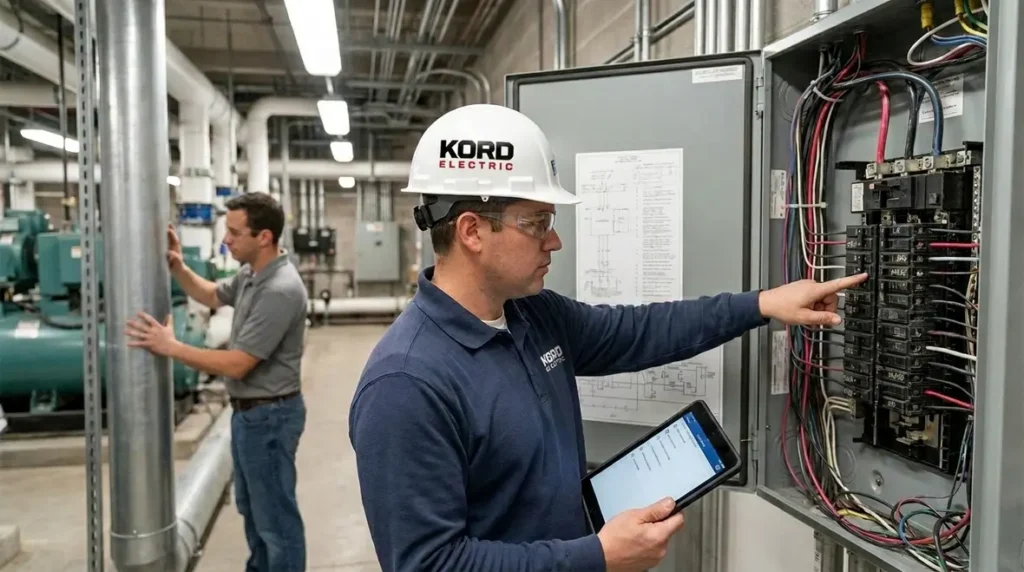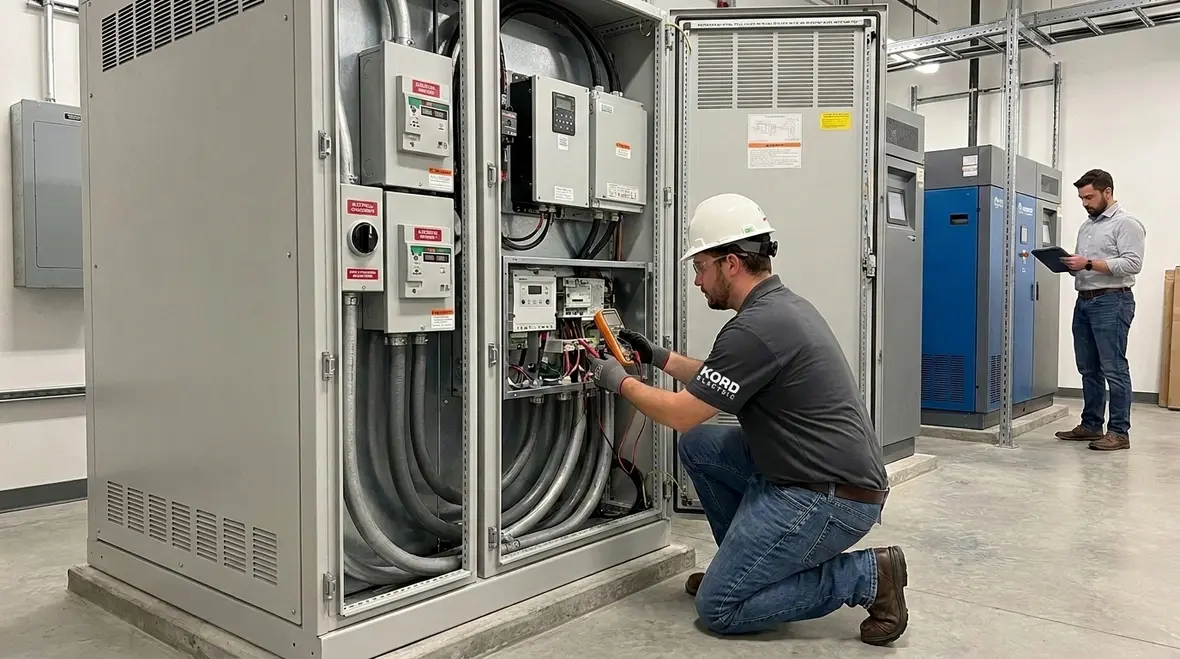
NEC Section 692.52 Fuel Cell Stored Energy Requirements
NEC Section 692.52 fuel cell stored energy is where responsible design meets real world risk control, especially for commercial and industrial sites that want power reliability without surprise problems. In the first place, this part of the National Electrical Code focuses on how fuel cell systems store and manage electrical energy. Then it pushes the building team to handle that energy with care, clear separation, correct wiring methods, and safe installation practices. At Kord Electric, we take this seriously because the stakes in a major property are never small. We also know your facilities manager does not want to play “guess the hazard,” and neither do we. Our technicians and expert service staff explain the rules in plain language, so your teams can build, inspect, and maintain with confidence. And yes, we promise we will not treat your power system like a mystery novel with the villain hiding in the panel.
What NEC Section 692.52 fuel cell stored energy requires and why it matters
When engineers and electrical contractors work through NEC Section 692.52 fuel cell stored energy, they usually ask one big question: what must be true so the system stays safe under normal and fault conditions. In general, the code treats stored energy as a special case because it can release power quickly if something fails. Therefore, the requirements aim to reduce the chance that energy creates fire, electrocution risk, or hazardous operating conditions.
Next, the scope typically covers how the system is installed and how stored energy is treated across components, interconnections, and the area around the equipment. We see teams get stuck when they try to treat fuel cell installations like generic equipment. However, fuel cell systems combine electrical generation with storage behavior, and that changes how safeguards must be planned. As a result, the design must reflect the actual energy source and its behavior, not just the physical footprint.
At Kord Electric, our technicians walk the job site, confirm layout, and then align the electrical design with what the code expects. In other words, we help others avoid the classic failure mode: “It looked fine during rough-in, then inspections asked for the details.”
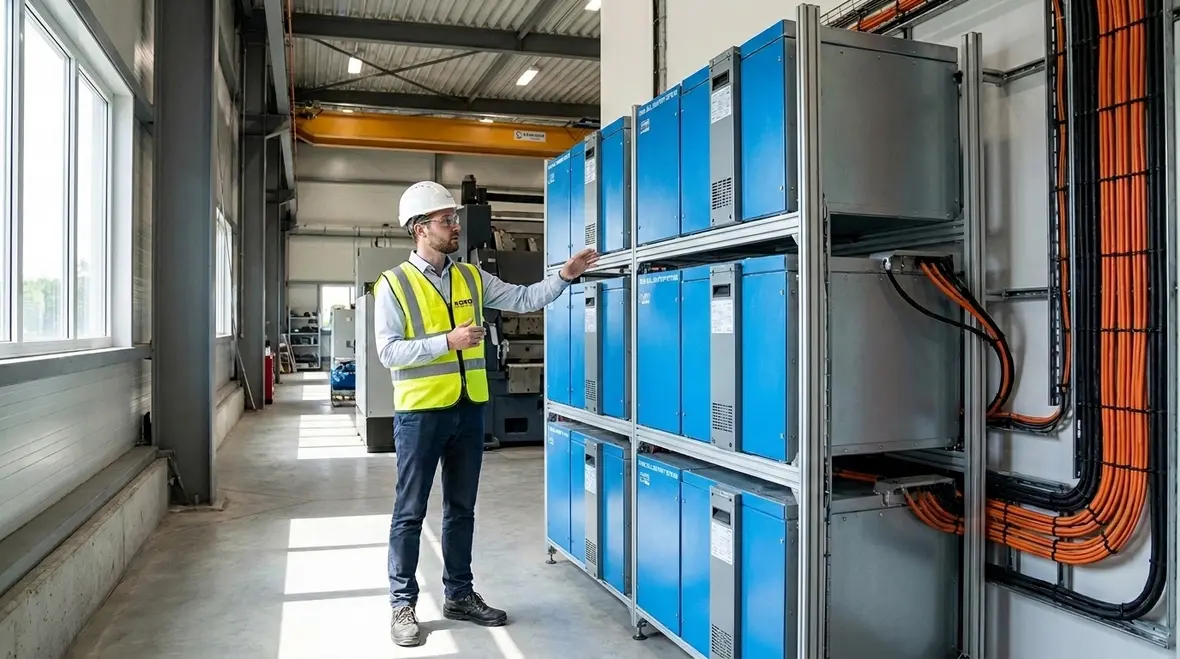
Where the National Electrical Code fits: NEC, NFPA, and practical compliance
Many people blend terms like NEC and NFPA together, and they are not wrong for being confused. The National Electrical Code is published as NFPA 70, and fire safety teams often reference the same family of standards when they build a compliance plan. For major facilities, that matters because the authority having jurisdiction expects consistent reasoning across electrical safety and fire protection thinking.
In practice, Kord Electric supports commercial and industrial buildings by translating the code into actionable steps. We do not just recite paragraphs. Instead, our expert service staff explains how the standard affects layout, labeling, access, conductor routing, and protective practices. Then we apply that understanding to the project workflow, from design review to field checks.
Also, when you coordinate with fire safety planning, you reduce the chance of conflicting requirements late in the schedule. For example, an installation that technically follows electrical rules but ignores how emergency responders will access equipment can trigger rework. Therefore, we encourage teams to treat compliance as a system, not a checklist.
That mindset aligns with the broader approach shared in industry resources, including the Kord Electric and Kord Fire materials that clarify NFPA and NEC themes for real projects. For a deeper orientation to the current code cycle, many facility teams pair this kind of project ready guidance with high level explainers like Understanding NFPA 70: The National Electrical Code Explained for 2026, then zoom back into section level decisions such as NEC Section 692.52 fuel cell stored energy for specific projects. When your facility scales, clarity becomes cost control.

Linking NEC decisions to fire protection and emergency planning
For fuel cell systems, stored energy, and other advanced power sources, it is not enough to tick off electrical checkboxes in isolation. Fire department access, fire pump behavior, and emergency procedures all depend on how your electrical system behaves under stress. That is why we align electrical design choices with fire safety thinking from the beginning, using resources from Kord Fire and other NFPA focused guides to keep both perspectives synchronized instead of competing.
When teams understand how NEC requirements sit alongside fire protection goals, they can design fuel cell stored energy installations that work for both inspectors and responders. That can mean better equipment placement, clearer labeling, and more resilient coordination between normal power, emergency power, and life safety systems.
Design and installation practices for fuel cell systems in commercial sites
Now we move from theory to job site reality. For commercial and industrial facilities, design and installation practices must protect people, equipment, and operations. Specifically, fuel cell systems with stored energy need careful decisions on location, separation, and how cables and connections get handled.
First, teams must plan where equipment sits so that routine work and emergency response can occur safely. Then the design must support safe access. If crews cannot reach disconnects or if equipment blocks essential pathways, the best electrical theory in the world will not help. We see that often in major property retrofits, where space is tight and timelines are tight too.
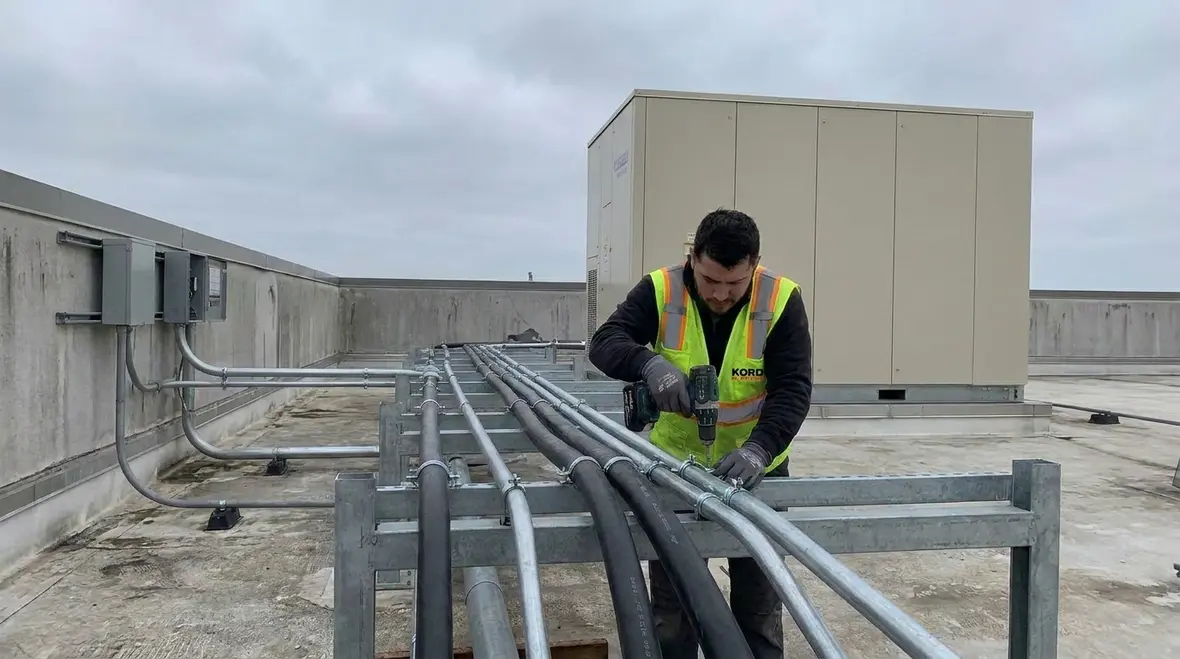
Next, cable routing and connection methods matter. Proper installation reduces the risk of overheating and insulation damage. Additionally, good practices support inspection readiness, which keeps the schedule from slipping. Our technicians inspect details such as support, segregation from other systems, and whether labels match the field reality. We explain what we see and what it means for safe operation. In many cases, we catch gaps early, before they become “future problems” that haunt the maintenance team.
Finally, we emphasize system integration. Fuel cell generation and stored energy behavior interact with protective devices and control logic. As a result, coordination among equipment suppliers, electricians, and commissioning teams prevents mismatches. If the system thinks one thing and the electrical design expects another, safety margins shrink. We help ensure everyone speaks the same electrical language.
Design details that keep fuel cell stored energy predictable
When we review designs tied to NEC Section 692.52 fuel cell stored energy, we look past the basic one line diagrams and into practical details: conductor sizes, raceway fill, separation from incompatible systems, and clear pathways for maintenance access. We also confirm that disconnecting means and overcurrent protection match the real behavior of the fuel cell and its storage components, not just a template taken from another project.
That includes checking how stored energy is isolated during service, how fault conditions will be detected and cleared, and how labeling and documentation will guide technicians years after the original install. These details are where theory meets reality, and where a solid design turns into a safe, reliable system instead of a future headache.
Safety testing, labeling, and commissioning that holds up under scrutiny
Compliance does not end when the equipment gets powered up for the first time. Instead, safe operation depends on testing, labeling, and commissioning that reflect the design intent. For NEC Section 692.52 fuel cell stored energy, the goal is simple: verify that safeguards perform as intended, and document it clearly for ongoing maintenance.
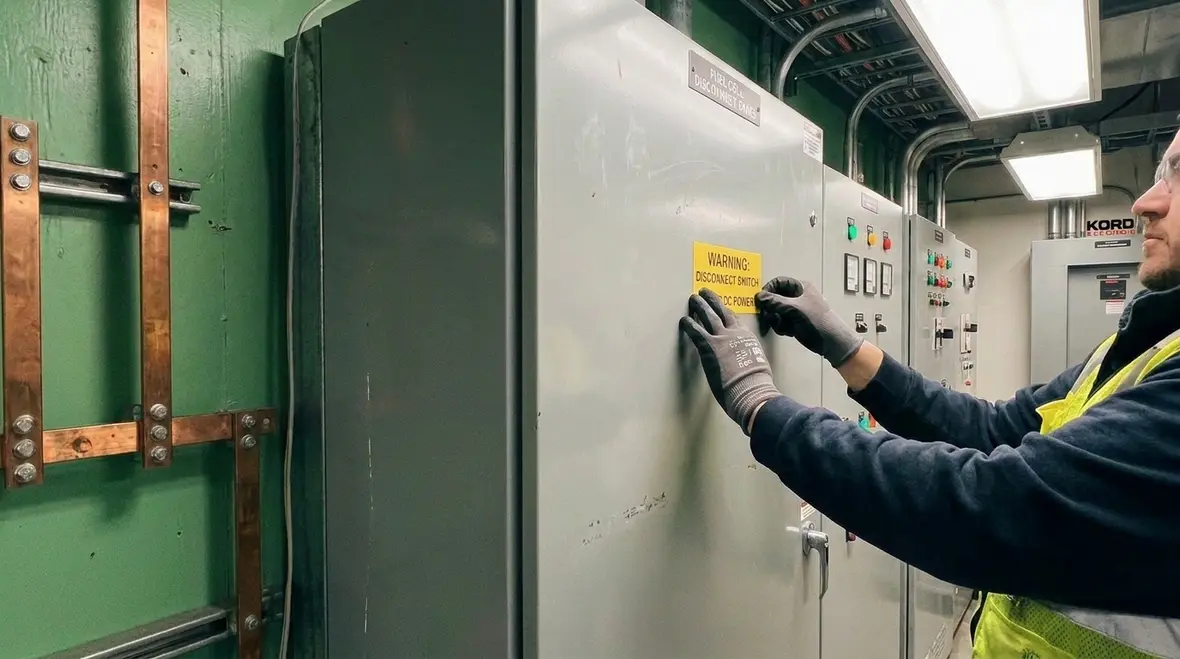
At Kord Electric, we support commissioning steps that help your team answer the questions inspectors ask. For instance, do labeling and identification match what responders need? Do disconnects and protective devices operate correctly? Are grounding and bonding consistent with safety expectations? Then we verify that the system integrates smoothly with facility power distribution.
We also focus on the long game. Major properties often operate 24 by 7, so you need a process that stays reliable after handoff. Therefore, we encourage documentation that maintenance staff can use without decoding a foreign language. Our expert service staff trains operators on what to check and what to look for during routine work. And yes, we keep the explanations calm and clear, because stress helps nobody.
In addition, we recommend a maintenance plan that aligns with the system’s energy behavior. Fuel cell systems can behave differently than traditional generators, especially under fault or transition conditions. When teams understand those differences early, they reduce downtime and keep the site running.
Connecting commissioning to everyday facility operations
A well-commissioned fuel cell stored energy system should feel predictable, not mysterious. That means grounding the process in plain language, clear test reports, and labels that match what field crews actually see. We treat commissioning as the bridge between design documents and real operations, so facility teams can own the system confidently instead of feeling like they inherited a puzzle with missing pieces.
Common mistakes we see, and how we help commercial teams avoid them
Even smart teams can stumble. However, most failures come from predictable mistakes, not from a lack of effort. For fuel cell installations involving stored energy, the pattern usually shows up in planning, coordination, or documentation.
First, some teams design using assumptions copied from other power equipment. Then they install with “good enough” adjustments on site. That approach breaks down because stored energy needs special attention to safeguards and handling. Therefore, we recommend starting with a code guided design review, followed by field checks aligned to the final documents.
Second, crews sometimes treat labeling like a late stage task. Yet labeling supports safe operation long after the electrician leaves. In a major property, wrong labels can confuse maintenance and delay response. At Kord Electric, we verify labels against system configurations before final signoff.
Third, coordination gaps show up between electrical work and broader facility plans. For example, fire safety access paths, monitoring locations, and emergency procedures need to align. If they do not, the facility pays twice. So we coordinate the electrical side with practical building operations, not just paper compliance.
Lastly, some teams skip thorough commissioning. Then they rely on “it seems fine.” But inspections and safety audits do not run on vibes. Our technicians run structured checks and explain outcomes in plain terms, so the facility team understands what to expect.
Using lessons from other NEC sections to improve fuel cell projects
Because Kord Electric works across many NEC topics for commercial and industrial facilities, we bring lessons from other sections into fuel cell work. Whether we are reviewing ampacity decisions, grounding, or labeling rules, the same disciplined approach applies. That consistency helps prevent surprises when authorities compare your NEC Section 692.52 fuel cell stored energy decisions to the rest of your electrical system.
How Kord Electric supports industrial power safety from design to service
Kord Electric focuses on commercial and industrial facilities and major property buildings. That focus shapes how we work. We treat NEC driven power safety like a business function, not a one off task. In other words, we plan, build, verify, and support so your installation remains safe and dependable.
We bring an approach that supports engineering teams, contractors, and facility managers. Our technicians and expert service staff explain the code logic behind the details, then we connect those details to the job site. Furthermore, we support ongoing service so the system stays aligned with safe practices over time.
If you also want to connect the electrical side with fire safety thinking, resources from Kord Fire explore NFPA 70 related themes and help teams understand how the standard plays out in safety terms. For broader fire pump and water based emergency readiness topics, firepumps.org also provides useful context that strengthens facility planning. The common thread across all these resources is the same: safety requires deliberate work and consistent documentation, not hope.
And if you are wondering whether this all sounds like a lot, remember this: the code is not written to make your life harder. It is written so the facility team can stop worrying, and start operating. The only surprise we want on your schedule is a well timed break, not an electrical fault.
For organizations that want all of this fuel cell and stored energy planning to fit inside a broader, location specific strategy, Kord Electric also supports regional portfolios. If you manage properties in Southern California, our Los Angeles County electrical services overview shows how we connect NEC based design, installation, and long term service so critical systems stay both compliant and practical to maintain.
FAQ
Call Kord Electric for fuel cell electrical safety support
If you manage a commercial or industrial facility, you need fuel cell electrical systems that work safely and stay inspection ready. Kord Electric helps your team apply NEC Section 692.52 fuel cell stored energy requirements with clear field checks, expert explanations, and service that lasts beyond start up. Reach out to us for a practical compliance review, commissioning support, or ongoing maintenance planning. We will help you reduce risk, protect uptime, and keep your power system boring in the best way. Because in facilities, “boring” means safe.
When you are ready to connect these fuel cell stored energy requirements with the rest of your electrical strategy, our team can align the work with your broader NEC roadmap, from section level reviews to facility wide planning. That way, your power system becomes one coherent story of safety and reliability, not a collection of disconnected projects waiting to surprise you later.