NFPA 70 Section 694.1 Wind Electric Scope Compliance for Businesses
NFPA 70 Section 694.1 wind electric scope matters to commercial and industrial owners because it sets the rules for how wind systems get wired, protected, and connected to electrical equipment. At Kord Electric, we see the same theme again and again: when teams treat the electrical code like a suggestion, trouble shows up later, usually with a bill that no one wants to read. And yes, we still hear people say, “It will pass inspection.” That is not a plan. That is a prayer.
In this article, we help our clients understand the National Electrical Code through a practical lens. We explain how our expert service staff supports your team from design review to safe commissioning, while keeping the focus where it belongs: commercial and industrial facilities and major property buildings, not residential work.
NFPA 70 essentials for commercial and industrial electrical teams
Third party standards can feel like a maze, but NFPA 70 is built to reduce risk, prevent fires, and keep systems usable for years. When we work with property owners, engineering teams, and electrical contractors, we begin by translating the code into clear actions. Then we verify that the actions match the hardware actually installed.
In practice, NFPA 70 covers wiring methods, protection requirements, bonding and grounding rules, equipment ratings, and installation practices. It also connects the dots between the wind electric components your facility uses and the electrical system that serves the rest of your building loads.
Because commercial sites face higher uptime pressure, our technicians plan for continuity. That means we don’t just check what the code says today. We also look ahead at maintenance access, fault clearing behavior, and how protective devices will respond when conditions change. In other words, we build systems that behave correctly, not systems that just look correct on paper.
What Section 694.1 wind electric scope requires in plain terms
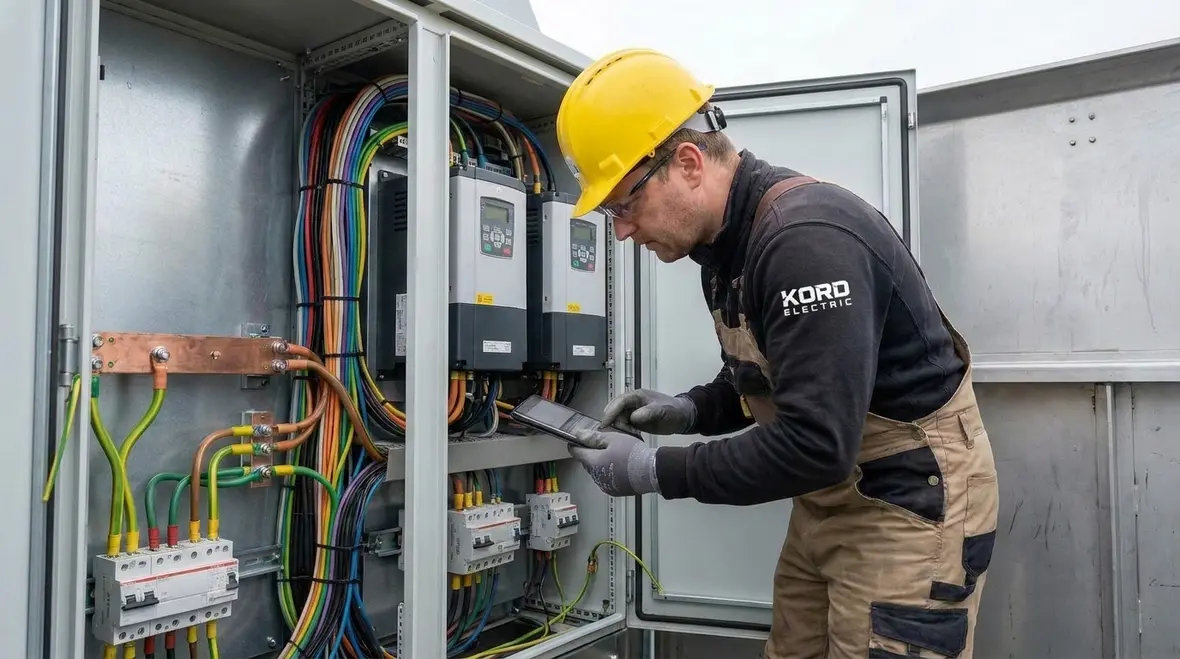
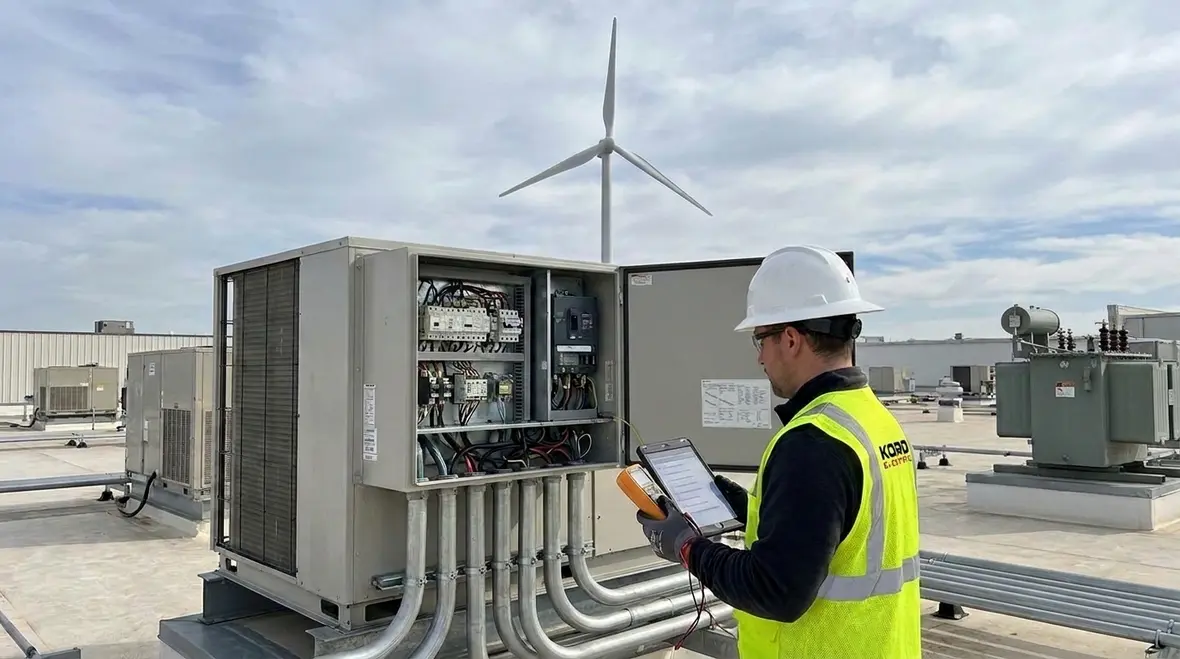
We start here because the wind electric scope is not vague. Under NFPA 70 Section 694.1 wind electric scope, the code focuses on the unique risks tied to wind energy conversion systems. These risks include variable power output, mechanical start and stop behavior, and the need for electrical safety measures that still work when conditions change.
Our expert service staff explains requirements in a steady, practical sequence. First, we review system components, such as generators, inverters or converters where applicable, transformers, overcurrent protection, disconnecting means, and grounding and bonding paths. Next, we map those components to the facility’s service entrance and distribution layout. Then we verify that conductors, raceways, and equipment ratings match the operating conditions, including how current and voltage can behave during startup and during normal wind production.
When teams skip this step, problems tend to show up as nuisance trips, overheating at terminations, and protection that does not clear faults fast enough. And if you are thinking, “That sounds like a worst case scenario,” we can tell you we have seen worst cases. The code exists because reality does not care about optimism.
For deeper context, we also reference guidance on the National Electrical Code we publish and discuss through our partner resources, including Kord Fire’s NEC coverage and Kordfire.com.au for additional industry framing. You can also find broad fire safety context at firepumps.org, which helps teams connect electrical safety and protection philosophy.
Connecting Section 694.1 to the bigger NEC picture
Section 694.1 does not live in isolation. It ties directly into broader NEC expectations around wiring methods, equipment ratings, and protective device behavior. For teams that want a deeper dive into those fundamentals, Kord Electric shares additional guidance in resources such as Understanding NFPA 70: The National Electrical Code Explained for 2026 and related NEC reading guides on the Kord Electric blog.
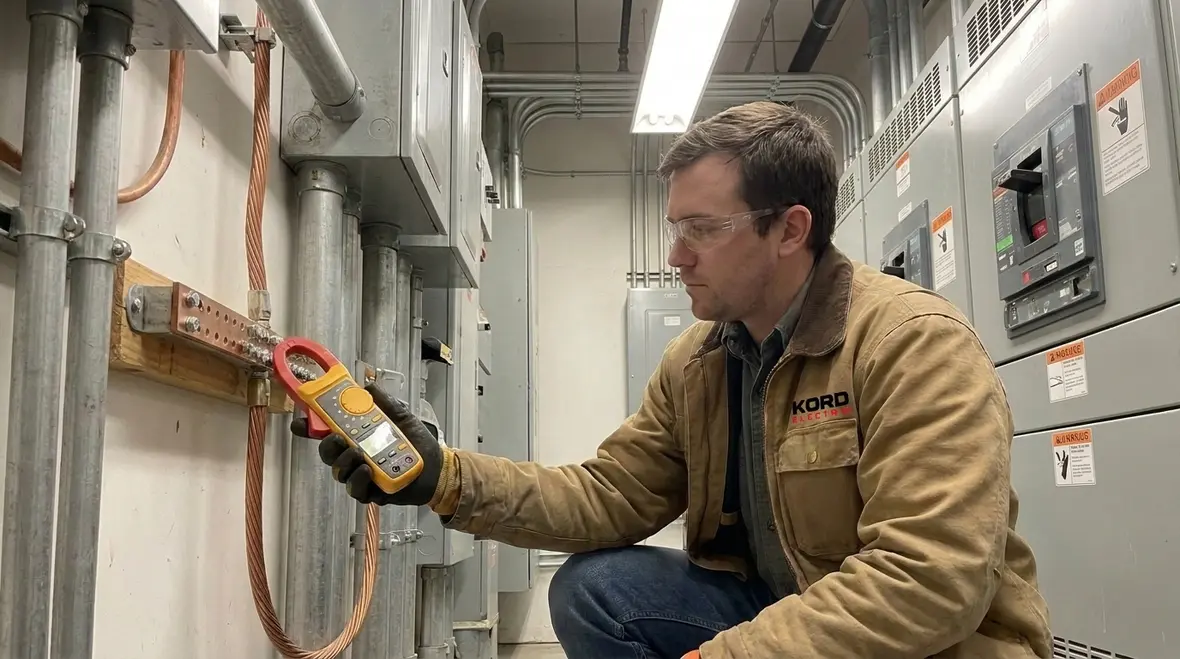
How we align wind system wiring with protection, grounding, and shutdown
Once we understand the wind electric scope, we move to how the system stays safe under normal use and under faults. In commercial and industrial facilities, the electrical system must protect people, protect equipment, and limit damage so your operation keeps running.
We approach protection like a layered defense. That means correct overcurrent protection is only one layer. We also confirm grounding and bonding paths so fault currents have a clear route back to the source. Then we check whether disconnecting and shutdown behavior supports safe service work.
Our technicians pay special attention to terminations and conductor routing. Even when a design looks compliant on a one page drawing set, real installations bring surprises: bends that exceed recommended radii, conductors that get pulled tighter than they should, and equipment that sits where it does not match the expected environment. Therefore, we verify installation practices, not just labels and nameplate ratings.
At Kord Electric, we often explain it like this. Protection devices cannot do their job if the system is built like a loose playlist. If the grounding path is incomplete, the protective device may never see the right fault current. If conductors are undersized or improperly routed, heat builds where it should not. And if shutdown and isolation are unclear, your maintenance team ends up working around uncertainty. We do not help clients manage uncertainty. We help them eliminate it.
Grounding, bonding, and safe service access
For wind electric systems, grounding and bonding do more than check a code box. They stabilize system behavior when the turbine output changes, when faults occur, and when technicians need to work on equipment safely. We verify that disconnects are accessible, clearly labeled, and aligned with your lockout and tagout practices so maintenance tasks do not turn into improvised risk.
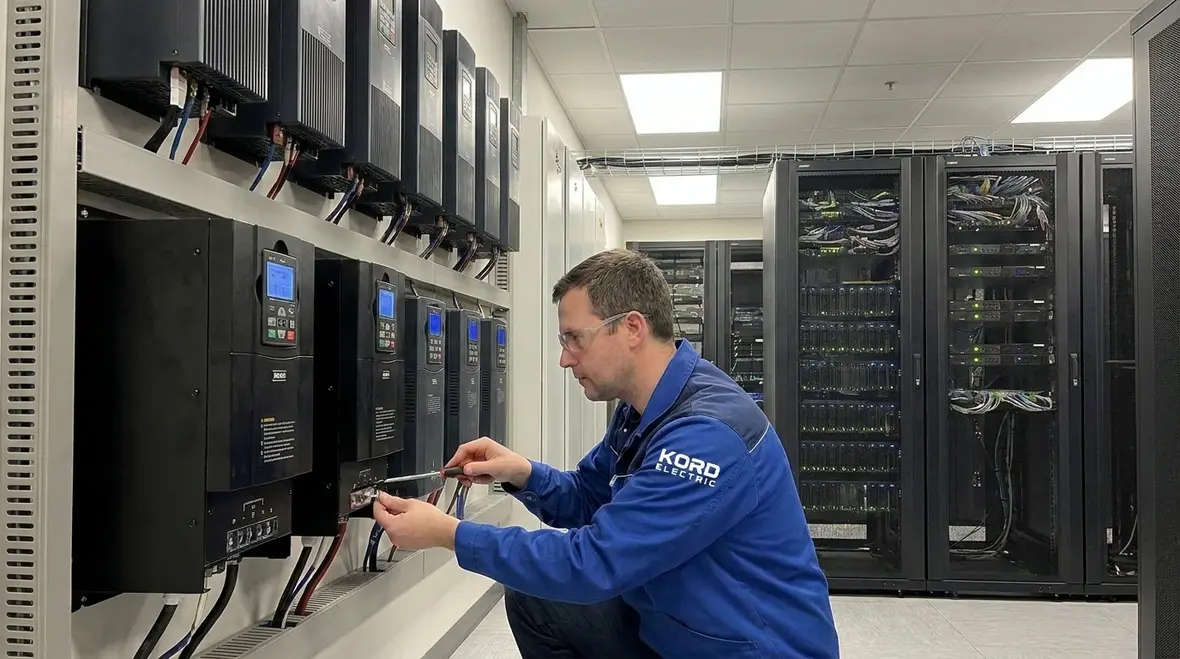
Inverter and converter integration: keeping power quality and compliance in sync
Wind systems often involve power electronics, such as inverters or converters. That is where electrical performance and electrical safety requirements overlap. Even when the turbine itself runs properly, the facility still needs a stable interface with its electrical distribution and load environment.
So we focus on integration details. First, we confirm that equipment ratings match expected operating ranges. Next, we verify control wiring practices, separation of power and control where required, and correct connection of system components. Then we examine protective coordination, because a protective device that trips too slowly can let faults spread. Conversely, a device that trips too easily can disrupt production, which is a very expensive kind of “safety.”
We also emphasize that power quality issues can create real operational impacts. Voltage fluctuations, harmonics, and disturbances can affect sensitive equipment found in major property buildings, data spaces, manufacturing floors, and building automation systems. However, the code view and the operations view must line up. That means we evaluate compliance in a way that supports dependable service.
And yes, sometimes the conversation gets funny in a tired way. Someone asks, “Can we just turn it on and see what happens?” That is like letting a toddler drive the forklift because they seem motivated. We get it. Curiosity is human. Still, we build it right the first time.
Why NFPA 70 power quality thinking matters for wind projects
From a code standpoint, poor power quality can point to deeper issues in wiring practices, grounding, or equipment selection. From an operations standpoint, it shows up as downtime, nuisance trips, and “mystery” behavior in control systems. We design wind electric integrations so your facility does not have to choose between compliance and stability. You get both.
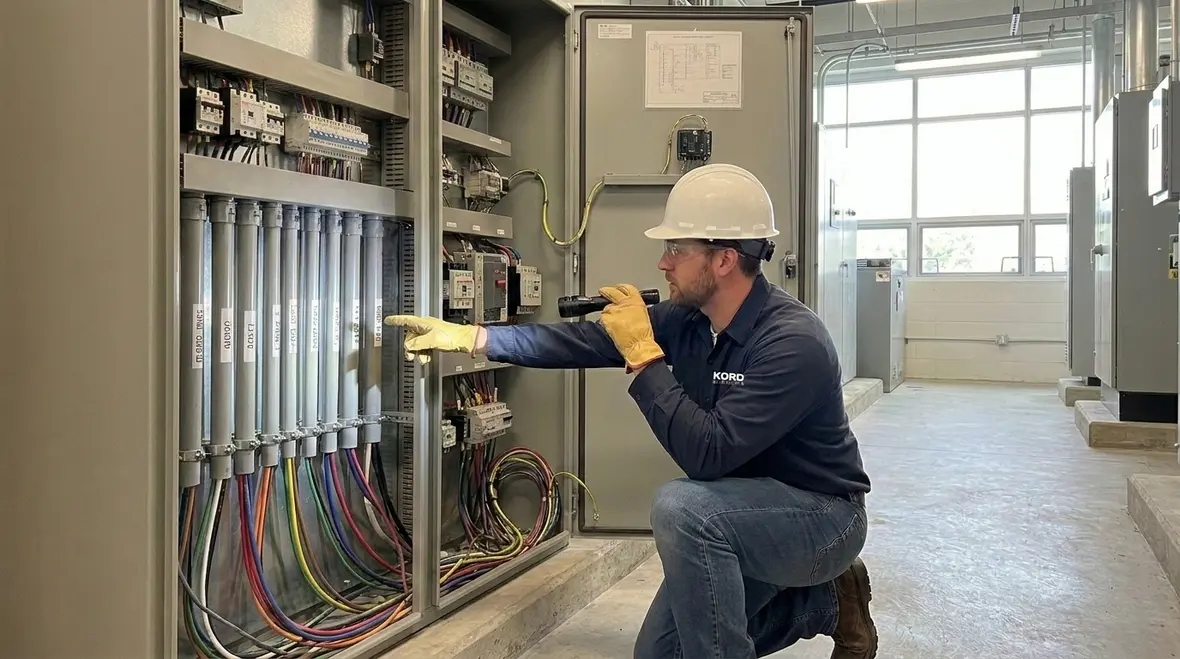
Design review and installation checks we perform for major properties
Commercial and industrial projects require a disciplined process. When our clients bring us in early, we help reduce change orders later. We do this by running a design review workflow that ties code intent to real installation details.
Our expert service staff typically performs these steps. First, we review the single line diagram and how the wind system connects to the building service and distribution. Then we inspect the equipment list for ratings that match the code requirements and the expected electrical conditions. After that, we validate the wiring method, conductor selection, and the routing approach through the facility.
During installation, our technicians verify key items. We check that conduit, raceways, and bonding practices support safe fault current pathways. We confirm that disconnecting means are accessible and clearly identified for safe operation and service. We also check that labeling supports field work, especially on large sites where multiple trades move through the same spaces.
Finally, we test and verify performance after installation. As a result, commissioning does not become a guessing game. Instead, it becomes a structured process that aligns electrical behavior with compliance expectations.
If your facility has a fire and life safety program, we coordinate electrical safety thinking with the broader protection environment. For example, resources like firepumps.org remind teams how water based systems, power sources, and control logic must align. That mindset reduces gaps between electrical and life safety systems.
Linking design reviews to broader NEC planning
Design reviews for wind electric systems are stronger when they connect back to your overall code strategy. Alongside dedicated wind scope work, many facility leaders also review foundational content such as Kord Electric’s NEC guides and articles on topics like NFPA 70A vs NEC for commercial compliance, emergency power backup, and electrical connection quality standards. That way, Section 694.1 decisions reinforce your entire electrical risk posture instead of living on an island.
Common gaps we see when teams misread the NEC
When compliance breaks down, it often comes from a handful of recurring issues. First, teams assume wind related requirements are handled once the turbine is installed. Second, they treat protection and grounding as afterthoughts instead of part of the core design. Third, they rely on “typical details” without confirming the details match the specific wind electric scope requirements and the actual electrical layout.
At Kord Electric, we help clients avoid these gaps by focusing on how code sections connect. For example, the wind electric system requirements do not float alone. They attach to wiring methods, equipment ratings, and protective device behavior across the building electrical system.
Additionally, we see confusion around what is truly required versus what is “common.” Common is not the same as correct. Therefore, we make our process simple and direct. We identify what the project must do, why it must do it, and what we verify in the field.
And if anyone tells you they have never had to fix a “small detail,” we politely smile. Then we explain that small details are often exactly where large failures begin. That is not pessimism. That is experience.
How Kord Electric helps you close those gaps
We turn lessons from hundreds of NEC-driven projects into checklists and field practices your team can use. That includes structured commissioning plans, coordination with your fire and life safety stakeholders, and direct explanations for why a given requirement matters on your specific site. If your facility needs broader electrical upgrades alongside wind work, we also support modernization strategies similar to those outlined in Kord Electric resources on commercial electrical infrastructure upgrades and code-ready renovation planning.
FAQ for NEC and wind electric scope compliance
FAQ: quick answers for featured snippets
Is NFPA 70 only for residential work? No. We focus on commercial and industrial facilities and major property buildings where electrical safety and reliability are critical.
Do we handle wind system commissioning? Yes. We support testing and verification so the system performs safely, and we document results for your team.
Can we bring Kord Electric in after installation starts? We can, and we often do for troubleshooting or verification. However, earlier design review reduces rework.
Does our team coordinate with fire life safety programs? We align electrical safety thinking with broader protection strategies, since electrical failures can affect life safety systems.
What is the safest next step? We recommend a code focused design review and a field verification plan tied to the NFPA 70 wind electric requirements.
For facilities in Los Angeles County and the surrounding region, this often starts with a structured assessment of your existing electrical infrastructure, similar to the deep-dive approach we apply on broader projects covered in our Los Angeles County electrical services offerings.
Conclusion: let us help your wind electric system meet the code
When we treat NFPA 70 like a real safety tool, your wind electric system performs with steadiness, not surprise. Kord Electric brings expert technicians, clear communication, and disciplined checks for commercial and industrial facilities and major property buildings. If you are planning a wind energy installation or upgrading an existing system, we can review the design, verify the installation, and support commissioning so you can move forward with confidence. Reach out to us today and let’s keep your power safe, stable, and compliant.
If you want to dig further into the rulebook that shapes these projects, pair this wind electric scope guidance with broader NEC resources like Understanding NFPA 70: The National Electrical Code Explained for 2026. Together, they give your team a clear roadmap from concept to inspection and long-term operation.