
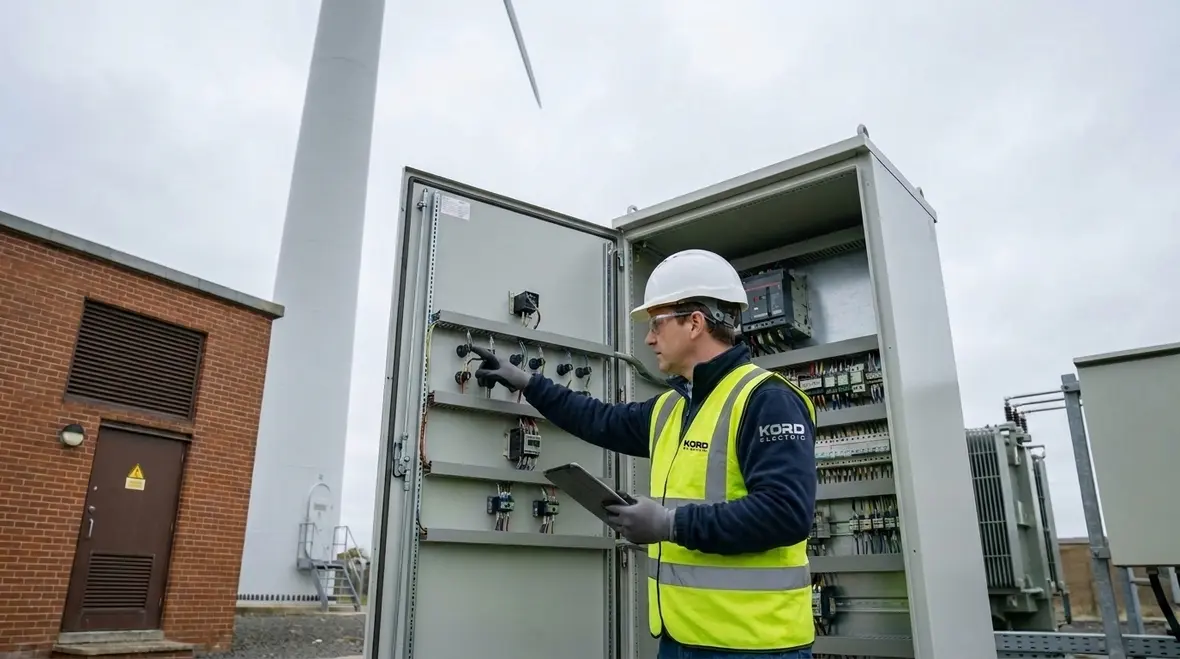
NFPA 70 Section 694.7 Wind Turbine Construction Compliance
In commercial and industrial facilities, and major property buildings, electrical safety cannot rely on hope and vibes. So when we talk about NFPA 70 Section 694.7 wind turbine construction, we speak with a practical mindset. In the first place, we focus on how those rules support safe design, correct installation, and reliable operation of wind turbine electrical systems. Furthermore, we explain why compliance matters when your site includes shared utility connections, large loads, and complex equipment. And yes, we treat this as a serious topic, even if the paperwork sometimes reads like it was written by a robot that never pays for parking. Our technicians and expert service staff at Kord Electric help teams translate the code into site-ready steps, so the system performs when it matters and behaves when it does not.
What the NEC sets in motion for wind and other electrical work
Third person perspective matters here, because it reminds us that code work is a site responsibility, not a personal opinion. The NEC, and especially the sections tied to renewable systems, establishes baseline rules that help prevent shock, fire, and damaged equipment. In addition, the code defines where and how wiring, overcurrent protection, grounding, and circuit connections should work. As a result, facility teams gain a predictable path for review, inspection, and long term maintenance.
At Kord Electric, we see how people stumble when they treat the NEC like a vague guideline. Instead, our expert service staff explain what the language means in real spaces. Then they connect those rules to the way commercial and industrial facilities actually operate: multi tenant footprints, service entry upgrades, generator tie ins, and long cable runs routed through cable trays.
There is also a hidden truth. When a wind turbine system connects to building power, small design mistakes can turn into big delays. Therefore we focus on the “boring” parts that keep projects moving, like correct conductor sizing, proper insulation types, and safe separation from other circuits. If the plan is clear, inspections get easier, and the project team spends less time sweating under fluorescent lights.
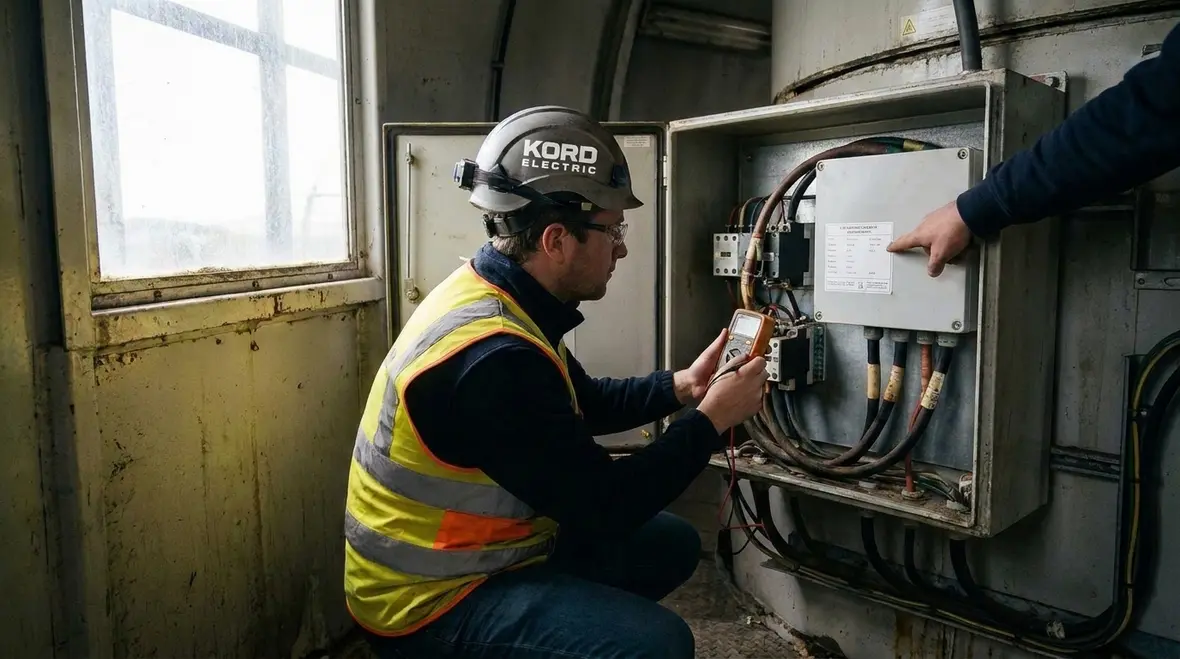
NFPA 70 Section 694.7 wind turbine construction requirements in plain business language
NFPA 70 Section 694.7 wind turbine construction addresses how wind turbine electrical systems get built and protected so they can operate safely in the environments where people work. More specifically, it covers construction details, wiring method expectations, equipment suitability, and how the system should resist hazards that can show up during operation.
Now, the phrase “wind turbine construction” can sound like it belongs to a blueprint class, but our technicians translate it into field checks. For instance, they look at whether components belong in the location they serve, and whether the installation method supports safe current paths. At the same time, they verify that the electrical layout reduces risk during faults and during normal operation. As a result, the wind related electrical system behaves like a professional system, not a science fair experiment.
Additionally, in large facilities, you often have other electrical loads and power electronics sharing spaces or adjacent routes. Therefore teams must apply the construction rules in a way that preserves safety boundaries and supports ongoing maintenance. We explain the rationale behind each requirement, so the project team understands what to document, what to test, and what to keep consistent over time.
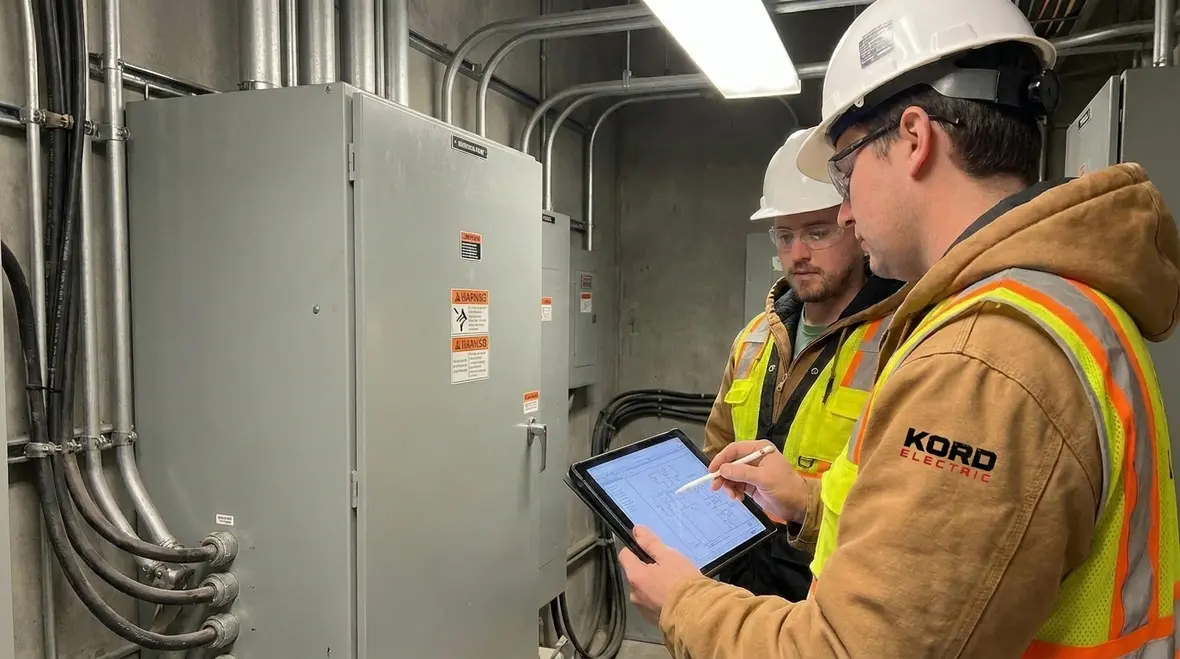
How designers and contractors can translate the code into real installation steps
Code language becomes useful only when the installation reflects it. Accordingly, our approach starts with a site specific plan and a clear electrical one line. Then we align the wind turbine electrical parts with the rest of the facility system, such as service equipment, grounding electrodes, and fault clearing devices.
Next, we focus on practical steps that reduce change orders. Our expert service staff explain what teams should check during preconstruction, such as cable route planning, equipment access, and labeling. Moreover, we advise teams to confirm that the wiring methods match what the system needs, because mismatches create troubleshooting delays later.
Then comes the on site verification. Technicians perform checks that go beyond “it looks fine.” They confirm terminations, inspect physical protection, and ensure that workmanship aligns with the construction intent. If the facility uses cable trays or conduit runs that also serve other systems, we help maintain clean separation where needed. In short, we help teams build a system that can pass review today and still make sense during maintenance years from now.
And here is where we get a little playful, because it matters. Code compliance is not like binge watching a show where you skip episodes. You cannot “figure it out later” without paying for it later. We help teams avoid that trap.
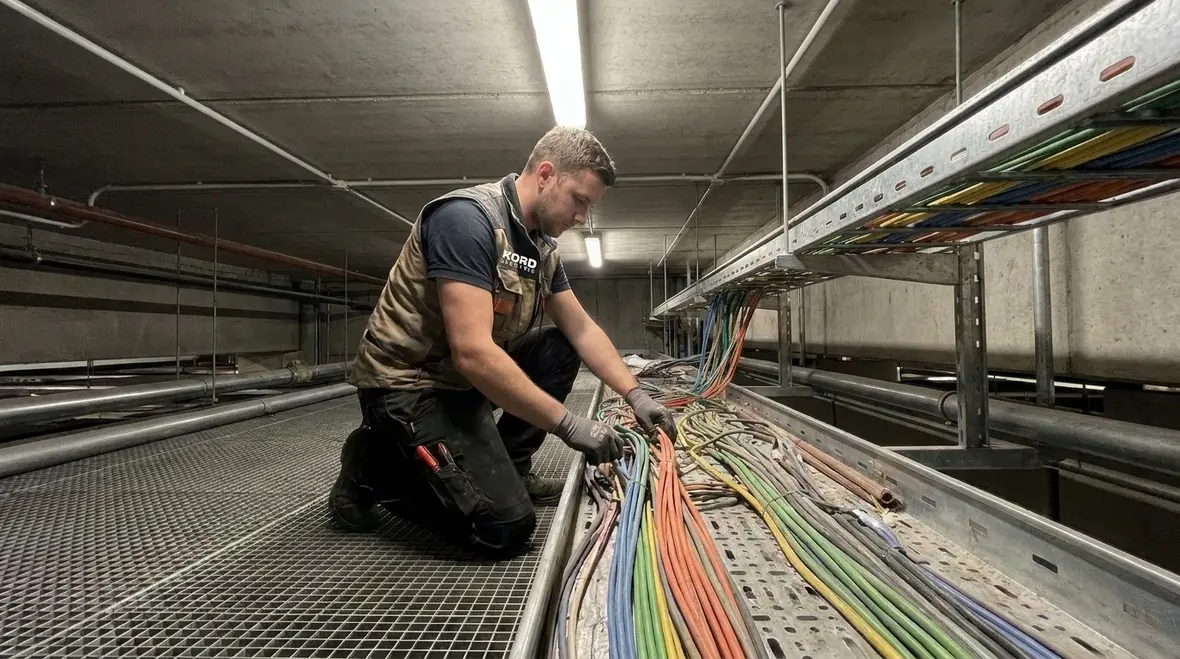
Common commercial and industrial failure points we prevent before they start
Many problems that delay projects do not come from the wind turbine itself. Instead, they show up in the connections between systems, and in how people install, label, and maintain the electrical network. For example, teams sometimes underestimate the importance of grounding and bonding consistency across building power domains. When that happens, faults can behave unpredictably. Then protection devices may not clear as intended, and inspections turn into long conversations.
Furthermore, we often see issues in equipment selection and placement. The system may use components that look correct on paper, but the physical environment demands stronger protection, better access, or different mounting approaches. Our technicians review these details early, so construction does not fight the site conditions.
In addition, cable management matters. Cable runs for turbines can share pathways with other building circuits, and poor separation can increase risk. Also, rushed labeling leads to misidentification. Then maintenance teams waste time tracing circuits, and sometimes they work near the wrong equipment. That is not just inconvenient, it raises safety concerns.
That is why Kord Electric supports commercial and industrial facilities with expert service staff that build a clear record: what was installed, where it was installed, and how it was verified. When a future project touches the system, the documentation helps others move fast without guessing.
Inspection readiness for multi property buildings and industrial sites
When a facility includes multiple buildings, shared infrastructure, or complex electrical rooms, inspection readiness becomes a strategy. It helps to stage information so reviewers can confirm compliance quickly. Therefore we help teams create a clean set of deliverables, including installation documentation and test results that match the design intent.
Our team also supports coordination across stakeholders. Designers need clarity. Contractors need workable details. Owners need a system that performs. Inspectors need evidence. To keep all those lanes open, our expert service staff explain what the inspection team typically looks for, then we align the field work with that expectation.
Moreover, we encourage teams to reference authoritative resources during planning. For additional context on how the National Electrical Code is explained for major systems, many teams use the guidance found at kordelectric.com and kordfire.com, including their NEC related articles. For a structured overview, some facility leaders review Understanding NFPA 70: The National Electrical Code Explained for 2026 to connect article-level rules with broader NEC direction. If your project includes fire and life safety coordination, teams may also align with how fire pumps and related systems get managed through resources like firepumps.org. And for broader coverage on code focused support, some owners explore information on kordfire.com.au. Our role stays focused on safe electrical execution in commercial and industrial environments.
Finally, we keep the tone direct. If something needs correction, we say it early. That reduces rework and keeps the schedule calm. Unlike a surprise party, rework rarely lands well.
Operation, maintenance, and long term safety after installation
Safe installation is only step one. After the system goes live, maintenance must support continued safe operation. Wind related electrical systems may face vibration, weather exposure, and long run duty cycles, so the construction approach must support access for inspection and service. Additionally, facility teams should maintain documentation so they can trace circuits and equipment accurately during future work.
At Kord Electric, our technicians emphasize maintenance routines that protect people and assets. They help owners set expectations for inspections, verify terminations, and monitor key electrical conditions. Also, they support coordinated maintenance with other site systems, so the wind turbine connections do not become a forgotten corner of the electrical room.
It helps to treat maintenance like a schedule, not a guess. When a facility tracks changes, updates, and findings, it keeps safety steady and reduces downtime surprises. As a result, the system’s performance stays predictable, and the next contractor who touches the equipment does not act like they are discovering it for the first time.
And yes, we sometimes hear, “We will get to it later.” Later is great for birthdays. Later is not great for electrical safety.
FAQ for NFPA 70 wind turbine construction and compliance
Schedule a compliance focused review with Kord Electric
If a wind turbine project touches a commercial or industrial facility, we help you reduce risk, clarify construction requirements, and prepare for inspections with confidence. Kord Electric brings technicians and expert service staff who translate code language into field ready steps, then verify the work stays consistent from install through maintenance. To move faster and keep safety steady, contact us today for a compliance focused electrical review and a practical plan your team can execute.
For facility leaders planning broader upgrades or multi-building work, our Los Angeles County electrical services team helps integrate NFPA 70 Section 694.7 wind turbine construction requirements with service equipment, distribution, and preventive maintenance strategies across your property portfolio.
When you are ready to align wind turbine construction, general NEC obligations, and day-to-day operational realities, Kord Electric connects the dots. We keep the focus on safe, dependable power that passes inspections today and supports your facility’s plans for tomorrow.


