NFPA 70 Section 694.12 Wind Turbine Circuit Sizing
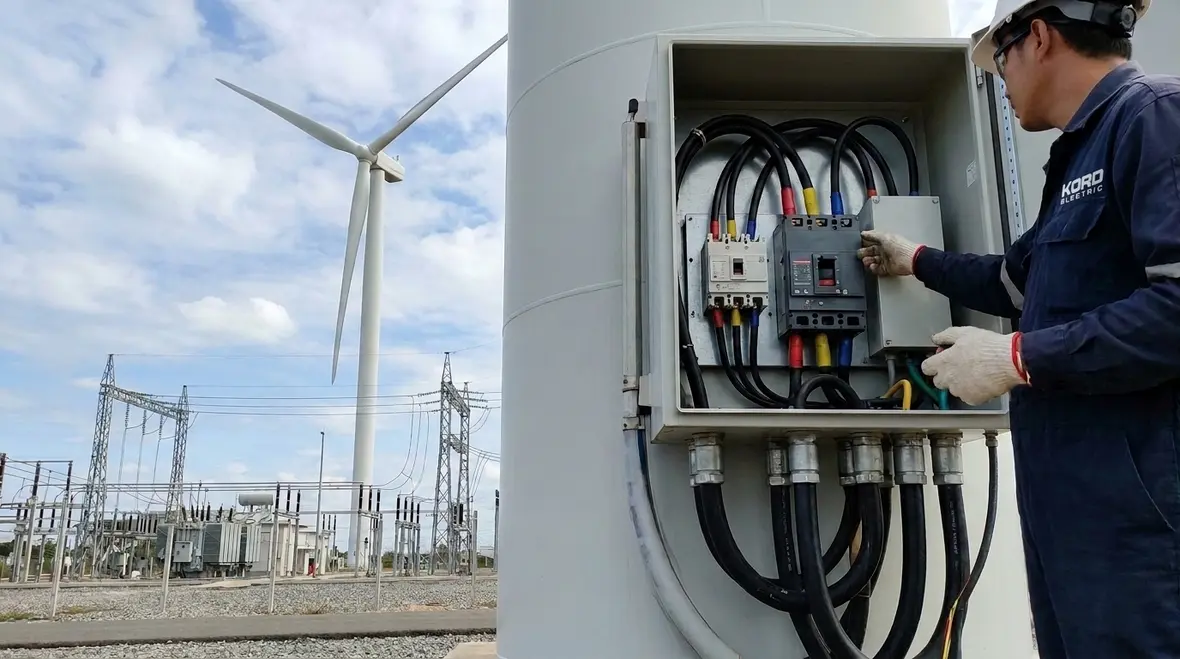
NFPA 70 Section 694.12 wind turbine circuit sizing sits at the heart of safe wind turbine electrical design, and we at Kord Electric treat it like the foundation it is. In the first place, we help teams size conductors, protect circuits, and coordinate system components so the whole setup can handle real wind, real load, and real surprises. After all, wind does not ask for permission before it pushes. In this guide, we walk through how the National Electrical Code approaches wind turbine circuits, what designers and facility managers should verify, and how our technicians explain each step in plain business language. And yes, we do it without turning your project into a sitcom.
Why NFPA 70 rules matter for wind turbine circuits
When a commercial or industrial facility adds wind generation, it adds electrical complexity too. So the National Electrical Code, commonly known as NFPA 70, becomes more than a book on a shelf. It becomes the roadmap for correct installation, safe operation, and proper protection against shock and fire.
In practical terms, we focus on three outcomes. First, we want the wind turbine circuit conductors to carry the expected current without overheating. Next, we ensure protective devices interrupt faults reliably. Finally, we verify that grounding and bonding keep fault currents controlled. Meanwhile, our expert service staff does not just recite code language. They explain how the rules show up in actual drawings, load schedules, and field installation details.
And if you are thinking, “We have electricians, why do we need a code review?” that is a fair question. However, code compliance is not about blame. It is about reducing risk. Think of it like maintenance checks for machinery. Nobody waits for the broken part to show up.
Where Section 694.12 fits into the NEC

NFPA 70 is organized so you can trace requirements by system type. Section 694 covers generators, and it is where wind energy systems get their own attention. NFPA 70 Section 694.12 wind turbine circuit sizing specifically addresses how circuit sizing should work for the wind turbine portion of the installation.
In other words, it guides how teams should determine conductor ampacity and circuit parameters so they match the turbine output and operating conditions. Consequently, designers and electrical contractors use these rules to avoid common mistakes such as undersized conductors, mismatched protective device ratings, and poor coordination that leaves faults lingering too long.
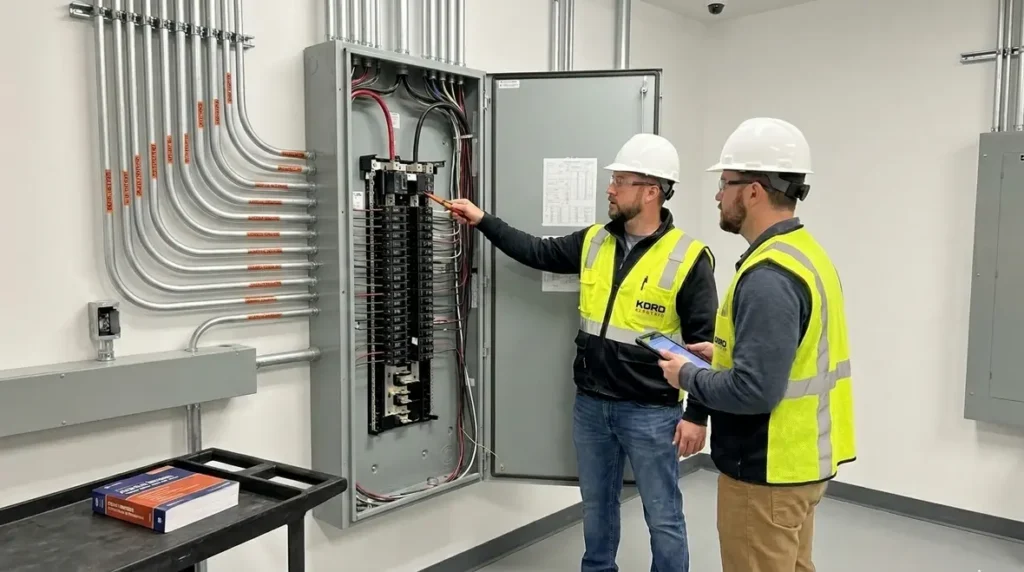
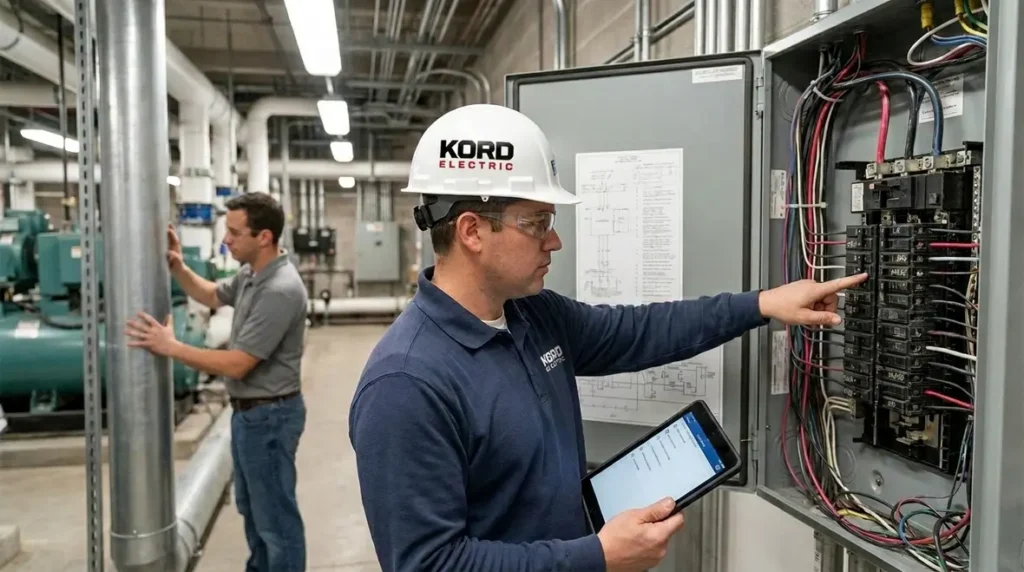
Our technicians often review three document sets in sequence. Drawings and one line diagrams come first. Next, load calculations and system schedules follow. Then, we verify equipment submittals so the installed components match the design intent. If the wind turbine data changed during procurement, we catch that gap early. After all, “close enough” works for coffee orders, not electrical systems.
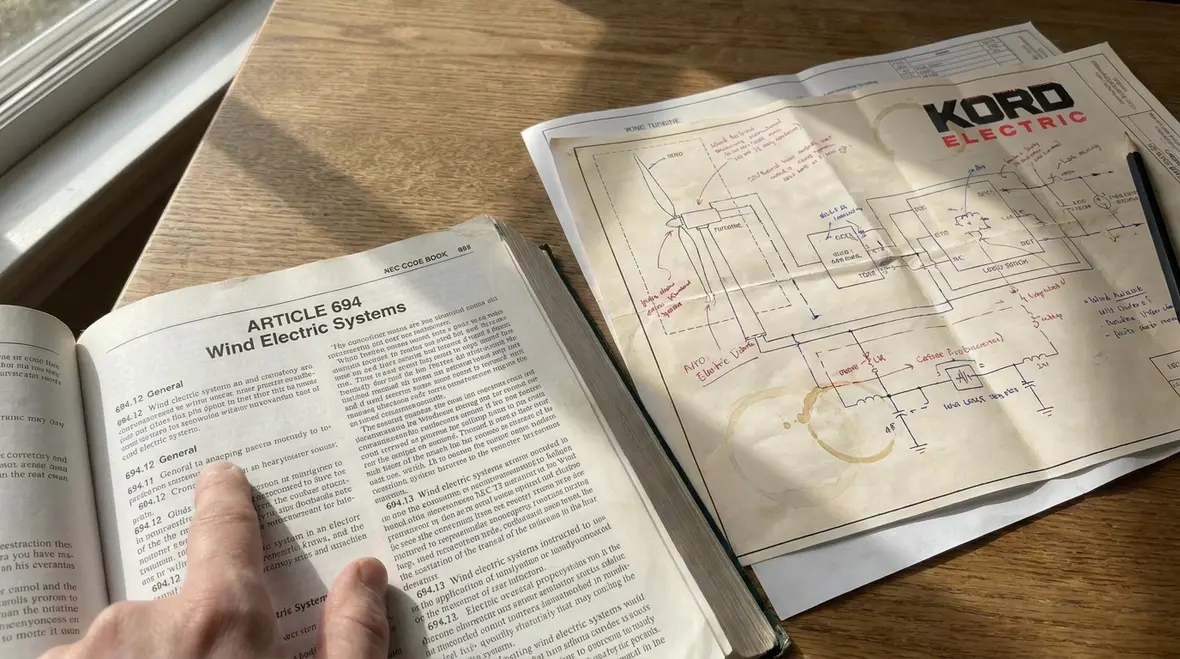
For facility teams that want a broader NEC orientation before drilling down into wind-specific rules, our Kord Electric resource Understanding NFPA 70: The National Electrical Code Explained for 2026 helps frame how the code works as a whole and how wind turbine requirements fit into that structure.
Conductors, ampacity, and protection: what we check on site
Even when the design starts strong, the field can introduce issues. Therefore, we focus on conductor selection, derating, termination quality, and protection coordination. Meanwhile, our expert service staff explains each verification point so facility teams understand why it matters and what changes if it does not.
Here is the workflow we use for commercial and industrial sites:
Confirm turbine output data so circuit sizing reflects the nameplate values and the operating modes the design expects.
Size conductors using NFPA 70 Section 694.12 wind turbine circuit sizing concepts, including the right basis for ampacity and circuit current expectations.
Apply correct conductor adjustments for temperature ratings and installation conditions so the conductors operate within safe limits.
Coordinate protective devices including breakers, fuses, and any disconnecting means so overcurrent protection acts fast enough during faults.
Verify terminations and splices because loose connections can fail quietly and then fail loudly.
Just to keep it real, we also check labeling, routing, and separation. Poor routing can increase heat buildup, and bad separation can create nuisance issues or real hazards. And yes, we have seen “temporary” routing become a permanent problem. Our staff calls it the electrical version of leaving a fridge door open and wondering why the ice melted.
Step-by-step: sizing a wind turbine circuit with less guesswork
Design teams want speed, but the safest projects move with discipline. So we recommend a clear step path that ties design inputs to field outcomes. Below, we outline a practical approach aligned with NFPA 70 requirements and the intent behind wind turbine rules.
Step 1: Capture the correct electrical parameters from the wind turbine and associated equipment documentation, including expected current levels for relevant modes.
Step 2: Determine circuit current for sizing using the NEC guidance for generator circuits, then translate that into conductor ampacity requirements.
Step 3: Select conductors and insulation ratings that can handle the environment, including ambient temperature and installation method.
Step 4: Ensure terminations match conductor size so you do not create a weak point at the endpoint.
Step 5: Choose overcurrent protection that aligns with NEC rules for generator and wind system circuits, then verify coordination.
Step 6: Confirm grounding and bonding practices so fault current paths stay controlled and predictable.
Then, we validate the design with field context. For example, if a facility installs cable runs that exceed what the design assumed, we re-check whether derating or voltage drop considerations change practical outcomes. Consequently, the project avoids last minute redesigns that can feel like trying to assemble furniture without the instructions, except the furniture is safety-critical.
Common issues we see in commercial and industrial projects
Wind turbine integration can succeed smoothly, and it can fail in predictable ways. So we list the issues our technicians and expert service staff most often encounter at commercial and industrial facilities and major property buildings.
Using generic conductor sizing habits instead of applying wind turbine specific requirements and operating current expectations.
Protective device mismatches where the breaker or fuse selection does not align with the circuit sizing basis.
Relying on outdated turbine documentation after procurement changes, firmware updates, or revised model ratings.
Overlooking installation environment effects such as high ambient temperatures in mechanical rooms or cable trays.
Neglecting commissioning checks like continuity, insulation resistance testing, and functional verification of protection.
As a result, facilities sometimes experience nuisance trips, overheating alarms, or complicated troubleshooting later. However, when teams follow the NEC approach and then confirm details in the field, problems reduce sharply. In the same way that good fire protection planning works better than reacting after damage, good electrical compliance prevents the “we’ll fix it later” mindset.
For broader context on how NEC guidance connects to fire safety and electrical systems, we also reference insights from our affiliated fire-focused teams at Kord Fire and resources like fire-focused NFPA 70 explainers, because electrical safety and life safety planning do not live in separate worlds.
How we support compliance and smooth installation

Kord Electric serves commercial and industrial facilities and major property buildings. That focus shapes how we operate: we plan like we have to maintain real schedules, real uptime expectations, and real inspection timelines. Therefore, our team helps from early review through final verification.
Here is how our process typically looks:
Design and submittal review where we verify that wind turbine circuits align with NFPA 70 requirements and the intent behind wind turbine circuit sizing rules.
Coordination with stakeholders including facilities, engineering teams, and contractors to keep field work aligned with the approved design.
Field verification that confirms conduit and cable routing, termination quality, labeling, and protective device installation.
Commissioning support so tests match the design and protection behaves as intended.
Our technicians explain the “why” as they go. If something needs adjustment, we show options and impacts, not just warnings. And yes, we keep the tone professional and business friendly. We want your stakeholders to feel informed, not intimidated. Like a good coach, we help your team play the game correctly the first time.
Because wind turbine projects rarely stand alone, we also align wind generation work with broader facility planning. For example, if your project touches service upgrades, specialized grounding, or panel and feeder changes elsewhere in the building, our team pairs wind circuit sizing with whole-facility guidance from resources like our NEC fundamentals and planning articles so the entire electrical system moves in one compliant direction.
For property teams operating across Los Angeles County, this often means integrating wind turbine work with upgrades handled under our broader Los Angeles County electrical services, keeping distribution, protection, and renewable additions coordinated under one service umbrella.
Frequently asked questions about NFPA 70 wind turbine circuit sizing
FAQ: quick answers for featured snippets
Is wind turbine circuit sizing required by NEC? Yes. NFPA 70 includes specific rules for wind energy systems, including circuit sizing guidance in Section 694.
What should we verify first during design review? Verify turbine electrical data and how it translates into circuit current for conductor sizing.
What should facility teams ask during commissioning? Ask how insulation testing, continuity checks, and protection operation validate the design intent.
Where do we get the correct turbine values? Use the turbine manufacturer documentation and confirm it against the purchased equipment model.
Get a code-aligned wind turbine circuit review with Kord Electric
If you operate a commercial or industrial site and you plan to add or upgrade wind generation, we recommend a focused electrical compliance review early. Kord Electric brings experienced technicians and expert service staff to verify conductor sizing, protective device coordination, and installation details tied to NFPA 70 Section 694.12 wind turbine circuit sizing. We help you avoid rework, reduce safety risk, and move inspections with confidence. Contact us today to schedule a review and keep your project calm, controlled, and ready for real wind.
For owners and facility leaders who want to connect wind turbine work with a broader NEC strategy, pairing this kind of targeted circuit review with higher level resources like our National Electrical Code explainers and Los Angeles County service coverage helps keep long-term upgrades organized instead of piecemeal. That way, every future modification or expansion still lines up with the same grounded, code-aligned approach.