NEC Section 694.15 Wind Turbine Overcurrent Protection Guide
When you design and protect wind power circuits, start with NEC Section 694.15 wind turbine overcurrent protection
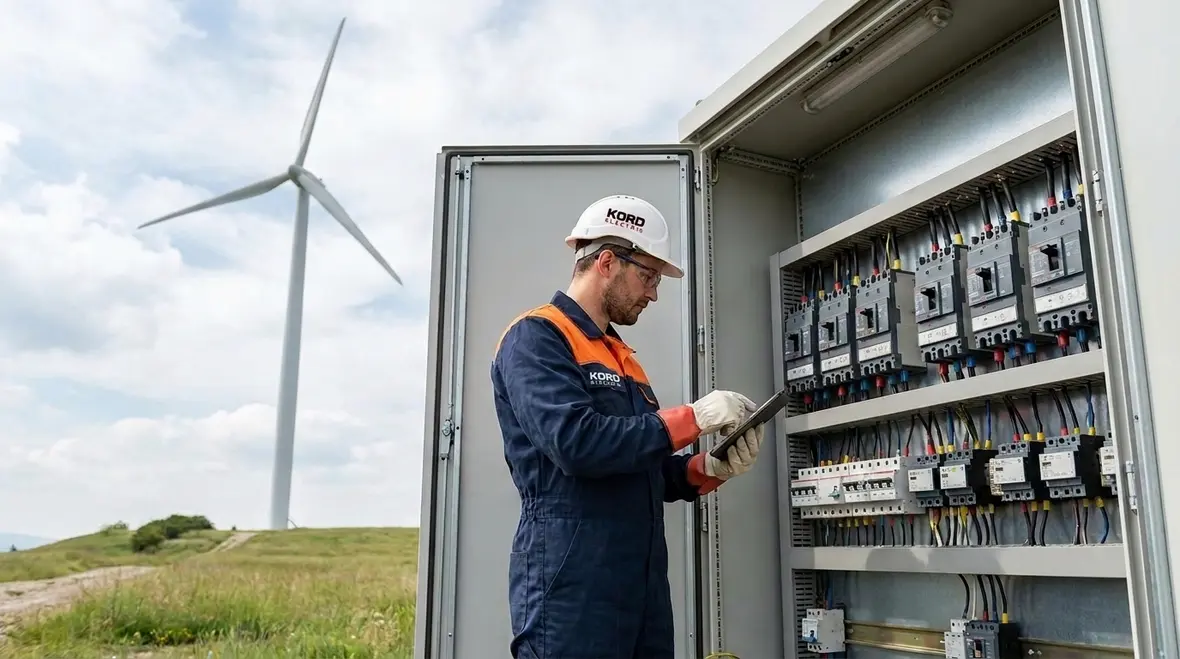
In the real world, wind systems do not politely wait for perfect conditions. They swing, they start, they stop, and they carry current when the weather decides to get dramatic. That is why NEC Section 694.15 wind turbine overcurrent protection matters early, not late, in the job cycle. For commercial and industrial facilities, and major property buildings, we treat this topic like a foundation, not a footnote. Our Kord Electric technicians and expert service staff explain it the same way every time: the code aims to stop fires, control faults, and keep equipment working long enough to justify the investment.
As we walk through the National Electrical Code concepts tied to this area, we also keep it practical. If you have ever seen a breaker trip during a routine test, then you already know the vibe. And yes, we have a sense of humor about it, because electrical work does not need to be humorless to be serious.
How the NEC shapes safe overcurrent protection for turbines
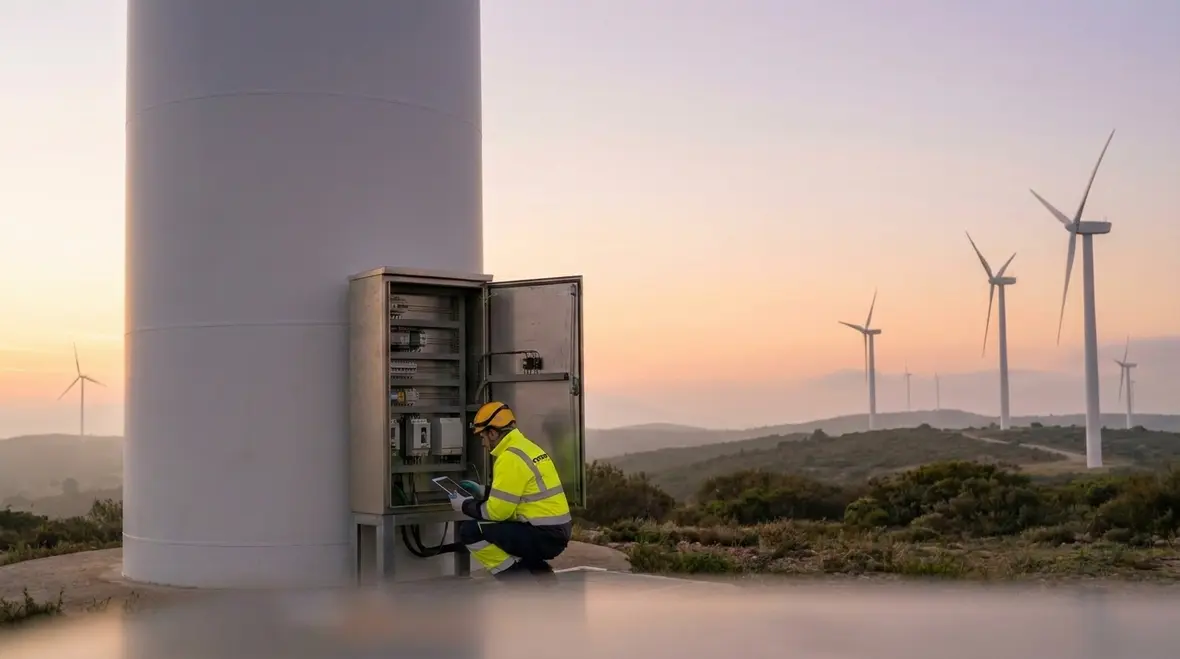
The National Electrical Code does not just list rules. It explains how electrical systems behave in fault conditions and how protection should respond. In Section 694, the NEC focuses on wind energy systems, and it uses a clear goal: limit damage from abnormal current and reduce the chance that a failure turns into an incident.
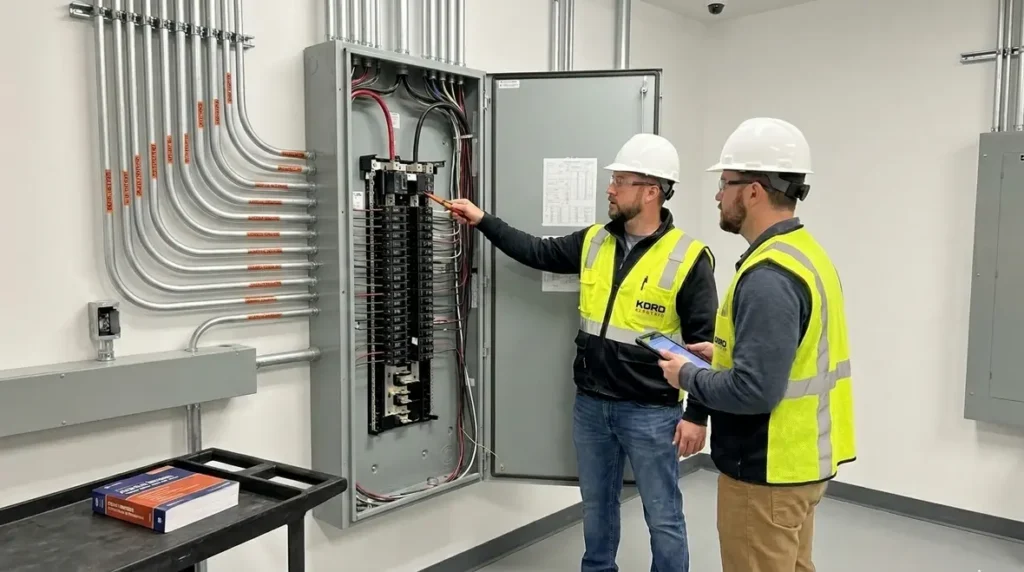
First, we look at the electrical path from the wind turbine generation side to the point where the system connects to the rest of your facility. Then we compare that path to the protection devices that can interrupt fault current safely. Finally, we confirm the system keeps working after faults within design limits. Our technicians do not treat these steps as paperwork. They treat them as risk control.
Meanwhile, our expert service staff explains a common misunderstanding we often hear from facility teams: “Overcurrent protection means we only need a breaker.” It does not. Devices need correct ratings, correct coordination, correct installation methods, and correct settings. Otherwise, your system can protect the wrong part of the circuit, or it can protect it at the wrong time. And if that timing is off, your downtime becomes a business cost. Nobody smiles at that spreadsheet.
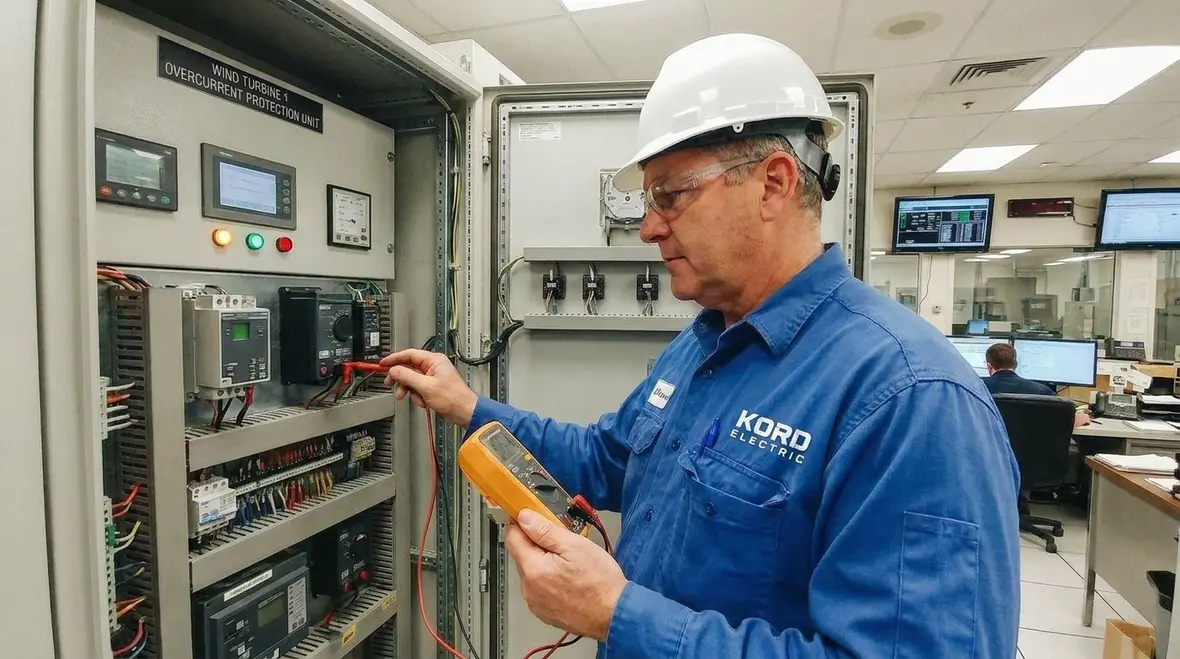
NEC requirements in practice: sizing, ratings, and coordination
Once we anchor the project to NEC Section 694.15 wind turbine overcurrent protection, we shift to how designers and electricians apply it in the field. This means selecting devices that can handle normal operating current, but also interrupt fault current without failure. We focus on three things: device ratings, interrupting capacity, and coordination between devices.
Device ratings matter because the protection equipment must match the circuit’s design. For example, we ensure the overcurrent device works with the conductor ampacity and any system limitations. Interrupting capacity matters because, during a fault, the available fault current can be higher than expected. If the device cannot safely clear that energy, the code’s intent breaks down.
Coordination matters because many systems include multiple protective levels. A properly coordinated system clears faults quickly and locally. That reduces stress on equipment and keeps unaffected loads running. Our team at Kord Electric supports commercial and industrial facilities and major property buildings, so we build coordination plans that match real uptime targets. We also document the logic so later teams do not have to guess.
Additionally, we consider how the turbine system interacts with facility power. Then we check whether the overcurrent protection strategy needs to work with switchgear, distribution panels, and any inverters or converters. In practice, coordination failures often show up during commissioning, not during the first sales meeting. We prefer to catch them earlier, when corrective action is cheaper and less disruptive.
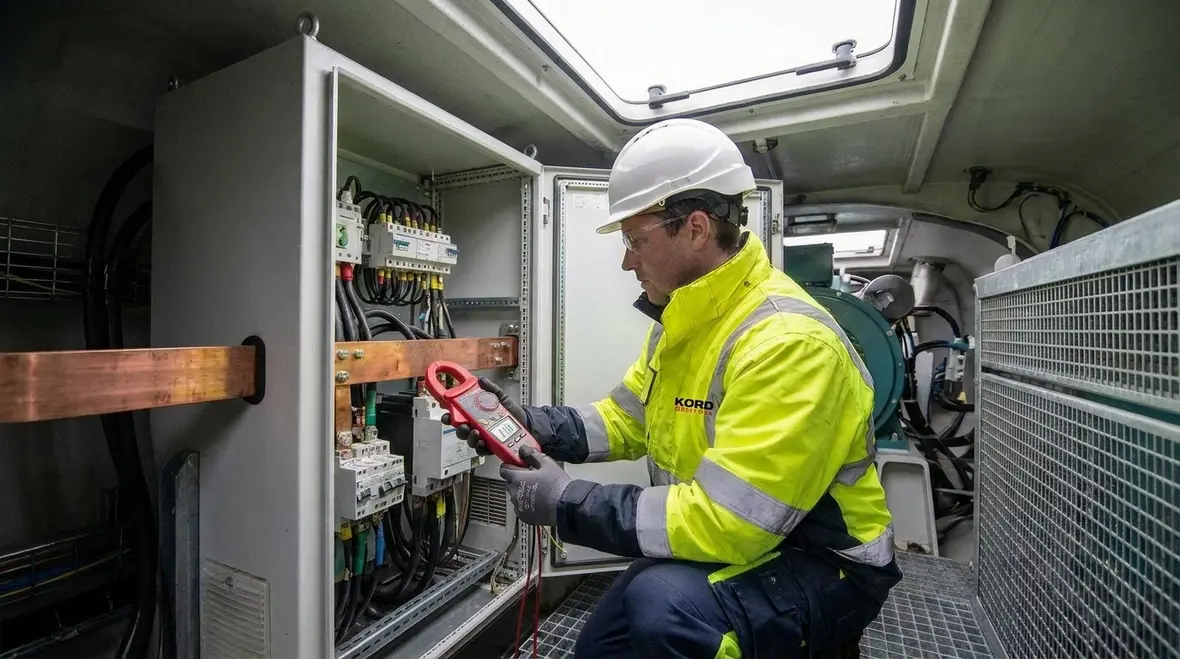
Fault current behavior and why “close enough” fails in the field
Faults create high current in short periods. Therefore, protection must react fast and correctly. If a protective device gets the wrong current profile, it can clear too early, or it can clear too late. Either outcome causes problems, and one of them is predictable: nuisance trips or stressed equipment.
To understand this, we ask a simple question: what current will be available during the fault, and what current will the device see? Then we compare that to device curves, trip characteristics, and any system impedance assumptions used in design. We also account for how the turbine and power conversion equipment behave under abnormal conditions.
Our technicians and expert service staff explain the “close enough” trap in plain terms. If someone designs a system with a conservative assumption but installs components that change the electrical path, the available fault current can shift. And when it shifts, your coordination study may no longer match reality. That mismatch is like writing a contract and then swapping the names on page one. It looks similar until you need it to hold up.
At Kord Electric, we also align these electrical protection needs with field constraints. Then we help facility teams plan for commissioning tests that validate performance. We aim to ensure the protection responds the way the design says it should.
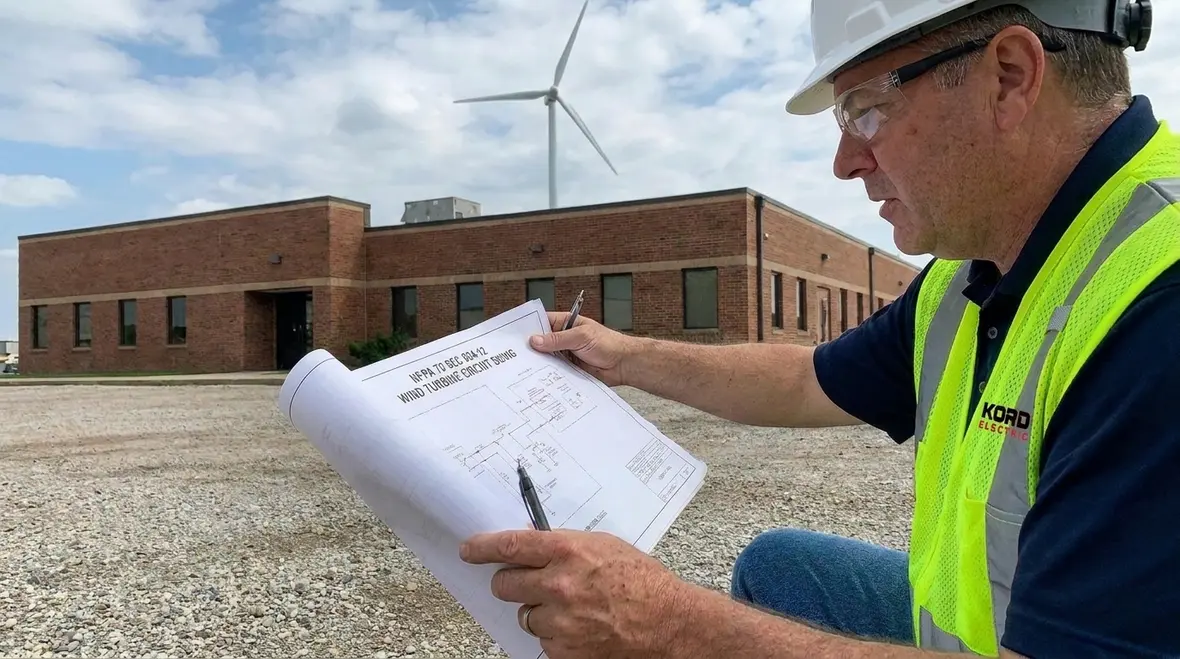
Standards, resources, and how we keep teams aligned
Electrical compliance does not live in one document. It lives in how your team reads, interprets, and applies requirements over time. That is why we use trusted references when we train and assist our customers. For wind and related power systems, we rely on the NEC guidance available through resources like our Kord Electric blog on Understanding NFPA 70, the National Electrical Code Explained for 2026, along with practical fire protection context from wind and fire protection experts. We treat these as support tools, not replacements for engineering work.
Then, we translate the standards into something people can actually use. Our expert service staff walks your stakeholders through what matters for commercial and industrial sites. That includes how to verify device ratings, how to confirm conductor and connection integrity, and how to document settings and coordination results for ongoing maintenance.
When we discuss NFPA and NEC alignment with facility risk, we keep the tone calm and direct. Nobody needs a lecture. They need clarity. So we explain how the code goal ties to real outcomes: fewer fault failures, safer equipment operation, and reduced fire risk due to proper interruption and installation.
For facilities planning broader upgrades, we often connect this wind-focused work with topics like data-driven electrical design, electrical safety planning, and surge protection. These supporting strategies help wind systems integrate seamlessly with overall site reliability.
Overcurrent protection plus commissioning checks for lasting performance
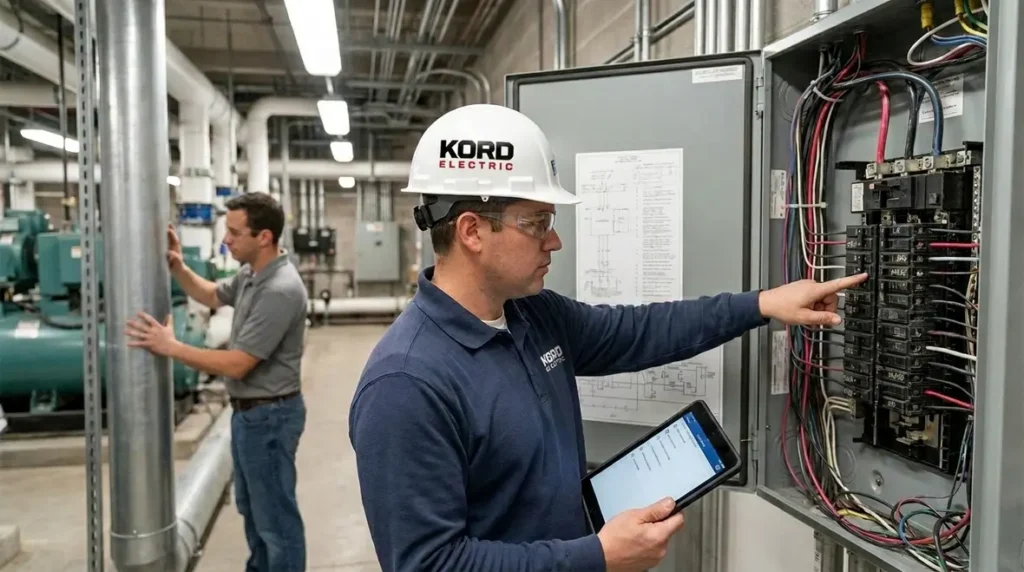
Even strong designs can fail with weak execution. Therefore, we focus on commissioning and verification as a core step, especially for major property buildings and commercial and industrial facilities. After installation, we confirm settings and performance. Then we check that devices meet nameplate ratings and that installation methods match the design.
We also verify that protection works under test conditions, while respecting safety procedures and facility operations. Commissioning should not feel like a surprise party where the guests trip breakers. It should feel like a controlled test that proves the system acts correctly.
In the final mile, we support maintenance readiness. That means we help facility operators understand what to look for after events such as transient disturbances, upgrades, or component changes. Then we guide how to keep documentation current. If someone replaces a device later, we want your records to track it.
NEC intent for wind systems
- Break fault current safely and limit damage.
- Reduce spread of faults and protect equipment levels.
- Support safe operation across normal and abnormal conditions.
What we verify on commercial sites
- Device interrupting rating, correct sizing, and correct installation.
- Coordination across upstream and downstream devices.
- Commissioning tests, documented settings, and maintenance readiness.
Common mistakes we see, and how to avoid them
We have worked enough projects to recognize repeat patterns. And yes, some of these mistakes appear even when teams mean well. First, some designs select overcurrent devices without fully matching the system fault levels. Next, teams sometimes overlook coordination between protective devices. Then, they may assume installation practices do not change electrical performance, which is rarely true.
Another mistake involves documentation. If your maintenance team cannot quickly identify the device settings and coordination basis, troubleshooting becomes slow and risky. That is a business issue, not just a technical one. For commercial and industrial facilities, speed matters because downtime costs money and can affect tenants, production, and schedules.
Finally, we see delayed testing. Teams sometimes postpone commissioning checks until after handover. That approach turns small issues into larger ones because corrective actions disrupt operations. Our Kord Electric approach keeps testing as a plan, not an afterthought.
Our expert service staff also emphasizes training. When operators understand the purpose of NEC Section 694.15 wind turbine overcurrent protection and the practical meaning of ratings, trip behavior, and coordination, they make better decisions during maintenance events. And that prevents the classic “we do not know what it does, but it is been there for years” problem.
FAQ: NEC Section 694.15 wind turbine overcurrent protection
Conclusion: Let Kord Electric help you protect wind systems the right way
At Kord Electric, we serve commercial and industrial facilities and major property buildings that need reliability, safety, and clear compliance. We help your team apply the NEC rules that support NEC Section 694.15 wind turbine overcurrent protection, then we confirm performance through coordination and commissioning checks. If you are planning a new wind installation or improving an existing system, contact us for an expert review. We will explain your options in plain language, and we will help you avoid the kind of electrical surprises that ruin a week and a budget.
For sites across Southern California, our Los Angeles County electrical services team provides the field experience and design support needed to integrate wind systems with panels, emergency power, and everyday loads without sacrificing uptime or safety.