
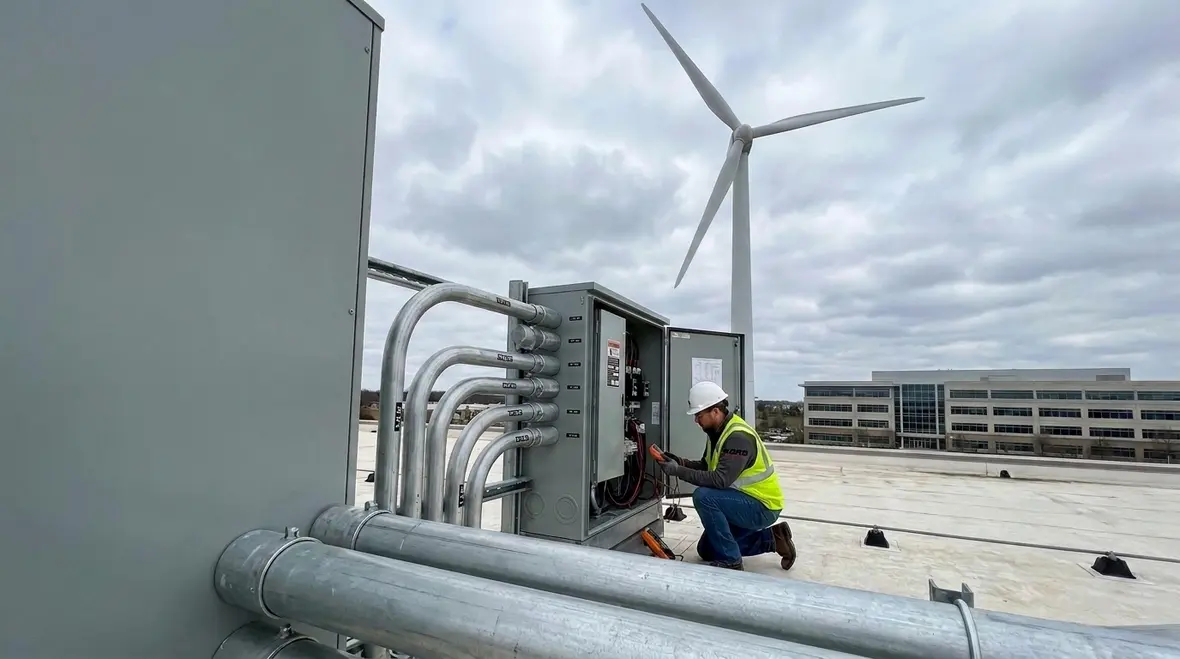
NFPA 70 Section 694.12 Wind Turbine Circuit Sizing
In this guide, we focus on NFPA 70 Section 694.12 wind turbine circuit sizing because it shapes how we design and install electrical systems for wind generation connected to buildings and facilities. Early on, we help you connect the dots for planning, permitting, and safe operation, especially for commercial and industrial sites and major property buildings. Within the first steps, our technicians review how the code treats wind turbine sources, how circuit conductors carry current, and how protection devices match the load, because guessing here is how people end up calling us again, and nobody likes paying for the same lesson twice.
Next, we explain how the NEC approach works in real life, what documentation and testing usually matter, and how Kord Electric coordinates expert service staff to make code requirements feel clear instead of scary. And yes, we will keep it calm, direct, and practical, like a soothing voice that still tells you the truth.
NEC basics for wind turbine feeders and why the details matter
The NEC, published as NFPA 70, sets minimum rules for safe electrical installation. Therefore, when a wind turbine system ties into a facility’s electrical network, we treat it like a real power source, not a gadget in the corner. In addition, the code looks at how circuits get sized, how current flows during normal use, and how protective devices respond during faults.
For commercial and industrial facilities, the stakes are higher because systems run longer hours and serve bigger loads. Meanwhile, major property buildings often integrate multiple power paths, standby systems, and monitoring equipment. As a result, wind turbine circuit sizing must coordinate with those realities, not fight them.
Our expert service staff explains the process step by step. They start with the turbine output and the intended connection point, then they connect that to conductor sizing rules and protective device selection. When we do this properly, the end result is a system that operates reliably and stays within code expectations. When we do it poorly, the end result is the electrical equivalent of a sitcom plot twist nobody asked for.
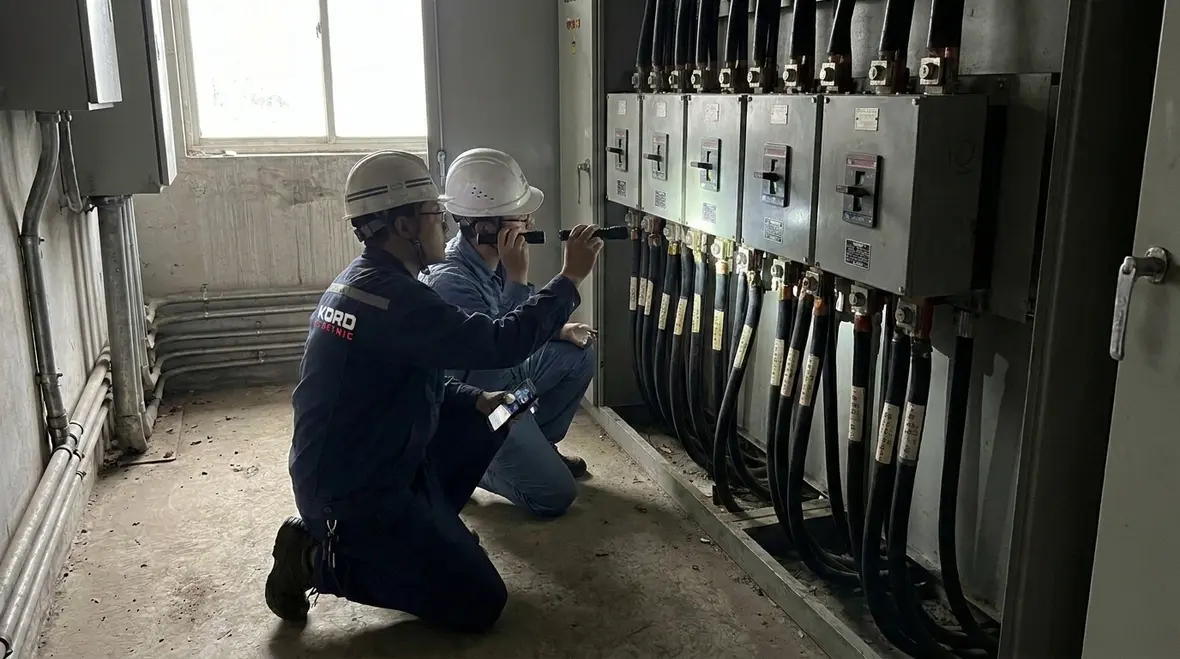
If you want a broader code foundation before diving into wind-specific rules, Kord Electric also maintains resources like Understanding NFPA 70: The National Electrical Code Explained for 2026, which helps facility teams connect NEC requirements to real-world design and upgrade decisions across commercial and industrial buildings.
How Section 694.12 wind turbine circuit sizing works in practice
Section 694.12 addresses how we size turbine circuits so the wiring system can carry current safely under defined conditions. We use the section to determine appropriate conductor ampacity and to select overcurrent protection in a way that aligns with the turbine’s electrical output and the system design. Then we verify that the installation method and ambient conditions do not push conductors beyond safe limits.
Because circuit sizing ties directly to safety, we avoid shortcuts. Instead, our technicians use documented design values, consistent calculation steps, and clear labeling. Also, we confirm that the circuit routing and termination details support the conductor ratings. This part matters more than many people expect; a correct number on paper can still fail if the field work ignores temperature, derating, or mechanical protection.
To keep things easy to understand, we translate the code into a simple flow: identify turbine electrical parameters, map how the turbine connects, size conductors to meet NEC requirements, then coordinate breakers or fuses so they protect the circuit. Finally, we validate everything with testing and commissioning steps before the system enters day to day service.
Design coordination for commercial and industrial power systems
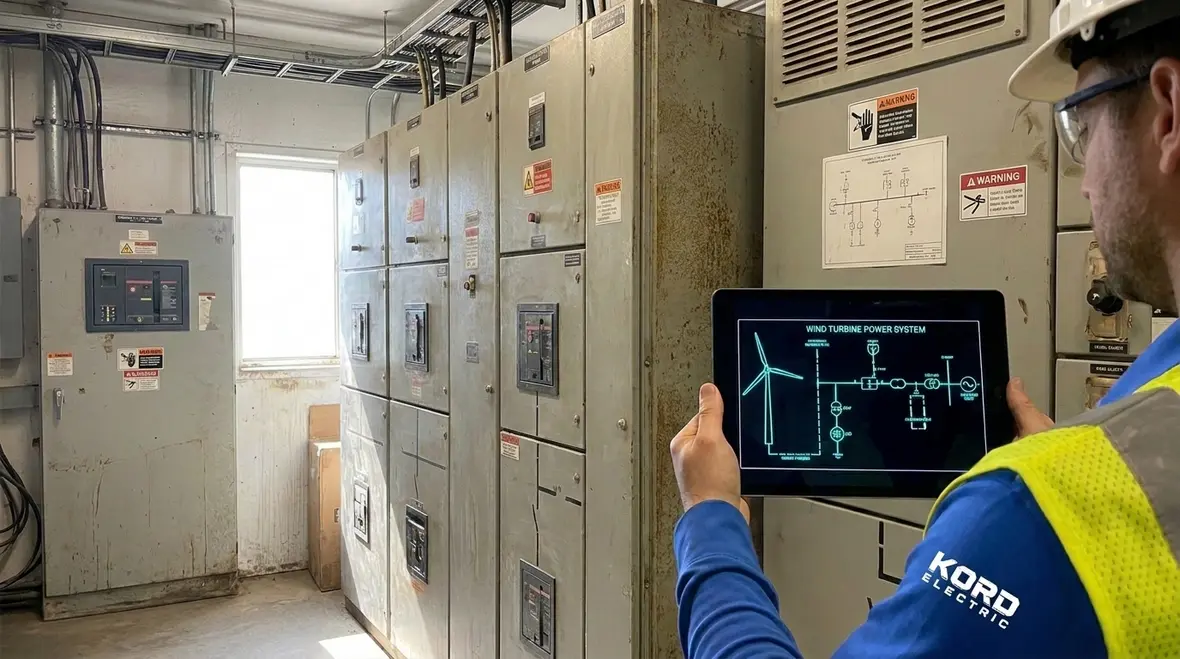
Wind turbine circuits rarely exist alone. Consequently, we coordinate them with the facility electrical one line, grounding and bonding strategy, surge protection, and load management. In commercial and industrial buildings, power often passes through switchgear, distribution panels, and potentially critical loads served by separate branches. So, the turbine connection must fit into that architecture.
Our team focuses on practical integration points that reduce risk during operations. For example, we confirm where the turbine output lands, how it interacts with utility power, and what happens during abnormal conditions. We also check that labels and documentation support maintenance and future modifications. That way, when your operations team needs answers, they do not have to play “where is that spreadsheet?” like it is a scavenger hunt.
To support real field needs, Kord Electric works with expert service staff to explain what the installation must achieve, not just what the code says. We show stakeholders why specific decisions affect safety margins, how protective devices coordinate, and what inspection items inspectors often look for. Then, we align the work schedule so electrical systems stay available for business operations.
Overcurrent protection, conductor ratings, and field installation checks
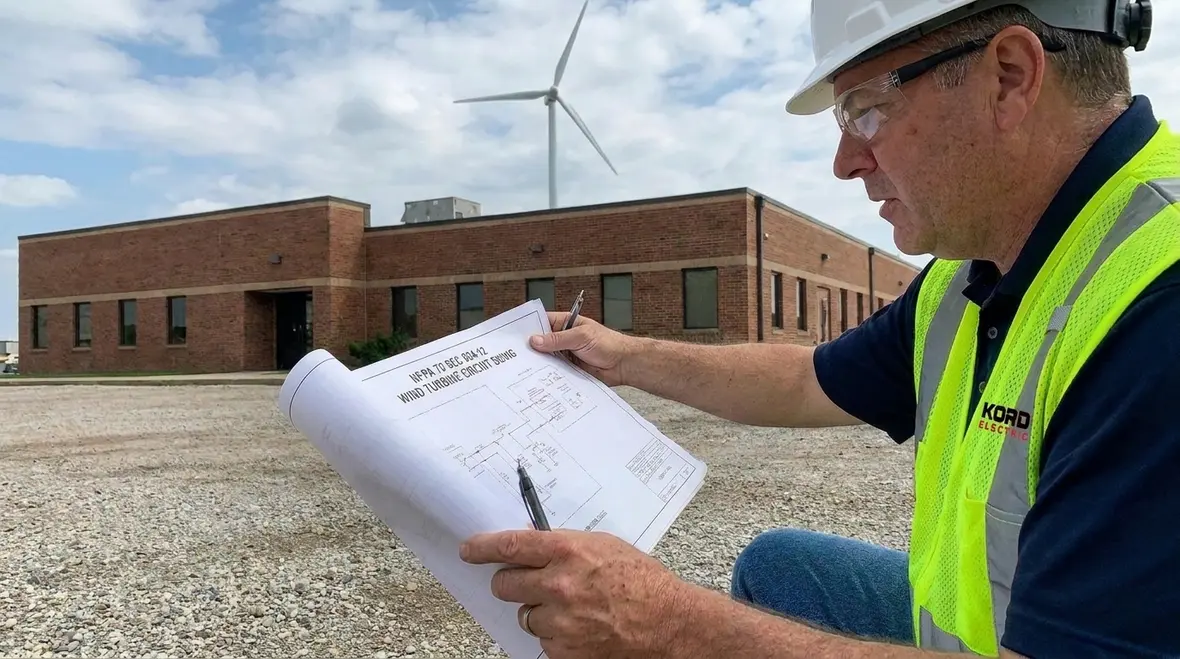
Once we establish the design values under NFPA 70 Section 694.12 wind turbine circuit sizing, we move into the protection and construction details that decide whether the design holds up. Overcurrent protection must match the circuit conductors and the expected fault behavior. Additionally, we verify conductor ratings based on insulation type and installation conditions.
Our technicians then review the field variables that often get overlooked: conduit fill, ambient temperature, derating factors, and termination torque. Moreover, we ensure that conductor routing protects against physical damage, and we confirm that connections meet quality standards. In a commercial or industrial facility, downtime costs money. So, we aim to prevent rework before it begins.
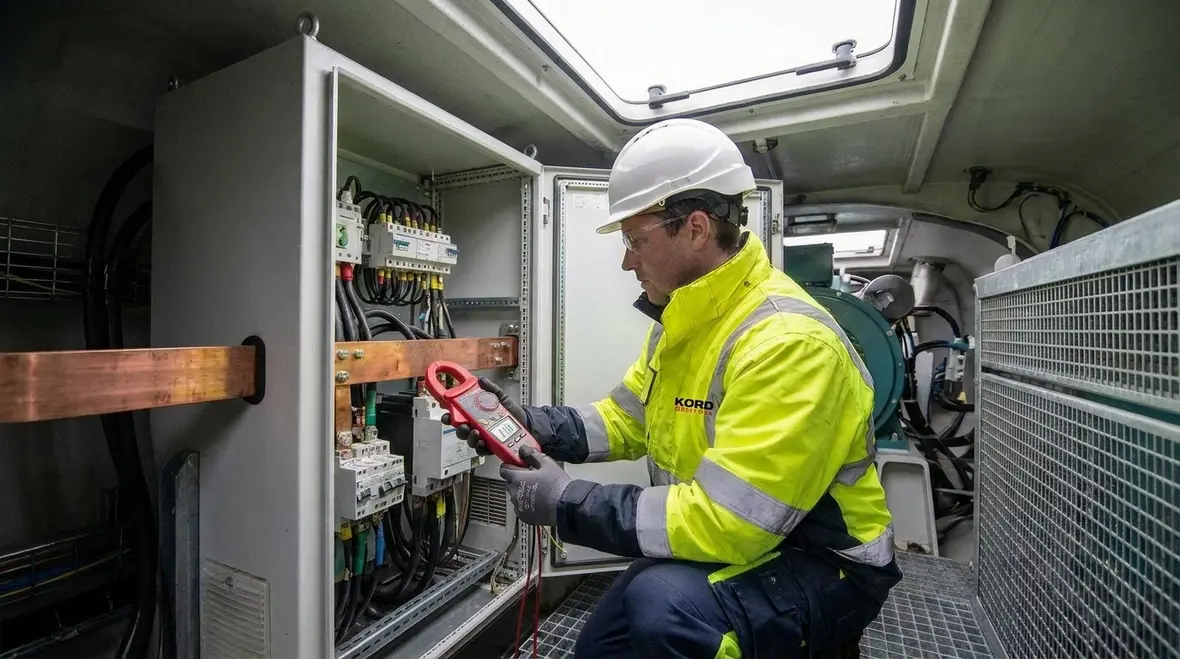
We also emphasize commissioning steps after installation. Even a well designed system needs testing that confirms wiring continuity, proper polarity, insulation resistance where required, and functional checks on protection equipment. When we complete this phase, we provide documentation that helps facility teams plan maintenance and respond quickly if alarms or events occur.
Planning, permitting, and documentation for major property buildings
For large projects, code compliance depends on more than calculations. Therefore, we plan for permitting, inspections, and clear project records. Our expert service staff helps teams prepare design notes, wiring details, and inspection checklists that support authority having jurisdiction reviews. In many cases, this documentation reduces back and forth, which keeps the project moving instead of stuck in a waiting room full of “we will need one more thing.”
We also coordinate with other trades and systems that touch the same electrical spaces. That matters because wind turbine equipment interacts with mechanical and civil work, including grounding points and equipment placement. When coordination is weak, crews can end up opening walls twice, which is never fun and almost never cheap.
In major property buildings, we also consider future expansion. If the facility might add load, modify panels, or increase generation support later, we document the design assumptions now. Then, we help your team understand what must be true for future changes to remain safe and code aligned.
As a reminder, we serve commercial and industrial facilities and major property buildings. We do not target small residential work, because those projects do not fit the same planning, risk, and coordination model.
Common pitfalls we help teams avoid
Even careful teams can stumble when wind generation gets introduced into an existing electrical environment. Here are the pitfalls we see most, and how we prevent them.
- Using generic conductor assumptions: We size based on the actual turbine parameters and installation conditions instead of broad guesses.
- Skipping protection coordination: We match overcurrent devices to the conductor ratings and design goals so faults clear safely.
- Ignoring field temperature and derating: We account for ambient conditions and installation method before final sizing decisions.
- Under preparing documentation: We provide records that support inspections and future maintenance.
- Overlooking integration with the facility power path: We coordinate the turbine connection with switchgear, distribution, and critical circuits.
And yes, one more quick joke, because people deserve relief. The most common mistake is treating code like a menu. “I’ll just pick the part I like.” Unfortunately, electrical safety does not work that way. The system must comply as a whole.
FAQ
Conclusion: let our team handle the code, the integration, and the clean handoff
Wind turbine electrical work demands precision, coordination, and documentation that holds up during inspections and day to day operations. At Kord Electric, we help commercial and industrial facilities and major property buildings meet NEC expectations with calm, expert service staff guidance and careful technician execution. If you are planning a turbine connection or upgrading an existing electrical path, contact us now. We will review your design approach, explain the key requirements like NFPA 70 Section 694.12 wind turbine circuit sizing, and build a plan that keeps your project moving forward.
For facility teams in Southern California who want a partner familiar with regional requirements, our Los Angeles County electrical services offering connects this NEC-driven approach to real commercial and industrial projects, from wind generation tie-ins to broader power distribution upgrades.


