NEC Section 694.10 Wind Turbine Maximum Voltage Protection
How NEC Section 694.10 wind turbine maximum voltage protects your projects
In commercial and industrial work, we do not guess. We plan, we verify, and we document. That is why the NEC Section 694.10 wind turbine maximum voltage matters in the real world, especially when a wind system feeds a building or ties into facility electrical gear. Early in design, we confirm the wind turbine maximum voltage so equipment ratings, wiring methods, and overcurrent protection all line up. Then we reduce risk before it turns into a late night phone call. And yes, nobody enjoys late night calls, unless it is a movie montage. Now, let us walk through how the National Electrical Code handles wind turbine systems, what to check, and how we at Kord Electric help teams follow the rules with calm, expert service.
NEC 694 overview for facility engineers
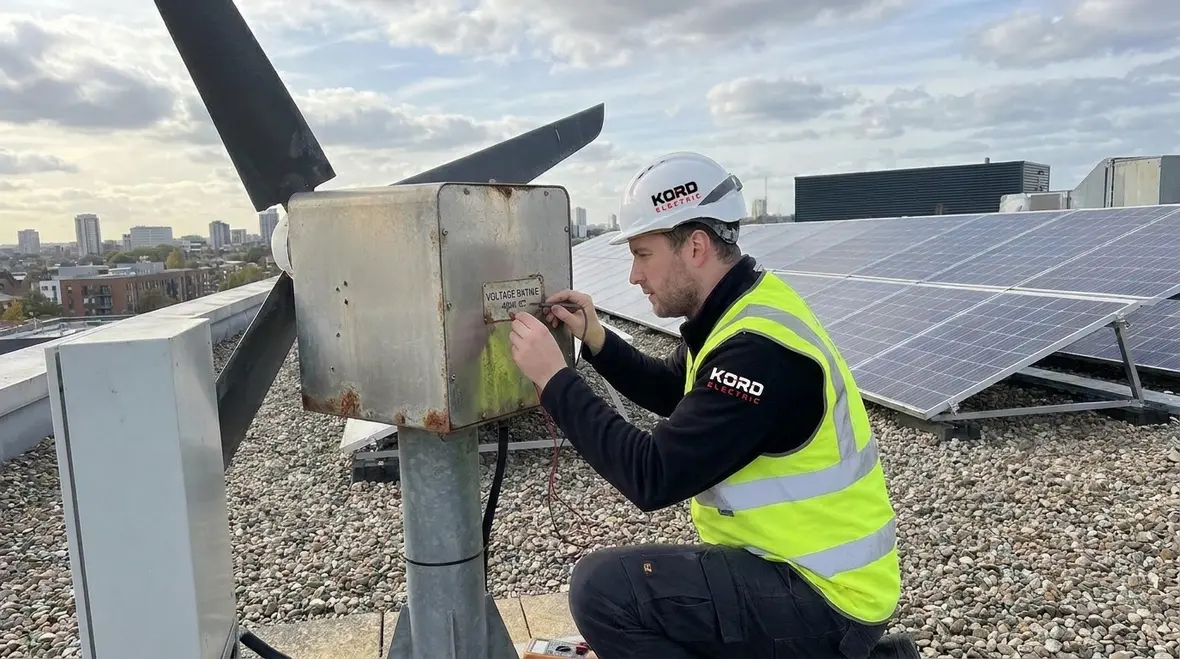
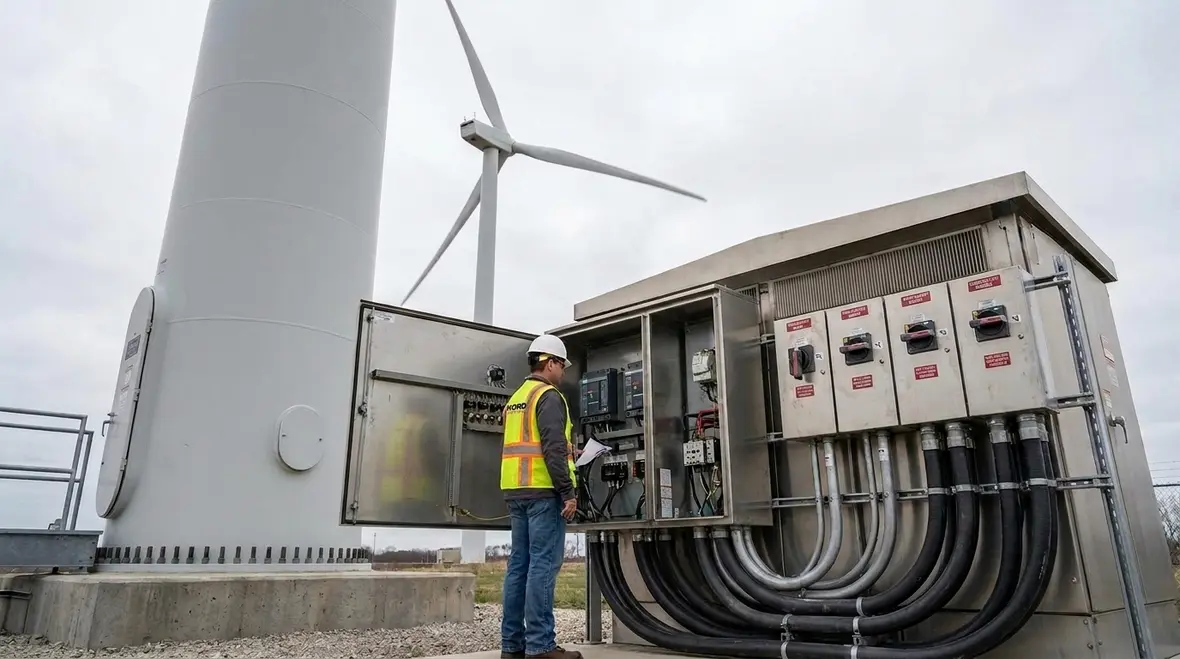
When a facility owner or engineer asks, “What does NEC Article 694 actually require,” we explain it like this. Article 694 addresses wind electric power production wiring and equipment. It focuses on how the system produces, converts, and delivers energy, and how installers keep connections safe and reliable. Moreover, it covers the steps between the wind turbine and the utilization equipment, including conductors, disconnects, and system grounding where required.
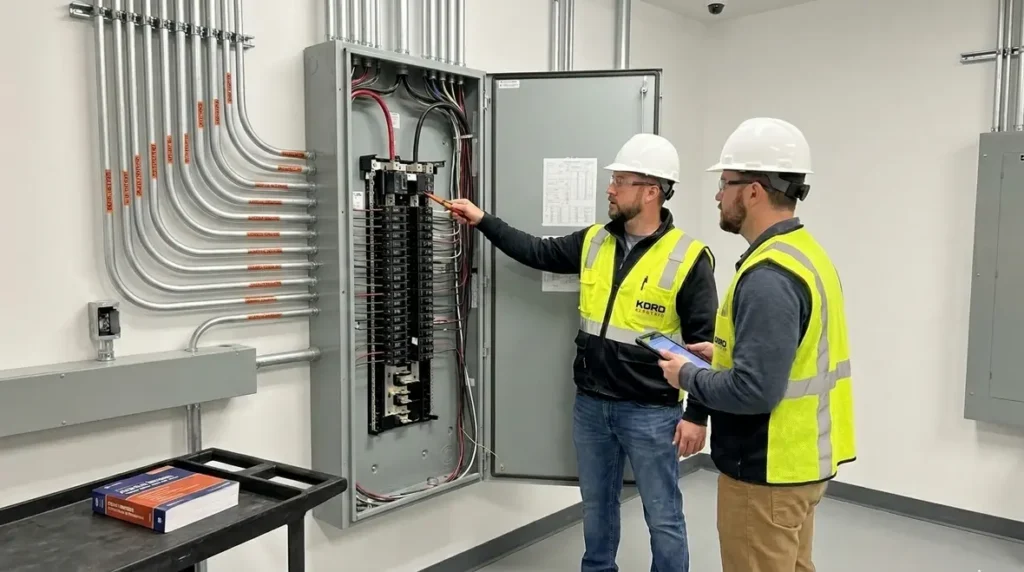
Importantly, our technicians and expert service staff do more than list requirements. They translate them into jobsite actions. For example, they help teams map the electrical one line diagram to field routes and show where the Code expects specific protection or separation. As a result, design intent stays intact through commissioning and maintenance. If you have ever watched a construction team “interpret” a drawing differently, you know how quickly that can turn into chaos. We prevent that by working through the details early.
For facility teams that want a deeper grounding in how the NEC shapes everyday electrical work, we often point them to our broader code resources, including Understanding NFPA 70, the National Electrical Code Explained for 2026. That bigger NEC picture makes it easier to see where Article 694 fits into the rulebook you already use for services, feeders, and life safety systems.
Equipment ratings, conductor selection, and the voltage you must respect
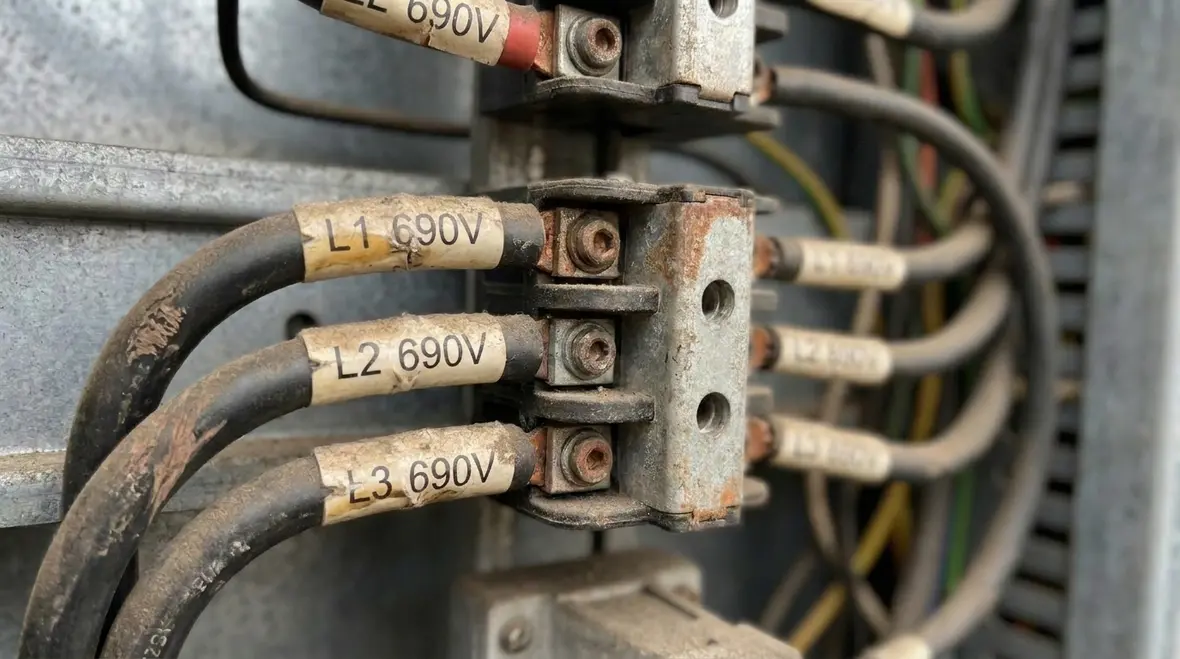
Once design teams identify the NEC Section 694.10 wind turbine maximum voltage, they can select components that can actually handle the system. This is where many projects stumble, not because people do not care, but because they skip the careful matching of turbine output characteristics to facility electrical equipment. In practice, we see mismatches with conductor insulation levels, terminal ratings, and protective device settings.
To keep the project grounded in reality, our crew typically checks the following items during planning and field verification:
Turbine output and maximum voltage conditions based on the manufacturer data and Code allowances.
Conductor insulation ratings that align with the expected electrical stresses.
Terminal and connector ratings so a listed part remains listed in the actual configuration.
Overcurrent protection coordination so the system clears faults without causing unsafe hazards.
Then we align the wiring method and installation practice with the Code’s intent. Because the wind system operates in a demanding environment, we help teams avoid weak points like poor support, strain at terminations, or incorrect routing that can lead to damage over time. In other words, we do not just “install wires.” We build a system that can handle years of service.
For commercial properties tying wind generation into complex distribution, we often combine this work with data-driven planning similar to what we use in our broader design projects. Instead of guessing at worst case conditions, we model, verify, and document how turbine behavior interacts with feeders, switchgear, and emergency power paths, so ratings hold up when weather and loading are both doing their worst.
Disconnects, grounding, and safe maintenance for commercial sites
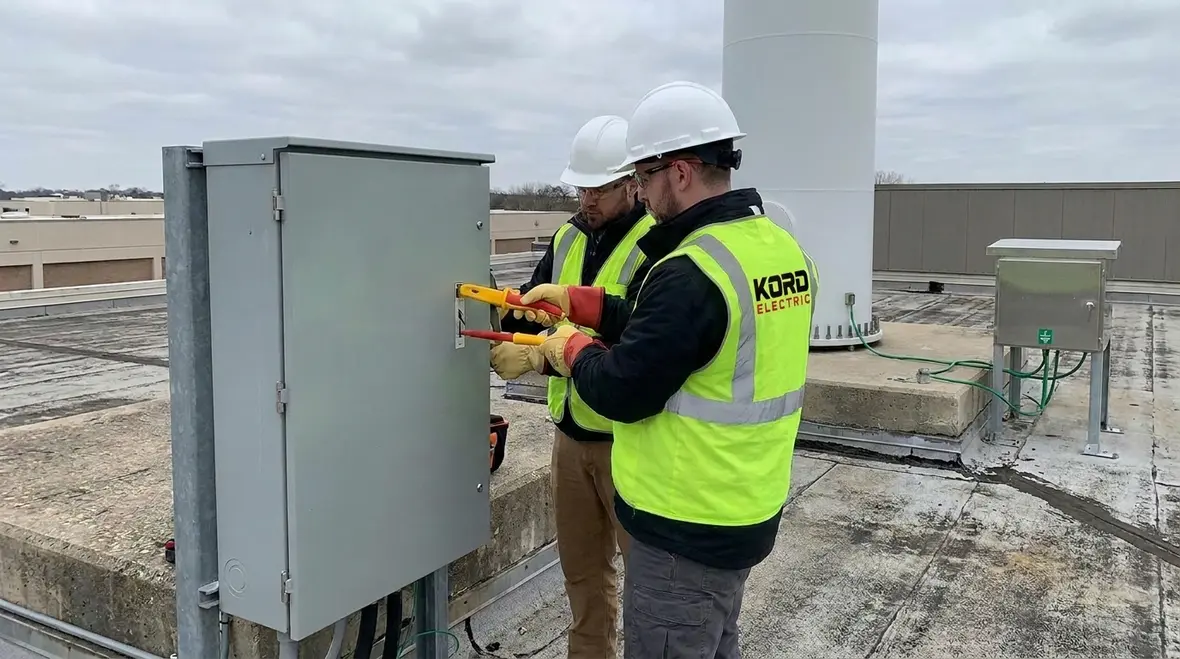
Commercial and industrial facilities need more than working power. They need safe power. That means maintenance staff must be able to isolate energy sources and return the system to service without guesswork. NEC requirements in Article 694 support safe isolation, proper grounding, and equipment placement that reduces shock and fire risk.
Our expert service staff often explains grounding like this. Grounding does not exist to “check a box.” Instead, it creates a reliable path for fault current where the Code calls for it, which helps protective devices operate as intended. Likewise, disconnects help ensure maintenance crews can deenergize equipment and verify that the system is safe to work on.
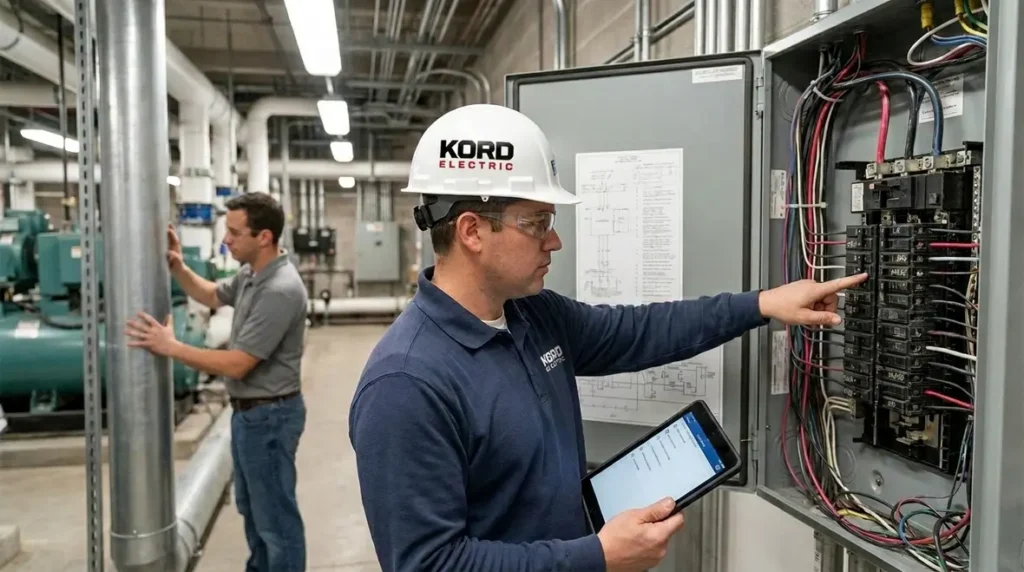
We also think about the practical side. Facility electricians and maintenance teams need clear labels, consistent panel schedules, and documented locations of disconnects. Therefore, we focus on field labeling and as built updates. We have seen what happens when documentation lags behind reality. It is like trying to find a character in a streaming series without credits. You can do it, but it wastes time, and time is not cheap on a project.
On new commercial buildings, we fold wind-related disconnects and grounding checks into the same verification mindset we use for broader safety reviews. The same disciplined walkdown that catches mislabeled breakers or missing working clearances will also catch a poorly placed turbine disconnect, a bonding jumper that never made it from drawing to conduit, or a missing label that turns a simple lockout into a scavenger hunt.
Design coordination with the rest of the NEC and facility power systems

Wind turbine systems do not live in isolation. They connect into a building’s electrical infrastructure. Consequently, teams must coordinate Article 694 with the broader National Electrical Code requirements that apply to the facility. We see this most often in how wind energy interfaces with service equipment, switchboards, transfer switches, grounding systems, and metering.
To avoid conflicts, we help owners and designers do the coordination work up front. We check how the wind system’s wiring and protective devices interact with the rest of the facility’s distribution. Additionally, we consider how energy flow affects labeling, breaker schedules, and commissioning tests. When those topics get treated like afterthoughts, the building still runs, but it runs with a risk that only shows up later.
In our work with major property buildings and industrial operators, we also encourage teams to plan for future service. Because turbines and inverters can involve specialized components, we make room for safe access and clear pathways for inspection. We also support ongoing maintenance plans so facility teams can keep systems stable and compliant over time.
When wind systems share infrastructure with other specialized loads such as data centers, automated lighting networks, or emergency power, we extend the same coordination habits we use on those projects. That includes validating short circuit and coordination studies with the added generation source in place, revisiting transfer schemes, and confirming that labeling tells a clear story even when power flow is bi-directional instead of “utility in, loads out.”
Common compliance mistakes and how Kord Electric helps prevent them
When teams rush, compliance slips in quiet ways. The mistakes are rarely dramatic at first. Then, during inspection or fault testing, everyone learns the hard lesson. Our technicians help prevent that by using a structured approach.
Here are the issues we commonly see in commercial and industrial wind projects:
Wrong voltage assumptions that lead to improper component ratings or inconsistent design documentation.
Improper conductor routing that ignores physical protection needs and creates stress points at terminations.
Disconnect and access gaps that make safe maintenance difficult and slow.
Grounding details left vague so field execution does not match the intended design.
Documentation gaps where as built records do not match installed equipment and labeling.
Moreover, we do not rely on guesswork. Our team validates drawings, checks install conditions, and supports commissioning. We also explain the “why” behind the requirements, so facility leaders understand what they are paying for, not just what they are installing. That way, the project remains smooth and dependable, instead of becoming a mystery novel with no happy ending.
Because wind projects touch so many pieces of a facility, we often combine Article 694 reviews with broader design and risk checks. From load balancing on shared panels to surge protection that actually matches turbine behavior, we apply the same practical mindset we use for everyday commercial work: find weak links, fix them on paper, then verify in the field before they show up as a costly outage.
Where to find trusted guidance and how we stay current
We know that facility teams often search for clear references before they make decisions. NEC interpretations and related fire and power guidance should come from trusted sources, and we encourage teams to review official and expert materials. Our goal at Kord Electric is to help translate code language into buildable steps that work in commercial and industrial settings.
To support your internal review, you can look at guidance on the National Electrical Code and related safety topics from partners and educational resources such as Kord Fire and organizations that cover electrical and fire protection context. While those resources help with broader understanding, our technicians focus on site specific application, inspection readiness, and dependable execution. In practice, that difference matters when schedules tighten.
Inside our own portfolio, we keep NEC work consistent by tying wind turbine projects back to core code topics such as NFPA 70 fundamentals, electrical safety checklists for new buildings, and emergency power design. Each of those areas reinforces the same message: compliance is not a stack of binders. It is a series of daily decisions about ratings, routing, labeling, and access that add up to a system inspectors trust and maintenance staff can live with for decades.
FAQ
Call Kord Electric for a compliance driven wind turbine electrical plan
If your commercial or industrial facility plans for a wind system, do not treat Code work like paperwork. Treat it like risk control. At Kord Electric, our technicians and expert service staff translate NEC requirements into clear, buildable steps, then verify what gets installed in the field. We help you match ratings, protect connections, and document the details that inspectors and maintenance teams rely on. Contact us to review your design or support commissioning, and we will keep your project stable, compliant, and ready for long term service.
For owners in Southern California and nearby markets, we support wind, solar, and advanced distribution work as part of our broader Los Angeles County electrical services. That means your renewable upgrades benefit from the same calm, coordinated approach we use for data centers, automated lighting, emergency power, and everyday commercial power upgrades.
Whether you are still sketching out a concept or preparing for final inspection, our team can step in at any stage to help you verify NEC Section 694.10 wind turbine maximum voltage assumptions, tighten documentation, and build a maintenance friendly system that stays reliable long after the ribbon cutting.
When you are ready to move from ideas to a safe, code aligned plan, bring us your one line diagrams, site constraints, and schedule pressure. We will bring the calculations, field experience, and documentation discipline that keep wind turbine projects running smoothly, even when the weather refuses to cooperate.