
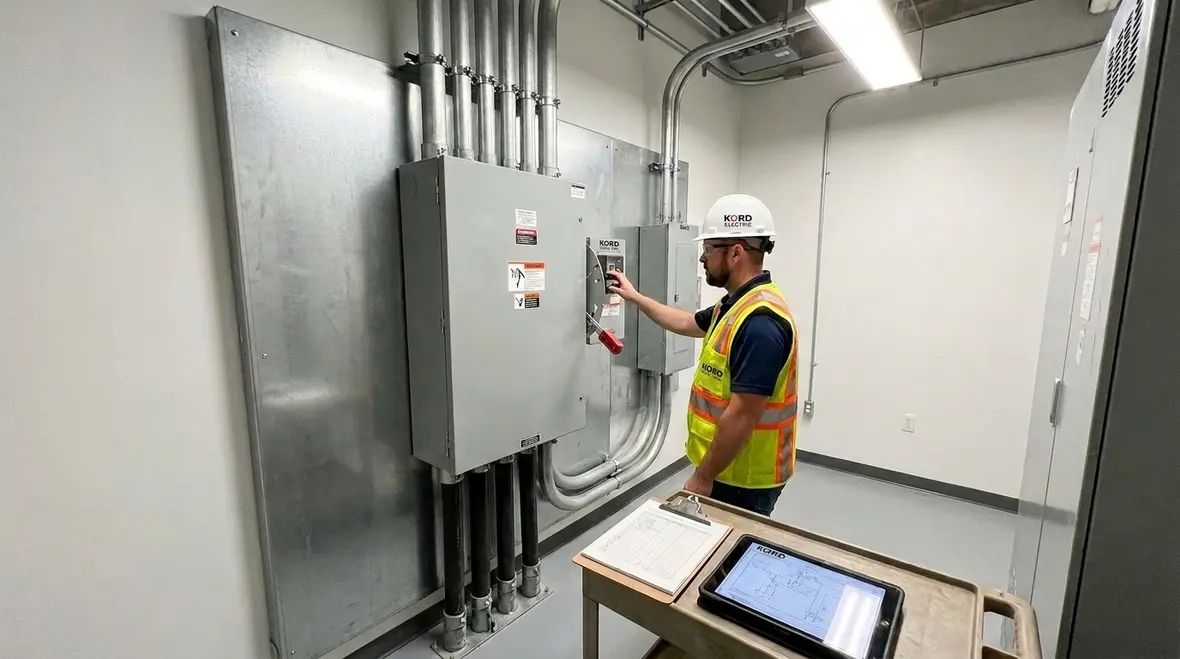
NEC Service Disconnect Rating Under 230.79 Explained
At Kord Electric, we take the NEC service disconnect rating seriously, especially when a facility needs reliable power for people, equipment, and mission critical operations. In fact, when crews review NFPA 70 Section 230.79, we focus on one practical goal: the service disconnecting means must match the electrical load and perform safely during normal and abnormal conditions. That may sound like a rule written by someone who never tried to wrestle a panel door at midnight, but it matters. Furthermore, our technicians explain what the code requires in plain language, so facility owners and electrical managers can make confident decisions instead of guessing and hoping.
What does NFPA 70 Section 230.79 require for service disconnects
NFPA 70 Section 230.79 addresses how we determine the rating of the service disconnecting means. In other words, it sets the benchmark for what the disconnect must be able to handle. First, the disconnect must suit the service size and the connected load. Then, it must also satisfy conditions created by the service equipment and utility connection.
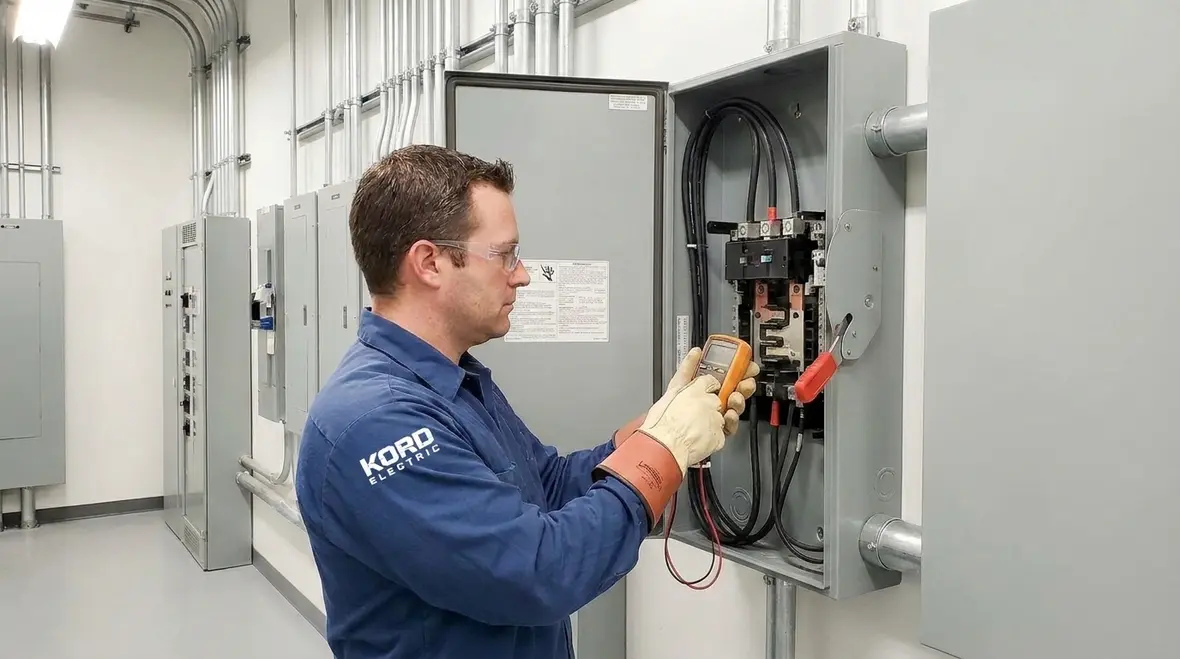
To make this less abstract, we treat the requirement like a sizing conversation, not a paperwork exercise. For commercial and industrial facilities, the risk is not just a tripped breaker. Instead, the risk involves equipment damage, nuisance shutdowns, and unsafe switching behavior during faults or maintenance.
When our team walks through NFPA 70 in general, we keep it connected to real buildings. Resources like Understanding NFPA 70: The National Electrical Code Explained for 2026 give facility leaders a broader code roadmap, while focused topics like Section 230.79 help them zero in on service equipment choices that keep the lights on and the gear protected.
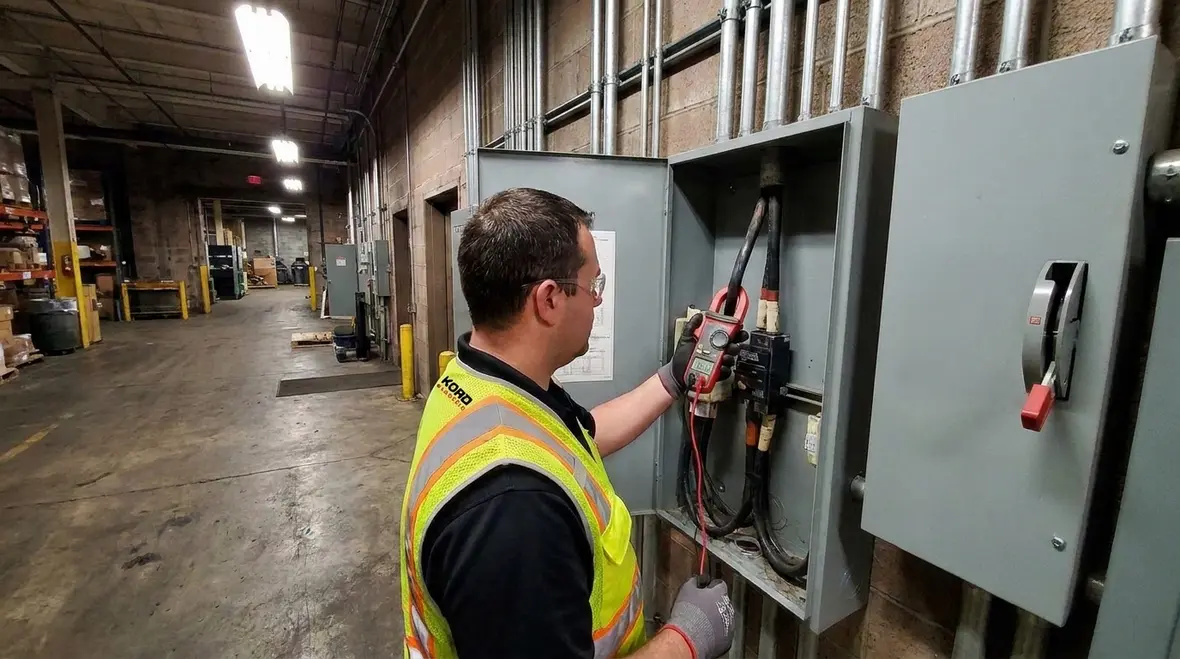
How Kord Electric applies the NEC service disconnect rating to real projects
When we support a major property building, we do more than locate the right code reference. We also translate it into equipment choices that field teams can build and service without drama. Typically, our expert service staff reviews the electrical one line diagram, the service conductors, and the available fault and load data. After that, we check the disconnect rating so it aligns with the NEC service disconnect rating rules described under Section 230.79.
So, why does that matter for a facility owner? Because the disconnect is the front door of the service. If the rating does not match the demand and design intent, every downstream system inherits the problem. Meanwhile, your operators deal with the symptoms: unstable starts, stressed components, or difficult switching during maintenance windows.
And yes, we have seen the classic scenario where someone says, “It is just a disconnect, it is simple.” It is simple in the same way a steering wheel is simple. It looks straightforward until it fails at the wrong time.
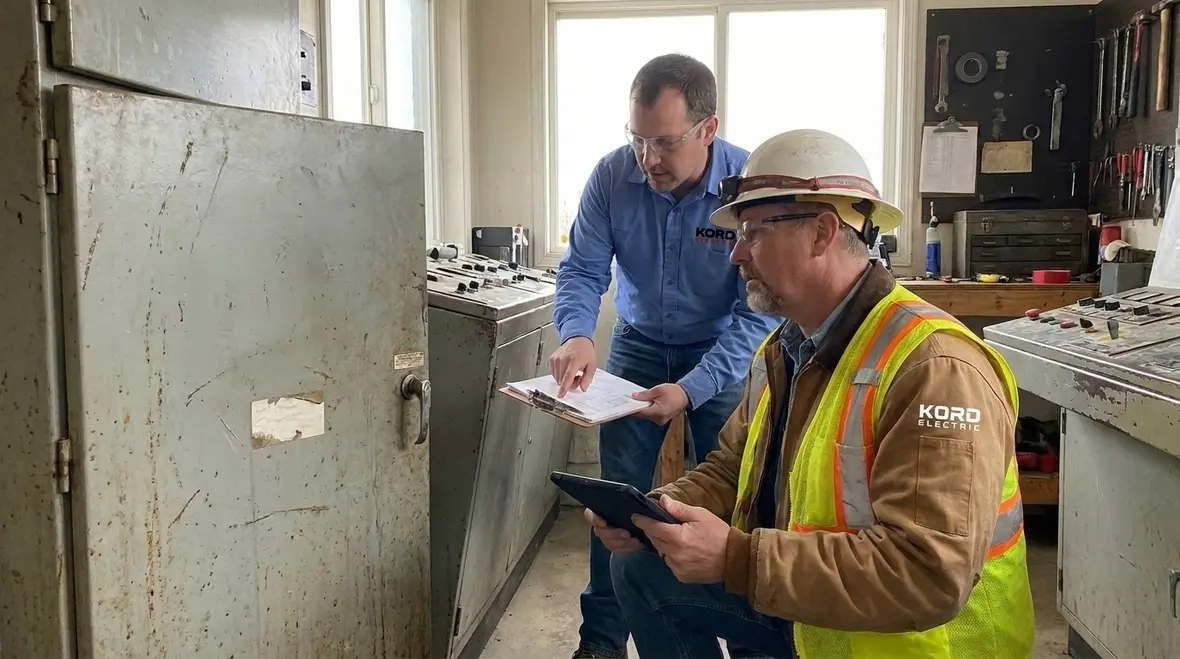
Choosing the right service disconnect size for commercial and industrial loads
Service disconnect sizing must fit the building’s load profile and the system design. Therefore, we help our clients evaluate factors like service conductor sizing, equipment ratings, and the configuration of the service. In addition, we confirm how the facility operates, because a distribution plan that works for one type of occupancy may not fit another.
For example, a large office building may rely on predictable loads with moderate motor use. However, a distribution center or manufacturing plant may include higher starting currents from motors and equipment cycles. Even if the nameplate load looks similar on paper, the real electrical behavior changes how the system stresses the service disconnect. Consequently, we align the disconnect rating with the design so the facility can keep running when it counts.
At this stage, our technicians also verify the practical details that create field success. We check whether the selected disconnect type fits the enclosure, whether the wiring method matches the service setup, and whether the labeling and access requirements support safe operation. In many projects, these “small” items prevent the big headache later.
Common compliance pitfalls we help facilities avoid
Even experienced teams can trip over details, so we guide them early. For many commercial and industrial facilities, the top issues involve mismatched ratings, incomplete documentation, and assumptions that get carried forward from prior designs. In particular, we see problems when a facility expands and someone upgrades downstream gear but leaves the service disconnect sizing unchanged.
Disconnect rating not aligned to the service conductors, which can create safety and performance concerns during fault conditions
Design updates that miss Section 230.79 impacts, especially during renovations in major property buildings
Inconsistent documentation, where the one line diagram, panel schedules, and equipment submittals do not tell the same story
Operational misunderstandings, such as maintenance crews treating the disconnect like a convenience switch instead of a safety device
To keep it calm, we walk teams through the logic step by step. Then, we offer clear recommendations and explain the reasoning. Our approach keeps the process steady, so facility managers do not feel like they are reading a mystery novel where the killer is an overlooked rating.
Coordination with switchgear, metering, and utility interfaces
Section 230.79 does not exist in isolation. In practice, the service disconnect sits in a system that includes switchgear, metering equipment, and utility interface requirements. Therefore, the right rating must work together with the rest of the electrical chain.
When we assist a commercial or industrial site, we coordinate the service disconnecting means with the upstream and downstream gear. First, we review how the metering arrangement connects and what the utility requires. Next, we confirm that the switchgear configuration and bus ratings support the service design. Finally, we make sure the disconnect method supports safe access and reliable operation for maintenance staff.
At Kord Electric, we keep this process structured. As a result, our clients avoid late design changes that can stall procurement and shorten construction timelines. And for those wondering, no, the best time to discover an incompatibility is not after the conduit is already poured.
Inspection, labeling, and safe operation for long term reliability
Once the disconnect is selected and installed, the work does not stop. We encourage facilities to maintain clear labeling and routine inspection practices. While the code focuses on rating and performance, proper operation reduces stress on components and supports safety.
Our expert service staff checks whether the equipment markings match the engineered intent. Then, we confirm whether the disconnect is accessible, properly secured, and used according to the facility’s operating procedures. Furthermore, we help clients build a maintenance routine that supports safe switching during planned work.
For a major property building, reliability depends on consistency. So, we recommend that facility teams track inspections and document any issues found during service calls. This simple habit helps identify patterns early, before a minor abnormality becomes a major outage. It also keeps your electrical staff focused on what matters most: running the building, not troubleshooting the same surprise every quarter.
How our clients use NEC guidance to plan upgrades
Commercial and industrial facilities rarely stay the same. Loads change, tenants expand, and equipment gets replaced. Because of that, code requirements like the NEC service disconnect rating become practical planning tools, not just compliance references.
When Kord Electric supports an upgrade, we help clients evaluate whether the service disconnect still fits after the change. We do that by reviewing the current one line, verifying the updated loads, and confirming how the system will behave after the work. Then, we align the new gear and switching strategy with the service design goals tied to NFPA 70 Section 230.79.
Our clients like this approach because it reduces uncertainty. Instead of making equipment choices based on guesses, they get an engineering informed path that supports safe performance and longer asset life.
Using NEC service disconnect rating insights across your facility
A well planned NEC service disconnect rating does more than keep one section of switchgear compliant. It also shapes how you think about branch circuits, feeders, and specialty equipment throughout the building. That is why many of our customers connect this topic with other focused guides that Kord Electric and Kord Fire have developed on the National Electrical Code.
For example, when teams study branch circuit rules under NFPA 70 Section 210.1 or personnel protection under Section 210.8, they see the same theme repeated: the code expects systems to be coordinated, not patched together. The same logic applies to Section 230.79. The disconnect rating, upstream protections, and downstream loads must all make sense as one chain, especially in major property buildings where uptime and safety live side by side.
In practice, that might mean revisiting feeder sizing when you add new HVAC equipment, or checking selective coordination when you introduce a new set of motor loads. It can also mean taking a second look at emergency systems, surge protection, and fire life safety interfaces that depend on a stable, properly rated service.
Our technicians help facility managers connect those dots so NEC requirements feel like one consistent map instead of scattered rules. The goal is straightforward: a facility where protective devices, disconnects, and distribution equipment are sized and applied in a way that keeps downtime low, inspections predictable, and unnecessary risk out of the daily routine.
Planning service upgrades with NEC 230.79 in mind
Every service upgrade project brings three questions to the table: what needs to change now, what should change before it causes trouble, and how will the new configuration behave under real load. When we factor NEC 230.79 into that discussion, we look beyond the nameplate ratings and dig into how the disconnect will perform during faults, switching events, and maintenance.
We start with the basics: service size, conductor ratings, available fault current, and the type of disconnecting means under consideration. Then we compare those elements with the building’s operating profile. A hospital, for example, treats a brief service interruption very differently from a low risk storage warehouse. The code stays the same, but the tolerance for downtime and the need for redundancy changes how you apply it.
Next, we coordinate with metering, utility interface requirements, and any special occupancy rules that might apply. That coordination phase often reveals cost-saving opportunities or risk-reduction moves long before any conductor gets pulled. In more complex facilities, we pair this work with a broader review of NFPA 70 scope and application so Section 230.79 conversations align with the rest of the project’s NEC direction.
Finally, we bring the field perspective back into play. Our crews highlight access clearances, lockout/tagout procedures, and labeling standards during design so the installed disconnect does not just pass inspection but stays safe to operate over its full life. That mix of engineering logic and boots on the ground experience keeps clients out of the “install now, fix later” cycle that drives both risk and cost.
Where NEC service disconnect rating meets day to day operations
Once a service disconnect is in place and correctly rated, the story shifts from design to daily use. Operators, maintenance staff, and outside contractors all interact with that equipment, often during the most stressful moments of a project or unexpected outage. That is where the combination of proper NEC service disconnect rating, good procedure, and clean documentation pays off.
We encourage facility teams to treat the disconnect like a critical asset, not background hardware. That means clear labeling that ties back to one line diagrams, up to date records of any modifications, and realistic operating procedures for normal shutdowns, testing, and emergency actions. When those elements line up, a service interruption becomes a managed event instead of a scramble.
We also recommend pairing disconnect reviews with broader electrical assessments. This may include verifying surge protection at the service, confirming grounding and bonding practices, and testing coordination between overcurrent devices. In large commercial or industrial facilities, that holistic view often uncovers small issues long before they grow into trip investigations, nuisance alarms, or extended downtime.
For organizations operating across Los Angeles County and surrounding areas, this is where a trusted partner matters. The same team that helps interpret NFPA 70 for a new installation can also support ongoing maintenance and emergency response, keeping both code intent and field reality in alignment.
FAQ
Call Kord Electric before the next switchgear decision
If you operate a commercial or industrial facility, do not gamble with service disconnect sizing. Kord Electric brings practical code understanding and calm, expert execution to major property buildings, with technicians who explain the “why” as clearly as the “what.” Contact us to review your service disconnecting means, confirm alignment with NFPA 70 Section 230.79, and plan upgrades without surprises. When your electrical system works under pressure, everyone benefits, including the people who just want lights that stay on.
For facilities across Southern California that need a full service partner, our Los Angeles County electrical services overview shows how Kord Electric supports everything from initial code review to final inspection and ongoing maintenance. Pair that support with focused NEC service disconnect rating guidance, and your next switchgear decision becomes a planned step instead of a guess.
When you are ready to move from questions to action, our team is prepared to connect Section 230.79 requirements with real equipment, real timelines, and real facility goals so your service equipment is ready for the long haul, not just the first inspection.


