
NFPA 70 230.81 NEC Service Disconnect Terminals
Kord Electric helps commercial and industrial facilities handle power changes with clear, code minded steps. In our day to day work, we often inspect and install NEC service disconnect terminals so the service can be shut down safely. Then we make sure the connections follow the rules in NFPA 70 Section 230.81. That section matters because it tells us how service disconnection terminals must be connected, so crews do not rely on luck, vibes, or a roll of tape that probably expired in 2017. And yes, we have seen that movie. Luckily, our technicians explain everything on site in plain language, and we document the details so facility managers can sleep at night.
What NFPA 70 230.81 actually requires for service disconnection terminals
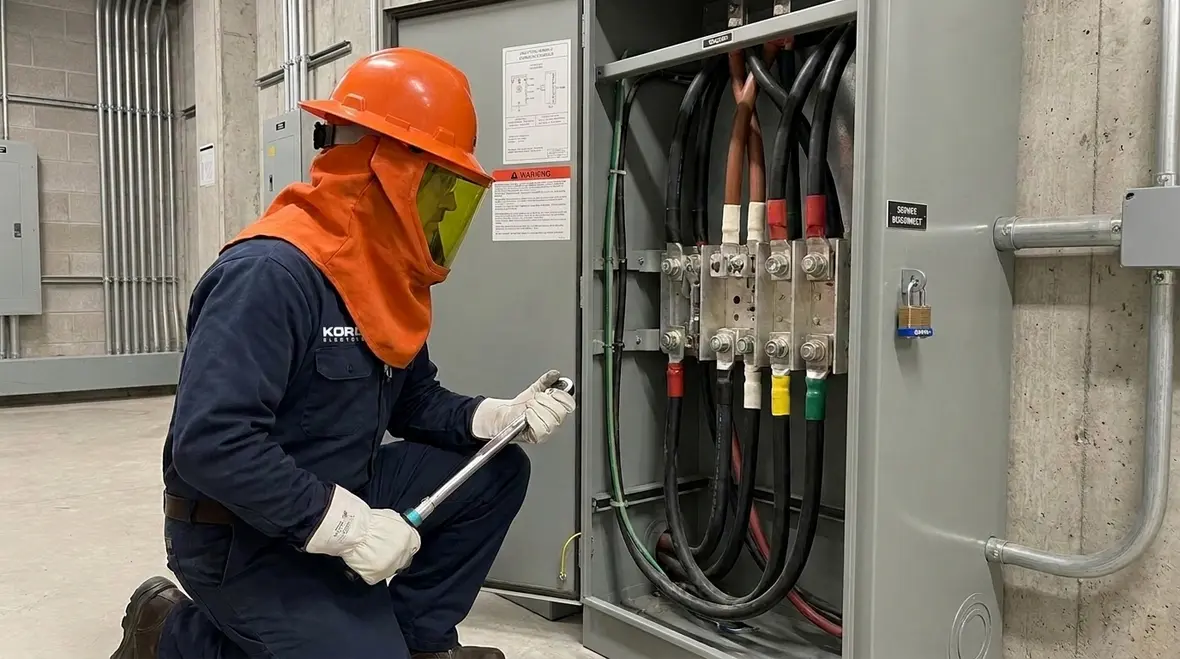
NFPA 70 Section 230.81 focuses on the connection rules for service disconnection terminals that belong to the service disconnect equipment. In other words, it does not just care that a disconnect exists. It cares how conductors connect to the terminals that allow the service to be opened for shutdown.
When our experienced service staff reviews plans or performs field checks, we apply a simple mindset. First, we confirm the terminal is rated for the job. Next, we match the conductor type and size to what the terminal is designed to accept. Then we verify the connection method and torque process, because the code expects proper terminations rather than “close enough.”
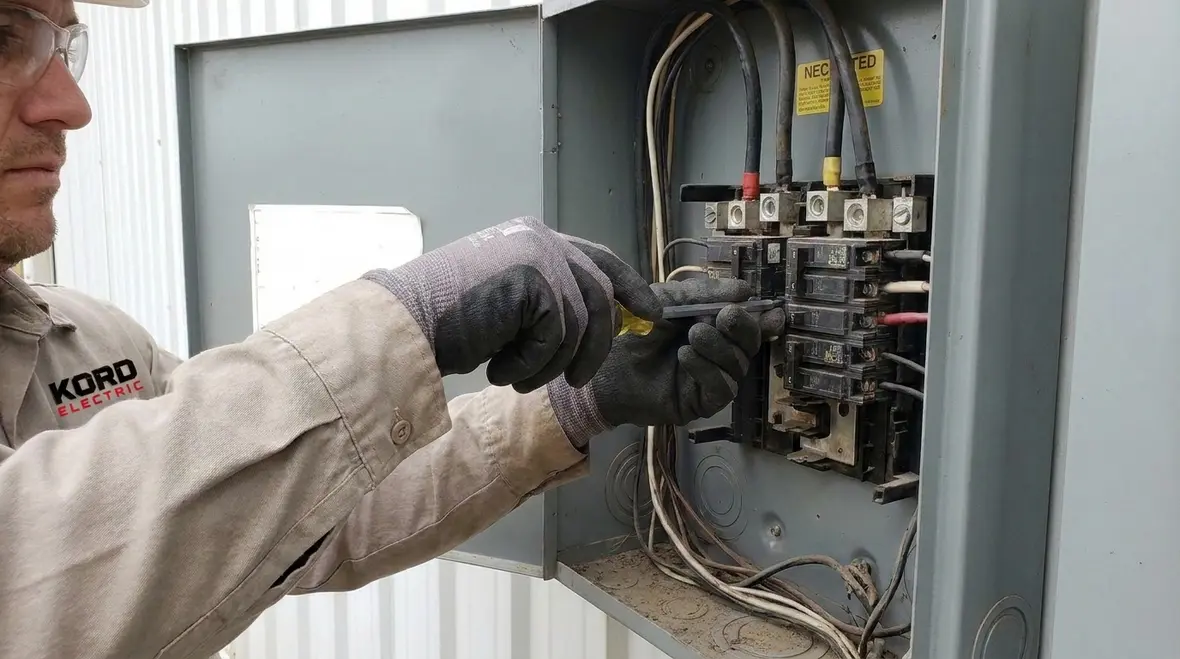
For facility teams who want to zoom out and see how Section 230.81 fits into the broader code picture, our detailed article on understanding NFPA 70 and the National Electrical Code for 2026 walks through the bigger framework that shapes everyday electrical decisions.
Why connection rules affect safety at commercial and industrial sites
Commercial and industrial buildings face real loads, real demand, and real schedules. Therefore, the service disconnect must work when it matters. If terminals connect poorly, heat can build up, the connection can loosen, and electrical equipment can suffer damage. In addition, an unsafe service shutdown creates risk for workers who must assume the area is safe.
As we walk a facility through audits, we explain how a correct connection supports stable operation. Moreover, correct terminations reduce nuisance problems like frequent trips or “mystery” failures. And if you are wondering whether that sounds dramatic, it is not. It is electrical physics doing its job, whether or not anyone wants to hear it.
Conductor types and terminal match ups that our technicians verify
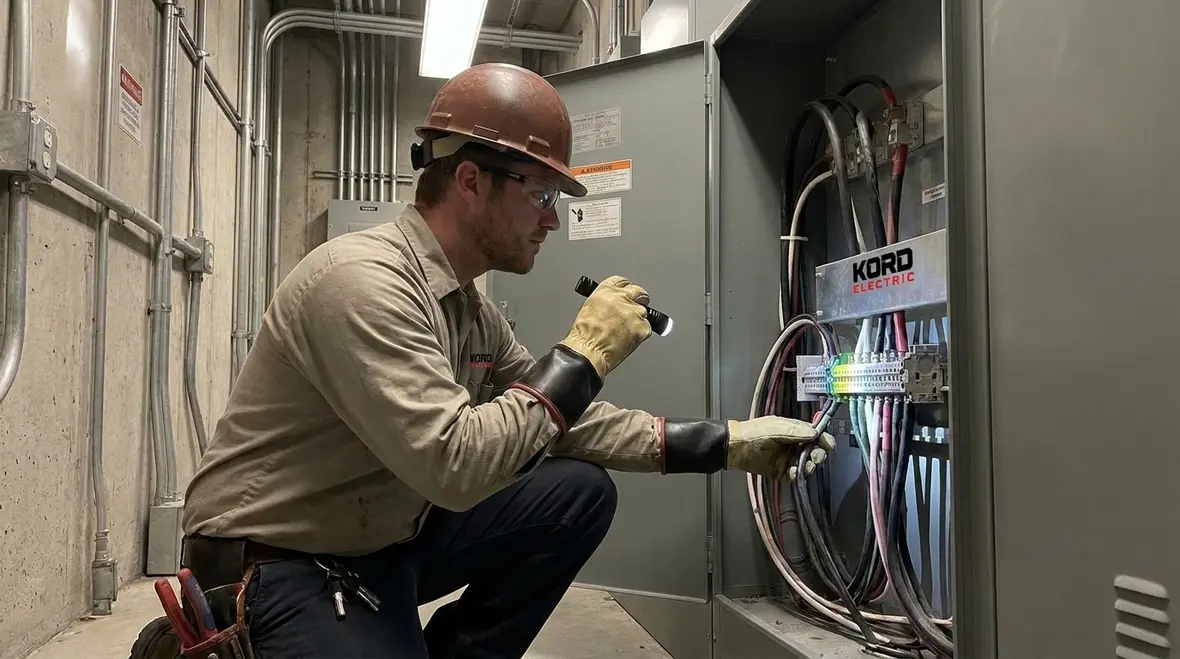
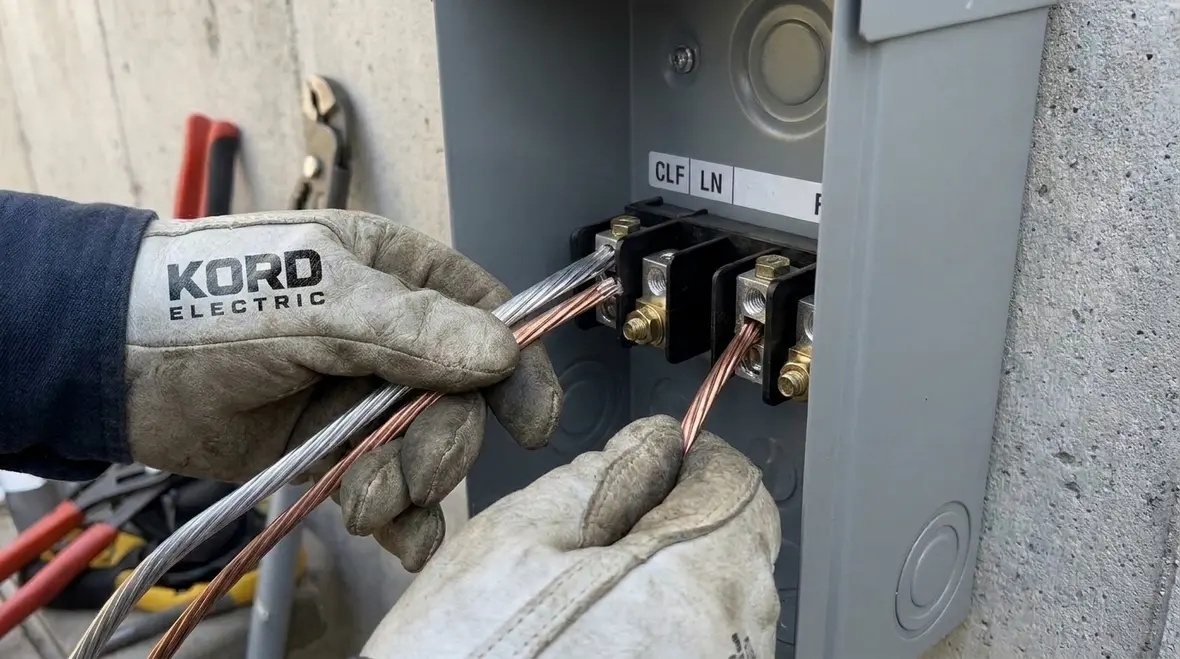
NFPA 70 does not ask for guesswork. It expects the installer to use conductors and fittings that work together. For NEC service disconnect terminals, this means the connection needs to accept the conductor material and insulation type used at the service.
In practice, our technicians follow these checks during service work at major property buildings:
- Terminal rating and listing: We confirm the terminal is listed for the conductor range and the service disconnect equipment matches.
- Material compatibility: We align aluminum or copper conductors with the terminal design and required connection method.
- Correct termination hardware: We use the listed lugs, sleeves, and fittings that the equipment and terminal require.
- Insulation and stripping quality: We ensure stripping does not damage conductors and that bare lengths match the manufacturer guidance.
Then we add one more step because we have learned the hard way. We verify the connection is made to the terminal in the correct orientation and seating depth. That small detail often prevents loose contact later.
If our review reveals that a building needs broader upgrades around the service, we may also recommend looking at related topics like commercial electrical service capacity, panel condition, and load planning. Those areas are covered in depth across our other Kord Electric blog articles, including data driven electrical design, electrical asset site analysis, and commercial electrical service upgrades, so facility leaders can see how NEC service disconnect terminals fit into the bigger reliability puzzle.
Torque, installation technique, and the “tight is right” myth
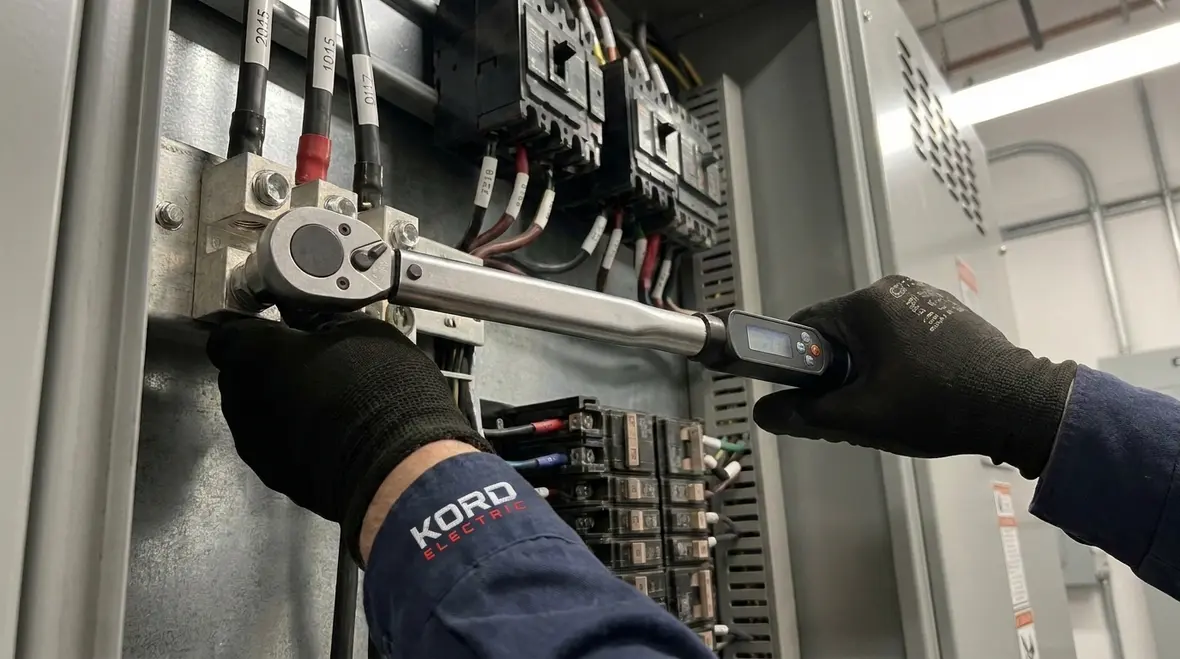
Many people think tightening harder always improves a connection. However, electrical terminals do not behave like a jar lid you can bully into compliance. If a connection does not get the proper torque, it can under clamp or over stress the conductor and hardware.
In our field work, we treat torque and installation technique as non negotiable. Accordingly, our technicians use the right tools, follow manufacturer specs, and confirm the terminal allows a proper clamping force. In addition, we perform visual checks for proper lug seating and conductor placement.
We also explain this clearly to facility teams. When torque is correct, contact pressure stays stable through normal thermal cycles. As a result, the terminal maintains low resistance over time. If torque is wrong, resistance can rise, and heat follows. Heat, as you know, loves to turn a planned shutdown into an emergency repair. And nobody wants that version of the story.
For sites that are already juggling other electrical changes, pairing terminal work with a broader Los Angeles County electrical services visit often makes sense. Our crews can address NEC service disconnect terminals along with other deficiencies in a single, coordinated mobilization, instead of forcing your team to live through a parade of piecemeal fixes.
Barriers, covers, and protection so terminals stay safe
Even when connections are made correctly, the environment matters. Commercial and industrial facilities often include vibration, moisture exposure, corrosion risk, and housekeeping traffic. So we ensure that service disconnect terminations stay protected as required by the broader NEC approach to equipment installation.
To keep terminals safe, our team considers the full setup around NEC service disconnect terminals rather than treating the terminal like an island. We look for proper barriers, covers, and cabinet integrity so conductors and connections remain shielded. We also confirm the equipment installation supports safe access and safe operating procedures.
Also, we coordinate with facility operations so shutdown procedures match the electrical layout. If someone must work nearby, the disconnect must behave reliably, and the covers must remain in place. In short, protection supports both safety and performance.
How Kord Electric documents compliance for major property buildings
Code compliance should not live only in someone’s memory. Therefore, at Kord Electric, we document what we verify and what we install. For major property buildings, we use a practical workflow that suits real maintenance teams.
Our approach typically includes:
- Pre work review: We review equipment specs and service layout with a focus on terminal connection requirements.
- Field verification: Our technicians confirm terminal condition, conductor match ups, and proper connection methods.
- Closeout documentation: We record the work and provide clear notes that facility managers can use for maintenance planning.
- Explain it once, explain it right: We answer questions on site in plain terms, so others do not have to “interpret” our work later.
We are not here to talk in circles. We are here to help. And yes, we keep the conversation calm, even when the electrical room looks like it survived a minor storm and a major mystery.
When a facility wants to see where NEC service disconnect terminals sit inside the bigger risk picture, we often recommend pairing this work with a structured electrical asset site analysis. That review helps teams understand which panels, feeders, and service locations move to the top of the priority list, instead of guessing which item will fail first when the schedule is already full.
Frequently asked questions about 230.81 and service disconnect terminations
Final call for commercial and industrial service work
If your facility uses service disconnect equipment, we can help you confirm terminal connections follow NFPA 70 Section 230.81 and support safe shutdown performance. Kord Electric serves commercial and industrial buildings with expert technicians who explain each step, verify the details, and document the outcome for your team. Reach out to us for an inspection, an upgrade, or a compliance focused review. We will bring clarity to the electrical room, and we will keep the process calm from start to finish.
For facilities that want a deeper look at everything tied to NFPA 70, from NEC service disconnect terminals to panel upgrades and grounding, scheduling a dedicated service visit gives your team clear next steps instead of a stack of question marks. Whether you are preparing for an inspection, planning new equipment, or responding to recent nuisance trips, our commercial and industrial crews are ready to help.
If your building sits anywhere in our service area and you are ready to align terminals, panels, and protection with current code expectations, our licensed electricians can integrate 230.81 reviews into broader maintenance plans, capital projects, or targeted safety upgrades so you see real progress, not just another memo on the to do list.


