
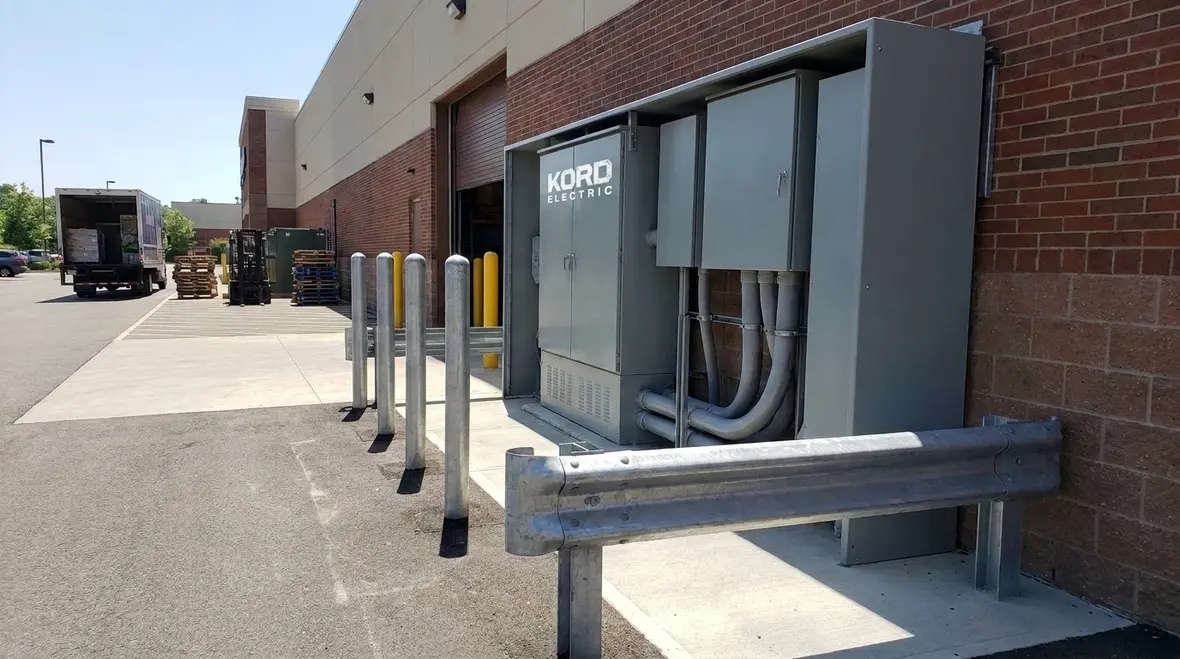
NEC Service Entrance Damage Protection Per NFPA 70 230.50
At Kord Electric, we make sure a facility’s power system stays protected the moment it enters the building. That means we focus on NEC service entrance damage protection so electrical equipment does not get knocked around by everyday threats like moving vehicles, construction mishaps, or even the occasional “oops, that truck swung wider than expected” situation. We also align our approach with NFPA 70 Section 230.50, because good service-entrance design should not rely on luck. Instead, it should rely on clear rules, smart installation choices, and trained people who explain the why, not just the what. And yes, our team does explain it slowly enough for humans to understand it the first time.
Why NFPA 70 Section 230.50 matters for service entrances
NFPA 70 Section 230.50 addresses how to protect the service entrance from physical damage. In plain terms, it tells us that if the wiring, service equipment, or related components can be hit, exposed, or impacted, then we have to design for that risk. Many commercial and industrial facilities handle forklifts, dock traffic, carts, ladders, and equipment that tends to find the shortest path to “contact.” As a result, a code compliant installation should consider the real world, not just the drawing on paper.
When we follow this section, we also reduce downtime risk. Therefore, the facility owner does not get surprised by a blown fuse, a damaged enclosure, or a service disruption that could have been prevented. Additionally, our expert service staff often tells clients that physical damage protection is not just about meeting a requirement. It is about building resilience into the electrical system from day one.
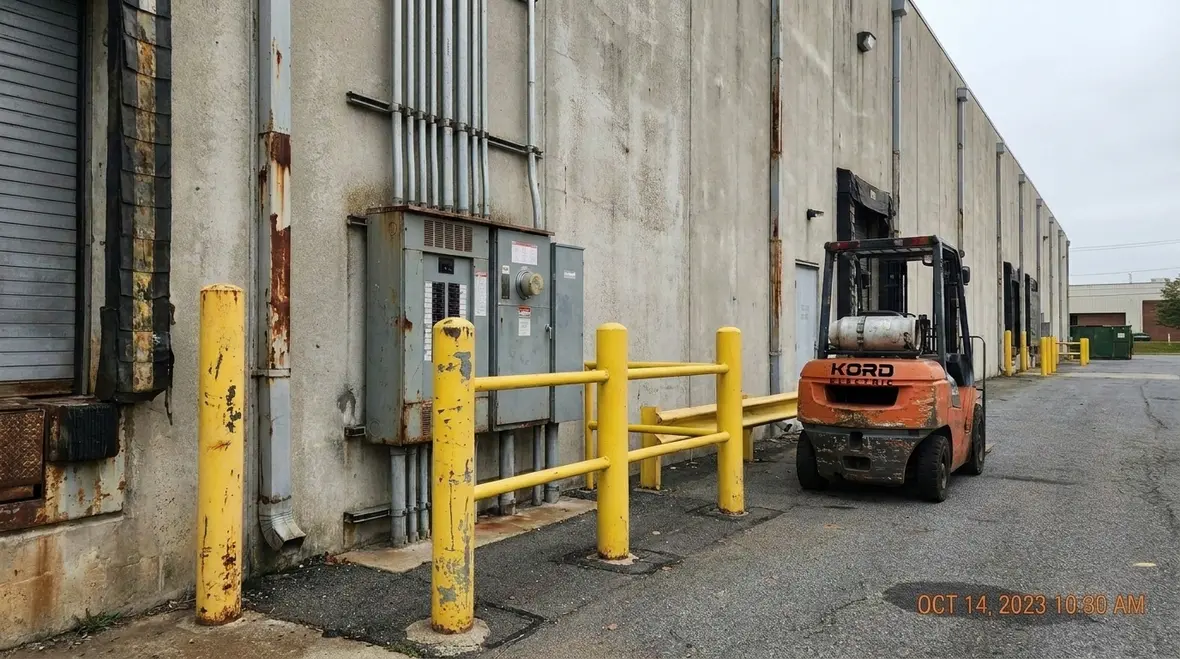
What counts as “physical damage” in the field
Physical damage does not mean only a dramatic, movie-scene collision. It often includes repeated minor impacts, vibration, abrasion, and tampering risks. For that reason, our technicians look at how electricity actually arrives at the building and how people and equipment move around it.
Common examples we evaluate include:
- Vehicle impact where the service area sits near loading zones, yards, parking, or maintenance routes
- Mechanical strain where conduit or fittings can be bumped during routine work
- Environmental wear where exposure leads to brittle surfaces, loosening fittings, or weakened components
- Accidental access where a location encourages contact during construction, cleaning, or staging
Then, we confirm the installation details match the actual risk. For example, if the conduit routing runs along a path that maintenance staff regularly travels, we plan protection accordingly. After all, the best code compliance looks boring in the field, because it stays intact.
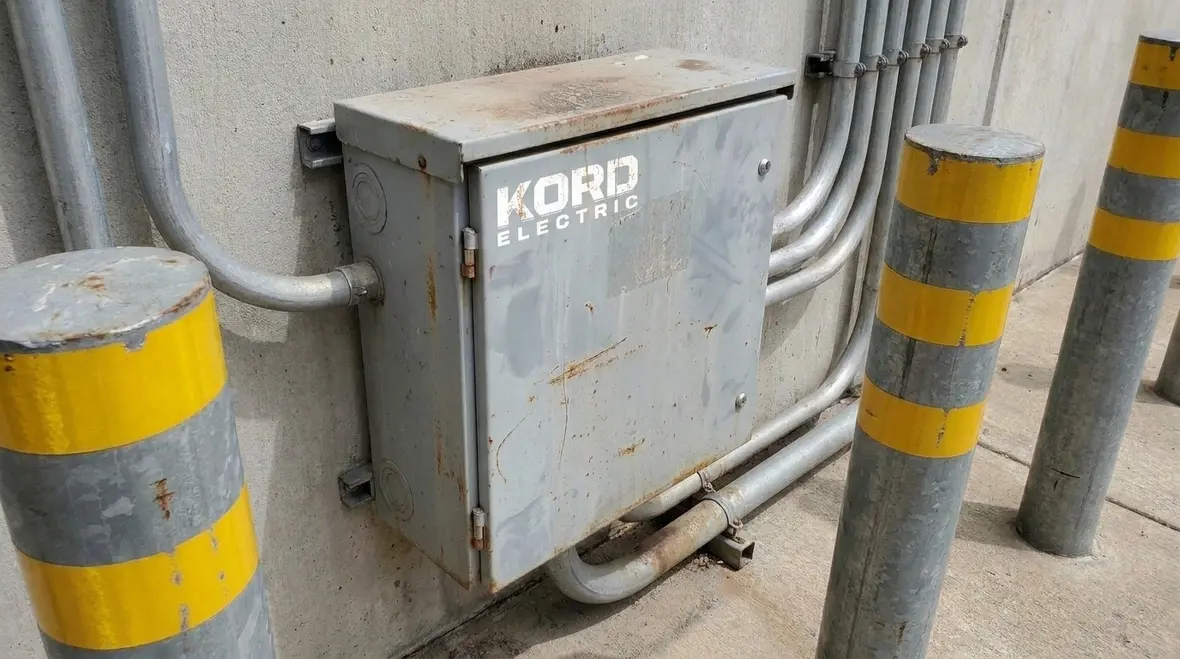
How Kord Electric applies NEC service entrance damage protection
Our team handles these requirements with a practical workflow. First, we review the service configuration, including where the service equipment sits, how the conduit routes to it, and what surrounds the entrance area. Next, we assess likelihood of impact based on site conditions. Finally, we choose a protection method that fits both the code intent and the building operation.
Because we serve commercial and industrial facilities and major property buildings, our planning also respects operational constraints. We do not want protection that blocks access for electricians. We also do not want it installed in a way that complicates inspections or future expansion. Therefore, our technicians explain tradeoffs clearly so decision makers understand the safety, reliability, and cost impact.
In most cases, we guide projects toward code compliant solutions such as:
- Physical barriers like guard structures where impact risk exists
- Routed protection using construction choices that resist accidental contact
- Proper enclosures and fittings sized and installed to prevent damage at stress points
- Installation discipline with correct mounting, secure support, and clean termination practices
And if someone thinks this is overkill, we gently remind them that power equipment does not fail politely. It fails when we least want it to, usually during peak demand, when everyone is calling at once. That is not a “fun surprise.” That is a cost event.
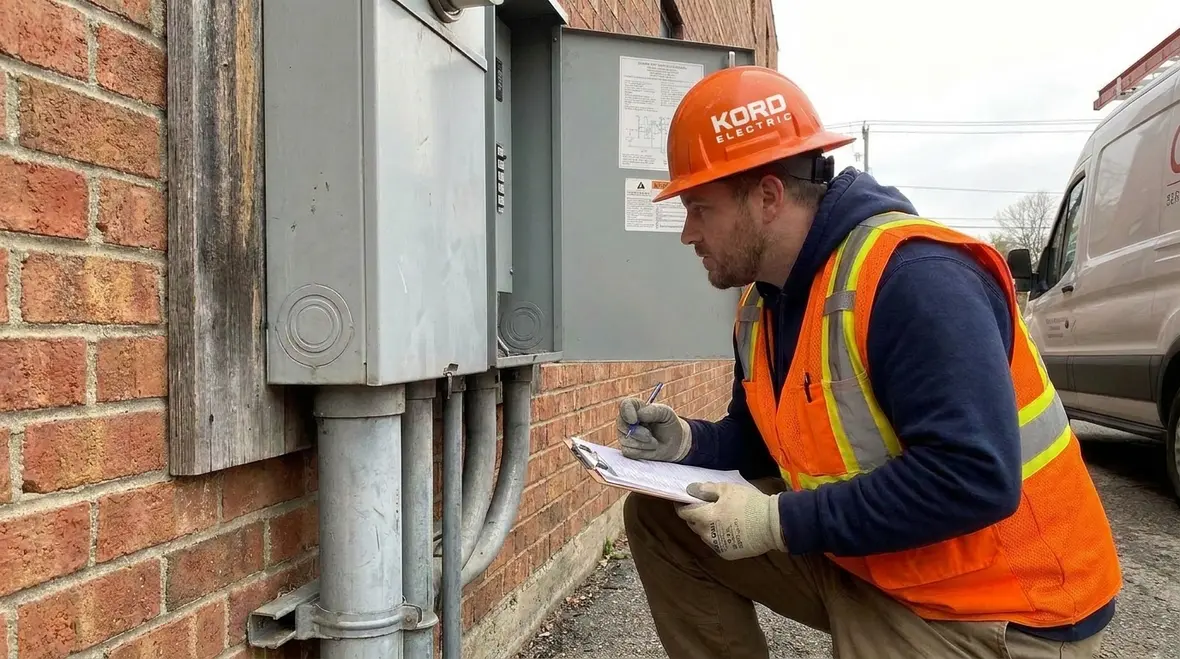
Enclosure and conduit protection choices that last
Protection methods must do more than exist. They must hold up over time. The service entrance sees heat, vibration, weather exposure in some settings, and frequent nearby activity in many facilities. So, we focus on durability and maintainability, not just first day appearance.
Our technicians often start with the reality that damage tends to occur at the weak points. Those weak points include transitions, bends, exposed segments, and areas that are slightly misaligned. Then, we consider how the equipment is mounted and whether the installation can resist impact forces.
When a site requires high protection, we also ensure that the solution does not create new hazards. For example, a barrier should not trap water in a way that worsens corrosion, and conduit runs should not be routed in a way that increases stress. As a result, we treat protection as part of the whole electrical system plan.
For teams managing multi building properties, we also align protection with long term operations. Instead of patchwork changes later, we plan for the next ten or twenty years of maintenance cycles. This approach avoids repeated disruptions and reduces the odds of “we fixed it last time, right?” becoming the company motto.
Coordination with inspections, maintenance, and fire related safety
Electrical safety and fire related safety often share the same jobsite realities. If we protect the service entrance from impact, we help maintain the integrity of the power system that supports life safety equipment and critical operations. Therefore, coordination matters.
While our focus stays on electrical code compliance for service entrance protection, we also value the same goal partners pursue in fire protection planning: systems that work when needed. That is why our service staff communicates with facility managers, general contractors, and other trades. We keep the conversation clear and we document key decisions so future teams do not have to guess.
When inspections happen, we support the process with installation detail and a clean understanding of the protection strategy. Moreover, our team helps clients connect the dots between protection and reliability. Many owners only look at outages. However, a damaged component can also create hidden risks that show up later as nuisance faults, intermittent issues, or unstable performance.
And yes, nobody wants a system that behaves like a pop quiz. They want a system that behaves like a professional athlete. Reliable, consistent, and ready.
For facility teams who want more background on how service entrance rules plug into the broader NEC picture, Kord Electric also shares code-focused resources such as Understanding NFPA 70: The National Electrical Code Explained for 2026 and other National Electrical Code articles that connect the rulebook to field conditions.
Common mistakes we see at commercial and industrial buildings
We regularly spot patterns that create avoidable risk. Some projects treat physical damage protection as an afterthought, while others rely on a “good enough” installation mindset. Then, months later, the service entrance suffers damage because the site changed.
Here are frequent problem areas our technicians watch for:
- Protection that does not match site activity such as using minimal protection near docks, yards, or loading traffic
- Gaps at transition points where conduit meets equipment and protection coverage weakens
- Improper access planning where protection blocks maintenance and leads to risky workarounds
- Overlooking future work like new racks, expansions, or revised vehicle routes that increase impact likelihood
- Assuming surface location equals safety while ignoring how people actually move during operations
Because Kord Electric focuses on commercial and industrial facilities and major property buildings, we also see the same issue across tenants and contractors. One team installs something, another team later changes the traffic flow, and suddenly the service area becomes vulnerable. So, we encourage clients to review protection whenever major site modifications occur.
We also remind clients that NEC service entrance damage protection intersects with other planning decisions. For example, choices made under NFPA 70 Section 225.19 for clearances from buildings and under 110.1 for general requirements shape how accessible and serviceable the entrance will be over time. When we design those pieces together, the building avoids awkward workarounds later.
NFPA 70 Section 230.50 FAQ
Conclusion: Let’s protect your service entrance before it gets hit
NFPA 70 Section 230.50 is not a checkbox. It is a safeguard for the moment power enters your building, and we treat it that way. Kord Electric evaluates your service entrance layout, identifies impact risk, and installs NEC service entrance damage protection that keeps commercial and industrial operations steady. If you manage a major property and you want fewer outages, smoother maintenance, and code aligned reliability, contact us. We will explain the plan clearly, schedule the right work, and keep your electrical system ready for business.
If your facility is in Southern California and you are ready to combine service entrance protection with broader electrical upgrades, you can also explore how our team supports complex buildings through our Los Angeles County electrical services, where service-entrance work, inspections, and code-focused maintenance all come together in one coordinated plan.


