
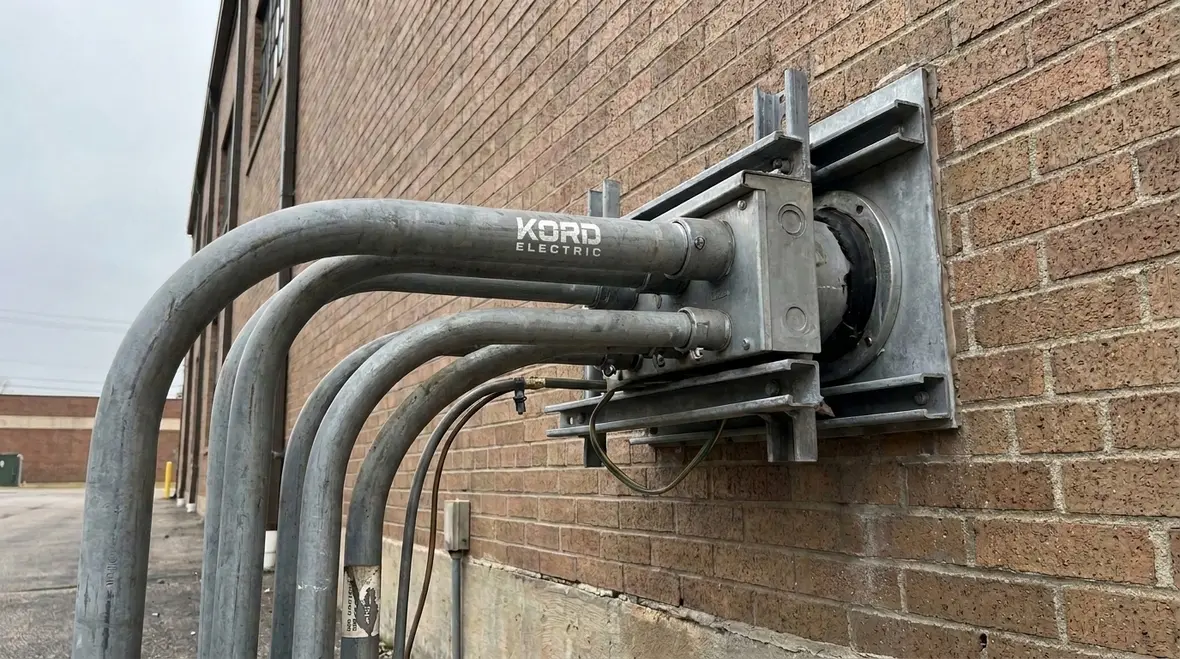
NFPA 70 230.52 NEC Conductors Entering Buildings Safe
NFPA 70 Section 230.52 and NEC conductors: how we keep commercial and industrial buildings safe
At Kord Electric, we work with commercial, industrial, and major property buildings where electrical systems must behave like they mean it. When NEC conductors entering buildings come from outside the structure, NFPA 70 Section 230.52 sets clear expectations for how individual conductors must enter. And that matters, because a “good enough” entry point can become a future problem, like a small leak that turns into a late night service call.
In this article, our expert service team explains the NEC approach step by step, using the intent behind the code rather than just memorizing rules. We then connect those ideas to real jobs our technicians handle every day, from service entrances to coordinated protection and clean grounding practices. If you run a facility, manage a building, or maintain electrical infrastructure, you deserve clarity that calms the noise.
Why Section 230.52 exists and what it aims to prevent
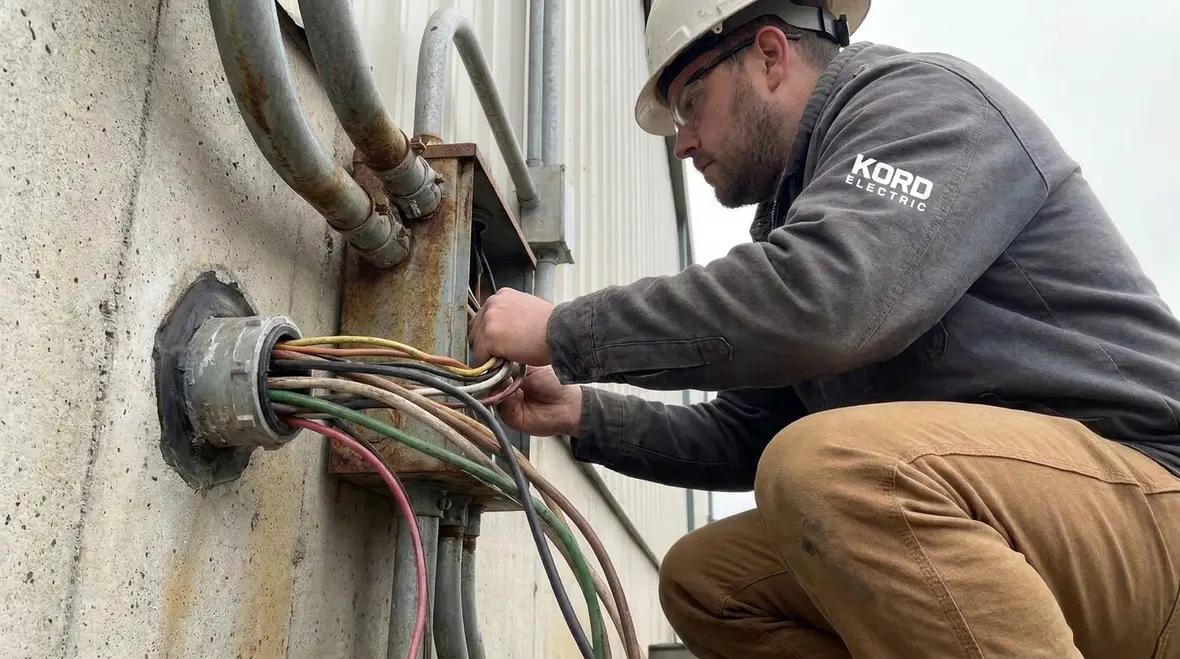
NFPA 70 Section 230.52 does not exist to make electricians miserable. It exists to keep electricity from getting into a building in ways that create hazards during normal operation and during fault conditions. When conductors enter a building, they cross from outdoor exposure to indoor use. That transition can expose wiring to mechanical damage, moisture, and improper termination. Therefore, the NEC pushes for installation methods that maintain insulation integrity and provide physical protection where needed.
Also, code requirements support predictable behavior during faults. When conductors are entered and supported correctly, the system’s protective devices get accurate fault paths. Consequently, breakers trip when they should, not when they feel like it. Our technicians see this pattern often: the field fix is usually harder than doing it right the first time, especially in commercial spaces where downtime costs real money.
And yes, we know people sometimes treat the electrical service like it is a backstage pass. You only notice it when something goes wrong. Section 230.52 tries to keep that from happening.
What counts as “individual conductors” at the building entry
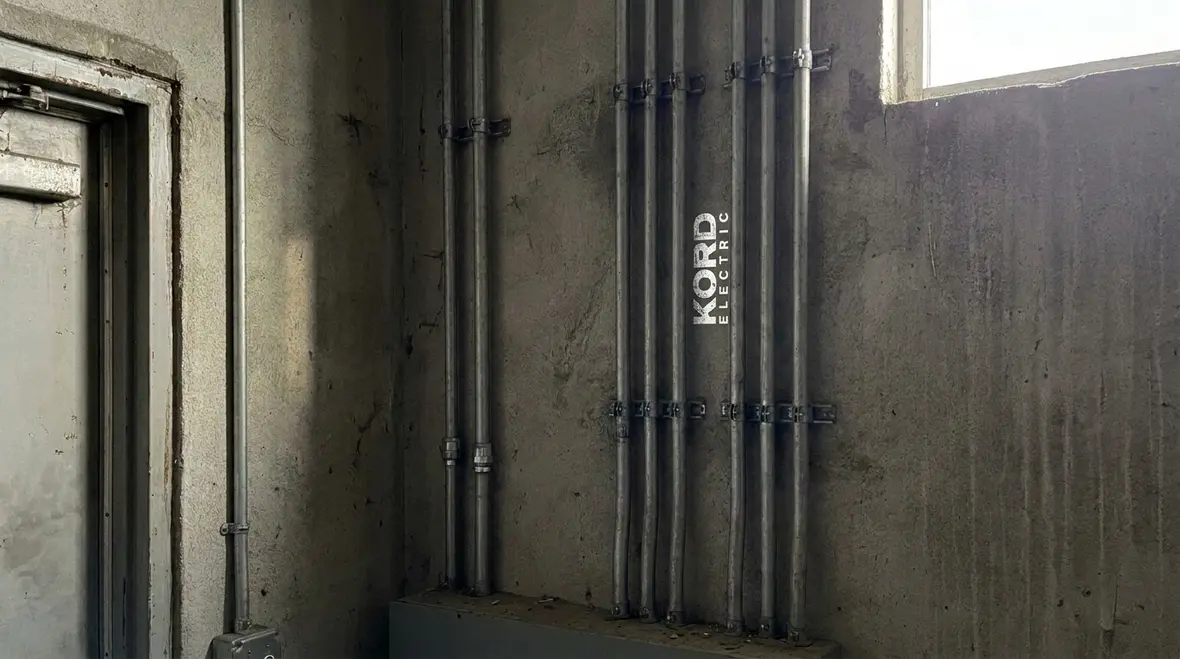
To apply Section 230.52, you have to identify the conductors in question. In practical terms, individual conductors are the wires that arrive at the building as separate paths rather than as a single assembled cable. They may originate from a utility source and then land on service equipment components, such as service disconnects or switchboards, depending on the system design.
Next, we look at how those conductors are routed from the service point to the service equipment. The NEC approach focuses on entry and support, because each conductor behaves differently under stress. If one conductor gets nicked, pinched, or poorly protected, the entire system can pay the price later.
Our expert service staff explains it this way during walkthroughs: you do not only protect insulation, you protect the continuity of the installation. We document routing, we verify securing points, and we confirm that terminations match the equipment instructions. That is how we help major property owners avoid hidden risk.
How the NEC guides the installation method for building entrances
Section 230.52 centers on practical installation rules. The code requires that the conductors enter in a way that provides adequate protection and prevents physical stress from reaching the wiring connections. Therefore, the method often involves careful sealing and use of suitable raceways or conduits, where required by the installation design. In many cases, the entry location and surrounding conditions drive the final method, including whether the entry is exposed, where moisture collects, and what access is available for maintenance.
In commercial and industrial work, we also coordinate these requirements with the rest of the service design. For instance, conduit routing and conductor support must align with how the service equipment expects conductors to arrive. If the building entrance is treated like an afterthought, you can create issues with bend radius, strain relief, and cabinet spacing. So we plan the run early, then we verify in the field.
Here is the key idea: the entry point should not become a weak link. When we install NEC conductors into the structure, we focus on both immediate safety and long term reliability. And because we service major facilities, we also consider ongoing access for inspections, maintenance, and upgrades.
Mechanical protection, routing, and support: the details that actually matter
Once conductors enter the building, they can still experience harm from vibration, construction movement, or routine traffic in mechanical rooms. That is why proper support and routing matter after the entry, not just at the threshold. Our technicians secure conductors so they do not hang from terminations. They keep stress off the connection points. Additionally, they use appropriate methods to prevent abrasion and to manage routing through areas where impacts can happen.
Moisture control also plays a role. Even when a building entry looks fine on day one, water can enter around openings or condense inside enclosures. Over time, that can affect insulation condition or corrosion at hardware. Therefore, sealing practices and correct enclosure choices support the intent of Section 230.52.
And if you have ever watched a movie where the hero says “we have time” and then they absolutely do not, you have seen the same logic that causes electrical problems. Facilities try to “deal with it later.” Later always shows up, usually during peak operations. We help prevent that by treating entry details as part of the system, not as paperwork.
Coordination with grounding, bonding, and overcurrent protection
Section 230.52 does not stand alone. It works with the larger NEC safety framework. When NEC conductors entering buildings enter properly, the grounding and bonding plan stays coherent. That means exposed metal parts, equipment enclosures, and service raceways receive bonding in the correct way, so fault current follows intended paths.
We also coordinate conductor entry with overcurrent protection. In the real world, the entry method affects how conductors connect to service disconnects, switchboards, and feeders. As a result, it impacts how the system clears faults. When our expert service staff reviews the design, we look at conductor type, ampacity expectations, and how the protective devices relate to the load profile.
Then we test and verify during commissioning. We confirm continuity where appropriate, check labeling, verify torque on terminations when required, and make sure the entry route supports future maintenance. In short, we reduce the chance of “mystery trips” or nuisance shutdowns that frustrate operations teams.
Real world guidance for commercial facilities and major property buildings
Every facility has a personality. One building has heavy vehicle traffic near service runs. Another has frequent renovations or leased space changes. Another sits in a coastal environment where salt air does not politely ask for permission. Because of that, we apply NFPA 70 Section 230.52 with site conditions in mind while still meeting code intent.
Our approach at Kord Electric stays structured. First, we map the service route and identify where conductors enter. Next, we verify the equipment interface points so the entry supports proper termination and sealing. Then we check mechanical protection needs based on exposure and movement. Finally, we coordinate with facility leadership about downtime windows for service work, because commercial operations do not pause for our calendars.
If you want a simple way to remember our method, it is this: we plan the entry like it is the first domino. When that domino falls right, everything else tends to fall into place, and inspections become far less stressful. Also, inspections are like auditions. You do not want to show up with a prop that fails on cue.
Dual column checklist for safer NEC building entry execution
What we verify at the entry
Entry location protection from impact and exposure
Conductor support so weight does not hang on terminations
Raceway and route compatibility with service equipment
Moisture control and sealing at openings
Clear access for inspections and maintenance
What we verify after entry
Grounding and bonding continuity in the system
Routing protection from abrasion and vibration
Correct preparation at terminations
Coordination with overcurrent protection design
Documentation for facility compliance and future work
FAQ: NFPA 70 Section 230.52 and NEC conductors entering buildings
Planning around NEC conductors entering buildings with broader NFPA 70 guidance
Service entries do not live in isolation. They sit inside a larger NEC picture that shapes how conductors are sized, protected, grounded, and maintained. When we plan projects that involve NEC conductors entering buildings, we also reference broader resources like our article Understanding NFPA 70: The National Electrical Code Explained for 2026. That context helps facility leaders see how a single code section fits into long term electrical safety.
For commercial and industrial clients, this bigger picture makes budgeting and scheduling easier. Instead of treating 230.52 as an isolated checklist, we combine it with grounding and bonding rules, overcurrent protection coordination, and equipment labeling so the system behaves predictably under normal and fault conditions. That is especially important when tying in emergency power, data center loads, or critical process equipment that cannot tolerate “mystery” outages.
We also help owners align service entrance work with broader initiatives like data-driven electrical design, emergency power planning, and power quality improvements. That way, each upgrade moves the site closer to a resilient, NEC-informed electrical infrastructure instead of creating another one-off project that is difficult to maintain.
Contact Kord Electric for code minded service entry planning
When your facility needs a service entrance upgrade, replacement, or compliance review, we bring a steady, code minded approach. Our technicians and expert service staff explain the “why” behind NFPA 70 Section 230.52 and help you plan NEC compliant work without drama. If your building has aging entries, renovation impacts, or inspection concerns, we can assess the system and propose a practical plan for commercial and industrial operations.
For properties across the region, our Los Angeles County electrical services team supports everything from clean service entrances to coordinated upgrades, so your electrical infrastructure is ready for both inspectors and everyday operations.
Contact Kord Electric today, and let us make the next inspection feel like a victory lap.
Sources referenced for background reading
For deeper context, we align our field guidance with materials from Kord Electric’s NEC explainer and related NFPA 70 discussions, including KordFire resources and industry references such as firepumps.org.


