
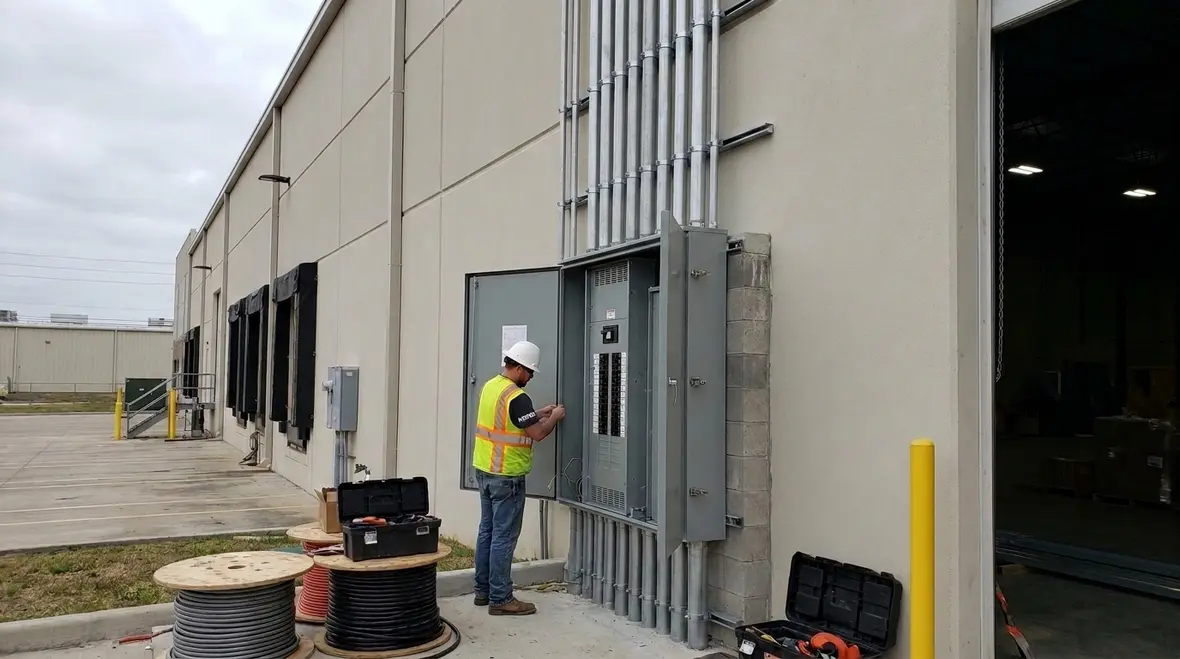
NEC Service Entrance Wiring Methods NFPA 70 230.43
When a commercial or industrial facility needs a new service entrance, the wiring method matters from the first pull to the last termination. In our work at Kord Electric, we guide building owners and facility managers through NEC service entrance wiring methods by starting with NFPA 70 Section 230.43 and then matching the choice to the real world: moisture, vibration, access, and how the building will be used. Then our expert service staff explains the “why” in plain language, because nobody wants electrical code to feel like a horror movie with extra steps.
Yes, wiring rules can sound dry. However, when you treat the service entrance like the backbone of the electrical system, you avoid problems that no one notices until the lights flicker and the phone starts ringing. And while some pop culture heroes fix everything with one punch, electricity usually does not. It needs the right method for the right job.
NEC service entrance wiring methods start with NFPA 70 230.43
For commercial and industrial facilities, we treat NFPA 70 Section 230.43 as the starting line for service entrance design, not an afterthought. It defines which wiring methods the National Electrical Code considers acceptable for service entrance conductors, and that list sets the boundaries for every choice that follows. Our technicians read the section the way you would read a critical spec sheet: carefully, in context, and always connected to the building’s actual conditions.
From there, we layer on practical questions: How exposed is the route to weather and mechanical damage? How will the building be used over the next decade, not just the next inspection? What maintenance access will technicians have once walls close and equipment lands in its final home? That mindset keeps the service entrance from turning into the “mystery box” nobody wants to touch when something trips at 2 a.m.
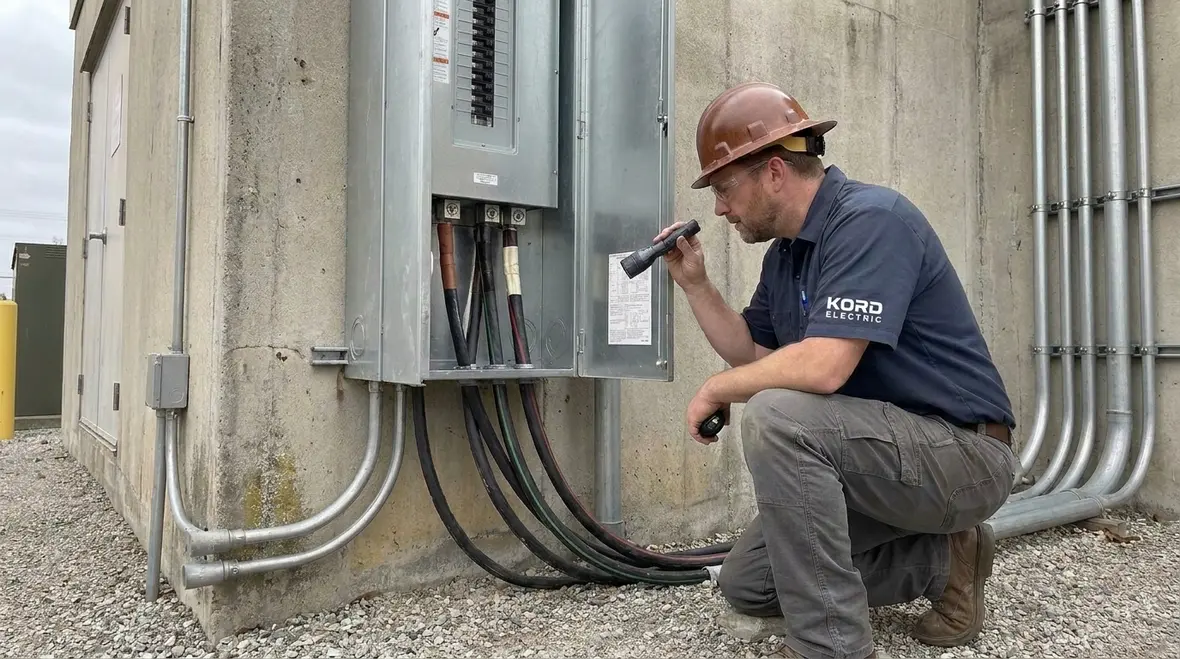
Because NFPA 70 evolves on a three-year cycle, we also connect 230.43 decisions to broader code resources that help facility leaders keep perspective. Many of our customers use our in-depth guide Understanding NFPA 70: The National Electrical Code Explained for 2026 as the big-picture roadmap while we zoom in on the service entrance details. That way, nobody feels like they are reading code in a vacuum while trying to keep a real building running.
What NFPA 70 230.43 actually allows for service entrances
NFPA 70 Section 230.43 focuses on permitted wiring methods for service entrances. In simple terms, it tells us which installation types the NEC recognizes as acceptable for the conductors that supply a building. Therefore, we treat this section as a filter: first we pick the environment and layout, then we confirm the wiring method falls under what the code permits.
From there, we align the wiring method with the system design and the physical realities on site. For example, where the path needs protection from physical damage, we choose a method built to resist impacts. Where the route passes through areas that see moisture or temperature swings, we select a method that supports safe performance over time.
Just like a well-designed loading dock keeps goods safe from forklifts, the right wiring method keeps conductors safe from the things the building throws at them. When our crews evaluate a new or upgraded service, they look at 230.43 as a living reference point that has to match the raceways, cables, and terminations they are installing, not just the design intent printed on paper.
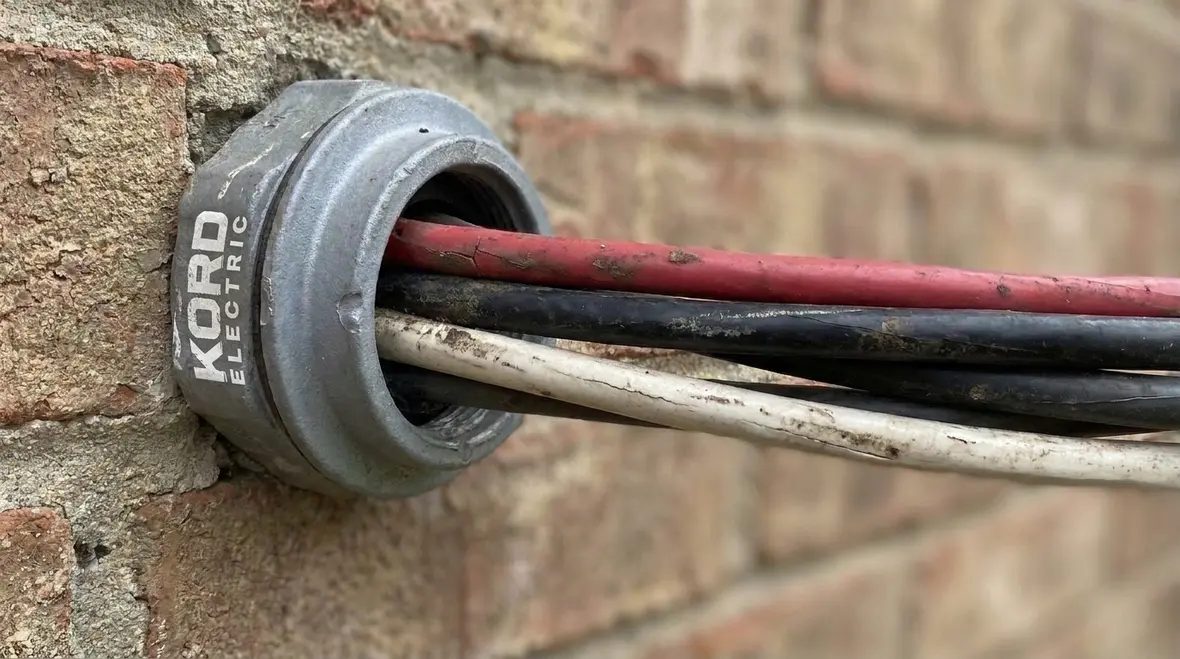
We also coordinate 230.43 with related NEC sections on overcurrent protection, grounding and bonding, and clearances. That keeps the service entrance from becoming a “code island” that technically passes one section but struggles when you zoom out to the whole system. In practice, that means the permitted wiring methods have to support how disconnects, meter sockets, and main service equipment will be mounted, accessed, and maintained for the life of the building.
How we decide between conduit, cable systems, and other accepted methods
As a general approach, our team evaluates three things in order: conditions, routing, and future service needs. Consequently, we do not choose wiring methods based on what is easiest on the first day. We choose them based on what will stay reliable on year five, year ten, and after tenant changes or equipment upgrades.
First, we look at the installation conditions. If the run is exposed to physical damage, we plan for additional protection. If the run is in a wet location or near water exposure, we verify that the method stays suitable for moisture. If the run sees vibration or mechanical stress, we ensure the method supports stable support and termination.
Next, we consider routing and accessibility. We follow the electrical layout so that bends, clearances, and support spacing do not compromise the installation. Then we think about maintenance. After all, our technicians do not want to perform emergency work if a planned service route could have made the work routine.
Third, we evaluate compatibility with the equipment and the service design. This includes how the conductors will connect to the service equipment and how the wiring method supports required securing and identification.
And yes, we hear the occasional joke from managers: “Can’t we just run it any way and pray?” We politely explain that electricity is not a religion, and the code does not grade on vibes. Instead, we rely on field-tested design habits and our broader NEC resources, such as our guides on how to read NFPA 70 and how to apply voltage and branch circuit rules, to keep decisions grounded in both the book and the building.
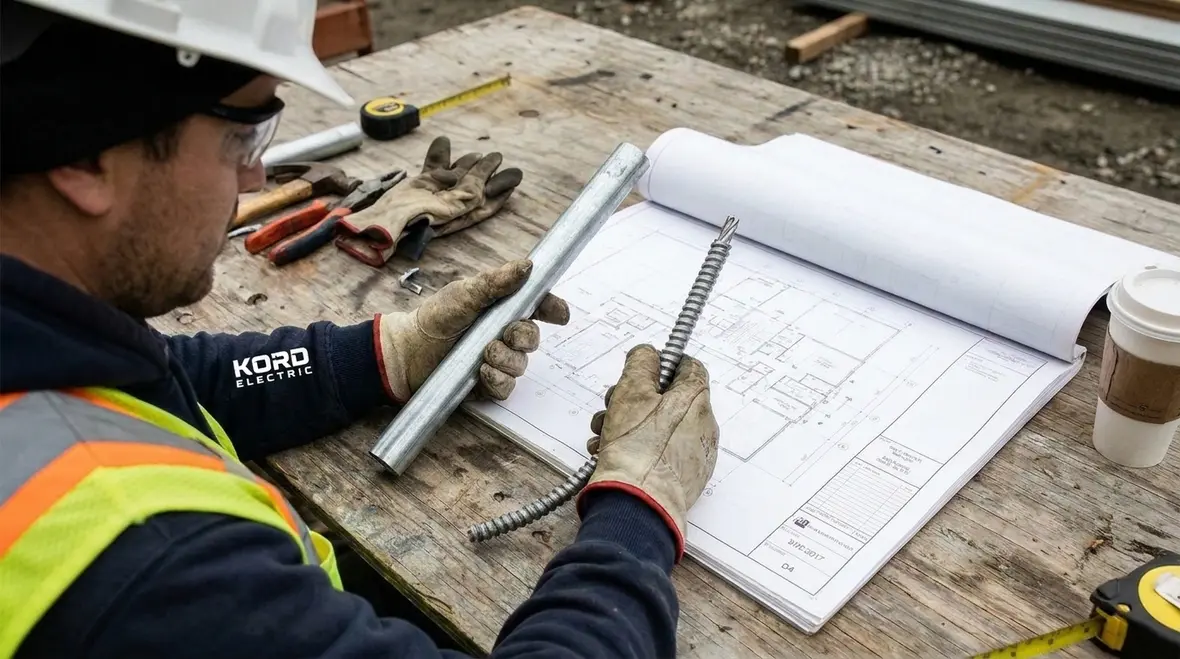
Behind the scenes, our crews also keep an eye on how NEC details like exterior clearances, outside disconnect ratings, and branch circuit identification affect the larger picture. When the service entrance method supports smart labeling and logical routing, it becomes much easier to maintain compliance with identification rules, outside disconnect marking, and training expectations that show up elsewhere in the code and in your internal safety policies.
Common commercial and industrial scenarios where 230.43 choices matter
Commercial and industrial buildings rarely share the same jobsite conditions, even when they share the same zip code. Therefore, we see distinct patterns that drive the permitted wiring method selection in NFPA 70 Section 230.43. Below are real-world scenarios we handle with our expert service staff, and how we think through them.
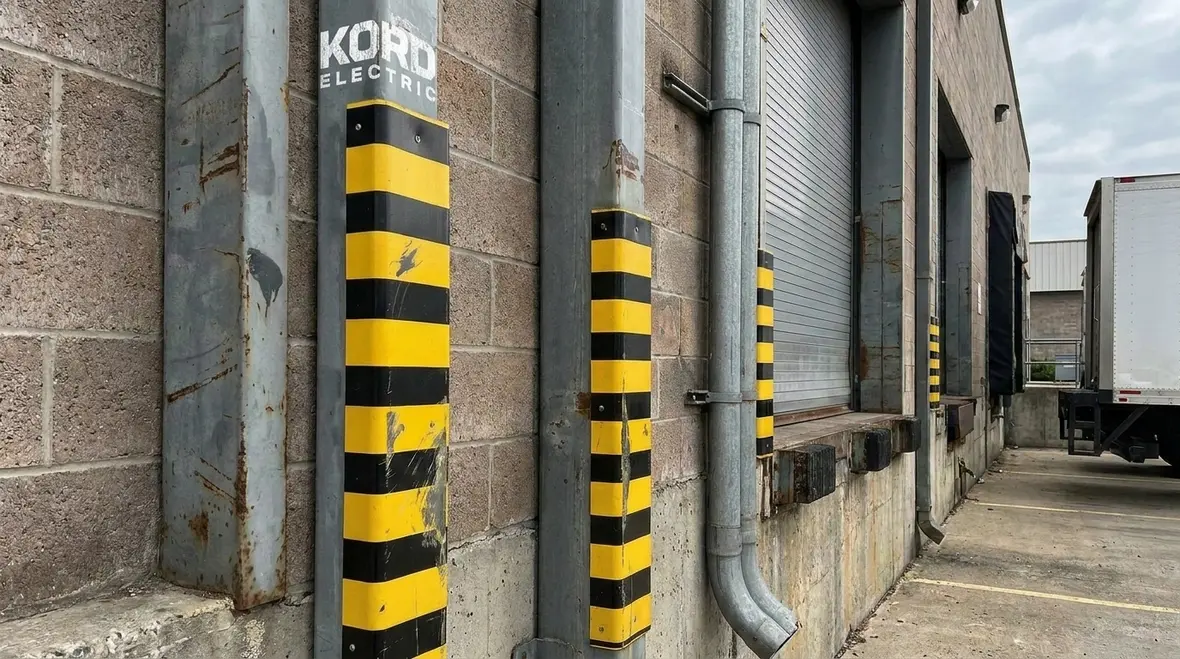
- Loading dock and exterior wall routing: Here, physical impact risk rises. We plan protections and select wiring methods that remain suitable under the conditions, then we confirm support and installation practices match the approved method.
- Mechanical rooms and near equipment: Vibration and heat can challenge long-term performance. We coordinate the routing to avoid strain, keep terminations stable, and use methods that support safe installation practices.
- Facilities with frequent upgrades: When the site anticipates changes, we plan wiring routes to support upgrades without tearing up finished areas. As a result, we reduce downtime and keep the service entrance flexible within code rules.
- Sites with moisture exposure: Where water is present, we use wiring methods that align with the environment and keep conductor systems protected from unsafe conditions.
- Multi tenant or complex property buildings: When responsibilities shift between occupants and property management, we document and label clearly. Then we align the wiring method so that future inspection and maintenance remain straightforward.
To be clear, we do not treat 230.43 as a checkbox. Instead, we use it to shape the safest and most practical installation plan for the facility. That plan stretches beyond the service entrance alone and into how branch circuits, feeders, outside disconnects, and even exterior multiconductor cable runs will behave. By keeping the story consistent from service entrance to final load, we simplify inspections and reduce the odds of surprises later.
For property managers and operations leaders who oversee multiple buildings or complex campuses, we often pair this scenario-based planning with our broader NEC application resources. Those resources help teams understand how scope sections, branch circuit rules, and exterior conductor requirements relate back to the service entrance that feeds everything. When everyone shares the same map, the project team stops arguing about code sections and starts planning around them.
Inspection readiness and documentation that keeps projects moving
Many projects stall during review because documentation does not match the field plan. However, we can prevent that by building inspection readiness into the process. Our technicians apply NFPA 70 requirements early, then we verify that the selected NEC service entrance wiring methods stay consistent from design through installation.
During planning, we confirm the raceway or cable type matches the approved wiring method rules. Then we check that the routing supports required spacing, securing, and protection. After that, we coordinate with the rest of the electrical scope: grounding and bonding, service equipment placement, and any required identification.
As inspections approach, we help facility teams understand what inspectors look for and why. That matters because when people understand the logic, they cooperate faster. And when they cooperate faster, your downtime shrinks. The electrical system stays safe, the schedule stays intact, and everyone pretends they are calm.
For owners and property managers, we also provide practical explanations. We describe what we are doing, what the code expects, and what you should watch during commissioning. This approach reduces guesswork and keeps the project moving the way good wiring should move current: efficiently and without drama.
Working with the NEC without getting lost in the fine print
Code language can feel like it was written by someone who loves puzzles and hates coffee. Yet the NEC, including NFPA 70, is meant to protect people and property. We treat it as a safety system, not a maze. Meanwhile, we also understand that facility teams need clear decisions, not a lecture.
So we translate the intent of NFPA 70 Section 230.43 into site actions. We connect the permitted wiring method requirements to routing reality, protection needs, and how the conductors will behave over time. Then we confirm that the design choices align with the service entrance layout and the facility’s operational requirements.
In our broader code approach, we reference the same NEC learning resources our customers often read, including our own published explanations of the NEC and related topics. That helps our teams keep consistent language across design, construction, and maintenance planning. If you have ever read an NEC overview page and thought, “I get it, but how does it help me on site,” that is exactly why our technicians walk the path from theory to field practice.
Also, if you are cross checking information from other trusted resources, we encourage that. For example, fire pump and fire protection stakeholders often coordinate electrical requirements alongside code updates, so clarity across disciplines helps. When fire protection systems and electrical systems agree on installation expectations, everyone benefits. And when you need support beyond the service entrance, our Los Angeles County electrical services team can connect NEC service entrance wiring methods to distribution, identification, and safety training across your whole facility.
FAQ: NFPA 70 230.43 and service entrance wiring
Ready to build a code compliant service entrance?
If you are planning a commercial or industrial upgrade, we can help you design and install a safe service entrance that aligns with NFPA 70 Section 230.43 and the NEC service entrance wiring requirements. Our technicians review site conditions, confirm permitted wiring methods, and guide you through installation details so inspections feel less like a surprise ambush. Contact Kord Electric now, and we will help you move forward with confidence, clear communication, and work that performs long after the permits get approved.


