
NEC Service Overcurrent Device Location Rules 230.91
When a facility plans or upgrades power distribution, the NEC service overcurrent device location rules matter before anyone tightens a single lug. We help commercial and industrial teams place service overcurrent devices correctly, because NFPA 70 Section 230.91 sets strict location expectations, and inspectors do not enjoy guesswork. In this guide, Kord Electric explains the practical meaning of Section 230.91 and how our experienced technicians and expert service staff guide electricians, facilities managers, and contractors through real jobsite decisions. We keep it clear, calm, and code accurate, even when the project schedule acts like it was written by a sitcom character who only respects deadlines after the punchline.
What Section 230.91 requires in plain business terms
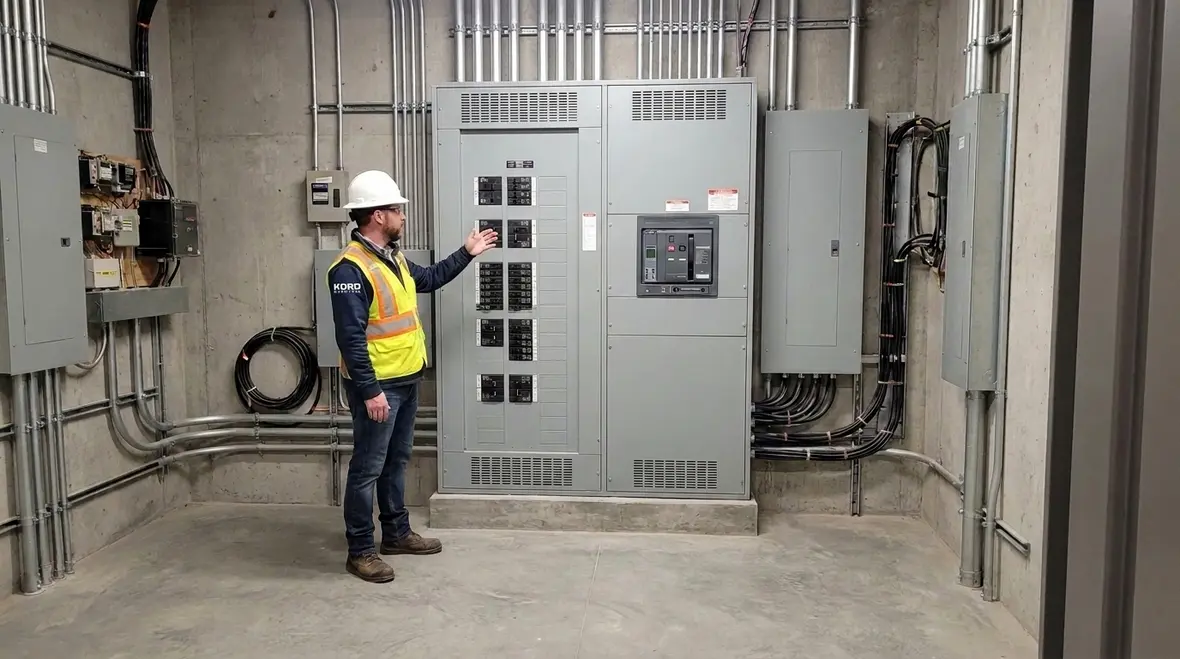
NFPA 70 Section 230.91 focuses on the service overcurrent devices and the locations where they can be installed. In other words, the code limits where these devices go so they remain accessible, protected from damage, and properly arranged for safe operation. When our technicians review a site plan, we do not just ask, “Can we mount it here?” We ask, “Will this location meet NEC service overcurrent device location rules in the real world, with real enclosures, real clearances, and real operating staff?”
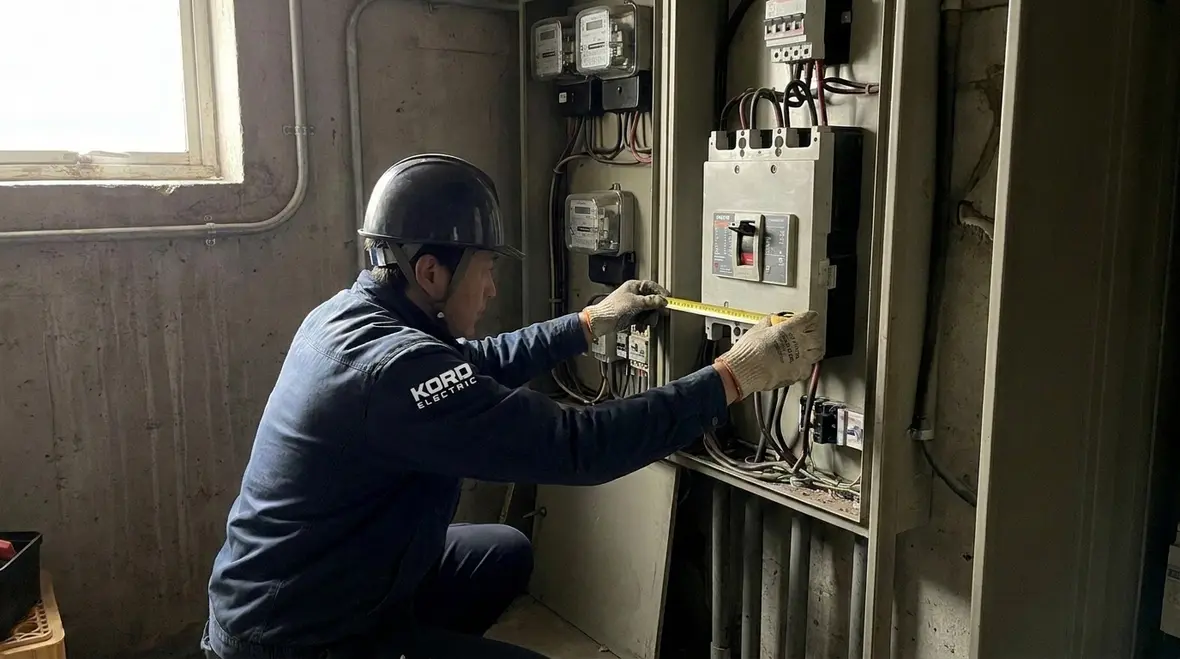
To stay compliant, the placement must support safe access and prevent hazards during inspection, reset, maintenance, or emergency response. Additionally, the design should support the overall service equipment layout, because the device does not exist alone. It connects into a system, and the system needs order. If a facility mixes up layout and access, troubleshooting turns into a scavenger hunt. Inspectors usually prefer fewer clues.
Why location rules matter before the first conduit run
Section 230.91 ties directly into the broader National Electrical Code expectations laid out for service equipment. Before a single conduit is installed, the team should understand how this section interacts with working clearances, disconnecting means, and overcurrent protection coordination. When we help clients plan, we reference supporting resources such as Kord Electric’s article on Understanding NFPA 70: The National Electrical Code Explained for 2026, then zoom into the specific service overcurrent device details the project needs.
How we apply NEC service overcurrent device location rules during design
Design teams often start with one goal: keep the schedule moving. However, Section 230.91 pushes teams to think ahead. Therefore, we walk clients through the layout decision early, before walls open, before conduit is buried, and before someone “just swaps it later.” Our expert service staff explains the code intent, then translates it into a plan that fits commercial and industrial facilities.
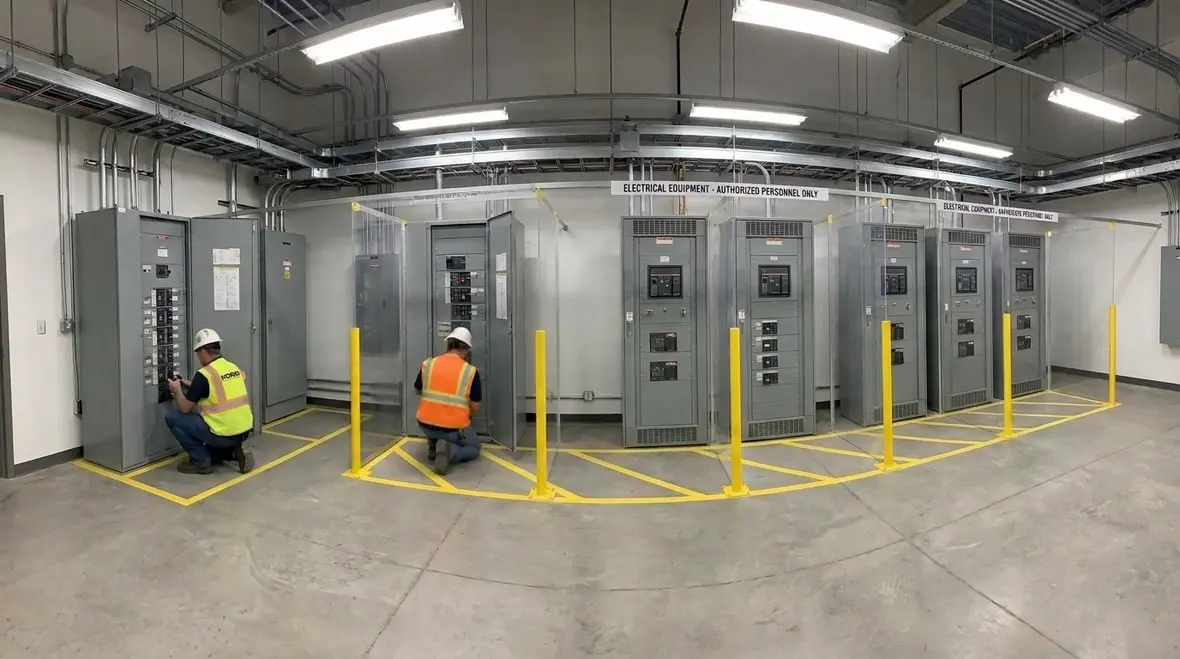
For example, we help teams confirm the device location relative to the service equipment area and the path for access. We also verify that the installation method and surroundings support safe operation. Then we check that the approach supports ongoing maintenance without forcing personnel into awkward, unsafe positions. And yes, we do stop the “it will be fine, we can reach it” approach, because hands get tired, people get rushed, and physics always wins.
Aligning device placement with the overall NEC strategy
Our technicians do not treat the NEC service overcurrent device location question as an isolated detail. We align it with broader planning around NFPA 70 scope and application, pulling in guidance from code-focused resources like the 2026 NEC application requirements guide and Kord Electric’s practical articles on how to read NFPA 70 for real projects. When we coordinate these pieces, the final layout supports safe operation, clear labeling, and smoother future upgrades.
Practical placement: access, protection, and working space
In the field, “location” means more than a dot on a diagram. It includes access, protective barriers, and the working conditions around the device. Under Section 230.91, facilities should plan for safe entry, safe interaction, and safe servicing. When a team chooses a location that makes access difficult, it can create compliance risk and operational delay, and it can also slow down response time during faults.
Our technicians focus on three practical points while planning or upgrading major properties. First, they ensure workers can reach the device without obstruction. Next, they consider protection from physical damage, because gear in harm’s way ends up with costly repairs. Finally, they confirm the surrounding environment supports safe use, including barriers and clearances. If the facility uses a shared electrical room, we also coordinate with building operations so access stays predictable for both scheduled maintenance and emergency work.
Working clearances and real-world maintenance behavior
In many facilities, the code-required clearance exists on paper but disappears in practice once storage racks, ladders, or miscellaneous supplies start creeping into the space. During our NEC service overcurrent device location review, we ask how the room will look six months after turnover, not just on the day of inspection. That perspective keeps access meaningful and prevents future maintenance from turning into an obstacle course during an already stressful fault response.
Typical commercial and industrial setups we see on major projects
Commercial and industrial facilities vary, yet the placement challenges tend to rhyme. Therefore, we apply the same disciplined review process across common setups, and we adjust details to the building realities.
Dedicated service rooms often work best when access routes and equipment spacing stay organized. In these cases, our team helps confirm the device is placed so maintenance staff can work safely and reach controls quickly.
Distributed buildings on a campus create another layer of complexity. Then, the project team must consider consistent layout across multiple structures while still meeting local conditions. We help clients align equipment location decisions so the facility stays manageable for long term operations.
Tenant build outs in major property buildings can introduce confusion because electrical work sometimes happens in phases. However, service overcurrent device placement needs a stable plan. Our technicians coordinate with the electrical contractor and the building management team to keep the service area organized and code aligned.
Harsh environments such as warehouses, manufacturing areas, or facilities with heavy traffic also matter. We help teams select a location that supports protection and reduces the chance of damage from normal activity. In a warehouse, forklifts do not negotiate, and neither should electrical design.
Linking layout choices to long-term NEC compliance
Because a service overcurrent device often becomes the starting point for future modifications, we think about how each layout will age. Campus environments, data centers, and multi-tenant properties all rely on a clear backbone of service equipment that stays understandable years later. By aligning 230.91 placement with broader NEC guidance for branch circuits, feeders, and service disconnects, we help facilities avoid the “mystery panel” problem that shows up when documentation and reality drift apart.
Coordination with inspectors and documentation that actually helps
Even with the best layout, inspections can feel tense. So we help clients reduce surprises. Our expert service staff documents assumptions, location decisions, and device arrangements in a way that supports inspection review. Then, when questions come in, we answer them with clarity rather than guesswork.
During review, we also verify that drawings and field conditions match. If a facility changes the equipment layout late, the risk increases. Therefore, we encourage teams to treat any change as a new compliance check, not as a “minor adjustment.” That mindset keeps the project steady and keeps compliance strong.
We also explain the code language in a plain way, and we do it consistently across the team. So the contractor, facility manager, and electricians stay aligned. This reduces rework, and it saves budget. Nobody enjoys paying twice for the same fix, even if the first fix was done with confidence and a coffee-fueled grin.
Using NEC-focused resources to support review
For complex projects, we often attach references back to Kord Electric’s own NEC-focused guides so everyone sees the same context. Articles like “Understanding NFPA 70: The National Electrical Code Explained for 2026” and how-to resources on reading the code help inspectors, designers, and facility leaders speak the same technical language, even when they bring different day-to-day priorities to the table.
Where power upgrades often go wrong, and how we prevent it
Most problems start with timing. A team finalizes the electrical room layout, then later swaps equipment, shifts conduits, or changes the routing because a different vendor quote arrives. Meanwhile, the placement rules do not move just because the schedule does. Hence, our technicians use a steady approach for upgrades in major commercial and industrial facilities.
Common failure points include equipment being placed in a spot that looks “close enough,” locations that limit access during maintenance, and arrangements that do not support safe operation. Another issue appears when a plan assumes a clearance that the field does not actually provide. When that happens, the facility ends up with a correction plan instead of an improvement plan.
To prevent these issues, we conduct a pre install review that focuses on the NEC service overcurrent device location requirements. Then we confirm mounting approach, access routes, and physical protection. After that, we keep the project moving by communicating decisions early and clearly. Our service team aims to make compliance feel boring, because in electrical work, boring usually means correct.
Connecting Section 230.91 to broader upgrade strategy
We also tie service device placement into long-term upgrade planning. When facilities evaluate surge protection, new branch circuits, or data center expansions, the initial service equipment decisions can either support that growth or complicate it. By checking Section 230.91 alongside related NEC sections up front, we help clients avoid dead ends where a future project discovers that the original device location now constrains safe additions.
Industry resources we use to stay code grounded
We do not rely on memory or rumor. Therefore, we use trusted code and educational sources while we work. Kord Electric connects the dots between code requirements and how teams build and maintain real systems. In addition, Kord Electric aligns with broader NEC explanations published by Kord Electric’s own materials and Kord Fire resources, including guidance focused on the National Electrical Code and its practical application. You can explore supporting context at kordelectric.com and kordfire.com, plus additional code education through related references like kordfire.com.au and firepumps.org for background that helps teams understand electrical and fire safety planning.
Building a repeatable NEC playbook for your facility
Over time, we help commercial and industrial clients build their own internal playbook for NEC topics that matter most, from NEC 110.1 general requirements to specific sections such as 230.91 and 230.72 on grouping service disconnects. By pairing these references with project checklists, facilities keep each new installation or upgrade aligned with the same code mindset, instead of reinventing the process every time a panel or service overcurrent device is added.
Key idea
Section 230.91 governs where service overcurrent devices belong so access and safety stay intact.
How Kord Electric helps
Our technicians review layout, access, protection, and documentation so commercial and industrial projects pass with fewer surprises.
FAQ about NFPA 70 Section 230.91 and service overcurrent devices
Final thoughts and next steps with Kord Electric
When your facility runs on dependable power, electrical design can not be treated like guesswork or “we will figure it out later.” Our technicians and expert service staff help commercial and industrial teams apply NFPA 70 Section 230.91 with real jobsite thinking, clear documentation, and calm, confident execution. If you plan a service upgrade, a major tenant build out, or a new electrical installation, Kord Electric can review the layout and support compliant decisions from the start.
For owners and managers who want a deeper foundation before the next project, Kord Electric’s NEC-focused resources, including Understanding NFPA 70: The National Electrical Code Explained for 2026, help connect the rulebook to everyday decisions. When you are ready to put those ideas into action, our field teams turn that understanding into real, code-aligned installations.
If your facility is in Southern California and you need a partner who treats NEC service overcurrent device location decisions as part of a bigger reliability plan, explore our Los Angeles County electrical services to see how we support commercial and industrial properties from initial design through inspection and ongoing maintenance. Contact us to schedule a code-focused consultation and keep your next project grounded in both safety and schedule reality.
Contact us to schedule a code-focused consultation and keep your next project grounded in both safety and schedule reality.


