
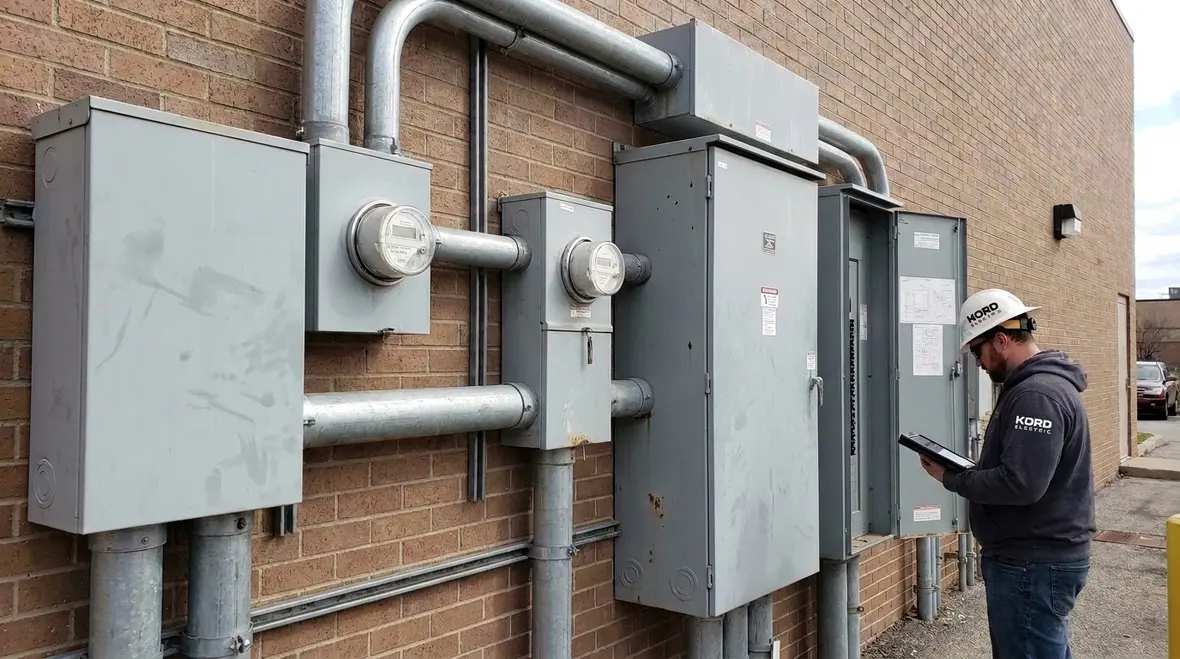
NFPA 70 230.82 Supply Side Service Disconnect Compliance
At Kord Electric, our technicians and expert service staff spend real time looking at how NEC supply side service equipment affects safety, reliability, and inspection readiness. That starts before the service disconnect gets involved, because NFPA 70 Section 230.82 focuses on what sits on the supply side of the service disconnect. In other words, the part of the system that often gets overlooked until something acts up. And yes, we have seen plenty of “it worked last year” situations. Electricity does not care about last year. It cares about today.
So, in this article, we explain how Section 230.82 shapes equipment requirements, why inspectors pay attention to it, and how commercial and industrial facilities can stay compliant without guessing. We also keep the tone practical, because when your building runs on people, processes, and uptime, electrical decisions should not feel like a bedtime story.
What NFPA 70 230.82 covers on the supply side
NFPA 70 Section 230.82 addresses equipment installed on the supply side of the service disconnecting means. This includes the parts that utility power or other supply sources feed into before the building’s main disconnect takes control. Consequently, the requirements aim to reduce hazards from improper equipment selection, damage, or unsafe conditions.
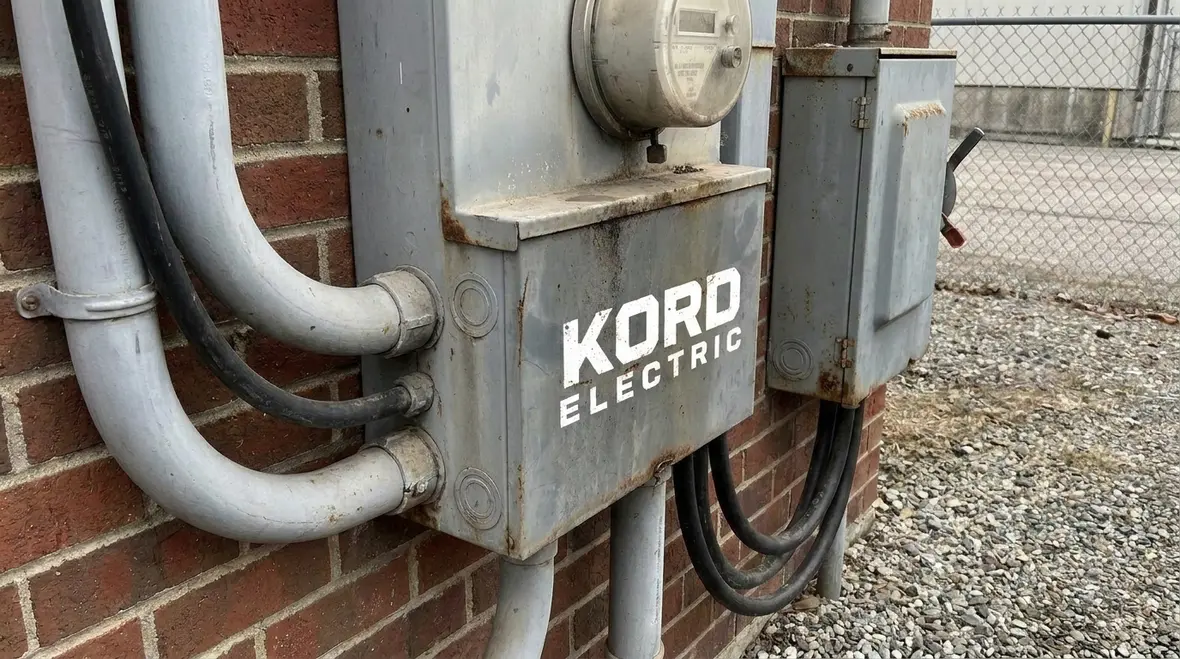
To put it plainly, the supply side must stay suitable for the duty it performs. That means you should not treat this area like a storage shelf for “whatever fits.” Instead, you must plan the equipment, ratings, and installation approach with care, especially in large commercial and industrial settings where loads are steady, currents can be high, and maintenance windows are expensive.
Our team at Kord Electric reviews these details methodically. Then we explain them in plain language to facility managers and electrical contractors, because when your electrical system is involved, misunderstandings become expensive fast.
Why inspectors focus on service disconnect adjacency
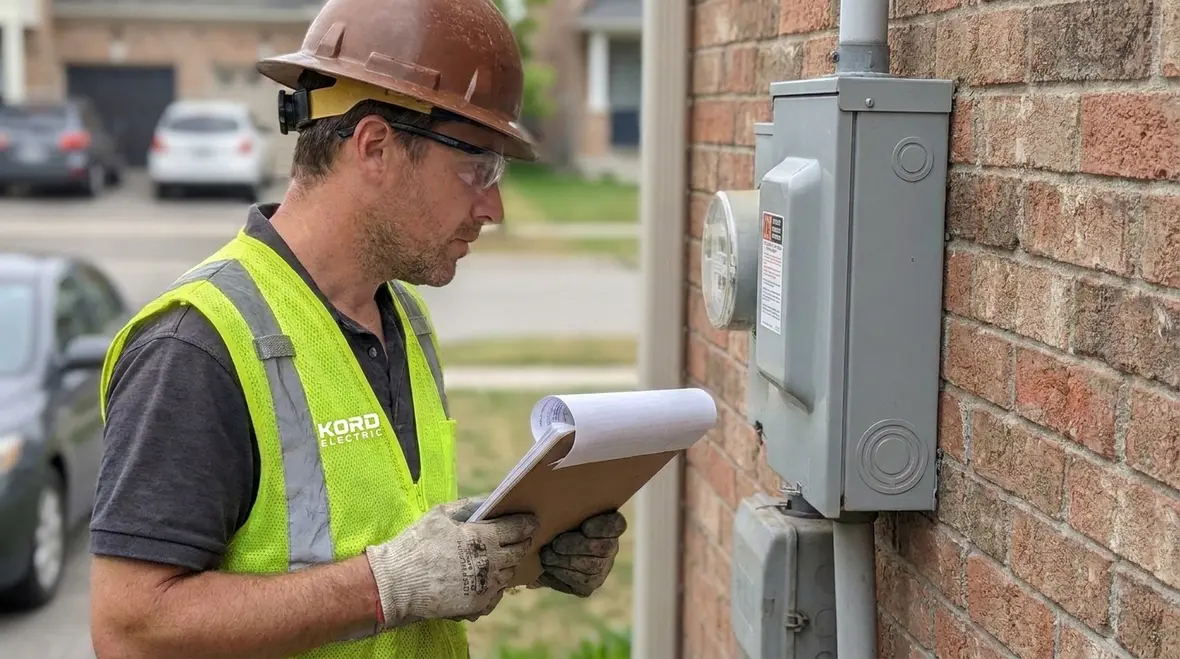
Inspectors look closely at the area around the service disconnect because it acts like the boundary between utility-controlled conditions and building-controlled conditions. From a safety standpoint, if the supply side equipment fails or operates unexpectedly, the disconnect may not be enough to protect workers or equipment downstream.
Therefore, the placement, construction, and suitability of the supply side equipment matters. Even when a building has good internal practices, problems can still appear when supply side components are mismatched, improperly protected, or installed without attention to the requirements that NFPA 70 expects.
And we have learned something over the years. Most electrical issues do not start as disasters. They start as “good enough” decisions made under time pressure. Then one maintenance event later, the system shows its personality, usually at the worst possible moment.
Equipment suitability, ratings, and protective expectations
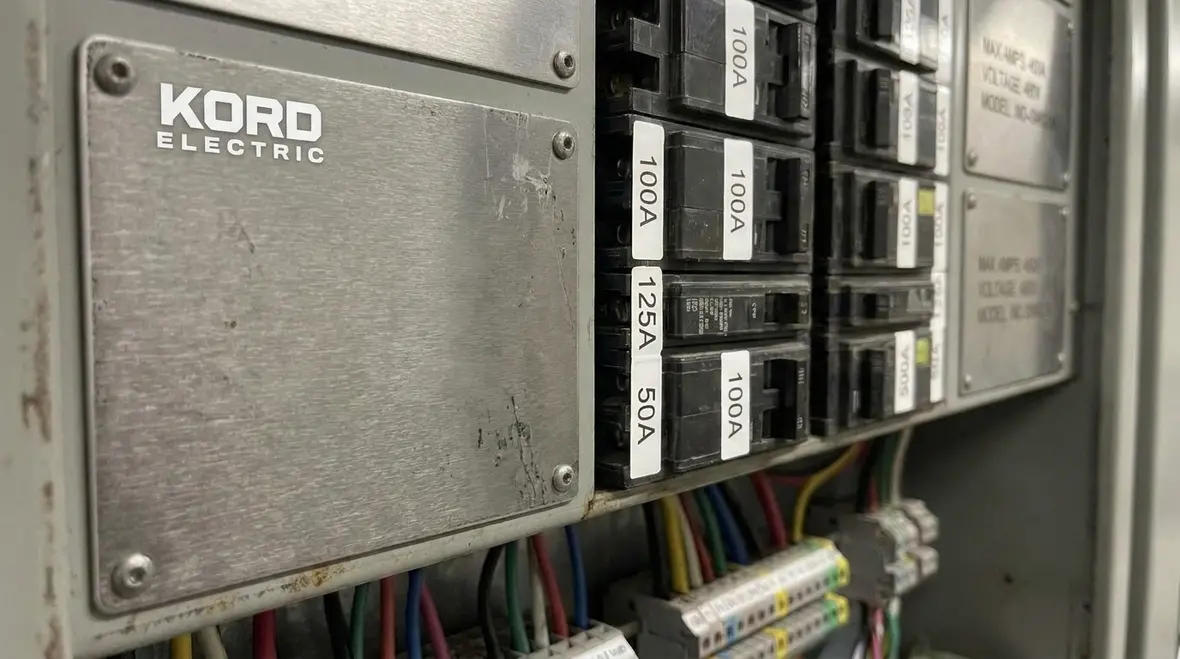
Section 230.82 pushes you to treat equipment on the supply side as critical. You need equipment that can handle the electrical stresses it will see, including the fault conditions that can occur in real service environments. For commercial and industrial facilities, that often means loads with different duty cycles, motor start surges, process power demands, and other realities that make electrical design less textbook and more “on the job.”
As a result, Kord Electric’s approach centers on correct equipment selection and correct installation. Our technicians verify that ratings align with the service, that components match the intended use, and that the installation supports safe operation under expected conditions.
We also help teams avoid a common problem. People sometimes assume that because the service disconnect is present, everything upstream automatically becomes safe. However, the supply side still includes equipment that may be energized, may sustain available fault current, and may require proper construction and arrangement to reduce risk.
How conduit, wiring methods, and physical layout affect compliance

You can design a system with the right equipment and still run into issues if you ignore how it gets installed. Physical layout and wiring method decisions influence heat, mechanical protection, access, and the ability to maintain and inspect components.
In commercial and industrial facilities, space constraints and existing infrastructure matter. Some buildings have shared utility corridors, multiple tenants, phased renovations, or complex service routes. So, transition planning becomes essential. When we work with owners and contractors, we look at how the supply side equipment sits relative to the service disconnect and how routing methods preserve safety and durability.
Then we explain the “why” behind the details. When wiring methods protect conductors from damage and the layout supports safe working access, you reduce the odds of field modifications that later turn into inspection trouble. In other words, we help you build it right so you do not have to “fix it later.” Electricity loves later. Your budget does not.
Coordination with overcurrent protection and system behavior
Even when Section 230.82 focuses on supply side equipment, it ties into how the entire service behaves. Overcurrent protection coordination, fault current characteristics, and device performance all interact with each other. Therefore, supply side decisions should not happen in isolation.
Our expert service staff coordinates the picture from supply to disconnect and into the distribution system. We help facility teams understand how protective devices should work together, how available fault current influences equipment selection, and how coordination plans can reduce nuisance trips while still protecting conductors and equipment.
This is especially important in major property buildings where there are mixed loads and complex distribution. A well coordinated system improves reliability. A mismatched system can turn routine events like motor starts or maintenance transfers into a chain reaction of trips and downtime.
Common errors we see at commercial sites
Over time, Kord Electric has seen patterns. Some errors come from rushing during upgrades. Others come from copy and paste designs that ignore site specific conditions. To keep commercial and industrial facilities safe and inspection ready, we recommend focusing on these recurring trouble spots.
We frequently encounter the following issues:
- Supply side equipment installed with incorrect suitability or ratings for the service conditions
- Improper physical arrangement that limits access, maintenance, or safe working clearance
- Inconsistent wiring methods that reduce mechanical protection or complicate inspection
- Equipment selections that do not align with system fault and protective expectations
- Documentation gaps that make inspections harder and lead to repeat visits
Then we do the part people often skip. We explain the correction process and the reasoning, so the facility team knows what changed and why. When everyone understands the plan, future service calls get faster, and the building stays calmer.
Staying aligned with NEC updates and real world requirements
Codes evolve, and large facilities must keep pace. Kord Electric stays current on NEC expectations through trusted resources and ongoing review, including the guidance discussed across our educational materials and related fire and electrical code explainers found on platforms like our in-depth NFPA 70 explainer for 2026. We also reference industry perspectives from electrical and fire safety communities that discuss how the NEC connects to safer building operations.
At the project level, we treat compliance as a living process, not a one time event. When a building undergoes a service change, a tenant improvement, or a major electrical retrofit, the supply side can become the hidden weak point. Therefore, we evaluate the full path that leads up to the service disconnect, not just what is visible during rough inspections.
For major property buildings, this matters even more. Multiple stakeholders exist, schedules shift, and equipment may come from different vendors. We make sure the supply side approach still meets NEC expectations, so you do not inherit problems that show up months later.
When you are ready to apply this guidance on a real project, the Los Angeles County electrical services overview shows how Kord Electric supports everything from permit planning to final inspection for commercial and industrial facilities that depend on safe, compliant supply side service equipment.
FAQ on NFPA 70 Section 230.82 and NEC supply side requirements
Ready for a supply side compliance check? Call Kord Electric
If you manage a commercial or industrial facility, you already know uptime is the real currency. Kord Electric helps you verify the supply side of the service disconnect so your building stays safe, inspection ready, and reliable. Our technicians and expert service staff explain what we find, why it matters, and how we correct issues without unnecessary disruption. Reach out to Kord Electric to schedule a review and get a clear plan you can trust. Then we can all stop treating electrical compliance like a surprise party.
For facilities planning larger upgrades or new projects, coordinating NEC supply side service equipment decisions with broader system design, emergency power strategies, and data-driven load planning keeps everything working together. Kord Electric’s broader blog resources on topics like NFPA 70 fundamentals, load determination, and power reliability can support your internal teams while our field crews handle the real world details.


