
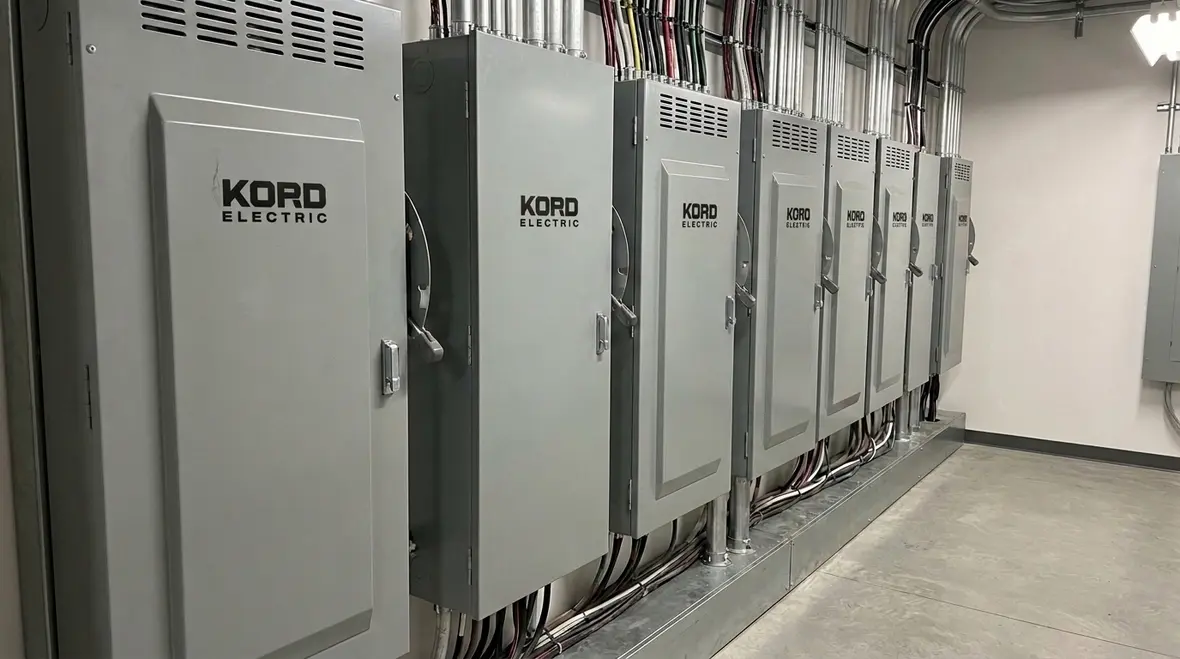
NFPA 70 Section 230.80 NEC Combined Disconnect Ratings Guide
At Kord Electric, we see the same problem play out across commercial and industrial facilities: multiple service disconnects exist on paper, but the expected safety outcome depends on how their ratings work together. That is exactly what NFPA 70 Section 230.80 — Combined Rating of Multiple Service Disconnects addresses. In our experience, our NEC combined disconnect ratings guidance helps facility owners and electrical managers avoid confusing situations during commissioning, inspections, and maintenance. And yes, if you have ever watched a project team argue about labels like they are debating a trivia night prize, you already understand why this section matters. We make sure the disconnects align with real code intent, not wishful thinking.
NFPA 70 Section 230.80 and why it controls the “service disconnect story”
Third person planning often focuses on where the disconnects go, but Section 230.80 focuses on what they are allowed to do together. In other words, it governs how the service disconnect equipment can provide a combined rating when more than one disconnect handle the service load.
When a facility uses multiple service disconnects, inspectors will not only look for compliance at the equipment level. They will also verify that the combined rating used for the downstream design matches the requirements of the code. Therefore, this section becomes a bridge between equipment nameplate ratings and the electrical system that follows.
Our expert service staff explains it like this: the code does not want a team to “stack” disconnects in a way that makes the system look safer on paper than it actually behaves in real use. Instead, it sets conditions so the ratings can be treated as combined when the arrangement is correct. That is also why accurate documentation and labeling matter during turnover.
How the NEC combined disconnect ratings work in real service setups
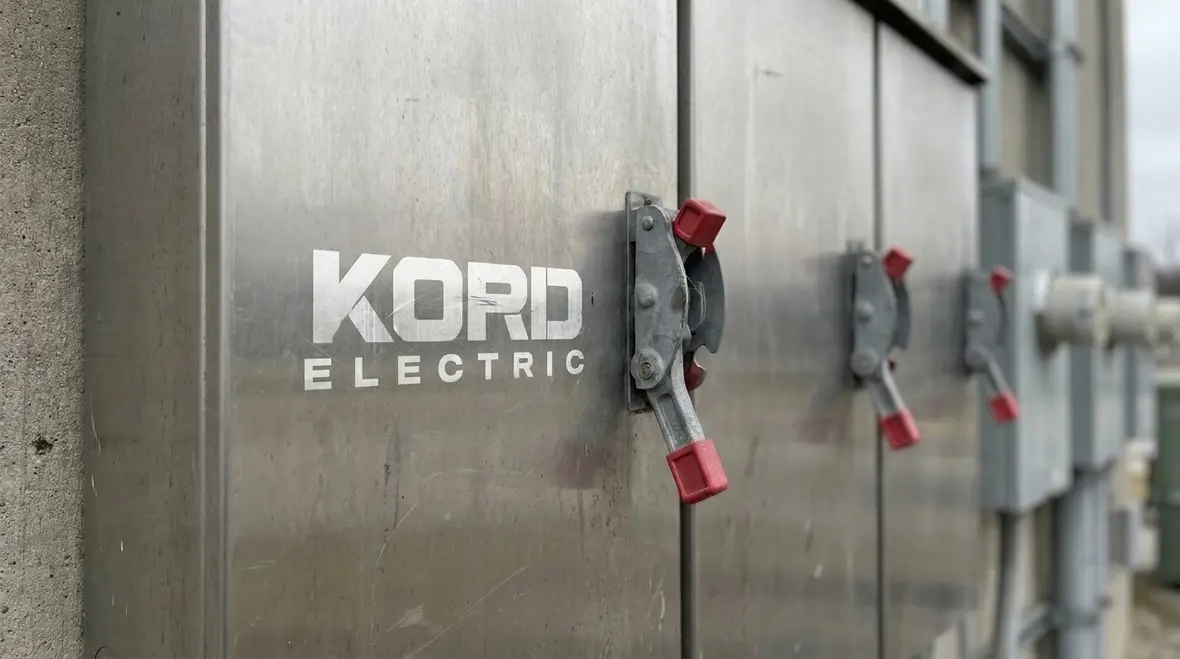
Commercial and industrial facilities often require multiple disconnect locations for operational reasons, tenant access, or redundancy planning. However, Section 230.80 only allows combined service disconnect ratings under specific conditions.
Typically, those conditions relate to how the disconnects are grouped and how the system design uses the ratings. For example, if the electrical design expects certain maximum service capacity downstream, then the disconnect arrangement must support that expectation in a code compliant way. Otherwise, equipment sizing, coordination, and protective device settings can drift into a risky mismatch.
Furthermore, the code logic ties directly to the ability of the disconnects to interrupt current under the conditions the system will face. If the facility expects current levels that exceed what the combined arrangement is allowed to represent, then the “combined” claim becomes more like a magic trick than an electrical calculation.
Our technicians help teams handle this with clear steps: they review the one line diagram, confirm equipment ratings, check how the disconnects are arranged, and verify that the labels and schedules match the approved design. In the end, everyone stays aligned from design through field verification.
Two-column field reality guide
Design side
Verify the service disconnect arrangement and the basis for combined ratings shown on drawings. Confirm how the electrical loads and downstream equipment depend on those ratings. Track assumptions so the field does not “interpret” differently later.
Field side
Check actual disconnect equipment, nameplates, handle ratings, and grouping. Confirm the labeling and installation match the one line. Document results so inspectors see the same story the drawings do.
Where facilities get tripped up during inspections
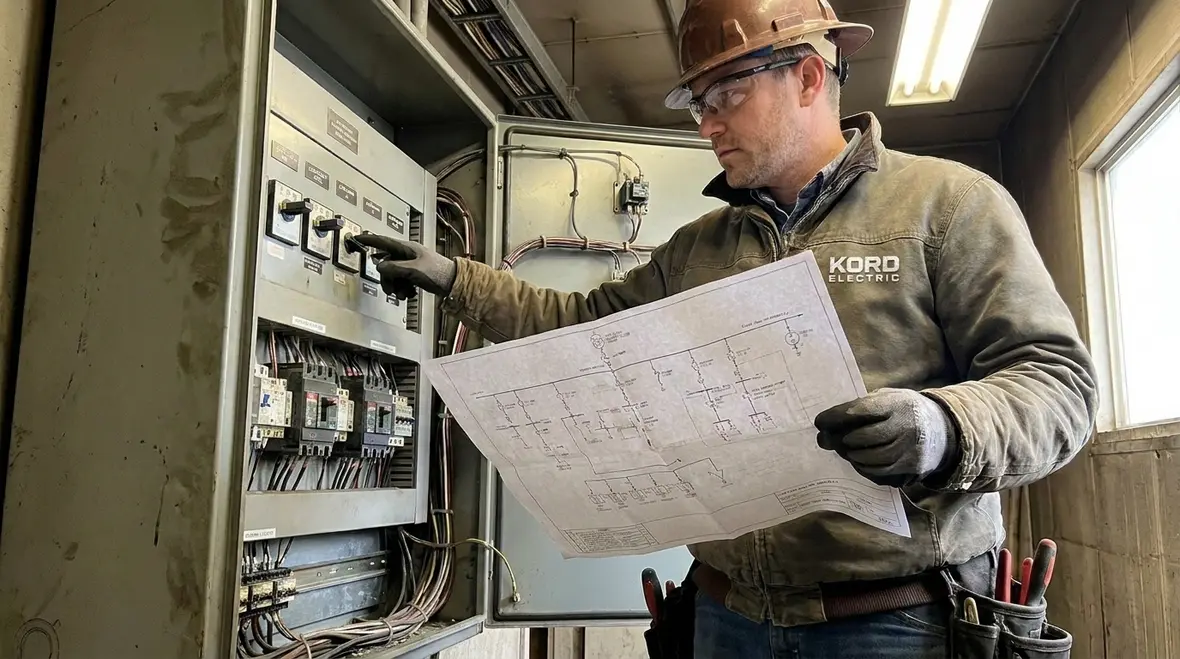
Most issues do not come from bad intent. They come from rushed coordination between design, procurement, and installation. Then, during inspection, the questions get direct and the answers must be precise. When multiple disconnects exist, inspectors usually want to see that the arrangement supports the intended NEC combined disconnect ratings method and that the system design did not quietly assume a combined capability that the code does not allow.
Common trouble spots include mismatched equipment selections, incomplete documentation, and labeling that does not reflect the approved configuration. In addition, teams sometimes assume that if each disconnect is listed and rated correctly on its own, the “system view” automatically follows. Unfortunately, code sections like 230.80 focus on how multiple disconnects operate together under defined conditions.
To prevent these problems, our expert service staff takes a practical approach for commercial and industrial sites. They organize a pre inspection review, confirm the details that get asked about most often, and explain what the inspector is really checking beneath the paperwork. Think of it as prepping for a test, except the test is electrical safety and the grade is whether the facility can energize.
For teams that want to connect Section 230.80 with the broader NEC framework, it also helps to review resources like Kord Electric’s guide Understanding NFPA 70: The National Electrical Code Explained for 2026, which walks through how code direction shapes real-world design and inspection expectations.
Coordination, grounding, and labeling: the parts that matter after the disconnects

Section 230.80 sets the combined rating logic, but the electrical system still needs to function correctly when conditions change. Therefore, teams must keep coordination and protective device behavior in mind after the disconnects are approved.
First, protective devices downstream must match the design basis and interrupting requirements. If combined ratings drive load calculations, then the protective devices need to stay coordinated with those assumptions. Our technicians often see that when combined ratings get handled incorrectly, coordination can suffer next. Then, when the facility attempts testing or maintenance, unexpected nuisance behavior or sluggish fault response can show up.
Second, grounding and bonding must remain consistent with the service design. Even though Section 230.80 does not focus only on grounding, it still interacts with the overall service arrangement. If teams mix and match details during upgrades, the result can be inconsistent system performance.
Third, labeling and documentation should be treated as safety equipment, not admin work. Clear labels help operators understand which disconnect group serves which portion of the system. Meanwhile, updated one line diagrams help the next team avoid repeating the same confusion. As everyone in electrical work knows, the future always sends maintenance crews with questions, and they are never shy.
Because service disconnect strategies rarely live in isolation, many facilities also look at how Section 230.80 interacts with maintenance expectations from NFPA 70B and the broader electrical safety picture. Resources like Kord Electric’s NFPA 70B electrical panels and switchgear maintenance guidance and Kord Fire’s NFPA 70 overview content help teams connect code language to day-to-day testing, infrared scanning, and safe work practices.
Steps Kord Electric uses to keep Section 230.80 aligned from design to energization
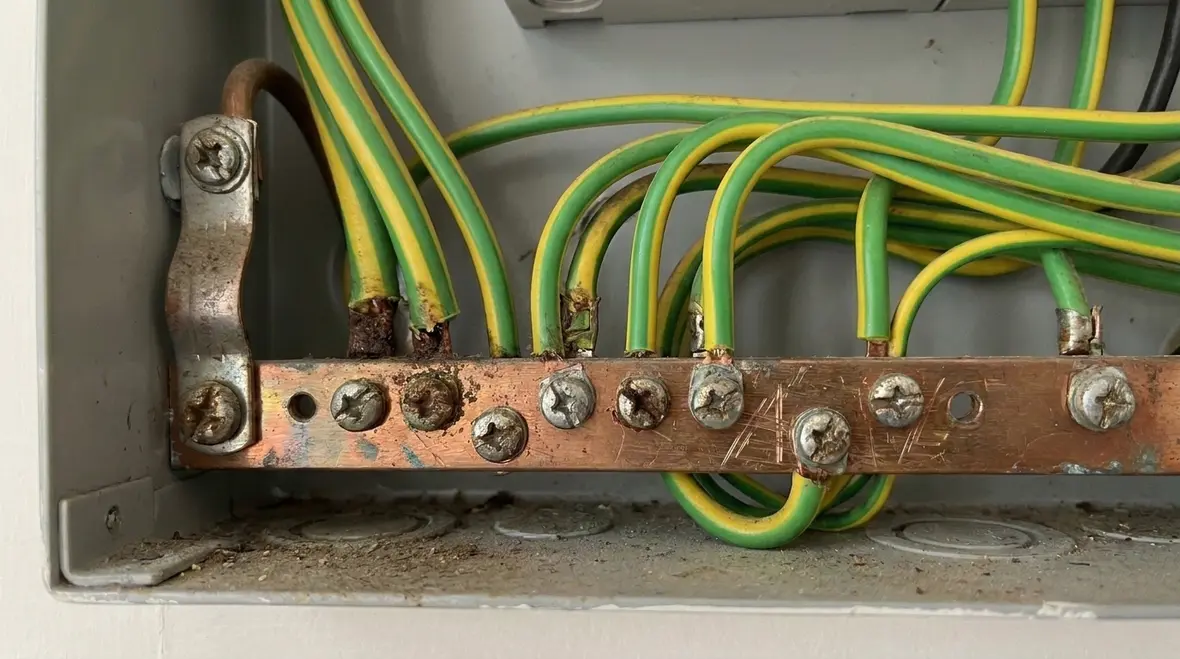
Kord Electric focuses on commercial and industrial facilities and major property buildings, so we build repeatable processes for complex electrical systems. We do not just talk about code. We help teams make it real.
Review the one line diagram and service disconnect lineup so the project team uses the same combined rating basis the code intends.
Confirm equipment nameplate values and listing details so the field installation matches the assumptions used for the design.
Check the physical grouping and arrangement because the “together” part of combined ratings must match the requirements.
Validate labeling and schedules so operators and inspectors can trace the system without guessing.
Coordinate with commissioning and inspection prep so test plans match the approved disconnect concept.
In practice, our expert service staff explains each step in plain terms during coordination meetings. That way, no one feels like they are decoding a secret scroll. And while electrical compliance can feel like it takes forever, it actually moves faster when everyone knows what to verify and why it matters.
On larger upgrades, this process often sits alongside broader electrical code upgrade consulting, where Kord Electric helps facilities interpret how NEC changes affect feeders, panelboards, emergency systems, and service equipment. When the same team that reviews your NEC combined disconnect ratings also reviews your renovation scope, surprises tend to shrink.
NFPA 70 updates, code context, and how teams should stay current
Electrical standards evolve, and facilities that plan upgrades need to stay current. Kord Electric and our partners keep an eye on NEC related guidance and the broader NEC context so teams do not treat code as static. Additionally, understanding the surrounding requirements helps teams avoid the “one section wonder” problem where a team satisfies Section 230.80 but overlooks another section that affects the same service equipment system.
Resources from fire and electrical code communities also reinforce why the code framework matters beyond the single clause. For example, Kord Fire materials discuss NEC fundamentals and common misunderstandings, and those insights often help facility teams think more clearly about service design and safety outcomes. When a project team connects the dots across the electrical code and fire safety coordination, decisions improve and surprises drop.
For facility leaders who want to see how NEC strategy ties into day-to-day power quality and reliability, Kord Electric’s articles on topics like industrial power surge protection and data-driven electrical design show how service ratings, protection settings, and maintenance all weave into the same safety story.
So, while Section 230.80 does the job of defining combined rating logic, staying current across the code landscape helps teams execute safer, cleaner installations for large buildings.
When those installations sit in jurisdictions with detailed requirements—such as projects covered under Los Angeles County electrical services expectations—having a contractor who understands both local rules and NEC combined disconnect ratings makes it much easier to move from plan review to approved inspections without last-minute redesigns.
FAQ: NEC combined disconnect ratings and Section 230.80
Final word from Kord Electric
Electrical compliance should feel steady, not chaotic. Kord Electric helps commercial and industrial facilities implement NFPA 70 Section 230.80 correctly, so the combined rating story matches reality from design through energization. If a project involves multiple service disconnects, we can review the one line, confirm equipment details, and prepare the documentation inspectors expect. Reach out to our expert service staff to keep your system safe, your commissioning smooth, and your team out of the “why did we miss that” meeting. Call Kord Electric today.
If your facility is planning upgrades or new construction, especially in complex commercial or industrial environments, aligning your NEC combined disconnect ratings with the rest of your power distribution and protection strategy is one of the best ways to avoid costly rework. Kord Electric’s commercial electrical services and regional support offerings are built to keep that alignment intact from the first sketch to the final inspection.


