
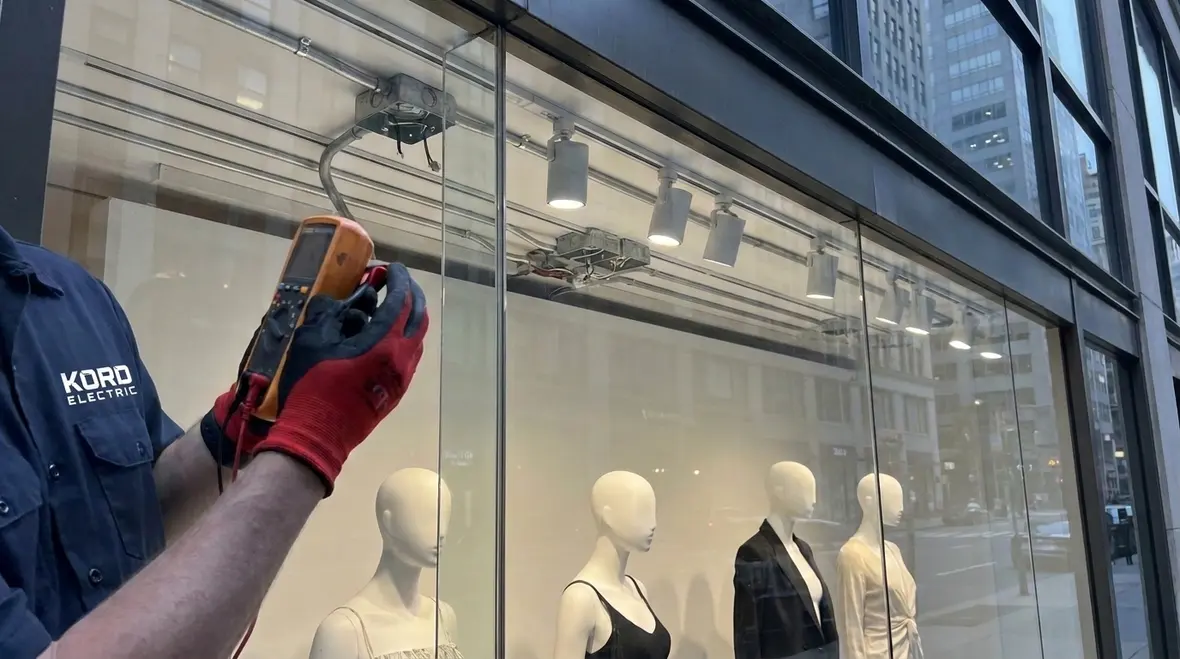
NEC Show Window Branch Circuits 210.62 Compliance
When a building owner wants power where it matters most, NFPA 70 Section 210.62 often comes up in our conversations. In plain terms, it addresses NEC show window branch circuits, the electrical rules that help control how specific circuits feed show windows and similar display areas. At Kord Electric, we focus on commercial and industrial facilities, so we see these requirements on real projects, not theory decks. And yes, we have explained the code to enough teams to know that eyes can glaze over faster than a soda in a freezer. Still, once our expert service staff walks through the intent, the rules start to make sense.
What 210.62 is trying to prevent
To understand NEC show window branch circuits, we first look at why Section 210.62 exists. The code works like a fire extinguisher in a hallway: not for decoration, for prevention. In show windows, lighting and electrical loads sit close to people, materials, and sometimes temporary display items. Therefore, the wiring approach needs to reduce risk and improve safety when conditions change.
Moreover, the NEC tries to prevent a common failure pattern. If a circuit serving a show window is wired in a way that is hard to isolate or protect, then troubleshooting slows down and safety suffers. As a result, 210.62 pushes for branch circuit rules that make the system easier to manage. That means fewer surprises when a tenant remodel hits, and fewer “who did this last time” moments.
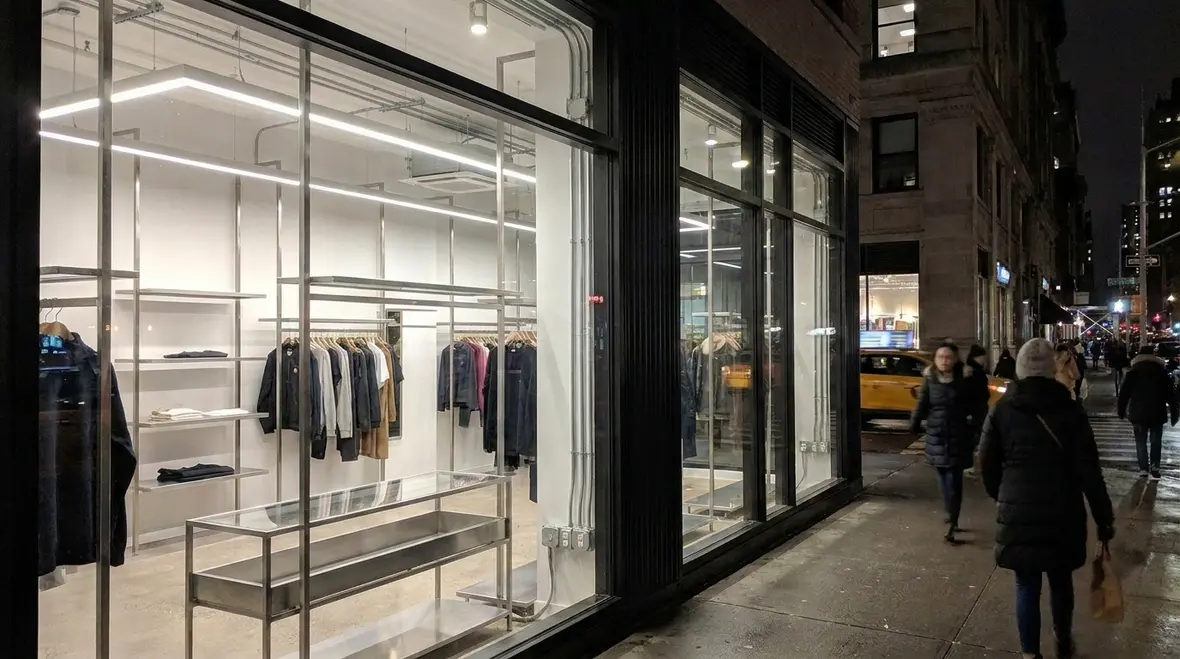
Where the show window rules apply in real life
Section 210.62 targets show windows and similar display arrangements. In practice, we see these in retail fronts, lobby display areas, and storefront style openings on major property buildings. However, we also recognize that commercial layouts differ. For example, one building may use a dedicated display enclosure, while another uses a larger glazing system with lighting embedded in the frame.
So we start by identifying the exact lighting locations, mounting style, and how the power enters the window or display area. Then we match that to the intent of the code. This matters because inspectors often look for whether the circuit arrangement truly serves the show window area and whether protection and routing meet the rule. Our technicians handle this step carefully, and we explain the reasoning to the facilities team so the process stays transparent.
In many projects, we also connect these discussions to broader NEC planning resources that facility leaders already use. For example, teams who are mapping multiple upgrades at once often review Kord Electric guides such as Understanding NFPA 70: The National Electrical Code Explained For 2026 so they can see how show window branch circuits fit into the larger code picture instead of treating 210.62 as a one-off rule.
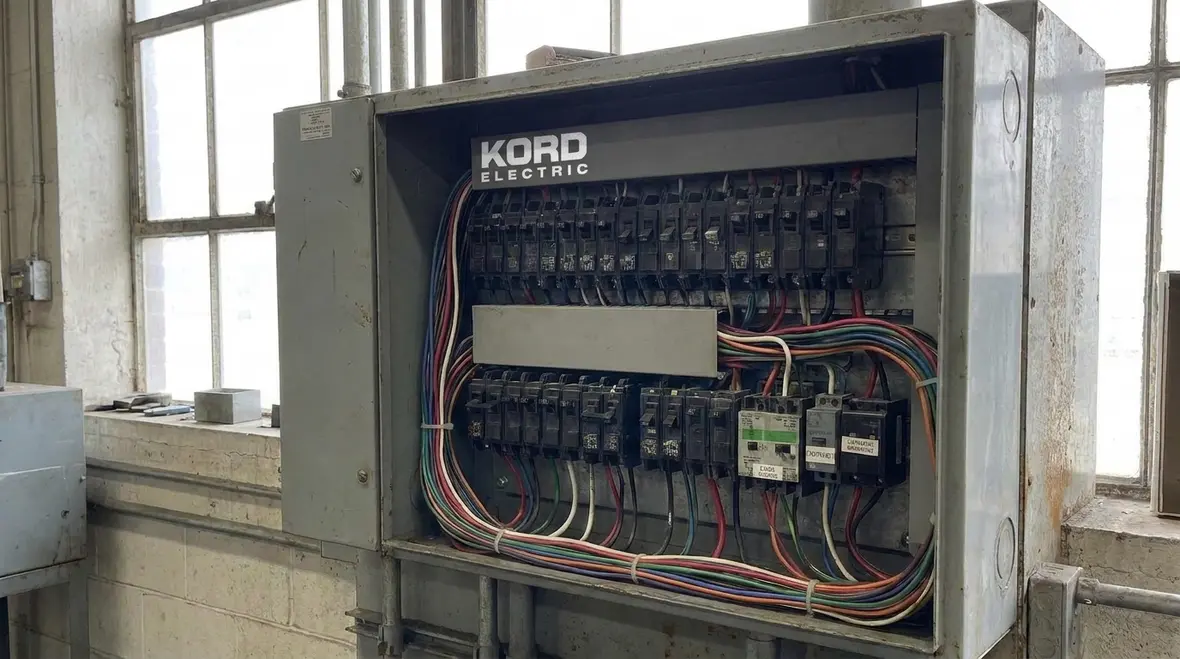
Circuit arrangement and protection basics
In order to comply, a system usually needs the right branch circuit arrangement and appropriate protection. While the NEC provides the structure, we still apply it with discipline on site. That means we evaluate how the show window loads connect, and we decide how to feed and protect the circuit so it performs safely.
Next, we look at overcurrent protection practices and how the wiring conductors support safe operation. Even when a load appears small, it can behave differently under fault conditions, especially if wiring methods do not match the environment. Therefore, we do not treat show window lighting as “just decorative.” In commercial and industrial facilities, we treat these circuits as part of a bigger electrical life safety picture.
And if someone tells us, “It is only LEDs,” we politely remind them that LEDs still draw power, still fail, and still create troubleshooting when circuits behave unpredictably. Sometimes the joke writes itself, but the solution stays serious.
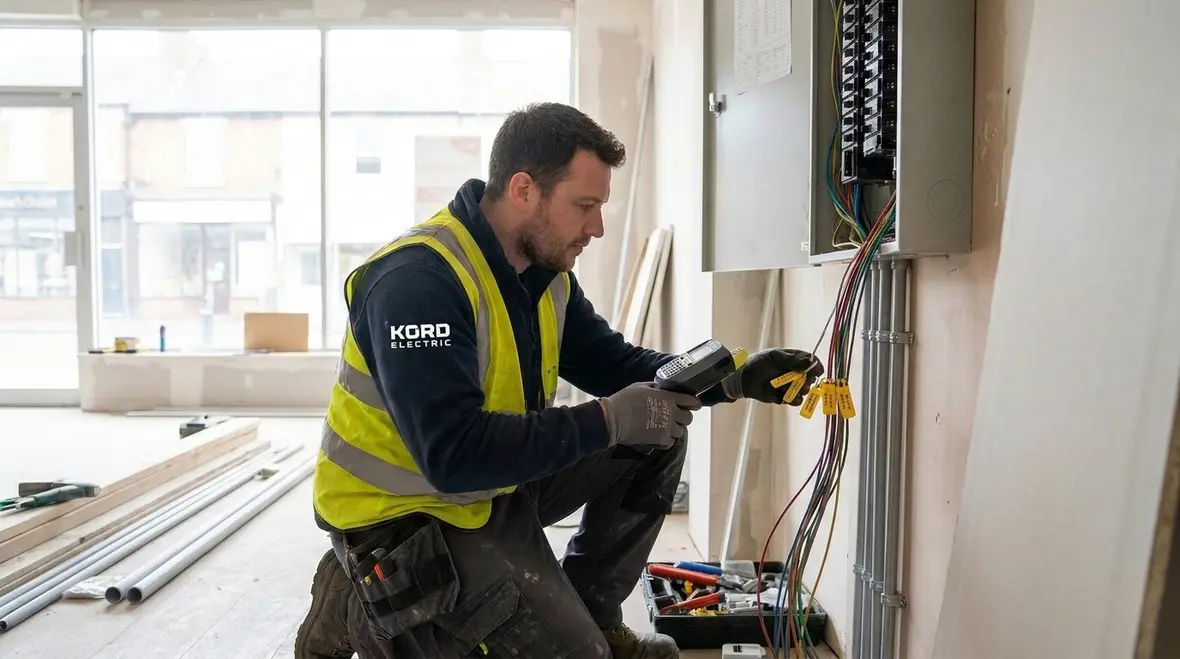
How routing, labeling, and access affect compliance
After circuit protection, we move to installation details. Routing and access influence whether a circuit stays protected, remains serviceable, and stays in line with code intent. Additionally, proper wiring methods help prevent physical damage, heat buildup, and water or moisture problems in storefront environments.
We also focus on labeling and documentation. A show window change may happen faster than a lease renewal, and when that happens, the electrical team needs a clear map. Consequently, we recommend that buildings keep updated circuit schedules and identify which circuits serve which display areas. Our expert service staff reinforces this by walking the maintenance team through the layout, so they understand where to look when a display stops working.
This approach matters for major propertie buildings because tenant work multiplies. One tenant modifies signage, another changes lighting, and someone else adds decorative displays. Without clear circuit identification, small changes can create big risks.

Coordination during tenant improvements and upgrades
Commercial buildings do not stay still. Therefore, we often coordinate NFPA 70 requirements during tenant improvements, façade upgrades, and lobby redesigns. When a contractor proposes changes to show window lighting, we help them align the electrical scope with the proper circuit rules before rough-in begins.
At this stage, we ask practical questions that prevent rework. For instance, we confirm what the new display uses, whether the loads change, and whether the wiring method stays consistent with safety expectations. Then we verify how the new work ties into existing circuits and whether any protective or isolation needs change.
And yes, we occasionally see proposals that treat show windows like a “plug and play” craft project. In commercial spaces, that idea lasts about five minutes before someone asks for inspection sign off. Our job is to keep the project moving and keep everyone on the right side of the code.
How NFPA 70 relates to the bigger NEC safety framework
Section 210.62 does not sit alone. It works within the larger NEC and NFPA 70 framework for safety, wiring methods, and branch circuit logic. For that reason, we connect show window circuit decisions to overall electrical planning. We do this by reviewing how the building handles power distribution, how it plans grounding and bonding, and how it protects wiring in the areas where people and materials interact.
We also keep up with published guidance that aligns with the NEC structure. For example, our team references resources from our own NEC educational materials and also monitors broader safety content from industry sources, including fire and code communities. This helps us explain trade friendly concepts in plain language, and it helps facility teams understand the “why” behind each requirement.
When the team sees the connections, compliance becomes more than paperwork. It becomes a system that reduces risk while keeping spaces attractive and functional. Even related fire safety content reminds us that electrical safety supports the broader life safety plan, not just the electrical room, which is why many facility teams review both electrical and fire protection resources side by side when they plan upgrades.
For a deeper grounding in how the code operates across your building, many of our commercial and industrial clients pair show window work with NEC planning guides from our blog and with services that cover broader infrastructure needs. By aligning NEC show window branch circuits with this larger safety framework, facilities keep inspections smoother and long term risk lower.
Choosing a professional team for commercial compliance
Here is the truth we live with: code compliance depends on details. And details live at the jobsite, not in a spreadsheet. When we build and maintain electrical systems for commercial and industrial facilities, we lean on trained technicians and a service staff that explains the process as we go.
Our approach at Kord Electric is straightforward. We assess the show window area, we confirm the intended loads, and we design or verify the circuit arrangement so it matches the expectations of Section 210.62. Then we document the result in a way your maintenance staff can use. This is how we reduce downtime during failures, and it is how we prevent repeated costs after remodels.
So while the code can feel like a maze at first, we help you find the route. And if anyone tells you the NEC is “too complicated,” we can only say this: sure, but so is building a safe facility. That is why we exist.
In many projects, our NEC work on show windows also connects to broader support like Los Angeles County electrical services for commercial and industrial facilities, where code compliance, documentation, and long term maintenance planning come together for multi-site portfolios and major property buildings.
FAQ
Final code driven guidance from Kord Electric
If you manage commercial or industrial facilities, you already know electrical work cannot be treated like guesswork. Kord Electric helps you follow NFPA 70 Section 210.62 with planning, careful installation, and clear documentation for show window power. Our technicians explain each decision in plain language, so your team understands what was done and why. If your building has a remodel coming, a tenant change, or a display lighting issue, call us. We will review the circuit plan and keep your project inspection ready.
For facilities taking a wider look at NEC compliance beyond show windows, our team also connects this work to broader NEC planning across distribution equipment, labeling, and training, so your code strategy stays consistent from display areas to main service gear.


