
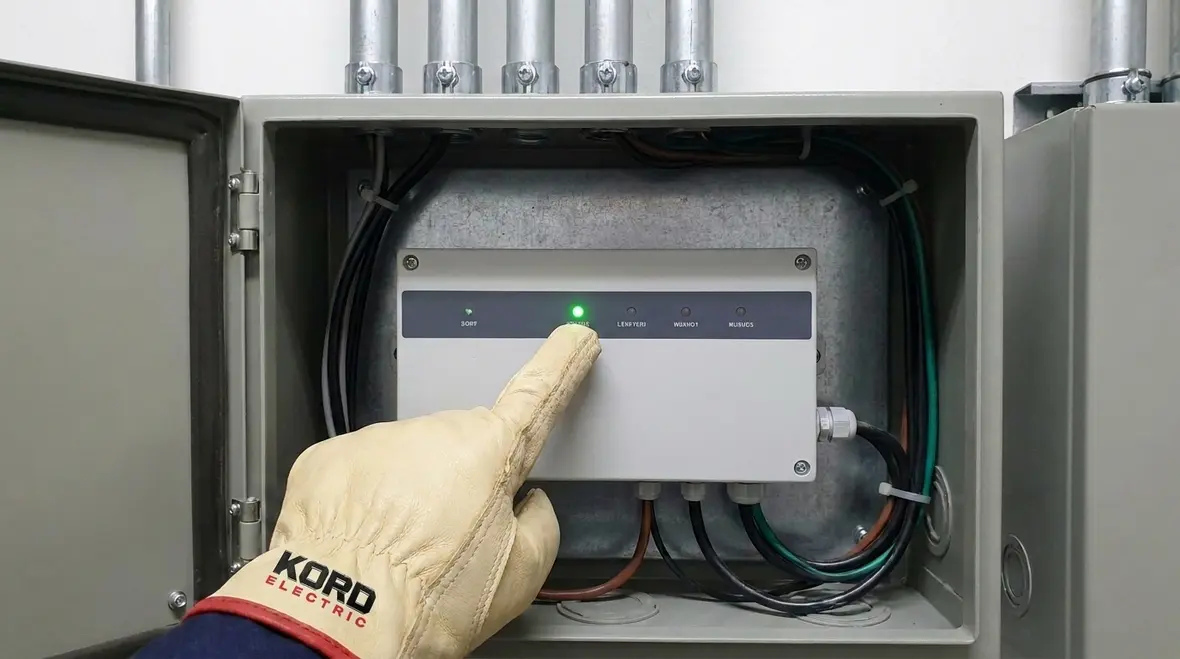
NEC SPD Indicating Status for NFPA 70 Section 242.9 Compliance
At Kord Electric, we take NEC SPD indicating status seriously, because it is one of the simplest ways to confirm whether a surge protective device has done its job the way it was meant to. In other words, we do not just install equipment and hope for the best. We verify what the device is telling you, and our technicians explain it in plain language during service visits. After all, a “surge” does not announce itself with confetti and a dramatic soundtrack. It shows up quietly, it moves fast, and it can damage expensive electronics before anyone notices.
For commercial and industrial facilities and major property buildings, these details matter. This article covers NFPA 70 Section 242.9 and how it drives requirements for indicating surge protective devices, what you should expect to see on the status indicators, and how our expert service staff helps your team respond correctly. We keep the focus on safe, practical compliance, because in the field, reality likes to win debates.
Understanding NFPA 70 Section 242.9 and why it exists
NFPA 70, also known as the National Electrical Code, includes rules that protect you from electrical hazards and equipment damage. Within that code, NFPA 70 Section 242.9 focuses on indicating surge protective devices. The reason is straightforward: surge protection is not a one time forever shield. Over time, a surge protective device absorbs energy, and its protective function can change after repeated events.
Because of that, the code calls for indicating features that help you understand device status. That way, facility managers do not treat surge protection like a mystery novel where the ending stays hidden until it is too late. Instead, they get clear signals that help them plan inspection, testing, and replacement. In commercial and industrial environments, this reduces downtime risk and avoids the “everything looks fine” trap that hits harder than a delayed elevator.
What “indicating” should look like in the real world
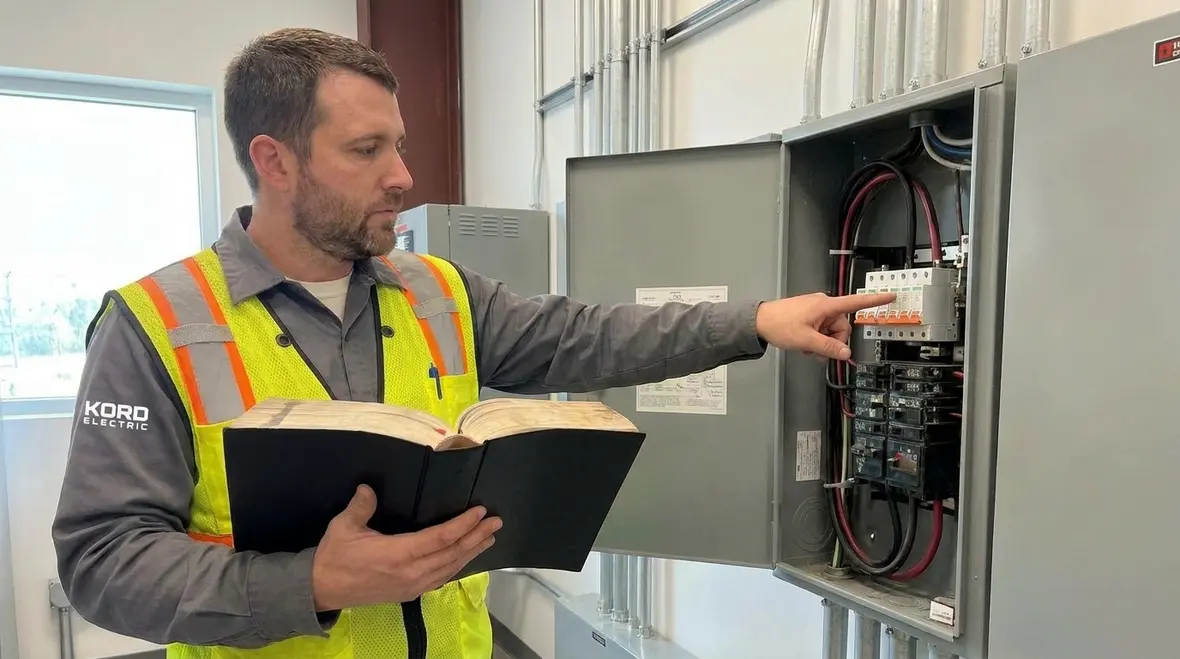
Indicating methods typically show up as visual features on the SPD. These features can include lights, mechanical position indicators, or other status displays that communicate whether the unit is operating correctly or needs attention. We want your team to see the same message every time, not a confusing jumble of tiny symbols that looks like it was designed for a spacecraft cockpit.
When our technicians inspect an installation, they look beyond the label. First, they verify that the indicating feature is present and functional. Next, they confirm that the indicator reflects the SPD’s condition as the manufacturer intends. Then, they explain what that condition means for your electrical system.
Importantly, we emphasize that an indicator is not a suggestion. It is information. Therefore, a correct response protects your investment. When indicators show a device needs service, we help coordinate the right next step, especially for major property buildings where systems serve many tenants, floors, and critical operations.
How NEC SPD indicating status connects to surge protection performance
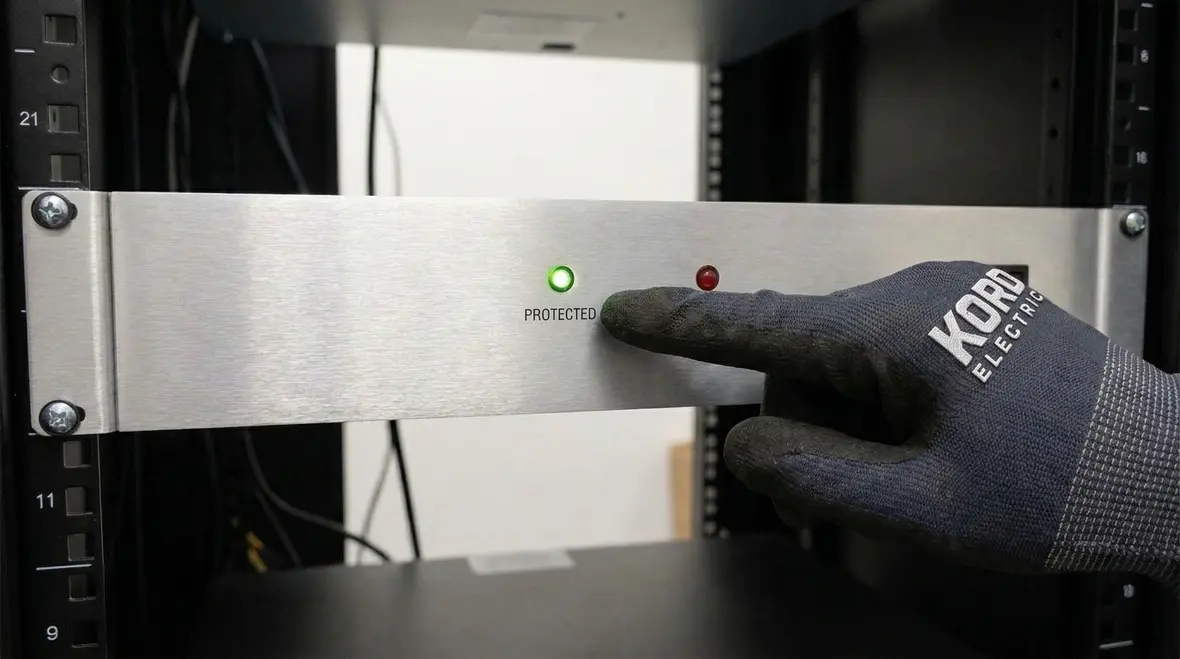
Surge protective devices work by diverting surge energy away from sensitive equipment. However, when surges occur, the device may absorb a portion of that energy and reach limits over time. As a result, NEC SPD indicating status exists to communicate whether the unit still provides the intended level of protection.
So, we tie indicator readings to practical decisions. If the indicating feature shows normal status, we confirm that the device remains in a condition consistent with continued protection. If it shows a warning or failed state, we help your team take corrective action before the next surge event becomes a costly event.
Our expert service staff also helps clarify something many people miss. Indication does not replace testing where testing is required or where a deeper assessment makes sense. Instead, it supports faster troubleshooting and better scheduling. In facility operations, that difference can mean fewer surprises and fewer emergency calls. And yes, emergency calls can be funny for about three seconds, then they become expensive.
Because NEC and NFPA resources tie directly into surge protection behavior, many facility teams also review broader code guidance. For example, Kord Electric’s article Understanding NFPA 70: The National Electrical Code Explained for 2026 helps connect SPD decisions to the larger NEC framework your building already follows.
Installation quality and indicator visibility in commercial systems
Even when an SPD has a proper indicating feature, the installation still matters. In commercial and industrial facilities, you may have electrical rooms with limited access, panel arrangements that shift during renovations, and labeling practices that change over time.
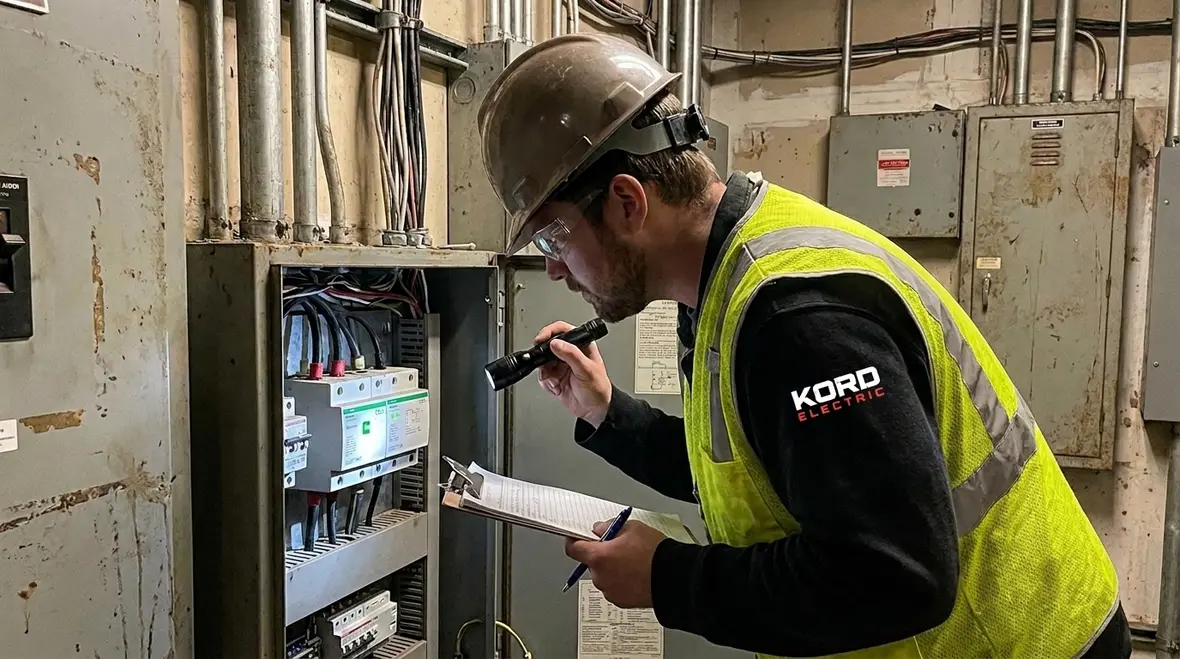
Therefore, we approach indicator visibility as part of overall system quality. Our technicians check that the indicator can be seen safely and without guesswork. Additionally, we verify that the SPD is installed according to the relevant equipment requirements and that terminations support reliable function.
Next, we pay attention to identification. When your staff can identify the SPD serving a specific panel, area, or distribution segment, the indicating feature becomes actionable. If your team cannot match the indicator to the correct equipment, then the indicator becomes trivia, not protection.
For major property buildings, we often coordinate with building management and maintenance schedules, because access windows matter. In that environment, we make sure your surge protection indicators stay useful, not buried behind an outdated directory or a locked utility closet that never gets opened unless there is an alarm.
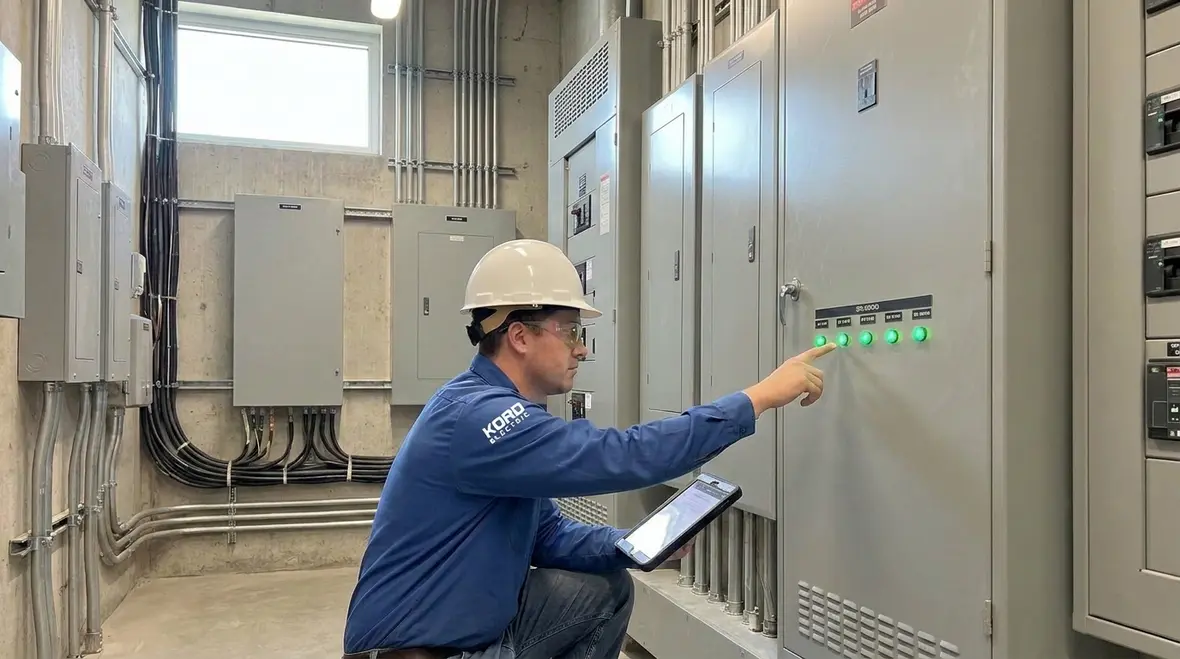
Inspection and response: what we recommend when the indicator changes
When the indicating feature changes, the facility should respond quickly and methodically. Our technicians recommend a simple workflow that fits how commercial operations actually run.
Step one is to record the indicator state and the SPD location, including the panel or distribution equipment it serves.
Step two is to verify the condition and check for any related alarms or signs of abnormal electrical conditions.
Step three is to schedule service or replacement as appropriate, since an SPD that no longer provides full protection can leave downstream equipment exposed.
Step four is to document the action for maintenance records and future planning.
Then we talk with your team about the “why” behind the indicator change. Sometimes, the indicator changes due to surge activity that occurred earlier and went unnoticed. At other times, it relates to the device reaching its end of useful performance under repeated transient events.
Meanwhile, we also help align your response with your risk profile. A manufacturing line that relies on sensitive controls and high value drives needs a different urgency level than a space with fewer electronics. However, every commercial and industrial facility benefits from a disciplined response plan.
Common compliance pitfalls we see during service work
In the field, we sometimes find issues that create compliance and reliability gaps, even when the original installation appeared “done.” First, staff may not know where the SPD is located or how to interpret the indicator. Second, indicator access may be blocked by construction or storage. Third, label updates may lag behind panel changes during renovations.
Also, some teams assume surge protection never needs attention. That assumption can turn into a costly lesson. Surges happen due to switching operations, lightning induced effects, utility disturbances, and internal system events. Even if you never notice a surge, the SPD can still absorb energy and shift condition.
Moreover, we see instances where the indicator exists but is not matched to the correct documentation. In that case, maintenance staff may report the wrong panel status, or they may schedule work for the wrong equipment. To prevent that confusion, we help connect the physical indicator to the electrical architecture your team uses every day.
We also remind facilities to follow the NEC and manufacturer guidance. While our expert service staff explains the big picture, we still verify details that matter for safe operation. For commercial and industrial buildings, careful documentation reduces risk and improves coordination across vendors.
Two practical ways to manage surge protection for major buildings
Many major property buildings want a clear strategy. They do not want a binder full of generic guidance. Therefore, we use two practical management approaches that align with how you maintain large sites.
Approach |
How it helps |
Indicator based checks |
Facility staff can quickly spot changes in the NEC SPD indicating status and route work orders faster, so protection does not quietly degrade. |
Scheduled service verification |
Our technicians confirm condition, documentation accuracy, and accessibility across multiple panels, which is essential for buildings with frequent tenant activity and remodels. |
Meanwhile, we keep it grounded. The goal is not just compliance. The goal is reliable protection for the equipment your operations depend on. If your building runs on controls, networking gear, security systems, or process equipment, surge protection deserves the same attention you give to life safety and power quality.
NEC, NFPA, and your building team: how we align language and expectations
People sometimes mix up “code” with “policy,” and those lines matter. We explain that NEC rules set minimum electrical safety and performance expectations. NFPA resources help provide broader context, and they also reinforce the rationale behind protection practices. When you unify those ideas with building procedures, you get a system that is easier to manage.
That is where our team adds value. We take time to explain what the indicator means, what it does not mean, and how your staff should act. Our expert service staff often speaks with building engineers, electrical supervisors, and operations managers. We do not talk in riddles, and we do not treat your team like they should already know everything.
In a major property setting, you need a shared understanding across departments. Therefore, we support communication so the right people make the right calls at the right time. That is how you keep surge protection from becoming the forgotten line item that only shows up when something breaks.
For facilities planning broader upgrades, NEC SPD indicating status often becomes part of a larger reliability strategy that includes panel work, grounding improvements, and modern protection at key distribution points. Kord Electric frequently supports this through regional offerings such as their Los Angeles County electrical services, where surge protection, code consulting, and field-ready documentation live in the same project plan.
FAQ: NFPA 70 Section 242.9 and surge protective device indication
Conclusion: let Kord Electric keep your surge protection honest
Surge protection should not be a guessing game. With the right NEC SPD indicating status understanding, your team can spot changes early, plan service, and protect the equipment that keeps your commercial and industrial operations running. Our technicians and expert service staff at Kord Electric help you interpret indicators, verify installation details, and respond with confidence. If you want a calm, clear plan for your building’s surge protective devices, contact us to schedule an assessment and get everything documented properly.
When you combine disciplined NEC SPD indication practices with a broader electrical reliability strategy, you reduce downtime risk and make every inspection easier to pass. That is the kind of quiet, predictable performance most facilities prefer over dramatic surprises.


