
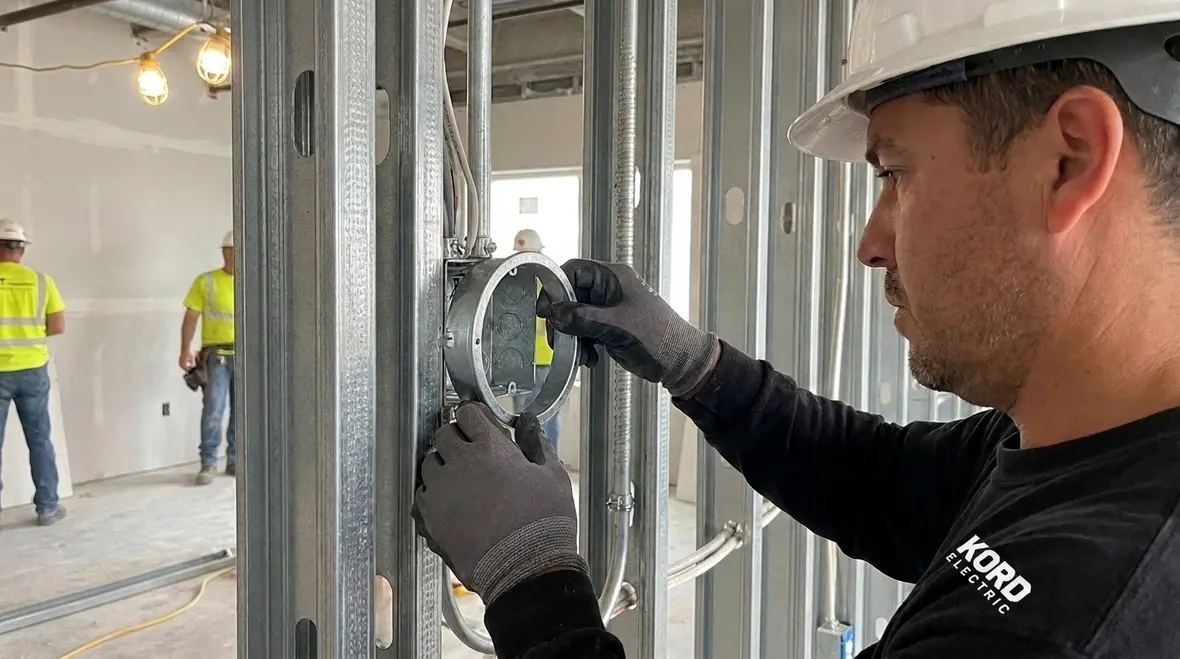
NEC Surface Extensions Boxes Guidance From Kord Electric
Commercial Grade NEC Guidance From Kord Electric
When a facility needs power distribution that lasts, we do not treat code like a suggestion. Early on, we build with NEC surface extensions boxes in mind, because NFPA 70 Section 314.22 focuses on how boxes receive surface mounted fittings and devices. Our teams at Kord Electric, along with expert service staff, explain the “why” behind the requirements before anyone installs anything. That way, we reduce rework, speed up inspections, and keep projects moving. In other words, we help prevent the classic scenario where someone says, “It’ll probably be fine,” and then the inspector arrives like a plot twist. And trust us, inspectors do not do plot twists. They do checklists.
This same mindset shows up across our broader NEC guidance work, from detailed articles on specific sections like multiwire branch circuits and feeder minimum ratings to big-picture explainers like our resource on Understanding NFPA 70: The National Electrical Code Explained for 2026, which ties code concepts directly to real commercial and industrial projects.
What NFPA 70 Section 314.22 Requires for Box Surface Extensions
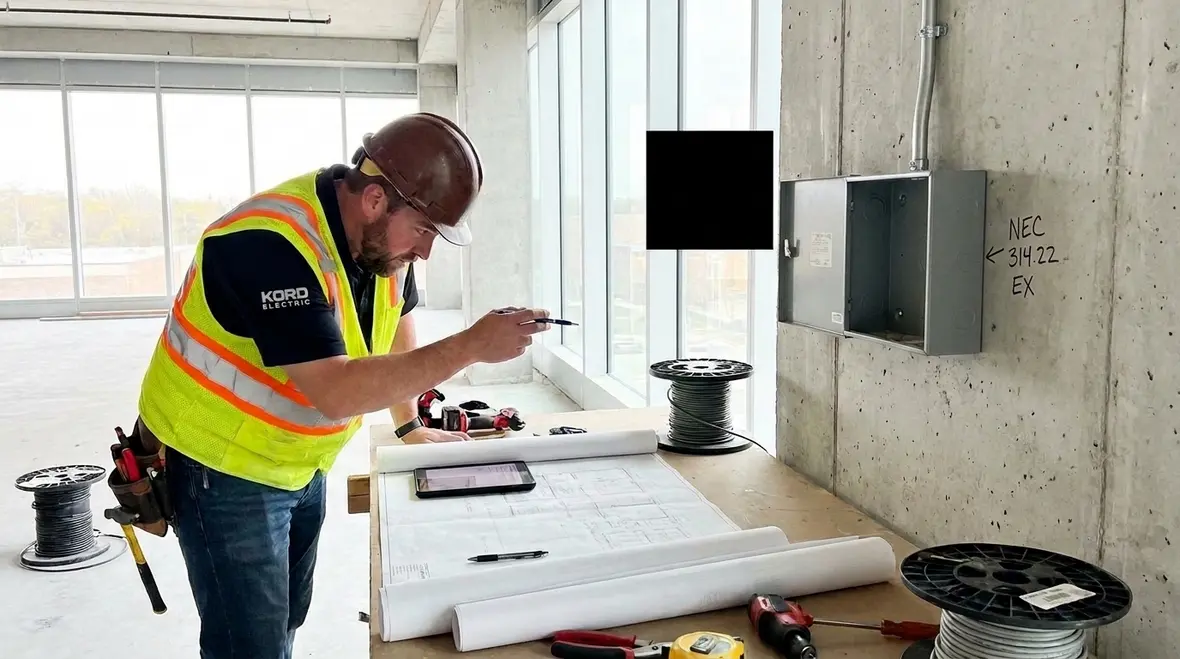
NFPA 70 Section 314.22 sets rules for surface extensions for boxes so that boxes work correctly with wall and finish surfaces. Essentially, the code addresses how far a box can sit back from the finished wall and how extensions keep the box properly aligned with the trim and devices that will mount to it.
At Kord Electric, we interpret this in practical terms for commercial and industrial facilities. We make sure the box depth plus the extension matches the intended finished surface thickness. If a box sits too deep, devices end up under stress, covers do not seat properly, and alignment issues show up during commissioning. If a box sits too shallow, the device and cover can interfere with firestopping, wall systems, or enclosure hardware. Either way, the facility inherits problems we would rather remove during the rough-in stage.
Our technicians break it down in plain language on site. For example, we show teams how extension length affects device mounting height, cover fit, and wiring access. Then we confirm it against the building design documents. This approach keeps the work clean, the schedule steady, and the inspection conversation short.
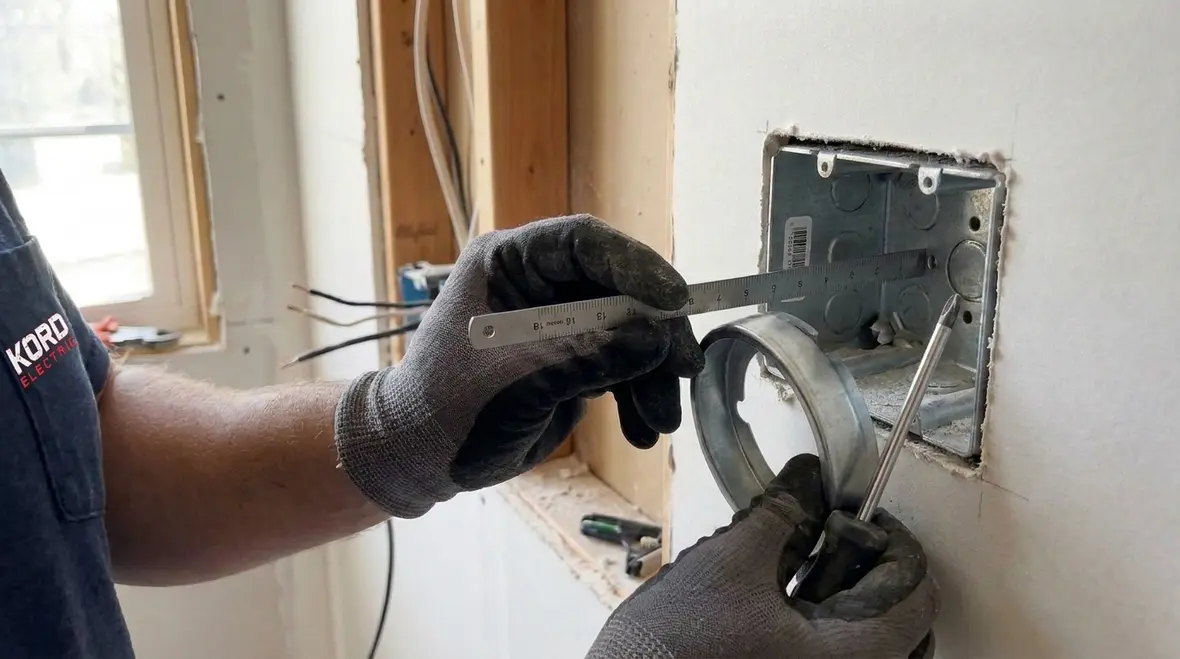
Why Surface Extensions Matter in Real Commercial Builds
Commercial and industrial projects carry real consequences when boxes and devices do not align. Therefore, code compliance must translate into installation quality. When surface extensions are chosen and installed correctly, several important outcomes follow.
First, device covers sit flush and seal properly, which supports safe operation and stable performance. Next, wiring access stays available without forced bends that can damage insulation. Also, the box stays supported in a way that reduces mechanical stress on fasteners and device yokes.
In fire rated and high traffic environments, we see another factor. Wall thickness, finish systems, and retrofit materials vary, and surface extensions bridge that gap. If the gap is ignored, the facility ends up with covers that rattle, devices that misalign, and troubleshooting calls that nobody wants after hours.
And yes, we get it. Some people treat electrical details like stage props. But in the field, “close enough” does not survive long. Electrical assemblies need to work every day, not just for the photo op.
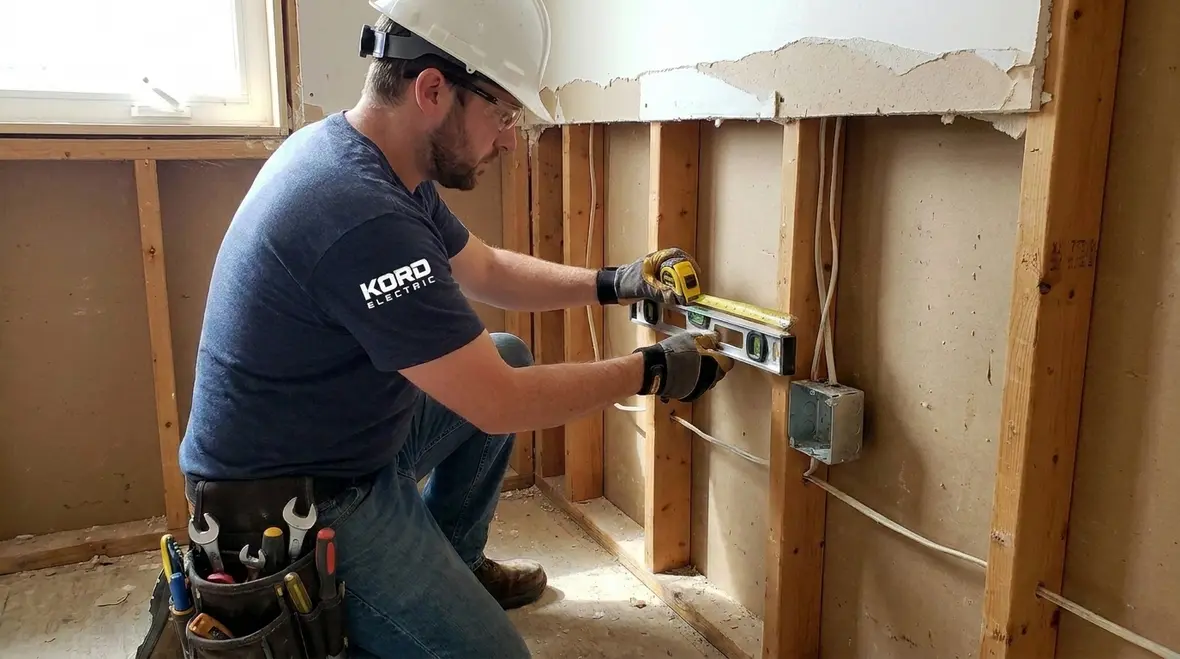
How Our Technicians Verify Depth, Finish, and Mounting Alignment
We do not just install. We verify. Our expert service staff uses a repeatable process that teams can follow across tenant build outs, retrofits, and new industrial sites. Step by step, we confirm the box location relative to the finished wall surface and the extension hardware used.
We review the wall build up in the drawings and confirm field conditions, including drywall thickness, furring, and any exterior rated layers.
We measure the box setback from the planned finished surface before extensions go in.
We match extensions to the device cover and trim so the installed components align without forcing fit.
We check wiring clearance inside the box so the installation supports safe conductors and proper termination.
We coordinate with the rest of the trades so firestopping and wall closures do not compromise the box alignment.
Then we explain the results. Our technicians speak in practical terms so facilities teams understand what changed and why it matters. Consequently, the contractor team avoids the “mystery” rework that appears after finishes. We also reduce delays by flagging incompatibilities early, such as extension lengths that do not suit the final surface thickness.
For customers who want the bigger picture, we connect this work to the broader NEC approach. The code aims to prevent hazards, and it also supports predictable installation outcomes. Our job is to make those outcomes real on the floor, in the wall, and inside the panel schedules.

Installation Best Practices for Surface Extensions in Field Work
Even when the right components exist on paper, the field still tests the plan. Therefore, we follow installation best practices that help surface extensions perform as intended under NFPA 70.
Use the right extension design. Extensions must support the box for the intended mounting method and finished surface. We do not “make it work” with random parts. We select components built for the box system and the device type.
Plan before rough in. We schedule measurements around the wall build up. That way, the extension length matches the finish outcome. Otherwise, the team installs once and pays twice, which is the electrical version of buying the wrong power tool and pretending the handle will magically fit.
Maintain box support and alignment. We ensure the box remains rigid and properly oriented. If the box shifts, the device alignment breaks and covers can fail to seat.
Coordinate with fire and enclosure requirements. Where firestop systems and rated wall assemblies apply, we coordinate the extension placement with the wall closure steps. This helps keep the assembly intact and reduces inspection issues related to gaps and improper closure.
Finally, we log what we do. In commercial environments, documentation helps maintenance teams later. It also helps our own service staff when they return for planned upgrades.
How NEC Compliance Protects Inspections and Facility Reliability
Commercial and industrial facilities run on uptime. And inspections, while not always fun, aim to protect people and property. When we align box installations with NFPA 70 Section 314.22, we help prevent avoidable inspection failures.
Inspections benefit because boxes and devices mount correctly, covers fit, and wiring access supports safe terminations. Facilities benefit because the installations reduce stress points that cause loosening, vibration issues, or premature wear.
Also, compliance helps future change work. When the box and extension system supports the finished layout, technicians can replace devices without opening walls and without creating new gaps. That matters in hospitals, warehouses, manufacturing plants, office campuses, and major properties where systems must stay serviceable.
We keep our guidance consistent with the way NEC content gets interpreted in the industry. If you want the full context behind NEC updates and practical implementation, we encourage you to explore resources from Kord Electric and Kord Fire, including the NEC explanation content we publish. Our teams often reference sister guides from Kord Fire such as “NFPA 70: All About The National Electrical Code (NEC) 2026” and pair them with Kord Electric resources like “What Is NFPA 70? Understanding the National Electrical Code” and “2026 NEC Application Requirements Guide and NFPA 70 Scope” so clients see how specific rules, including NEC surface extensions boxes usage, fit into the larger safety story.
Related Code and Vendor Support for Safe Project Delivery
We know code is only one piece of safe delivery. Materials, product selection, and workmanship all matter. That is why we lean on training, documented processes, and clear communication. We also reference how standards guidance gets discussed in the market so our installation methods match how inspectors review work.
In addition, we support clients with service staff who explain requirements and help teams make better decisions at the start of the project. When we partner with commercial stakeholders, we keep the process calm and organized, the way a good mentor should. If project leadership ever worries that code compliance will slow them down, we remind them of a simple truth. Fixing rework costs more time than doing it right the first time. In our world, “right once” beats “right later” every time.
Because many of our projects live in Los Angeles County and the surrounding region, our surface extension work often connects directly to our broader Los Angeles County electrical services for commercial and industrial facilities. From panel upgrades and feeder changes to NEC surface extensions boxes that align with new finish systems, we coordinate the details so facility leaders see one coherent, code-ready electrical plan instead of a stack of unrelated tasks.
FAQ
Call Kord Electric for NEC-Compliant Electrical Installations
If your commercial or industrial facility needs electrical work that stands up to inspections, we help you get there with clear planning and disciplined installation. Kord Electric and our expert service staff explain NFPA 70 Section 314.22 in practical terms, verify finished wall conditions, and install with the right surface extensions for proper alignment. That means fewer call backs, smoother commissioning, and cleaner handoffs to maintenance. Contact us today and let’s keep your project on schedule, safe, and code ready.
As you plan future work, you can also align your NEC strategy across topics by pairing surface extension guidance with our broader 2026 National Electrical Code resources from Kord Electric and Kord Fire. When code decisions, device selections, and wall finish details line up, inspections look less like a suspense story and more like a simple, well-earned approval.


